

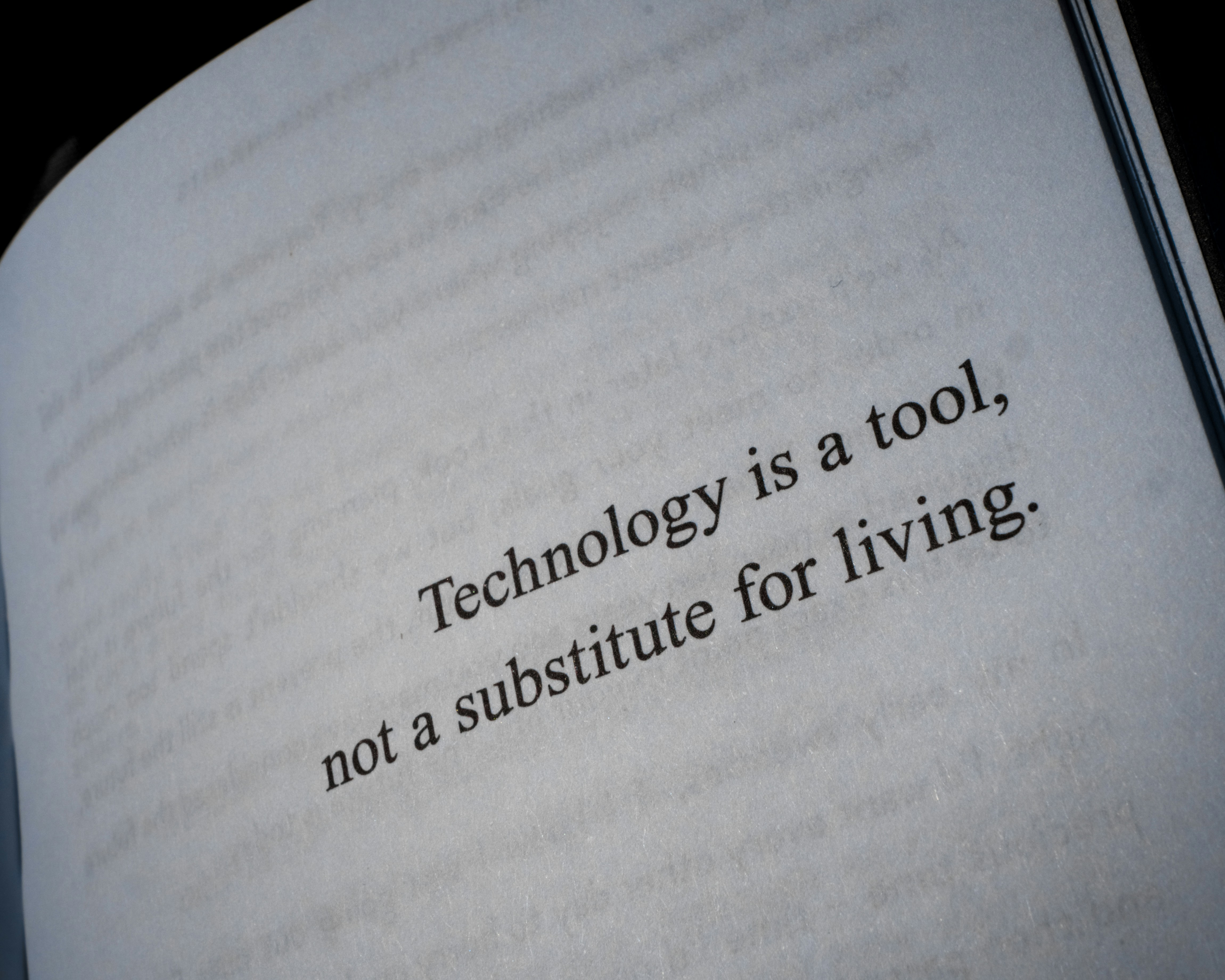
Introduction to Technology in Modern Life
In the contemporary era, technology permeates every aspect of our lives, becoming an indispensable element in both personal and professional realms. The definition of technology encompasses a broad spectrum of tools, devices, systems, and processes that facilitate various tasks and enhance efficiency. Its evolution over the decades has led to profound changes in how we communicate, work, learn, and even socialize.
Historically, technological advancements have marked significant phases in human development. From the invention of the wheel to the rise of the internet, each leap has redefined societal norms and capabilities. In recent years, the focus has shifted towards digital technology, which incorporates computing devices, mobile applications, and data analytics. These innovations have revolutionized industries, reshaped economies, and transformed everyday experiences into interconnected digital journeys.
Technology’s omnipresence can be observed in our daily routines. The smartphones we rely on for communication and information, the smart home devices that enhance our lifestyles, and the online platforms where we conduct business are all manifestations of technological integration. The workplace, too, has undergone a radical transformation, with remote work becoming a reality for millions, driven by technological advancements that enable connectivity and collaboration regardless of location.
This integration of technology into our lives has led to increased productivity, accessibility, and convenience. However, it has also raised important questions regarding privacy, security, and the social implications of our growing dependence on technological solutions. Understanding the significance of technology in today’s world is crucial as we navigate an increasingly digital landscape that impacts not only individual lives but also the fabric of society as a whole.
Enhancing Communication and Connectivity
The advent of technology has revolutionized the way individuals communicate and connect with one another. Modern communication methods have largely transitioned from traditional, slower means such as letters and landline calls to instantaneous messaging services, social media platforms, and video conferencing tools. This shift has made communication not only faster but also significantly more accessible to individuals across the globe.
Social media platforms such as Facebook, Twitter, and Instagram have fostered a new era of connectivity, allowing users to share their lives, thoughts, and experiences with friends, family, and even strangers worldwide. These platforms enable individuals to maintain relationships despite geographical distances, effectively bridging gaps that would have been insurmountable in the past. As a result, communication has become more inclusive, allowing diverse voices and perspectives to be shared in real-time.
In the professional realm, technology facilitates collaboration through tools such as Zoom, Microsoft Teams, and Slack. These applications provide employees with the ability to work together seamlessly, irrespective of their physical location. This newfound flexibility encourages teamwork and productivity, as teams can engage in brainstorming sessions, meetings, and collaborative projects without the constraints of traditional office environments. Moreover, the ability to share files and resources instantly enhances workflow efficiency, further emphasizing the importance of technology in communication.
However, the impact of technology on communication is not without its challenges. While it has made maintaining relationships more manageable, it has also raised concerns regarding the quality of interactions. The prevalence of digital communication may sometimes diminish the depth of relationships, as face-to-face connections are often replaced by text messages or emails. Nevertheless, it is undeniable that the advancements in technology have reshaped the landscape of communication, contributing significantly to the ways we connect in both personal and professional contexts.
Impact on Education and Learning
In recent years, the role of technology in education has transformed significantly, reshaping the way knowledge is imparted and acquired. With the advent of digital tools and online resources, learning has become more accessible than ever before. E-learning platforms such as Coursera, edX, and Khan Academy have democratized education, allowing students of all ages and backgrounds to pursue courses from top universities and institutions globally.
One of the profound benefits of technology in education is the personalization of learning experiences. Adaptive learning technologies analyze learners’ strengths and weaknesses, enabling tailored educational content that meets individual needs. This custom approach not only enhances comprehension but also fosters motivation, as learners can progress at their own pace, overcoming challenges without the pressure of traditional classroom settings.
Moreover, technology facilitates collaboration in ways previously unattainable. Virtual classrooms make it possible for students to participate in discussions and group projects with peers across the globe, promoting a diverse exchange of ideas and perspectives. Tools such as Google Classroom, Microsoft Teams, and Zoom have bridged geographical divides, providing opportunities for collaborative learning and engagement.
Additionally, the integration of technology into traditional classroom settings has equipped educators with innovative methodologies to enhance their teaching strategies. Interactive whiteboards, educational apps, and multimedia presentations engage students, making lessons more dynamic and enjoyable. This not only captures students’ attention but also caters to various learning styles, ensuring a more comprehensive understanding of complex subjects.
In conclusion, the impact of technology on education and learning is transformative, fostering greater accessibility, personalization, and collaboration. As technology continues to evolve, the educational landscape will likely adapt, further enhancing the way knowledge is delivered and absorbed in society.
Transforming Work and Industry
Technology has fundamentally transformed the landscape of work and various industries, reshaping how tasks are performed, how teams collaborate, and how organizations operate. One of the most significant impacts of technology in the workplace is automation, which has streamlined numerous processes across diverse sectors. Automation technologies, such as robotic process automation (RPA) and artificial intelligence (AI), have enabled companies to enhance efficiency by reducing human error, accelerating production times, and lowering operational costs. This shift not only improves productivity but also allows human workers to focus on higher-value tasks, contributing to more strategic decision-making.
Remote work has emerged as another pivotal transformation driven by technological advancements. The ability to work outside traditional office settings has become increasingly prevalent, facilitated by digital tools such as video conferencing, project management software, and real-time communication platforms. These technologies have fostered greater flexibility, enabling organizations to tap into a global talent pool while allowing employees to maintain a healthier work-life balance. Despite this, companies must navigate the challenges that remote work presents, such as maintaining team cohesion and ensuring effective communication across dispersed teams.
Moreover, digital collaboration tools have played an essential role in fostering teamwork, especially in the wake of the COVID-19 pandemic. Tools such as Slack, Microsoft Teams, and Asana have transformed how teams interact and manage projects, making it easier for employees to collaborate across departments and geographical boundaries. However, this reliance on technology also brings challenges, including the risk of burnout as employees may struggle to disconnect from work. The balance between leveraging technology to enhance productivity and ensuring employee well-being remains a critical conversation within organizations.
In conclusion, technology continues to drive profound changes in the workplace and various industries, bringing both opportunities and challenges. As organizations navigate this evolving landscape, it is imperative to embrace innovation while addressing the complexities that accompany technological integration.
Health and Medicine: A Technological Revolution
In recent years, the healthcare sector has undergone a profound transformation owing to technology. Advanced innovations such as telemedicine, medical imaging, and wearable health devices play a pivotal role in enhancing patient care and overall health outcomes. This technological revolution has not only optimized the way healthcare is delivered but has also significantly improved monitoring and diagnostics.
Telemedicine, for instance, facilitates remote patient consultations, allowing individuals to connect with healthcare professionals from their homes. This technology bridges the gap in accessibility, particularly for those in rural or underserved areas. By eliminating geographical barriers, telemedicine supports timely interventions and continuity of care, ultimately leading to better health management.
Moreover, advancements in medical imaging technologies, such as MRI and CT scans, have elevated diagnostics to new heights. These sophisticated imaging techniques provide healthcare providers with comprehensive insights into the patient’s condition. As a result, early detection and accurate diagnosis of ailments have become more achievable, enabling prompt and effective treatment plans.
Wearable health devices, including fitness trackers and smartwatches, have further revolutionized personal health management. These devices continuously monitor vital signs and physical activity levels, empowering users to take an active role in managing their own health. By collecting real-time data, wearables can inform patients and healthcare providers about potential health issues before they escalate, thus promoting preventative care.
In summary, technology’s influence in health and medicine is paramount. Innovations such as telemedicine, advanced imaging, and wearable devices have transformed patient care practices, leading to enhanced health outcomes and greater accessibility to medical services. As these technologies continue to evolve, they hold the promise of further improving healthcare delivery, ultimately benefiting patients on a broader scale.
Technology’s Role in Solving Global Challenges
In recent years, technology has emerged as a pivotal force in addressing pressing global challenges. Climate change, poverty, and health crises are among the complex issues that require innovative technological solutions. By harnessing the power of digital advancements, we can foster systemic changes that enhance the prospects for overcoming these challenges in meaningful ways.
One significant area where technology plays a critical role is in climate change mitigation. Innovations such as renewable energy sources, energy-efficient systems, and smart grid technology are revolutionizing how we manage resources and reduce carbon emissions. For instance, solar panels and wind turbines are being integrated into urban infrastructures, contributing to a decrease in reliance on fossil fuels. Moreover, technologies such as artificial intelligence (AI) and big data analytics are helping scientists model climate patterns and develop predictive tools that inform policy decisions, making climate action more strategic and impactful.
Additionally, technology has proven essential in tackling poverty through its ability to enhance accessibility and improve lives. Mobile banking applications are empowering individuals in developing regions by providing financial services to the unbanked population, facilitating microloans, and enabling easier transactions. Moreover, online education platforms are bridging the knowledge gap, offering courses that equip learners with vital skills needed in the job market, regardless of geographical barriers.
The healthcare sector has also seen dramatic improvements thanks to technology. Telemedicine and digital health records allow for better patient management and access to care, particularly in remote areas. Innovative solutions like wearable health devices empower individuals to monitor their health metrics proactively, contributing to early detection of medical issues and encouraging healthier lifestyles.
As technology continues to evolve, its potential for solving global challenges grows exponentially, proving itself as an invaluable tool in the quest for a more sustainable and equitable world.
Ethical Considerations and Challenges
The rapid advancement of technology presents a multitude of ethical dilemmas that society must confront. One of the most pressing issues is related to privacy. With the increasing frequency of data breaches and surveillance practices, individuals are often left feeling vulnerable and exposed. The collection and storage of personal data by corporations and governments raise significant concerns about consent, ownership, and the potential for misuse. As technology creators and users, it becomes imperative to reflect upon the moral implications of our actions in the digital landscape.
Another critical challenge is data security, which encompasses the protection of sensitive information from unauthorized access. With the proliferation of smart devices and an interconnected world, the possibility of cyber-attacks has escalated. These incidents not only compromise individual privacy but also pose risks to national security and economic stability. Organizations are thus faced with the ethical responsibility to implement robust security measures while fostering transparency about data handling practices.
The digital divide also exemplifies the ethical concerns that arise from technology’s uneven distribution. Access to technology has become an essential determinant of socio-economic opportunity. Marginalized communities often struggle with inadequate technological resources, which exacerbates existing inequalities. This disparity raises questions about fairness and justice in a technologically-dominant society. As we navigate these ethical challenges, it is crucial for stakeholders, including policymakers, corporations, and individuals, to engage in dialogues that promote equitable access and responsible use of technology.
Ultimately, addressing these ethical considerations is vital for shaping a future where technology enhances the human experience without compromising fundamental rights. Society must collectively strive to find a balance that respects individual autonomy while benefiting the greater good, ensuring that technological progress fosters inclusiveness, security, and respect for privacy.
The Future of Technology and Its Predictions
The trajectory of technology in the coming years is a topic of great interest and speculation. As we advance into a new era, several trends are poised to reshape society significantly. Chief among these are artificial intelligence (AI), quantum computing, and biotechnology.
Artificial intelligence is set to transform countless industries by automating processes, enhancing decision-making, and improving efficiency. With the integration of AI systems into daily operations, we may witness unprecedented levels of productivity. However, this transformative potential comes with challenges, such as job displacement and ethical considerations surrounding AI algorithms and data privacy.
In addition to AI, quantum computing represents another frontier in technological advancement. Unlike classical computers, quantum computers use quantum bits (qubits) to process information at incredible speeds. This capability opens the door to solving complex problems previously beyond reach, such as complex simulations in drug discovery or optimization in logistics. Yet, the practical implementation of quantum computing remains in its infancy, with significant hurdles needing to be addressed before widespread adoption.
Moreover, biotechnology continues to gain momentum, particularly in the realms of healthcare and agriculture. Innovations such as CRISPR and gene therapy hold the promise of targeting diseases at their genetic root, potentially revolutionizing how we approach medicine. On the agricultural front, biotech advancements can significantly enhance crop resilience and sustainability, addressing global food security challenges. Nonetheless, the ethical implications of altering natural organisms and the consequences of genetically modified organisms (GMOs) cannot be overlooked.
As we consider these emerging trends, it is crucial to maintain a balanced view. While the advantages of technological advancements are genuinely promising, they also present risks that must be managed judiciously. Society must engage in thoughtful discourse to harness technology’s potential while mitigating its perils as we journey into this rapidly evolving future.
Conclusion: The Imperative of Embracing Technology
In today’s rapidly evolving world, technology stands as a fundamental pillar that shapes every aspect of our lives. As we have explored throughout this blog post, the significance of technology manifests in various forms—from enhancing communication and education to driving innovation and economic growth. These advancements not only improve efficiency but also create opportunities for individuals and societies to thrive in an increasingly connected globe.
As we navigate the digital landscape, it is crucial to recognize the importance of adapting to technological changes. By embracing new tools and systems, individuals can enhance their capabilities and remain relevant in a competitive job market. Societies that foster a culture of innovation often experience greater economic resilience and improved quality of life. Therefore, the adoption of technology becomes not just a personal choice but a societal imperative.
However, with great power comes great responsibility. It is paramount to approach technology usage with mindfulness, ensuring we harness its benefits while mitigating potential negative consequences. This involves cultivating digital literacy, promoting ethical standards, and fostering dialogues about the implications of technology on privacy, security, and equity. Engaging in responsible technology use can pave the way for a sustainable future, where innovation serves humanity for the greater good.
In closing, embracing technology is not merely about keeping up with trends; it is about fostering a mindset that values growth, adaptability, and responsibility. As we step forward into an uncertain future, our commitment to leveraging technology responsibly will ultimately define our collective success and wellbeing. Therefore, let us approach the digital age with openness and a sense of stewardship, ensuring that technology continues to enrich our lives and societies.