

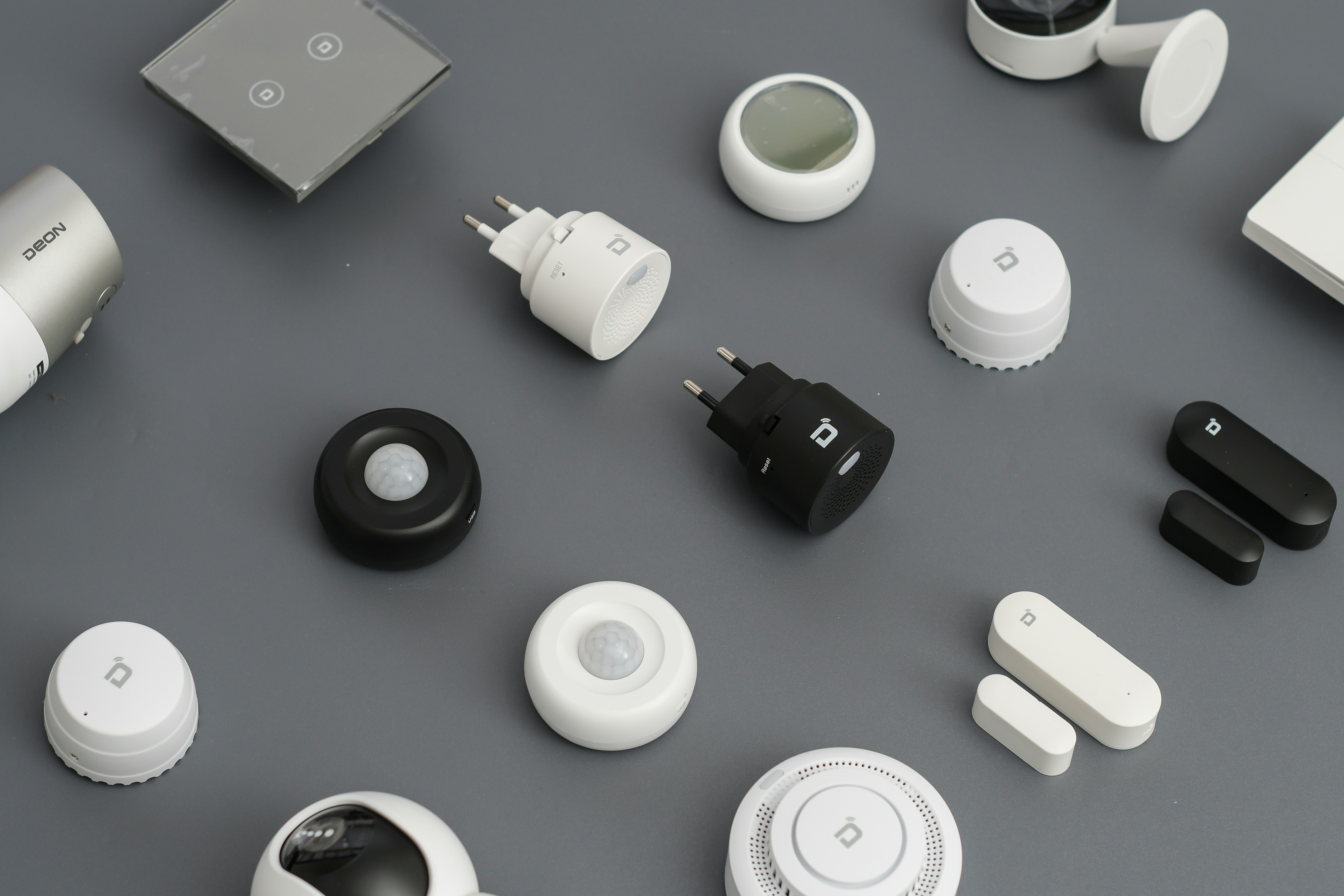
Introduction to Modern Home Gadgets
In recent years, the concept of home gadgets has undergone a significant transformation, driven largely by advancements in technology. Modern home gadgets have become integral components of residential living, fundamentally altering the way individuals interact with their environments. These innovations encompass a broad range of devices designed to streamline daily tasks, enhance comfort, and elevate the overall quality of life.
One of the primary benefits of integrating smart home devices into living spaces is the increased convenience they offer. For instance, smart speakers can control various household functions through voice commands, enabling users to adjust lighting, regulate thermostats, or play music effortlessly. This level of automation not only saves time but also facilitates a more comfortable and personalized living experience.
Energy efficiency is another notable advantage associated with modern home gadgets. Many smart devices are designed to optimize energy usage, contributing to reduced utility bills and a lower environmental footprint. Smart thermostats, for example, learn a household’s schedule and adjust heating and cooling accordingly, ensuring that energy is not wasted while maintaining an appropriate comfort level.
Additionally, these devices play a crucial role in enhancing home security. Smart surveillance cameras, doorbell cameras, and alarm systems allow homeowners to monitor their properties remotely, offering peace of mind when away from home. This heightened security capability is invaluable, especially in today’s world where safety is a priority for many families.
In conclusion, modern home gadgets merge convenience, efficiency, and security into daily living, creating environments that are not only comfortable but also smartly managed. As technology continues to evolve, the appeal of integrating these innovative devices into our homes will only grow, paving the way for a more sophisticated future in residential living.
Smart Home Assistants: Your Home’s Control Center
Smart home assistants have transformed the way in which individuals interact with technology in their homes. Devices such as the Amazon Echo and Google Home serve as central hubs for controlling a myriad of smart gadgets, effectively creating an interconnected environment that enhances convenience and efficiency. These assistants utilize advanced voice recognition technology to allow users to manage their homes hands-free, providing a seamless experience that simplifies daily tasks.
Among the core functionalities, voice commands stand out. Users can engage with their smart home assistants by issuing simple verbal instructions, which can range from playing music to adjusting the thermostat. For instance, saying “Alexa, set the living room temperature to 72 degrees” allows for immediate response and control over the home’s climate. Likewise, Google Home can respond to queries about the weather, play specific playlists, or even manage to-do lists, showcasing the multifunctional capabilities of these devices.
Furthermore, smart home assistants facilitate the management of various device types. They are compatible with an extensive range of smart gadgets, including smart lights, locks, thermostats, and appliances. This compatibility means that users can integrate their existing devices into one controllable system, allowing for an organized and central management point for their smart home. For instance, through a voice command, users can easily instruct their assistant to turn off all lights with the phrase “turn off all lights.” This level of integration underscores how smart home assistants become indispensable tools in modern living.
As technology continues to evolve, smart home assistants will only enhance their features and capabilities, ensuring they remain at the forefront of home automation and simplifying users’ lives even further.
Automated Lighting Systems: Illuminate Your Life
Automated lighting systems have revolutionized how we interact with our living spaces. By integrating smart bulbs, dimmers, and motion sensors, these advanced technologies provide unparalleled convenience and energy efficiency. Smart bulbs, for example, are designed to be controlled remotely via a smartphone application or voice-activated assistants, allowing homeowners to adjust lighting levels from anywhere. This feature is particularly beneficial for those moments when you forget to turn off the lights before leaving home.
In addition to convenience, automated lighting solutions offer customizable options tailored to individual preferences. Homeowners can set different lighting scenes for various occasions, such as dimming lights for movie nights or brightening rooms for entertaining guests. This level of control enhances the atmosphere in any space, promoting comfort and relaxation. With programmable schedules, lights can automatically turn on or off at designated times, ensuring that you always return to a well-lit environment.
Energy efficiency is another compelling advantage of automated lighting systems. These technologies are designed to reduce energy consumption significantly, contributing to lower electricity bills and a smaller carbon footprint. Motion sensors further enhance this efficiency by ensuring that lights are only activated when someone is present, minimizing unnecessary energy usage. This functionality not only supports a more sustainable lifestyle but also can improve home security. Automated lighting solutions can be utilized to simulate occupancy by programming lights to turn on and off randomly, deterring potential intruders.
In conclusion, automated lighting systems exemplify the integration of technology into modern living, offering a seamless way to enhance both aesthetic appeal and functionality in our homes. With benefits such as energy savings, enhanced security, and personalized lighting options, these systems are truly illuminating our lives.
Smart Thermostats: Saving Energy Effortlessly
Smart thermostats, such as Nest and Ecobee, have emerged as essential gadgets for modern living, providing significant advantages in energy efficiency and convenience. These advanced devices learn user preferences over time, allowing them to optimize heating and cooling schedules tailored to individual lifestyles. By analyzing patterns in temperature adjustments and occupancy, smart thermostats can make informed decisions about when to heat or cool a home, ensuring that energy is only used when necessary.
One of the key benefits of smart thermostats is their ability to adapt to daily routines. For instance, a smart thermostat can lower the temperature when the household is empty, and gradually raise it before residents return home. This proactive approach not only enhances comfort but also reduces energy expenditure. In fact, many users report noticeable savings on their utility bills after implementing these devices, as they operate more efficiently than traditional thermostats.
Moreover, smart thermostats often feature remote control capabilities via smartphone applications, enabling homeowners to adjust their home’s climate from virtually anywhere. This feature provides added convenience, especially for those with busy schedules or frequent travelers. The ability to monitor and manage energy usage also contributes to a reduced carbon footprint, a significant consideration in today’s environmentally conscious society. By opting for smart thermostats, users can enjoy a more sustainable lifestyle while simultaneously benefiting from cost savings.
As the demand for eco-friendly solutions continues to rise, the adoption of smart thermostats represents a step towards achieving greater energy efficiency in residential settings. In conclusion, these devices offer not just convenience, but a meaningful impact on energy consumption and sustainability, making them an important consideration for those looking to modernize their living spaces.
Home Security Gadgets: Ensuring Peace of Mind
In today’s fast-paced world, home security gadgets have become essential for ensuring the safety of our homes and families. With advancements in technology, various devices are now available that provide enhanced security features, enabling homeowners to monitor their properties with ease and efficiency. Smart cameras, for instance, are a popular choice among homeowners, offering high-definition video feeds that can be accessed remotely via smartphones or tablets. This allows users to monitor real-time activity occurring around their homes, giving them greater peace of mind.
Another significant home security option is alarm systems, which serve as deterrents against potential intruders. Modern alarm systems are equipped with intelligent sensors that detect movements and sounds, sending immediate alerts to homeowners and monitoring services. These systems can often be integrated with other smart devices in the home, allowing for comprehensive surveillance and control. The integration with home assistants, such as Amazon Alexa or Google Assistant, enhances functionality, enabling users to manage their security through simple voice commands.
Furthermore, smart doorbell cameras have gained popularity for their ability to provide a clear view of anyone approaching the front door. These devices not only allow homeowners to see and communicate with visitors via two-way audio but also record video, providing valuable evidence in case of suspicious activities. Many of these doorbell cameras feature motion detection and night vision capabilities, ensuring they operate effectively at all times of the day.
In addition, with real-time alerts sent directly to smartphones, these gadgets allow homeowners to respond quickly to any security threats, regardless of their location. The ability to monitor security remotely empowers residents to take proactive measures to protect their homes, ultimately creating a safer living environment. Investing in such home security gadgets is an investment in safety and peace of mind for families everywhere.
Smart Kitchen Appliances: Cooking Made Easy
In today’s fast-paced world, smart kitchen appliances are revolutionizing the way we prepare meals, making the cooking experience more efficient, convenient, and enjoyable. These innovative gadgets, including smart ovens, refrigerators, and coffee makers, offer advanced technology and seamless connectivity, transforming ordinary kitchens into modern culinary spaces.
Smart ovens, for instance, enable users to control cooking settings remotely through mobile applications. This feature allows cooks to preheat the oven while they are away from the kitchen, ensuring that meal preparation begins as soon as they arrive home. Additionally, many smart ovens come equipped with sensors that monitor cooking progress and can automatically adjust temperatures and cooking times, resulting in perfectly cooked dishes with minimal effort.
Refrigerators have also evolved with the integration of smart technology. Equipped with touch screens and internet connectivity, these appliances can assist in meal planning and grocery shopping. Users can check the contents of their fridge from their smartphones, receive notifications when supplies are low, and even access hundreds of recipes based on available ingredients. This not only minimizes food waste but also enhances the cooking process by providing inspiration at the touch of a button.
Furthermore, smart coffee makers are designed to cater to the needs of the modern coffee enthusiast. They offer programmable settings that allow users to schedule brewing times, customize brew strength, and even integrate with voice assistants for hands-free operation. This ease of use ensures that one can savor a perfect cup of coffee without the hassle of manual preparation.
In conclusion, using smart kitchen appliances significantly streamlines meal preparation and improves cooking efficiency. These devices not only exemplify modern technological advancements but also enhance the overall cooking experience by offering unprecedented convenience and connectivity in the kitchen.
Health and Wellness Gadgets: A Smart Approach to Self-Care
In today’s fast-paced world, maintaining health and wellness at home has become increasingly essential. A range of gadgets has emerged, designed to assist individuals in monitoring their health metrics, leading to better lifestyle choices and cultivating a healthier living environment. Among these, smart scales, fitness trackers, and air purifiers have gained particular prominence.
Smart scales offer more than just weight measurements; they provide insights into body composition, such as body fat percentage and muscle mass. This comprehensive view allows users to track their progress over time, adjusting their health goals accordingly. Many smart scales sync seamlessly with health apps, creating a holistic approach to tracking weight management and overall fitness.
Fitness trackers are another pivotal tool in modern self-care routines. These devices not only count steps but also monitor heart rates, sleep patterns, and even blood oxygen levels. By providing real-time feedback, fitness trackers empower users to make informed decisions about their activity levels and rest periods. This proactive monitoring plays a crucial role in motivating individuals to maintain physical activity and address potential health issues before they escalate.
Air purifiers are instrumental in creating a healthier living environment by filtering out pollutants, allergens, and particulate matter. With increasing concerns regarding air quality, especially in urban settings, these gadgets support respiratory health. Advanced models feature smart connectivity, allowing users to control air quality settings via smartphones, ensuring cleaner air at home effortlessly.
Overall, integrating health-focused gadgets into daily routines can significantly enhance individual well-being. As these devices continue to evolve with technology, they provide invaluable support in achieving and maintaining a healthy lifestyle at home.
Energy Management Gadgets: Monitor and Optimize Your Usage
In today’s world, where environmental sustainability is becoming increasingly important, energy management gadgets play a crucial role in helping consumers monitor and optimize their energy consumption. These innovative devices are designed to provide real-time insights into energy usage, allowing users to track their consumption patterns and make informed decisions about their household energy management.
Energy monitoring devices, such as smart plugs and energy management systems, enable users to identify which appliances are consuming the most power. By connecting these devices to a smartphone app, individuals can receive notifications and alerts about their energy usage. This instant feedback encourages users to adjust their habits, turn off devices when not in use, or even schedule energy-intensive tasks for off-peak hours to take advantage of lower electricity rates.
Moreover, these gadgets contribute significantly to cost savings. By providing insights into energy consumption, homeowners can reduce their electricity bills by pinpointing inefficiencies in their energy use. For instance, large home appliances like refrigerators and HVAC systems can be monitored for their power draw. With this knowledge, users can optimize their operations and replace outdated equipment with energy-efficient alternatives that consume less energy and operate more effectively.
Furthermore, energy management gadgets support sustainability efforts. By monitoring energy consumption, users become more aware of their environmental impact and can strive to reduce their carbon footprint. Many smart energy devices also work in conjunction with renewable energy sources, such as solar panels, facilitating the use of clean energy and encouraging its integration into everyday living. As a result, these gadgets not only promote intelligent energy usage but also foster a more sustainable lifestyle.
Future Trends in Home Gadgets
The landscape of home gadgets is continuously evolving, driven primarily by advancements in technology and a growing emphasis on smart living solutions. As we look toward the future, several key trends are emerging that promise to revolutionize our daily lives. One significant trend is the integration of artificial intelligence (AI) in home devices. AI technologies are increasingly being embedded into gadgets, allowing for enhanced capabilities such as voice recognition, predictive analytics, and personalized experiences. This integration not only streamlines home automation but also enables devices to learn user preferences, leading to improved efficiency and convenience.
Additionally, the Internet of Things (IoT) is playing a crucial role in shaping future home gadgets. As more devices become interconnected, homeowners can manage multiple components through a single platform, often accessible via smartphones. This seamless connectivity fosters a more cohesive and intelligent environment. Emerging technologies in IoT, such as enhanced security systems, automated energy management, and health-monitoring devices, are set to provide users with comprehensive solutions for monitoring and controlling their living spaces.
The concept of smart homes is also evolving; it is no longer limited to just smart speakers or thermostats. Future homes will likely incorporate a wide array of intelligent devices, such as smart appliances, health tech, and energy-efficient systems, all tailored to enhance lifestyle and sustainability. These advancements will not only promote convenience and comfort but also contribute to a more eco-conscious way of living.
In summary, the future of home gadgets is incredibly promising, characterized by the integration of AI and IoT, along with a continuously expanding concept of smart living. As these trends develop, the potential for a more intelligent and responsive home environment becomes increasingly attainable, paving the way for a more sophisticated and enjoyable modern living experience.