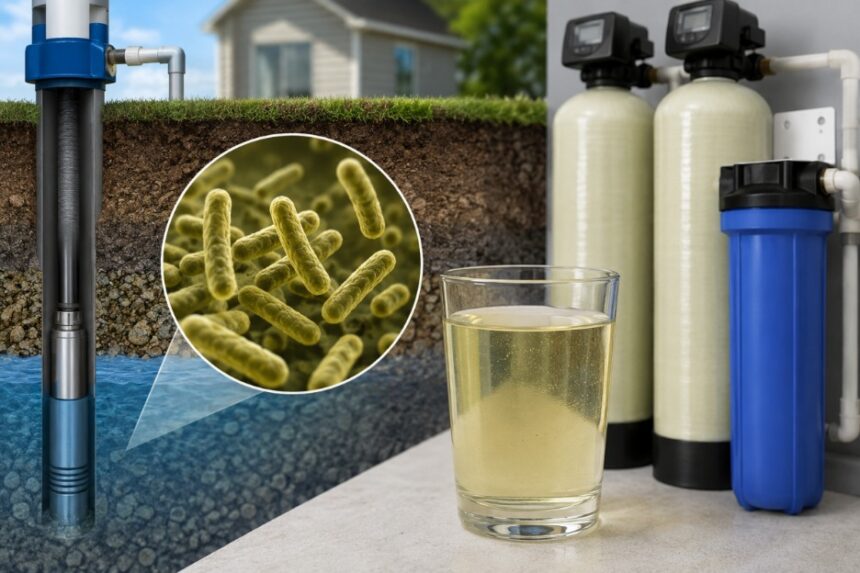
When you have smelly well water that has a rotten egg odour, then chances are that it is due to the sulfur bacteria. Although this smell is unpleasant, it is an indicator that you may need to fix your water system. Knowledge about sulfur bacteria and its treatment can be used to preserve the quality of water in your house and maintain your plumbing pipes.
What is Sulfur Bacteria?
Sulfur bacteria are naturally occurring micro-organisms that proliferate in underground water sources, especially in wells. They are also sulfur-feeders, and as such, they generate hydrogen sulfide gas (H₂S). This is the gas that makes water have the characteristic stench of rotten eggs.
There are two main types:
- Iron oxidizing sulfur bacteria – These bacteria are usually common in wells that contain a lot of iron and might result into the formation of rusty water and deposits of slime inside the pipes.
- Sulfate-reducing bacteria– This is where sulfates in water are converted to the gas hydrogen sulfide, which gives the strong odor.
Evidence of Sulfur Bacteria in Your Well
In addition to the distinct smell, there are other problems that sulfur bacteria can create:
- Colored water– Yellow, brown, or black water can be observed.
- Slime or deposits– A slime can be caused within the pipes, plumbing fittings or even water tanks.
- Corrosion– In the long run, metal pipes and fixtures may be corroded by bacteria and hydrogen sulfide.
- Taste and smell issues– Water may be metallic and bitter-smelling besides being foul to taste.
Health Risks
As a rule, the sulfur bacteria do not pose any danger to human health, but the water is unpleasant to use. Also, they are able to foster the growth of bacteria in pipes, which could promote the growth of other pathogenic organisms when left untreated.
How to Treat Sulfur Bacteria
Sulfur bacteria can be removed or minimized in well water using a number of methods:
- Shock Chlorination– A large dosage of chlorine may be injected into the well and this will kill bacteria and flush the well. This may be the initial step towards treatment.
- Aeration System– In aeration, the water is subjected to the air, which removes hydrogen sulfide gas and enhances taste and odor.
- Activated Carbon Filters– These are applicable to small amounts of sulfur smell, and they have the capacity to absorb hydrogen sulfide once it has gotten into the house.
- Constant Chlorination or Chemical Feeders– Where persistent problems are experienced, low dosage chlorine systems can sustain bacteria at bay.
- Well Maintenance– Cleaning and inspection of the well and pump on a regular basis will prevent the accumulation of bacteria.
When to Call a Professional
When the odor still remains even after treatment or you find that there is slime, corrosion or discoloration in your water, then it is prudent to call a water treatment expert. Experts have an opportunity to check your water, determine the type of bacteria, and prescribe a long-term treatment.
The common issue with sulfur bacteria is the rotten egg smell of well water. Although it is not often dangerous, this is an indicator that your water system might require some maintenance. With the help of recognising the bacteria and proper treatment techniques, you will be able to save on clean odour free water around your home!