

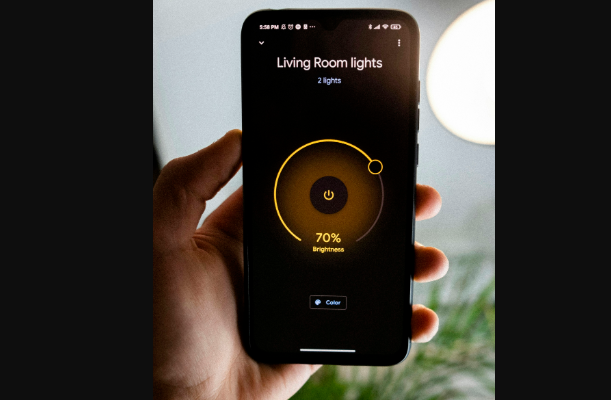
Introduction to Smart Lighting
Smart lighting represents a significant advancement in the realm of home automation. Traditionally, home lighting was primarily managed through manual switches and basic dimmers. However, the evolution of technology has introduced smart lighting systems that allow for enhanced control, convenience, and energy efficiency. Smart lighting encompasses fixtures and bulbs that can be controlled remotely via smartphones, tablets, or voice-activated devices, integrating seamlessly into a broader smart home ecosystem.
Over the past few years, the demand for smart home technology has surged, driven by consumer desire for convenience and enhanced control over their living environments. As an integral component of smart home systems, smart lighting not only improves the aesthetic appeal of modern homes but also contributes to overall energy management. Consumers increasingly appreciate the ability to adjust lighting settings based on activities or preferences, which enhances the overall ambiance and functionality of a space.
The evolution of smart lighting technology includes features such as programmable schedules, adaptive color temperature, and automated dimming, making it possible for users to create customized lighting scenarios. Additionally, smart lighting solutions can be easily integrated with home security systems, affording homeowners the ability to simulate occupancy when they are away. This advancement represents a critical aspect of modern home design, emphasizing the importance of technology in enhancing livability and comfort.
As society continues to embrace smart home innovations, smart lighting serves as a benchmark for various home automation applications. Its capacity to adapt to changes in lifestyle and user preferences highlights the dynamic role of lighting in contemporary living spaces. This shift in lighting systems offers significant potential for energy savings and environmental sustainability, showcasing smart lighting as not just a trend but a transformative component of modern homes.
Benefits of Smart Lighting for Homeowners
Smart lighting systems have emerged as a transformative solution for homeowners, offering a myriad of benefits that encompass energy efficiency, convenience, and improved security. The integration of smart lighting technology allows homeowners to manage their lighting remotely via smartphone apps or voice-activated devices, significantly enhancing daily living.
One of the most significant advantages of smart lighting is energy efficiency. Traditional incandescent bulbs consume much more energy compared to LED smart bulbs, which can save homeowners approximately 75% on lighting costs. A study from the U.S. Department of Energy indicates that smart lighting systems can reduce energy usage by up to 50% over conventional systems, resulting in lower electricity bills. Additionally, many smart lighting solutions allow users to create schedules, ensuring lights are only on when necessary.
Convenience is another key benefit. Smart lighting can be controlled with ease, whether through a mobile device or using voice commands via platforms like Amazon Alexa or Google Assistant. This level of control means that homeowners can adjust the brightness and color of their lighting from any location, creating the right atmosphere for various occasions with minimal effort. For example, arriving home at night can trigger lights to automatically turn on, enhancing comfort and accessibility.
In terms of security, smart lighting systems play a critical role. The ability to program lights to turn on and off at specific times can simulate occupancy when homeowners are away, deterring potential intruders. According to a survey conducted by the American Home Security Association, 52% of homeowners who installed smart lighting reported feeling more secure in their homes. Overall, the benefits of smart lighting extend well beyond convenience, offering practical solutions that enhance everyday living experiences for homeowners.
Integrating Smart Lighting with Home Automation Systems
The integration of smart lighting with home automation systems represents a significant advancement in how homeowners manage their living environments. By connecting smart lighting solutions with broader automation platforms, users can create a harmonious ecosystem that caters to their lifestyle needs while enhancing overall comfort and energy efficiency.
Homeowners can integrate smart lighting into various home automation ecosystems, such as Amazon Alexa, Google Home, or Apple HomeKit. This interconnectedness allows users to control their lighting through simple voice commands or mobile applications, offering a seamless experience. For instance, homeowners can program their lighting systems to adjust automatically based on the time of day or their location, ensuring that lights are only on when needed.
Furthermore, the ability to create routines and scenes using smart lighting adds significant value to home automation. Routines can facilitate automatic light adjustments for specific activities throughout the day, such as dimming lights during movie nights or brightening them for morning routines. Additionally, homeowners can establish scenes that set the mood for different occasions; for example, a “dinner party” scene might involve softer lights in the dining area and warm tones in the living spaces. Such customization not only enhances the ambiance but also supports energy conservation by allowing homeowners to set timers and occupancy sensors.
Moreover, smart lighting can be programmed to work in tandem with other devices, such as thermostats and security systems. When the security system is armed, for example, lights can be set to flash as a warning or turn on automatically at night to give the appearance of an occupied home. In this way, integrating smart lighting with home automation not only augments convenience but also provides increased security and peace of mind for homeowners.
Types of Smart Lighting Solutions
Smart lighting has revolutionized how we illuminate our homes, offering several solutions that enhance functionality and ambiance. Among the most popular options are smart bulbs, smart lighting strips, and smart fixtures. Each type caters to different lighting needs and preferences.
Smart Bulbs are perhaps the most common form of smart lighting. These are LED bulbs that can be controlled via smartphone apps or home automation systems. Smart bulbs offer adjustable brightness, color settings, and scheduling features that allow users to automate their lighting according to their lifestyle. They are suitable for both indoors and outdoors, fitting into standard light sockets, making them a versatile option for any room in the house.
Smart Lighting Strips present another innovative solution, ideal for adding ambience to various areas within a home. These flexible strips are often used to accentuate architectural features, under cabinets, or along walls. Smart lighting strips can be cut to size and typically offer a wide range of colors and effects. They are highly suitable for locations where traditional lighting fixtures may not be practical, providing a seamless integration of light that enhances the overall décor.
Smart Fixtures encompass a range of integrated lighting options, such as ceiling lights and sconces that come with built-in smart technology. These fixtures can provide ambient, task, or accent lighting and often feature advanced capabilities, including motion detection and voice activation. Smart fixtures can serve as a stylish addition to any room while maintaining the advantages of energy efficiency and control available across other smart lighting options.
In summary, the diverse types of smart lighting solutions available today provide numerous advantages, ensuring home environments are not only well-lit but also tailored to individual needs and preferences. By selecting the right type of smart lighting, homeowners can achieve both aesthetic appeal and functional enhancements, contributing to an improved living experience.
Smart Lighting and Energy Efficiency
Smart lighting systems are increasingly recognized for their role in enhancing energy efficiency within modern homes. These systems primarily utilize LED bulbs, which are significantly more efficient than traditional incandescent bulbs. LED technology converts a much higher percentage of energy into light rather than heat, resulting in lower electricity consumption. Furthermore, LED bulbs have a longer lifespan, reducing the frequency of replacements and thereby decreasing waste.
In addition to the inherent advantages of LED technology, smart lighting systems often incorporate features such as adaptive lighting and scheduling. Adaptive lighting allows the illumination level to adjust automatically based on the natural light available in a room. For instance, during the daytime, smart lights can dim in response to the sunlight streaming through windows, ensuring that homes are not over-lit and energy is conserved. This dynamic approach to lighting significantly minimizes excessive energy use while maintaining optimal lighting conditions for residents.
Moreover, scheduling features present within smart lighting systems enable homeowners to program their lighting according to their routines. By setting specific times for lights to turn on or off—such as during leave hours or while sleeping—homeowners can further reduce energy consumption. These systems often allow integration with smart home technologies, enabling centralized control through smartphones or voice-activated devices. As a result, even when away from home, individuals can manage their lighting, ensuring that unnecessary energy expenditure is minimized.
The integration of smart lighting solutions with energy-efficient technology marks a significant step towards sustainable living. By employing advanced features like LED technology alongside adaptive capabilities and scheduling, smart lighting systems make an important contribution towards energy savings in modern households.
Customizing Your Space with Smart Lighting
Smart lighting technology has revolutionized the way homeowners can tailor their living environments to their personal preferences and needs. This innovation provides a flexible lighting solution that goes beyond traditional fixtures, incorporating features that enhance both aesthetics and functionality.
One of the standout benefits of smart lighting is the ability to choose from a wide array of color options. Homeowners can select specific hues to match their decor or create an atmosphere suited for different activities. Whether one desires a warm, inviting glow for family gatherings or a cool, energizing light for productivity, smart lighting allows for easy adjustments to achieve desired results.
Furthermore, the dimming capabilities of smart lighting play a critical role in customizing home environments. Unlike standard bulbs, which offer a fixed brightness, smart lights can be seamlessly dimmed or brightened to suit various occasions. Dimming not only conserves energy but also contributes to creating a more intimate space, enhancing the overall ambiance and comfort.
The impact of lighting on mood is well-documented, and smart lighting takes this understanding into account. The ability to alter both color and intensity can influence emotional responses, making it possible for homeowners to cultivate a certain atmosphere that encourages relaxation, focus, or creativity. For instance, soft, warm light can foster a calming environment in a bedroom, while bright, cooler tones can heighten alertness and concentration in a home office.
By integrating smart lighting into their homes, individuals are empowered to create dynamic spaces that reflect personal style and adapt to mood or activity. This technology not only enhances the aesthetic appeal of living areas but also contributes meaningfully to the comfort and enjoyment of daily life.
Enhancing Home Security with Smart Lighting
Smart lighting systems play a pivotal role in enhancing the security of modern homes. By integrating technology with traditional lighting, homeowners can enjoy several innovative features designed specifically to deter intruders and provide peace of mind.
One of the significant benefits of smart lighting is the incorporation of motion sensors. These sensors can detect movement within a specified range and instantly activate the lights, illuminating the area to discourage potential burglars. The sudden brightness can startle intruders, making them think twice before attempting to breach the property. Additionally, the presence of unexpected light is often a reliable deterrent, signaling that the home is occupied and being monitored.
Automated schedules are another essential feature of smart lighting systems. Homeowners can customize lighting schedules to simulate occupancy by programming lights to turn on and off at various times throughout the day or night. Such routines create an illusion of activity within the home, which can further reinforce security. For instance, during vacations or extended absences, programmed lighting can help reduce the likelihood of a break-in by giving the impression that residents are still home.
Remote access capabilities are equally critical in ensuring comprehensive security. Most smart lighting solutions can be controlled via mobile applications, allowing homeowners to manage their lights from anywhere. Whether it’s adjusting the brightness levels or activating the motion sensors remotely, users have the flexibility to respond promptly to any unusual circumstances. This feature is particularly beneficial for monitoring homes while traveling, as homeowners can activate lights to create the illusion of presence when away.
In conclusion, integrating smart lighting into a home not only enhances aesthetic appeal but also significantly improves security. Through features like motion sensors, automated schedules, and remote access, homeowners can protect their property more effectively and enjoy greater peace of mind.
Challenges and Considerations When Choosing Smart Lighting
The transition to smart lighting presents several challenges and considerations for homeowners looking to enhance their living spaces with modern technology. One primary issue is compatibility. Many existing fixtures and wiring systems may not support the latest smart lighting products, making it crucial to evaluate the current infrastructure before making a purchase. Homeowners should check for compatibility with their smart home ecosystems, such as Amazon Alexa, Google Assistant, or Apple HomeKit, to ensure seamless integration.
Another significant factor to consider is the initial cost associated with smart lighting. While prices have decreased over the years, investing in smart bulbs, switches, or complete systems can still be substantial. Smart lighting can often be more expensive than traditional bulbs, which may discourage some homeowners from making the switch. To address this barrier, it is advisable to start with a few key areas in the home, gradually expanding the smart lighting system. This phased approach allows users to spread out costs while still enjoying the benefits of energy-saving and customizable lighting solutions.
Lastly, there’s a technology learning curve that accompanies smart lighting. Depending on the system chosen, homeowners may need some time to familiarize themselves with apps, voice control, and automation features. For those less comfortable with technology, this can feel overwhelming. To mitigate this, manufacturers typically offer online tutorials, user manuals, and support communities that can simplify the learning process. Additionally, considering systems with intuitive interfaces can greatly enhance user experience and reduce frustration.
Conclusion: The Future of Smart Lighting in Homes
The landscape of home lighting is undergoing a significant transformation, driven largely by advancements in smart lighting technology. As our homes become increasingly integrated with digital solutions, smart lighting emerges as a pivotal aspect of this evolution, promising enhanced functionality and control that were previously unattainable.
Innovations in smart lighting are being propelled by technologies like the Internet of Things (IoT), artificial intelligence, and machine learning. These advancements enable lighting systems to adapt to users’ preferences, mood, and even their schedules. For instance, smart lights can automatically adjust brightness and color temperature throughout the day, providing optimal illumination that aligns with natural circadian rhythms. This not only improves comfort but also promotes energy efficiency, making smart lighting an environmentally conscious choice.
Future developments within this domain are expected to broaden the scope of smart lighting applications. We can anticipate enhancements such as improved interoperability among devices, enabling seamless integration between lighting and other smart home systems. Additionally, advancements in sensor technology may lead to smarter environments where lighting adjusts intuitively based on occupancy and activity in real-time.
As manufacturers continue to innovate, the cost barriers associated with smart lighting solutions are likely to diminish, making these systems more accessible to the average homeowner. Moreover, as user experiences with smart lighting become more sophisticated, the demand for such technologies is projected to rise. This shift will not only enhance the functionality of modern homes but also redefine the relationship occupants have with their living spaces.
In conclusion, the trajectory of smart lighting suggests a future where homes are not only more illuminated but also intuitively responsive to the needs of their inhabitants. As ongoing innovations continue to shape this industry, the transformative potential of smart lighting will further establish its place within modern residential design.