

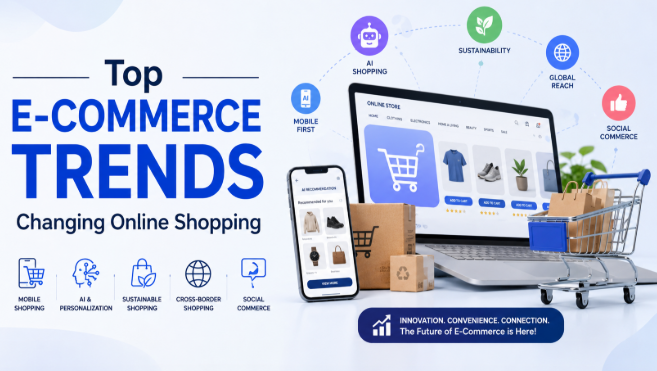
Introduction to E-Commerce Trends
The realm of e-commerce is undergoing a profound transformation, primarily driven by the rapid evolution of consumer behavior and advancements in technology. As purchasing around the globe shifts increasingly from traditional retail to online platforms, understanding e-commerce trends becomes imperative for both businesses and consumers. These fluctuations in the online shopping landscape are not merely incidental; they are significant indicators of where the market is heading and how businesses should adapt to meet evolving consumer needs.
Modern consumers are more informed and tech-savvy than ever before, which means their expectations around e-commerce experiences are evolving rapidly. For instance, consumers now look for personalized shopping experiences, seamless payment options, and fast delivery services. This raises the bar for e-commerce companies and challenges them to innovate continuously to retain customer loyalty. The importance of being aware of these trends cannot be overstated, as businesses must anticipate consumer behavior patterns to stay competitive.
Furthermore, technology is revolutionizing how transactions occur online. The emergence of artificial intelligence, augmented reality, and big data analytics has not only optimized e-commerce operations but has also enhanced user experiences. These tools enable businesses to analyze customer data effectively, thereby tailoring their offerings to fit the changing demands of the market. As we delve deeper into this discussion, it becomes evident that the integration of these e-commerce trends will shape the future of online shopping and redefine how businesses operate.
Rise of Mobile Commerce
In recent years, mobile commerce, or m-commerce, has significantly transformed the e-commerce landscape. With the proliferation of smartphones and tablets, consumers increasingly prefer shopping through their mobile devices rather than traditional websites. A recent statistic indicates that mobile devices now account for over 70% of global e-commerce sales, highlighting the urgency for businesses to adapt their strategies accordingly.
The convenience and accessibility of mobile shopping are key factors driving this trend. Mobile devices enable users to shop on the go, allowing for spontaneous purchases influenced by social media, advertisements, or peer recommendations. Furthermore, advancements in mobile technology have facilitated seamless shopping experiences through optimized apps, mobile-friendly websites, and secure payment options, which has further encouraged consumer participation in m-commerce.
Another contributing factor is the increasing reliance on mobile wallets and one-click payment solutions that enhance transaction efficiency. Consumers are more willing to engage in mobile commerce when the checkout process is quick and straightforward. This has led to a rise in platforms offering integrated payment solutions that simplify the purchasing journey, thereby reducing cart abandonment rates.
For businesses looking to capitalize on the rise of mobile commerce, optimizing mobile platforms is crucial. This entails developing responsive websites and apps that provide an intuitive and user-friendly experience. Additionally, it is beneficial for retailers to invest in mobile-specific marketing strategies, such as location-based promotions, to engage users more effectively. As mobile commerce continues to expand, companies that prioritize these aspects will likely enjoy a competitive advantage in the evolving e-commerce landscape.
Personalization and Customer Experience
In recent years, personalization has emerged as a dominant trend in the realm of e-commerce. Businesses are leveraging data analytics to create tailored shopping experiences for individual customers, thus enhancing both satisfaction and loyalty. By analyzing user data, such as browsing habits, purchase history, and demographic information, companies can offer customized product recommendations, targeted promotions, and personalized communication strategies.
For instance, retailers like Amazon and Netflix are exemplary cases of effective personalization. Amazon utilizes sophisticated algorithms to analyze a user’s past purchases and browsing trends to suggest relevant products, thereby increasing the likelihood of conversions. Similarly, Netflix’s content recommendations are driven by user preferences, which not only improves the viewing experience but also increases viewer retention and satisfaction.
Additionally, personalized email marketing is another essential tactic employed by e-commerce businesses. A study indicated that personalized emails had a significantly higher open rate compared to non-personalized ones. By including customers’ names and tailored product suggestions, businesses can foster a sense of connection, making customers feel valued and understood.
Furthermore, the implementation of chatbots powered by artificial intelligence presents another avenue for personalized customer engagement. These tools can interact with consumers in real time, answering queries and providing tailored product suggestions based on previous interactions, leading to improved customer service and overall satisfaction.
Ultimately, personalization not only enhances the shopping experience but also plays a critical role in fostering long-term relationships between brands and consumers. As e-commerce continues to evolve, businesses that prioritize personalized marketing strategies stand to gain a competitive advantage by meeting the specific needs and preferences of their customers.
Social Commerce and Influencer Marketing
In recent years, social commerce has emerged as a pivotal component of e-commerce, fundamentally transforming the way consumers engage with brands and make purchasing decisions. Social media platforms, such as Instagram, Facebook, and TikTok, are no longer just spaces for social interaction; they have evolved into significant sales channels. This shift has led brands to rethink their marketing strategies, integrating social commerce to reach potential customers more effectively.
Influencer marketing plays a crucial role in this landscape. By leveraging the trust and authenticity associated with influencers, brands can seamlessly promote their products to targeted audiences. Influencers, who often have dedicated followings, serve as a bridge between brands and consumers. When an influencer shares a product they genuinely endorse, it resonates with their audience, leading to increased consumer engagement and, ultimately, higher conversion rates. Studies indicate that shoppers are more likely to make purchases based on recommendations from influencers than traditional advertising, showcasing the power of authentic endorsements.
Successful examples of social commerce can be observed across various industries. For instance, fashion brands have utilized platforms like Instagram to showcase their collections through visually appealing posts and stories, prompting users to shop directly from these platforms. Similarly, beauty brands engage with their audiences via tutorials and live sessions, demonstrating products in real-time, which enhances the shopping experience. Additionally, TikTok has introduced shopping features allowing brands to create shoppable videos, driving higher engagement and facilitating impulse buying.
As social media continues to evolve, the integration of social commerce and influencer marketing will increasingly shape the e-commerce landscape. Brands that capitalize on these trends can expect to enhance their visibility and foster deeper connections with consumers, making social commerce not just a trend, but a fundamental strategy for growth in the digital marketplace.
Sustainability and Ethical Shopping
In recent years, there has been a notable shift in consumer preferences towards sustainability and ethically made products. This shift is largely driven by heightened awareness of environmental issues and the social implications of production processes. As customers increasingly demand transparency in the supply chain, brands are compelled to demonstrate their commitment to sustainability. In fact, surveys show that a significant percentage of consumers consider the ethical sourcing of materials before making a purchase.
Brands are adapting their product offerings to incorporate sustainable practices, which include using eco-friendly materials, reducing waste, and ensuring fair labor practices throughout their supply chains. This involves adopting circular economy principles, where products are designed to be reused, refurbished, or recycled. Consequently, brands that prioritize sustainability not only attract eco-conscious shoppers but also enhance their market positioning against competitors.
Moreover, the marketing strategies of these brands are evolving. Businesses are leveraging storytelling to communicate their sustainable practices and social initiatives, thus connecting with consumers on a more meaningful level. Campaigns focused on authenticity and social responsibility resonate well with today’s consumers, who prefer to purchase from brands that align with their values. Consequently, companies are increasingly showcasing certifications and partnerships with environmental organizations as part of their branding efforts.
In summary, the rise of sustainability and ethical shopping reflects a broader trend where consumers are willing to support brands that contribute positively to society and the environment. As this trend continues to reshape the landscape of e-commerce, it is becoming essential for brands to not only adopt sustainable practices but also transparently communicate these efforts to their customers. This alignment of values is crucial for fostering loyalty and driving sales in the modern marketplace.
Subscription Services and Membership Models
Subscription services and membership models have gained significant traction in the e-commerce landscape, revolutionizing the way consumers engage with brands and products. These models have proven particularly effective in creating strong customer loyalty and ensuring consistent revenue streams for businesses. By offering customers an opportunity to subscribe to a product or service, companies can cultivate a dedicated client base, enhancing the overall shopping experience.
The core advantage of subscription models lies in their ability to generate predictable income. Businesses benefit from a steady cash flow, allowing for better planning and resource allocation. This model eliminates the uncertainty associated with traditional retail, where sales can fluctuate dramatically. Many companies report that subscriptions enhance lifetime customer value, as subscribers are often more likely to remain loyal to a brand over time.
Numerous successful examples illustrate the potential of subscription services. Companies like Dollar Shave Club and Birchbox have disrupted their respective industries by offering curated products delivered consistently to consumers’ doorsteps. These brands not only provide convenience but also create anticipation and excitement around their offerings, further solidifying customer allegiance. Similarly, streaming services such as Netflix have transformed content consumption, exemplifying how subscriptions can provide ongoing value and a personalized experience.
Moreover, subscription models can foster a sense of community among members, enhancing customer engagement. Many brands integrate exclusive content, early access to products, or members-only deals to incentivize subscriptions, further strengthening the bond between company and consumer. This symbiotic relationship benefits both parties by enhancing customer satisfaction and driving sustainable growth for businesses. Overall, the rise of subscription services represents a pivotal shift in the e-commerce sector that continues to shape consumer behavior and expectations.
Augmented Reality (AR) and Virtual Reality (VR) in Shopping
The integration of Augmented Reality (AR) and Virtual Reality (VR) technologies is revolutionizing the online shopping landscape. These immersive technologies provide shoppers with a more engaging and interactive experience, transforming how consumers visualize products before making a purchase. AR overlays digital information onto the real world, while VR creates a completely digital environment, allowing customers to explore products in ways that were previously unimaginable.
One of the primary advantages of AR in e-commerce is its ability to facilitate product visualization. For instance, major retailers, including IKEA and Sephora, have adopted AR applications that let customers visualize how furniture would look in their homes or how cosmetics would appear on their skin. By enabling users to see products in a real-world context, AR helps eliminate uncertainty and enhances customer confidence in their purchasing decisions.
On the other hand, VR technology offers a more comprehensive shopping experience by immersing users in a virtual store environment. Customers can navigate these virtual spaces, interact with various products, and even attend virtual fashion shows. For example, the online retailer Alibaba has successfully implemented VR shopping events where customers can browse and purchase items as if they were in a physical store. Such innovations not only captivate users but also increase engagement and conversion rates.
Additionally, the integration of AR and VR extends beyond mere visualization; it enhances consumer engagement through immersive storytelling and personalized experiences. As customers interact with products in this digital realm, brands can curate tailored recommendations based on their preferences and behavior. This personalized touch fosters a deeper connection between consumers and their favorite brands, ultimately enhancing customer loyalty and satisfaction.
Voice Commerce and Smart Devices
In recent years, voice commerce has emerged as a pivotal trend reshaping the landscape of online shopping. This shift is largely attributed to the widespread adoption of smart devices, such as voice-activated assistants and smart speakers like Amazon Echo and Google Home. Consumers are increasingly inclined to utilize their voices for shopping tasks, from searching for products to making purchases. This transition not only simplifies the shopping experience but also introduces a level of convenience and speed that was previously unattainable.
The integration of voice technology into e-commerce signifies a notable change in consumer behavior. Shoppers are now able to interact with online retailers without the need for visual screens or manual inputs. This hands-free shopping allows for multitasking, making it possible to add items to a shopping cart, check prices, and even finalize purchases while engaged in other activities. As a result, e-commerce businesses must recognize the growing influence of voice search on their digital strategies.
To fully harness the potential of voice commerce, e-commerce businesses should prioritize creating voice-optimized shopping experiences. This includes implementing structured data to enhance voice search visibility, ensuring that product information is accessible in a conversational format. Furthermore, brands are tasked with refining their marketing strategies so they can effectively reach consumers who use voice-activated devices, understanding that the keywords used for voice searches may differ significantly from traditional text-based searches.
Moreover, the implications of smart devices extend beyond individual consumer interactions; they also represent an opportunity for broader data collection and insight into consumer preferences and purchasing habits. E-commerce businesses can leverage this data to refine their offerings and marketing approaches, tailoring recommendations to resonate with their users. As technological advancements continue to evolve, adapting to these trends will be crucial for maintaining competitive advantage in the rapidly changing e-commerce environment.
Conclusion and Future of E-Commerce
The landscape of e-commerce is continually evolving, influenced by technological advancements, changing consumer preferences, and the competitive marketplace. The major trends discussed throughout this blog post—such as the rise of mobile commerce, integration of artificial intelligence, personalization strategies, social commerce, and sustainability initiatives—signify a profound transformation in how businesses engage with customers online.
Understanding these trends is paramount for businesses aiming to enhance their market positioning. For instance, the increasing reliance on mobile devices necessitates that companies optimize their websites for mobile users, ensuring a seamless shopping experience. Additionally, the integration of AI-driven tools can streamline operations and personalize customer interactions, leading to heightened satisfaction and loyalty.
Another crucial consideration is the impact of social media on purchasing behavior. Brands must develop a strong presence on platforms where their audience spends time, utilizing social commerce to drive traffic and sales. Furthermore, incorporating sustainable practices, as more consumers prioritize eco-friendly options, can differentiate a business in a crowded marketplace and resonate with conscious shoppers.
Looking ahead, it is clear that e-commerce will continue to adapt and innovate. Businesses that remain flexible and proactive in embracing these trends will be best positioned to thrive. To leverage these changes effectively, companies should invest in research and development, continuous learning, and adopt agile strategies that allow them to pivot as new consumer expectations arise.
In conclusion, the future of e-commerce is bright yet challenging, and by staying attuned to emerging trends, businesses can navigate this dynamic environment, meeting the demands of today’s savvy consumers while preparing for the opportunities and challenges that lie ahead.