

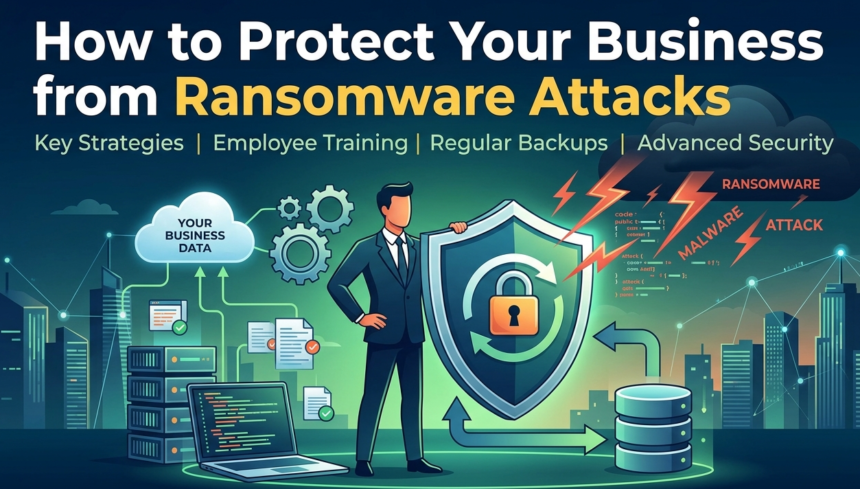
Understanding Ransomware: A Primer
Ransomware is a type of malicious software (malware) designed to block access to a computer system or data until a sum of money is paid. Typically, the target’s files are encrypted, rendering them unusable. Cybercriminals then demand a ransom, often in cryptocurrency, to provide the decryption key. This form of cyber extortion can be significantly damaging to individuals and organizations alike.
The operation of ransomware often begins with a phishing email, which can contain a link or attachment that, when activated, installs the ransomware on the victim’s device. Once the installation is complete, the malware will begin encrypting files, often targeting sensitive documents, images, and databases. Some variants of ransomware also exfiltrate data before encryption, threatening to publish it unless the ransom is paid. This dual threat heightens the stakes for victims and complicates recovery efforts.
Various types of ransomware exist, categorized into families based on their unique characteristics and methods of operation. For instance, crypto-ransomware uses strong encryption algorithms to render files inaccessible, while locker ransomware locks victims out of their devices entirely. Other advanced types, such as double-extortion ransomware, not only demand payment for decrypting files but also threaten to sell the stolen data or expose it publicly. The consequences for businesses falling victim to ransomware attacks can be severe, ranging from operational disruption and data loss to financial strain and damage to reputation.
In a rapidly evolving threat landscape, understanding the mechanisms and types of ransomware is crucial for devising effective countermeasures. Businesses must stay informed about these tactics to better protect their assets and mitigate risks associated with potential attacks.
Recognizing the Threat: Signs of Ransomware Infection
Ransomware attacks pose a significant threat to businesses of all sizes, and early recognition of potential signs of infection is crucial for effective prevention and mitigation. One of the primary indicators of a ransomware infection is the unexpected encryption of files. If users suddenly find that they cannot open certain documents or folders, it may signal that a ransomware variant has infiltrated the system, rendering files inaccessible without the decryption key, often demanded by the attackers.
Another telling sign is the denial of access to files. If employees report being locked out of crucial data or receiving prompts indicating that the files are being held hostage, it is imperative to act swiftly. This denial of access often goes hand-in-hand with the appearance of ransom notes. These messages typically provide instructions on how to pay the ransom and may threaten to delete the data or increase the ransom amount if demands are not met promptly.
In addition to these direct indicators, unusual system behavior can also be a strong signal of a ransomware threat. Businesses may notice slow performance, frequent crashes, or strange error messages when attempting to open or save files. Such abnormalities should raise immediate suspicion and warrant further investigation into the system’s security state. Regular employee training on recognizing these signs can empower staff to report anomalies without delay, significantly reducing the potential impact of a ransomware threat.
By maintaining vigilance and being aware of these critical warning signs, businesses can better protect themselves against the evolving landscape of ransomware attacks. The earlier an infection is recognized, the more effective the response can be, thereby safeguarding sensitive information and reducing potential losses.
Developing a Comprehensive Security Strategy
In an era where ransomware attacks pose significant threats to businesses of all sizes, developing a comprehensive security strategy is imperative. This strategy should begin with thorough risk assessments to identify vulnerabilities within the organization’s infrastructure. By understanding the potential risks, businesses can prioritize areas that need immediate attention. Engaging in a systematic evaluation of assets, data, and network systems will allow organizations to pinpoint critical weaknesses that could be exploited by malicious actors.
Following the risk assessment, defining clear security policies is essential. These policies should not only outline expectations for employee behavior but should also detail the protocols for data protection, incident response, and access control. Regular training sessions for employees can help foster a culture of security awareness, where individuals are equipped to recognize potential threats such as phishing attacks, which often act as entry points for ransomware.
Implementing multiple layers of security is another crucial facet of an effective defense against ransomware. This approach, known as defense in depth, involves combining various protective measures, including firewalls, intrusion detection systems, anti-virus software, and data encryption. Each layer serves as an additional barrier against potential attacks, making it significantly more challenging for cybercriminals to infiltrate the system. Additionally, regular updates and patch management should be instituted to ensure that all software is current and less vulnerable to exploitation.
Furthermore, businesses should consider employing advanced technologies such as artificial intelligence and machine learning to detect unusual patterns of behavior that may indicate a ransomware attack. By proactively monitoring systems, organizations can respond to threats more swiftly and minimize potential damage. A comprehensive security strategy is not merely about technology; it also incorporates processes and people who play vital roles in protecting vital business data.
Implementing Robust Backup Solutions
In the current digital landscape, businesses face significant threats from ransomware attacks, necessitating proactive measures to safeguard their data. One of the most effective ways to protect your organization is through implementing robust backup solutions. Regular backups serve as a critical line of defense, as they enable businesses to restore their essential data without succumbing to ransom demands.
Establishing a systematic backup strategy begins with determining the frequency of backups. Depending on the volume and volatility of your data, you may choose to perform daily or weekly backups. For instance, businesses that handle large amounts of constantly changing information, such as financial transactions or customer data, may benefit from daily backups. On the other hand, stable data can be backed up weekly. It’s essential to ensure that the backup frequency corresponds with the business needs to minimize data loss.
Choosing the right storage location for your backups is another vital consideration. It is advisable to employ a hybrid approach, utilizing both local and cloud-based storage solutions. Local backups provide quick recovery options, while cloud backups ensure that data remains accessible even in the event of physical damage to the primary site. Additionally, maintaining multiple copies of backups in different geographic locations can enhance data security.
Periodic testing of backup recovery processes is crucial to ensure that the data can be restored quickly and effectively. Conducting regular drills will help identify any potential issues in the recovery process and ensure that personnel are familiar with the procedures. By integrating these best practices into your backup strategy, you can significantly reduce the impact of ransomware attacks, keeping your business resilient in the face of such threats.
Employee Training and Awareness Programs
In the contemporary business landscape, the significance of employee training and awareness programs cannot be overstated, especially when it comes to protecting an organization from ransomware attacks. Employees often serve as the first line of defense against cyber threats, making it crucial to equip them with the knowledge and skills necessary to identify and mitigate risks. Comprehensive security training programs can significantly enhance employees’ understanding of cybersecurity and ransomware, thereby reducing the likelihood of breaches.
One of the primary components of effective training is educating employees on recognizing phishing attempts, which are a common precursor to ransomware attacks. Phishing is a method through which cybercriminals deceive individuals into disclosing sensitive information or downloading malicious software. Training should include real-world examples of phishing emails, highlighting indicators such as suspicious sender addresses, poor grammar, and urgent requests for information. This hands-on approach facilitates a better understanding and enables employees to spot potential threats.
Additionally, fostering a culture of security within the organization is essential for sustaining long-term commitment to cybersecurity practices. This involves encouraging open communication about security policies, providing ongoing education, and emphasizing the importance of reporting suspicious activities without fear of repercussions. When employees understand their role in the cybersecurity framework, they tend to take proactive measures in safeguarding their work environment. Regularly scheduled refresher courses and updates on the latest ransomware tactics can further enhance their awareness.
In conclusion, employee training and awareness programs are pivotal in fortifying an organization’s defenses against ransomware attacks. By investing in the continuous education of staff, businesses can cultivate a workforce that is not only informed but also vigilant against potential cyber threats.
Using Advanced Security Technologies
As ransomware attacks continue to evolve, it becomes increasingly important for businesses to deploy robust security technologies to fortify their defenses. The implementation of advanced security measures can significantly diminish the likelihood of a successful attack. One of the primary components of a comprehensive security strategy is endpoint protection. This involves utilizing antivirus and anti-malware solutions that offer real-time protection against threats, including ransomware. These tools can help detect and neutralize malicious files before they can cause harm.
Alongside endpoint protection, firewalls serve as a crucial barrier between a company’s internal network and potential external threats. Configuring firewalls to enforce strict access controls can prevent unauthorized data access and diminish risks from ransomware attacks. Next-generation firewalls offer enhanced features such as intrusion prevention systems (IPS) and application awareness to further safeguard sensitive information.
Intrusion detection systems (IDS) are essential tools that provide continuous monitoring of network traffic to detect suspicious activity. These systems can identify unusual patterns that may indicate a ransomware attack is in progress, enabling timely responses to mitigate damage. Coupling IDS with intrusion prevention solutions (IPS) can automate response actions, enhancing protection against imminent threats.
Data encryption is yet another powerful measure businesses can adopt to protect sensitive information. By encrypting critical files and databases, organizations can ensure that even if data is compromised during an attack, it remains inaccessible to unauthorized users. Regular, automated backups also play a pivotal role in defense strategies; backing up data frequently ensures that businesses can restore their files to a point before the ransomware intrusion, minimizing downtime and losses.
Lastly, fostering a security-aware culture within the organization is vital. Regular training for employees on recognizing phishing attempts and understanding safe online practices can greatly reduce the chances of ransomware infections. By integrating these advanced security technologies with a proactive security mindset, businesses can significantly enhance their resilience against ransomware threats.
Incident Response Plan: Preparation and Action
In today’s digital landscape, businesses face an increasing threat from ransomware attacks, making it essential to establish a robust incident response plan. This plan should specifically focus on the procedures and actions to take once a ransomware attack is detected. An effective response strategy can significantly mitigate damage, restore operations, and protect sensitive data.
The first step following the detection of a ransomware attack is containment. This involves immediately isolating infected systems from the network to prevent the malware from spreading further. Businesses should implement automatic alerts that can signal when an unusual file encryption activity occurs, allowing for rapid response. Disconnecting affected devices from the internet and internal networks is crucial to halting additional breaches.
After containment, the next phase is remediation. This step includes assessing the full extent of the attack, identifying the type of ransomware involved, and determining the compromised data. Conducting a thorough forensic analysis is vital to understand how the breach occurred. Businesses should have regular backups of their data, enabling restoration without capitulating to ransom demands. If feasible, organizations may also engage cybersecurity professionals who specialize in ransomware recovery to assist with the remediation process.
Effective communication strategy is equally important in the wake of a ransomware attack. Clear and transparent communication ensures all stakeholders, including employees and, potentially, customers, are informed about the situation. This could involve creating a communication plan detailing whom to inform, when to inform them, and what information to disclose. Minimizing panic and misinformation is crucial in maintaining trust and confidence in the business during such crises.
In summary, having a comprehensive incident response plan tailored for ransomware attacks is vital for protecting its integrity and mitigating risk. By preparing in advance, businesses not only respond effectively to attacks but also bolster their overall cybersecurity posture.
Legal and Regulatory Considerations
As ransomware attacks become increasingly prevalent, businesses must recognize the legal and regulatory implications that accompany such incidents. Adhering to various laws and regulations is essential to mitigate risks and ensure compliance. One pertinent aspect of these regulations is the requirement for data breach notifications, which dictate how organizations must respond in the event of a ransomware attack that compromises personal or sensitive data.
Depending on the jurisdiction, companies may be obligated to inform affected individuals and relevant authorities about a data breach. For instance, under the General Data Protection Regulation (GDPR), organizations that process the personal data of European Union residents are required to report breaches within 72 hours. Failure to notify can result in substantial fines, placing an additional incentive on businesses to establish comprehensive incident response plans that include not only technical measures but also legal ones.
Moreover, different regions have their own laws governing data protection and breach notification requirements. Organizations operating across international borders must navigate the complexities of multiple regulations, including the Health Insurance Portability and Accountability Act (HIPAA) for healthcare-related data in the United States. Understanding the legal landscape is crucial for businesses to adequately respond to ransomware attacks and fulfill their obligations under the law.
Due to the intricacies involved, seeking legal counsel is often advisable when dealing with ransomware incidents. Legal professionals can provide guidance on compliance obligations, assist in navigating regulatory requirements, and help develop a robust response strategy. By integrating legal considerations into their cybersecurity framework, businesses can protect themselves against the ramifications of ransomware attacks and ensure adherence to applicable laws.
Staying Informed: Following Threat Trends
In today’s digital landscape, the threat of ransomware attacks looms large over organizations of all sizes. To effectively mitigate these risks, it is essential for businesses to stay informed about the latest trends in ransomware threats. Cybercriminals are constantly evolving their tactics, making it crucial to monitor developments in this rapidly changing environment.
Businesses can leverage a variety of resources to keep abreast of emerging threats. Industry groups such as the Information Systems Security Association (ISSA) and the Cyber Threat Alliance (CTA) provide valuable insights into ongoing ransomware trends and techniques used by attackers. These organizations often share threat intelligence reports, best practices, and guidelines that can help companies prepare and respond timely and effectively.
Moreover, subscribing to cybersecurity publications and newsletters is a proactive way to remain updated. Sources like the Cybersecurity & Infrastructure Security Agency (CISA) and industry-specific blogs furnish readers with actionable information on potential vulnerabilities and the latest ransomware incidents. Engaging with these platforms enables organizations to cultivate a proactive cybersecurity culture.
Another effective method to stay informed is through participation in webinars, conferences, and workshops that focus on cybersecurity topics. Such events not only enhance knowledge but also provide networking opportunities with other professionals in the field who can share valuable experiences and strategies regarding ransomware protection.
Additionally, utilizing information-sharing platforms, such as the Ransomware Task Force (RTF), aids in collaborative learning among businesses facing similar challenges. Joining local security groups that facilitate discussions on threats can further enhance an organization’s response capabilities.
In conclusion, maintaining awareness of the latest ransomware threats and trends is pivotal for any business committed to safeguarding its operations. By utilizing the aforementioned resources and platforms, organizations can significantly bolster their defenses against ransomware attacks and enhance overall cybersecurity posture.