

Introduction to Emergency Funds
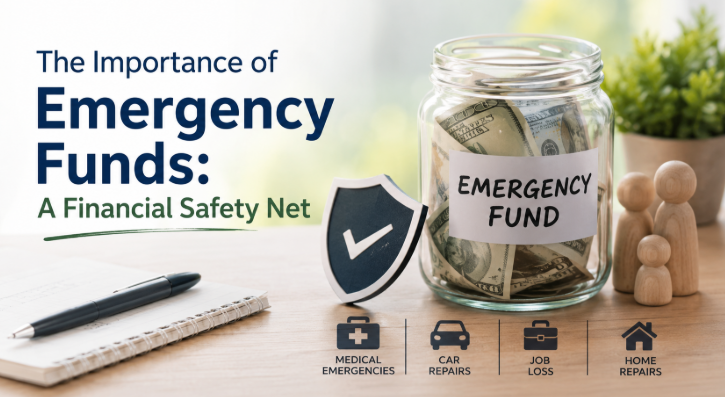
An emergency fund is a financial safety net designed to provide individuals with a buffer against unexpected expenses, such as medical emergencies, job loss, or major repairs. The primary purpose of an emergency fund is to ensure that individuals can address these unforeseen events without resorting to high-interest debt or altering long-term financial goals. By prioritizing savings specifically for emergencies, individuals can reduce financial stress and achieve greater peace of mind.
The significance of emergency funds in personal finance cannot be overstated. Many financial experts recommend saving three to six months’ worth of living expenses in an easily accessible account. This serves not only as a means to cover immediate costs but also helps individuals avoid the temptation of depleting retirement accounts or incurring costly loans during crises. Instead, an emergency fund provides a dedicated source of funds when life takes unexpected turns.
Creating and maintaining an emergency fund is a foundational step in building a secure financial future. It allows individuals to handle emergencies with confidence, ultimately facilitating a more manageable approach to financial challenges. Financial stability is closely tied to one’s ability to navigate the unpredictable nature of life, and an emergency fund is a critical tool that empowers individuals to do just that. In today’s volatile economy, the importance of having a designated fund to address emergencies has become increasingly apparent, making it a key consideration in anyone’s financial planning strategy.
Why Every Individual Needs an Emergency Fund
In today’s unpredictable economic landscape, having an emergency fund is not merely a luxury; it is a necessity for every individual seeking financial stability. An emergency fund acts as a safety net, offering peace of mind in times of unexpected financial crisis. Whether it’s an unforeseen medical expense, a job loss, or urgent home repairs, an emergency fund provides the necessary financial cushion to manage these unforeseen events without incurring additional stress.
One of the primary benefits of maintaining an emergency fund is the enhanced financial security it offers. By setting aside a specific amount of money, individuals can ensure they are prepared for emergencies instead of resorting to high-interest loans or credit cards that can exacerbate their financial difficulties. In situations where funds are required quickly, an emergency fund allows individuals to handle expenses without incurring debt, thus safeguarding their long-term financial health.
Furthermore, an emergency fund has the potential to prevent the cascade of negative consequences that arise from financial strain. Without this buffer, individuals may face a slippery slope into severe financial hardship, which can lead to a deteriorating credit score and increased stress. By ensuring ready access to cash reserves, individuals are sheltered from the cycle of debt and financial instability. Thus, an emergency fund fosters a sense of control over one’s finances and bolsters overall mental well-being.
In summary, having an emergency fund is crucial for achieving and maintaining financial stability. This safety net not only provides individuals with peace of mind but also enhances their financial security by preventing reliance on high-interest loans during crises. Ultimately, setting aside savings for emergencies can significantly improve one’s financial resilience and overall quality of life.
Determining the Ideal Size of Your Emergency Fund
Establishing an emergency fund is essential for financial security, but determining the ideal size of this fund can be challenging. One crucial factor to consider is your monthly living expenses. A common guideline suggests that individuals should aim to save three to six months’ worth of expenses, depending on their unique circumstances. This means if your monthly expenses amount to $3,000, an emergency fund of $9,000 to $18,000 might be advisable.
Additionally, assessing your income stability is vital in this calculation. Those with steady employment may be comfortable with a smaller fund, whereas individuals in precarious job situations or those in industries prone to volatility should opt for a more substantial financial cushion. For instance, contractors or freelancers, who experience fluctuating income, may benefit from a fund equivalent to six to twelve months of expenses.
Your personal circumstances will greatly influence your decision as well. For parents or caregivers, the presence of dependents may necessitate a larger emergency fund to account for potential unforeseen expenses, such as medical costs or sudden loss of income. This added responsibility demands judicious planning and foresight to ensure adequate financial protection.
Moreover, consider your debt obligations. If you carry significant debt, you may wish to allocate part of your emergency savings towards debt repayment while still maintaining a baseline fund to manage unexpected expenses. A diverse financial strategy that balances both savings and debt management leads to greater overall stability against life’s uncertainties.
Ultimately, the size of your emergency fund should reflect a careful assessment of these variables: living expenses, income stability, personal circumstances, and debt levels. Tailoring your fund to your specific needs increases its effectiveness as a protective measure against financial setbacks.
How to Build Your Emergency Fund Effectively
Establishing an effective emergency fund is a crucial step in achieving financial stability. The first step is assessing your expenses to determine how much money you need to save. A common recommendation is to aim for three to six months’ worth of living expenses, which will provide a comfortable cushion in case of unexpected financial crises.
Once you have a target amount, it is important to set realistic savings goals. Break down the total amount into manageable monthly contributions. This approach makes the savings process less daunting and allows for steady progress towards your objective. For example, if your goal is to save $6,000, setting aside $500 a month can make the goal feel more achievable.
Next, consider the type of savings account you will utilize. High-yield savings accounts or money market accounts typically offer better interest rates than traditional savings accounts. This way, your emergency fund can grow while remaining accessible for unforeseen expenses. It is important to ensure that the account is distinct from your regular checking or savings accounts to minimize the temptation to access these funds for non-emergency purposes.
Automating your savings can also be an effective strategy. By scheduling automatic transfers from your checking account to your emergency fund each month, you can ensure consistent contributions without manual intervention. Additionally, make it a habit to review and adjust your contributions to reflect any changes in income or expenses, and consider allocating any bonuses or tax refunds directly to your emergency fund to expedite its growth.
In conclusion, building an emergency fund effectively requires a combination of realistic goal-setting, suitable savings vehicles, and disciplined saving habits. By implementing these strategies, individuals can create a robust financial safety net, providing peace of mind in times of uncertainty.
Common Misconceptions About Emergency Funds
The concept of emergency funds is often surrounded by various misconceptions that can prevent individuals from establishing this financial safety net. One prevalent myth suggests that emergency funds are only necessary for those with high incomes. This idea is fundamentally flawed. In reality, all individuals, regardless of their income level, can experience unexpected financial challenges, such as medical emergencies, job loss, or urgent home repairs. Consequently, having an emergency fund is essential for everyone as it provides a buffer against financial instability.
Another common misconception is that credit cards can serve as a substitute for an emergency fund. While credit cards can offer a source of quick financing during crises, relying on them is risky. Credit card debt can accumulate rapidly due to high-interest rates, leading to a potential cycle of debt that may be difficult to escape. An emergency fund, on the other hand, allows for immediate access to cash without the constraints and pitfalls that come with credit. It empowers individuals to deal with emergencies without incurring additional debt.
Additionally, some may believe that maintaining an emergency fund is unnecessary if they have a stable job and consistent income. This belief underestimates the unpredictability of life; job security can rapidly change due to factors such as economic downturns or company restructuring. An emergency fund acts as a safeguard, providing peace of mind and financial resilience in an uncertain world.
In summary, dispelling these myths is crucial for promoting the importance of emergency funds. By understanding their relevance and necessity, individuals can take proactive steps toward establishing and maintaining their financial safety net, ensuring they are better prepared for unforeseen challenges.
Real-Life Scenarios: When an Emergency Fund Saves the Day
Having an emergency fund is akin to possessing a lifebuoy in turbulent waters; it provides a sense of security and peace of mind during unforeseen circumstances. Consider the story of Sarah, a single mother who suddenly found herself without a job when her company downsized. With her emergency fund, which she had diligently built over time, Sarah was able to cover her bills and essential expenses while she searched for new employment. This financial cushion allowed her to focus on upgrading her skills and attending interviews without the immediate pressure of financial strain.
Similarly, John, a small business owner, faced an unexpected crisis when his storefront suffered severe water damage due to a broken pipe. Thanks to his emergency fund, John could afford to cover the repairs, preventing a prolonged closure of his business. Without adequate savings set aside for emergencies, the damage could have led to significant financial losses, jeopardizing both his livelihood and the jobs of his employees.
An emergency fund also played a pivotal role in the case of Emily, who experienced a sudden medical emergency requiring immediate surgery. With healthcare costs soaring, having savings specifically designated for emergencies allowed her to pay for her procedure without resorting to credit cards or loans. Emily’s experience highlights the importance of financial preparedness; her ability to access funds not only expedited her recovery but also spared her from accumulating debt that could have lingered long after her recovery.
These scenarios underscore the vital role that emergency funds play as a financial safety net. They not only help individuals weather life’s unexpected storms but also promote greater financial stability and resilience. In our ever-changing economic landscape, having an emergency fund can make the difference between navigating life’s challenges smoothly or facing severe financial repercussions.
The Emotional Benefits of Having an Emergency Fund
Financial stability is a key component of overall well-being, impacting both mental and emotional health. One significant aspect that contributes to this stability is the presence of an emergency fund. An emergency fund serves not just as a monetary cushion, but also as an emotional safety net that alleviates feelings of anxiety and stress related to unexpected expenses.
Individuals with a dedicated emergency fund often report lower levels of stress compared to those who live paycheck to paycheck. This reduction in financial worry arises from the knowledge that funds are available to cover unforeseen expenditures, such as medical bills, car repairs, or job loss. Having this safety net provides a sense of control over one’s financial situation, allowing individuals to navigate emergencies with greater confidence.
Moreover, the psychological impacts of an emergency fund extend beyond mere stress reduction. The peace of mind that comes from having financial security enables individuals to focus more effectively on other aspects of their lives, including personal relationships and professional growth. When financial worries are minimized, individuals may find themselves more vibrant in their day-to-day interactions, fostering positive relationships that enrich their emotional landscape.
Furthermore, an emergency fund can empower individuals to make decisions that align with their long-term goals rather than being dictated by immediate financial pressures. It fosters resilience, allowing individuals to approach life’s challenges with a mindset geared toward possibilities instead of limitations. This shift in perspective can be transformative, promoting a more hopeful outlook and enhancing overall life satisfaction.
How to Replenish Your Emergency Fund After Use
Replenishing your emergency fund after it has been depleted is a crucial step in maintaining financial security. An emergency fund acts as a financial safety net, ensuring that you are prepared for unforeseen circumstances such as medical emergencies, job loss, or unexpected repairs. Once you find yourself in a position where you need to draw from this fund, it becomes imperative to set a strategy for replenishing it promptly.
One effective way to replenish your emergency fund is by setting up a dedicated savings account that is separate from your regular checking and savings accounts. This helps in visually tracking your progress and reduces the temptation to use these funds for non-emergency purposes. Establishing a specific savings goal, such as replenishing the fund back to its original amount within a set timeframe, can also provide a clear target to work towards.
It may be beneficial to designate a portion of your monthly income directly to this fund. By creating a budget that incorporates regular contributions, even if they are modest, you can gradually restore your emergency savings without placing excessive strain on your finances. Alternatively, consider automating contributions to your emergency fund with a direct deposit from your paycheck or a recurring transfer from your checking account. This automation can ease the effort of saving and ensure that you consistently prioritize your fund.
Moreover, if you experience unexpected windfalls, such as a tax refund or bonus from work, consider allocating these funds towards your emergency savings. This practice can accelerate your replenishment efforts, bringing your financial safety net back to healthy levels swiftly.
In conclusion, maintaining and replenishing your emergency fund is essential for your overall financial health. Through strategic budgeting, dedicated accounts, automated contributions, and utilizing windfalls, you can effectively restore your financial safety net after it has been accessed.
Conclusion: Making Emergency Funds a Priority
In today’s unpredictable financial landscape, having an emergency fund is an essential component of a sound financial strategy. An emergency fund serves as a financial safety net, shielding individuals and families from unforeseen expenses that could arise from medical emergencies, car repairs, or job loss. By establishing and maintaining this fund, one can mitigate financial stress and enhance peace of mind.
The importance of prioritizing an emergency fund cannot be overstated. It allows individuals to navigate sudden expenses without resorting to high-interest credit options, which can lead to long-term debt. Understanding how much to save for emergencies—typically three to six months’ worth of living expenses—can also help in setting realistic financial goals. Regular contributions to this fund, no matter how small, can accumulate over time, providing a substantial cushion against unexpected financial challenges.
Additionally, the act of creating an emergency fund encourages better budgeting habits and fosters financial discipline; this is vital for long-term stability. By acknowledging the possibility of emergencies and preparing for them, individuals are not only safeguarding their financial future but also positioning themselves to pursue longer-term financial goals with confidence.
In conclusion, making emergency funds a priority is an essential aspect of securing financial health. It is advisable to incorporate the establishment of an emergency fund into any financial plan. The peace of mind that comes from having accessible funds during challenging times cannot be replaced, making it a fundamental element of personal finance management.