

Introduction to Digital Payments
In the contemporary financial landscape, the term digital payments has become increasingly prevalent, reflecting a significant shift from traditional payment methods like cash and checks to electronic transactions. Digital payments encompass a variety of payment methods that use digital technology to facilitate financial exchanges. These can include credit and debit cards, mobile wallets, online banking transfers, and various digital payment platforms. This transformation underscores a fundamental evolution in how consumers and businesses engage with money and commerce.
The emergence of digital payments is primarily driven by advancements in technology, such as the proliferation of smartphones, high-speed internet, and secure transaction protocols. As consumers have increasingly relied on their mobile devices for everyday tasks, the demand for convenient, fast, and secure payment methods has intensified. Additionally, the rise of e-commerce has necessitated the development of digital payment solutions that cater to a more connected, tech-savvy consumer base. Businesses are responding to this demand by adopting digital payment systems that not only enhance their operational efficiency but also improve the overall customer experience.
Moreover, changing consumer behaviors play a significant role in the adoption of digital payments. Younger generations, particularly Millennials and Gen Z, are less accustomed to cash transactions and seek convenient and innovative payment options that offer flexibility. With the average consumer carrying multiple payment options in their devices, the traditional cash economy is gradually being replaced by digital alternatives. This shift is bolstered by the ongoing impact of global events, such as the COVID-19 pandemic, which has accelerated the transition to contactless transactions as safety and hygiene have taken center stage.
Ultimately, the evolution of digital payments is transforming not only how transactions occur but also how businesses operate within the increasingly digital economy, paving the way for a future where electronic payments become the norm.
The Rise of Digital Payment Methods
In recent years, the financial landscape has witnessed a significant transformation with the advent of digital payment methods. These innovative solutions have reshaped how consumers engage in transactions, making payments faster, more secure, and increasingly convenient. Among the various types of digital payment options, mobile wallets, cryptocurrencies, contactless payments, and online bank transfers have emerged as key players.
Mobile wallets, such as Apple Pay and Google Pay, have gained immense popularity by allowing users to store payment information securely on their smartphones. This technology enables quick transactions at retail locations through near-field communication (NFC), eliminating the need to carry cash or cards. Simultaneously, cryptocurrencies like Bitcoin and Ethereum have introduced a decentralized approach to transactions, leveraging blockchain technology to provide transparency and security. Although they are relatively new in the finance world, their popularity is growing, leading to increased acceptance among merchants.
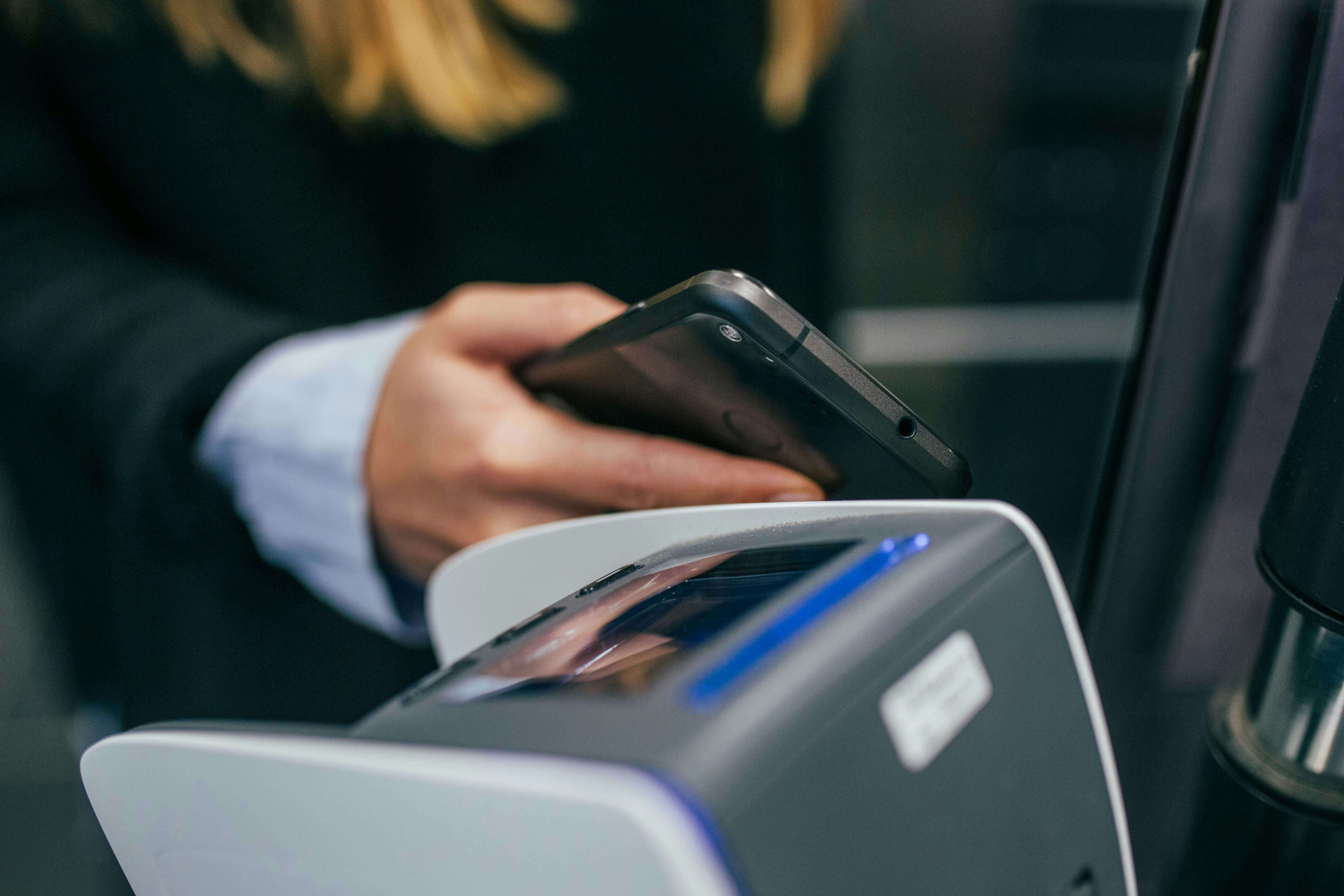
Contactless payments have also redefined the consumer experience by allowing individuals to make payments with a simple tap of their card or device at compatible terminals. This method gained particular traction during the COVID-19 pandemic, as consumers sought safer and more hygienic ways to conduct transactions. Moreover, online bank transfers, facilitated by platforms like PayPal and Venmo, have streamlined the process of sending and receiving money, allowing for instant transactions between users, irrespective of their geographical locations.
The emergence of these digital payment methods is not just a trend but represents a fundamental shift in financial behaviors. Consumers increasingly prefer the speed and convenience of digital transactions over traditional payment systems. As further advancements occur in technology and infrastructure, the overall impact of these payment methods on consumer transactions is expected to accelerate, transforming the way finance operates in the modern world.
Changing Consumer Behavior Through Digital Payments
In recent years, digital payments have profoundly influenced consumer behavior, fundamentally altering the way people conduct transactions. One of the most significant impacts is the enhanced convenience that digital payment methods provide. Consumers can now make purchases with just a few taps on their smartphones, eliminating the need for cash or physical cards. This increased ease of use has encouraged more frequent buying, contributing to the growth of e-commerce as users appreciate the speed and hassle-free nature of online shopping.
Furthermore, the rapid processing times associated with digital transactions have changed consumer expectations. Traditionally, transactions could be wrought with delays, such as waiting for checks to clear or dealing with the physical exchange of cash. With digital payments, such transactions are instantaneous, allowing consumers to receive immediate confirmations and access to their purchased items. This shift towards faster transactions has not only changed how consumers shop but has also encouraged businesses to adapt their payment systems accordingly.
The trend toward cashless transactions has been notably driven by changing consumer preferences, particularly among younger demographics such as millennials and Generation Z. These groups have grown up in a digital era and are far more inclined to use alternative payment methods, including mobile wallets and contactless cards. As a result, businesses are increasingly tailoring their services to meet the demands of these tech-savvy consumers, leading to a decline in cash transactions.
This transformation in payment methods highlights a broader cultural shift, as consumers view digital payments not merely as a convenience but as a preferred lifestyle choice. As this trend continues, understanding the changing dynamics of consumer behavior will be crucial for marketers and businesses alike to thrive in a cashless future.
Advantages of Digital Payments
Digital payments have significantly transformed the landscape of financial transactions, offering a myriad of advantages that benefit both consumers and businesses alike. One of the primary benefits is the speed of transactions. Digital payment systems allow for instantaneous transfers, eliminating the delays that are often associated with traditional banking methods. Whether making a purchase or conducting a business transaction, users can enjoy immediate processing, which enhances the overall experience.
Another critical advantage of digital payments is the enhanced security they provide. With the rise of cyber threats, advanced security measures have been integrated into digital payment platforms, ensuring that sensitive information remains protected. Encryption, tokenization, and biometric authentication are examples of security technologies employed to safeguard transactions. Thus, consumers can confidently engage in online purchases without the fear of fraud, while businesses benefit from reduced liability.
Moreover, digital payment systems facilitate better financial tracking for both individuals and organizations. With detailed transaction data available in real-time, users can monitor their spending patterns and assess their fiscal health. Businesses can leverage this data for accounting purposes, budget planning, and improved financial decision-making. Enhanced visibility into financial activities promotes efficiency and empowers users by enabling them to make informed choices.
Additionally, the implementation of digital payment solutions often leads to reduced operational costs for businesses. By minimizing the need for physical cash handling and the associated resources, organizations can focus on more strategic initiatives. Furthermore, the reduced transaction fees compared to traditional methods add to the cost-effectiveness of digital payments.
In conclusion, the numerous advantages of digital payment systems, including faster transactions, enhanced security, improved financial tracking, and reduced costs, are pivotal in promoting a seamless financial experience for consumers and increasing operational efficiencies for businesses.
Challenges and Risks of Digital Payments
As digital payments continue to gain popularity, it is essential to recognize the accompanying challenges and risks that may arise in this evolving landscape. One of the most pressing issues is cybersecurity threats, which are increasingly prevalent as more transactions shift online. Cybercriminals exploit vulnerabilities in digital payment systems, leading to data breaches, unauthorized access, and theft of sensitive personal and financial information. Organizations must invest in robust security measures to protect both consumer data and their own reputations.
Alongside cybersecurity threats, the prevalence of fraud in digital payments cannot be overlooked. With the anonymity that online transactions can provide, individuals may find themselves victimized by various types of fraud, including identity theft and phishing schemes. Consumers must remain vigilant in their online activities, ensuring they use trusted payment platforms and are aware of common fraud tactics that may target unsuspecting victims.
Moreover, privacy concerns have emerged as a significant challenge in the realm of digital payments. As users engage in online transactions, their data is often collected and analyzed, leading to potential misuse. Striking a balance between convenience and privacy is critical for users who want to protect their information while enjoying the benefits of digital payment solutions.
An additional layer of complexity is introduced by the digital divide, particularly affecting older generations who may struggle to adapt to emerging technologies. Unlike younger individuals who are often more familiar with digital platforms, older users may face challenges related to accessibility and comfort when using mobile or online payment methods. This generational gap could hinder their ability to participate fully in a cashless economy.
In addressing these challenges, it becomes clear that both consumers and service providers must be proactive in safeguarding against potential risks associated with digital payments. A comprehensive understanding of these issues is crucial as we navigate this rapidly changing financial environment.
The Role of Blockchain and Cryptocurrencies
Blockchain technology and cryptocurrencies have emerged as pivotal forces in transforming the digital payments landscape. At its core, blockchain is a decentralized ledger system that offers a transparent and immutable way to record transactions. This characteristic significantly enhances trust among users, as transactions are verified by consensus rather than relying on a central authority. The decentralized nature of blockchain reduces the risks associated with single points of failure and empowers users with greater control over their financial activities.
Cryptocurrencies, powered by blockchain, represent a new paradigm in the realm of digital payments. As they operate independently of traditional banking systems, cryptocurrencies facilitate faster and cheaper cross-border transactions. Users can transfer value across borders without incurring the high fees typically associated with conventional banking methods. Moreover, these digital currencies can act as a hedge against inflation in certain economies, providing more stability for those who opt to use them in their daily transactions.
Despite their advantages, the adoption of blockchain and cryptocurrencies also comes with challenges. Regulatory scrutiny has been a major concern, as governments around the world grapple with how to regulate this emerging technology. The lack of clear regulatory frameworks can hinder widespread acceptance and create uncertainty in the market. Additionally, the volatility commonly associated with cryptocurrencies poses risks to both users and merchants, as price fluctuations can significantly affect the value of transactions.
In conclusion, blockchain technology and cryptocurrencies are reshaping the financial landscape by providing innovative solutions that enhance transparency and decentralization in digital payments. While their advantages are substantial, challenges such as regulatory uncertainty and market volatility must be addressed to fully realize the potential of these technologies in mainstream finance.
Future Trends in Digital Payments
The landscape of digital payments is evolving at an unprecedented pace, driven by technological advancements and changing consumer preferences. One of the most significant trends is the integration of artificial intelligence (AI) within payment systems. AI enhances user experiences through smarter recommendations, fraud detection, and personalized marketing strategies. As machine learning algorithms become more sophisticated, digital payment platforms are expected to provide faster processing times and robust security measures, addressing consumer concerns over data breaches and fraud.
Another trend gaining traction is biometric authentication. As security remains a top priority for consumers and businesses alike, methods such as fingerprint scanning, facial recognition, and voice identification offer a convenient yet secure means to authorize transactions. These biometric solutions not only streamline the payment process but also reduce the reliance on traditional passwords, which can be cumbersome and often vulnerable to theft.
The Internet of Things (IoT) is also set to play a crucial role in the future of digital payments. With IoT devices becoming increasingly prevalent—from smart home systems to wearable technology—payments can be seamlessly integrated into everyday activities. For instance, individuals may soon make purchases directly through their smart appliances or through connected devices, enhancing the convenience and speed of transactions.
Finally, the regulatory landscape surrounding digital payments is undergoing continual change. Governments and financial institutions are increasingly focused on ensuring consumer protection and combating cybercrime. As regulations evolve, they are expected to shape the way digital payments are implemented and managed, influencing everything from compliance requirements to consumer rights.
Case Studies of Successful Digital Payment Implementation
Digital payment solutions have significantly transformed the financial landscape across various sectors and countries. By examining specific case studies, we can gain insightful perspectives on the strategies employed by businesses and nations that have successfully integrated digital payment systems into their operations.
One exemplary case is Sweden, which is often cited as a global leader in the adoption of digital payments. The Swedish government has heavily invested in creating a cashless economy, primarily through the promotion of mobile payment systems like Swish. This platform, initiated by the major banks, allows immediate person-to-person transfers via mobile. The outcome has been remarkable; Sweden saw cash transactions drop to around 1% of the transaction volume by 2020. The lessons learned from Sweden highlight the importance of government support and public confidence in fostering widespread acceptance of digital payment systems.
In the corporate sector, Starbucks has effectively used its mobile app to incorporate digital payments as a critical part of its customer experience. Starbucks’s loyalty program, linked to its app, not only incentivizes purchases but also strengthens customer relationships through tailored marketing and reward systems. The results have been favorable, with reports indicating that the company’s app accounts for over 20% of its U.S. transactions. This case teaches us that integrating digital payments with customer engagement strategies can significantly enhance both user satisfaction and sales.
Furthermore, in emerging economies, countries like Kenya have demonstrated the potential of mobile money services, particularly M-Pesa. This service facilitates financial inclusion for the unbanked population, allowing users to perform transactions via their mobile devices. As of 2023, over 50% of Kenyan households use M-Pesa, showcasing how digital payments can empower individuals and drive economic growth. These varied case studies reinforce the notion that successful digital payment implementation is not solely about technology but also about strategic planning, user education, and addressing the specific needs of populations.
Conclusion: The Future of Finance with Digital Payments
As we have explored throughout this blog post, the ever-evolving landscape of digital payments is fundamentally altering the finance sector. From enhanced transaction efficiency and international accessibility to increased security measures against fraud, the influence of digital payments cannot be overstated. These advancements signify a shift not only in how transactions are executed but also in how businesses and consumers interact with financial institutions.
Digital payment systems are democratizing financial services, allowing individuals and businesses from various socio-economic backgrounds to engage in commerce effectively. With the rise of mobile wallets and peer-to-peer payment platforms, customers now enjoy unprecedented convenience in managing their transactions. Companies that embrace these digital solutions are better positioned to meet the evolving demands of tech-savvy consumers, thereby ensuring sustained growth in a competitive marketplace.
As digital payments integrate seamlessly into daily life, it becomes imperative for businesses to adapt and innovate continuously. Organizations that fail to incorporate these technologies risk obsolescence as customers gravitate towards those that offer streamlined, digital-first services. Moreover, regulatory bodies are also adapting their frameworks to accommodate this technological revolution, which means that compliance and security will remain vital components of any financial strategy moving forward.
The importance of integration and adaptation in this digital era is paramount for survival and success. As we move into an increasingly cashless society, embracing digital payments will not only enhance operational efficiency but also empower a more extensive range of financial activities. In conclusion, the future of finance is undeniably intertwined with the advancements in digital payments, creating opportunities for innovation and growth, while simultaneously prompting new considerations for security and regulation in the financial landscape.