

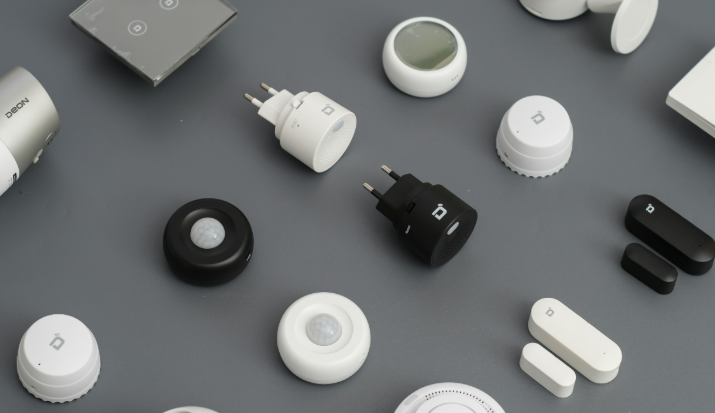
Introduction to Home Automation
Home automation, often referred to as smart home technology, is a rapidly evolving field that integrates advanced technology into residential spaces to enhance convenience, efficiency, and security. Over the past few decades, home automation has transitioned from basic programmable devices to sophisticated systems capable of connecting various technologies and appliances, enabling users to control their environments seamlessly.
The evolution of home automation can be traced back to the introduction of simple programmable thermostats in the late 20th century, which allowed users to set heating schedules. As technology progressed, systems became more complex, incorporating the emergence of the Internet of Things (IoT) in the early 2000s. This development revolutionized the way devices communicate with one another and allowed homeowners to manage multiple functions through a single interface.
As of 2026, the concept of smart homes has solidified its importance in the daily lives of people around the globe. Today’s home automation encompasses a wide range of applications, including energy management, security systems, entertainment, and health monitoring. Homeowners can now monitor their energy use in real-time, control lighting and heating remotely, and receive alerts from their security systems directly to their smartphones.
The increasing integration of technology into daily living reflects the growing demand for convenience, sustainability, and enhanced quality of life. As a result, consumers are actively seeking home automation solutions that not only simplify tasks but also contribute to energy conservation and overall well-being. The ongoing advancements in artificial intelligence, machine learning, and connectivity are paving the way for innovative solutions that will continue to shape the future of home automation.
The Rise of Artificial Intelligence in Home Automation
As we progress into 2026, artificial intelligence (AI) has firmly established itself as a transformational force in home automation. AI technology is no longer a futuristic concept; it is a practical solution that enhances the way we interact with our homes. By leveraging machine learning algorithms, AI enables smart devices to analyze user behaviors and preferences. This personalized approach to home automation significantly improves comfort and utility.
One notable example of AI’s impact on home automation is the emergence of smart assistants, such as Amazon’s Alexa and Google Assistant. These platforms utilize AI to understand natural language, allowing users to control various systems in their homes through simple voice commands. Whether adjusting the thermostat, playing music, or managing lighting, these assistants learn from continuous interactions, refining responses and improving functionality over time.
Moreover, AI plays a critical role in enhancing home security through advanced surveillance systems. For instance, smart cameras equipped with AI can identify familiar faces, differentiate between pets and intruders, and send alerts to homeowners in real-time. These systems not only provide peace of mind but also empower users to take proactive measures against potential threats.
Energy efficiency is another area significantly improved by AI integration in home automation. Smart thermostats, like those produced by Nest and Ecobee, utilize AI algorithms to analyze historical data, occupancy patterns, and weather forecasts to optimize heating and cooling needs. This not only leads to lower energy bills but also contributes to a more sustainable household.
In conclusion, the rise of artificial intelligence in home automation is reshaping how we manage our living spaces. From personalized experiences to enhanced security and improved energy efficiency, AI-driven systems are becoming integral to modern homes in 2026.
Integration of Smart Energy Solutions
The integration of smart energy solutions represents a significant trend in home automation, particularly in 2026. As homeowners grow increasingly aware of their energy consumption patterns and environmental impacts, innovative technologies are being leveraged to create smarter living environments. Solar energy integration has emerged as a key component of this modern approach, with many households opting for solar panels to generate renewable energy. These systems not only reduce electricity bills but also enable homeowners to contribute positively to the environment by decreasing reliance on fossil fuels.
Additionally, smart thermostats are becoming popular tools for energy management. These devices learn user behaviors and preferences, adjusting heating and cooling settings automatically to optimize comfort while minimizing energy usage. By integrating with smart home systems, they can communicate with other devices, providing real-time updates on energy usage and enabling users to control settings remotely via smartphones or voice assistants. This synergy between devices promotes efficiency and helps homeowners make informed decisions about their energy consumption.
Energy monitoring systems are also gaining traction as they offer real-time insights into how much energy a home is consuming at any given moment. Through the use of dedicated apps or web interfaces, users can track the performance of their energy systems and identify areas where savings can be achieved. This level of transparency encourages households to adopt more sustainable practices and empowers them to take charge of their energy management.
Overall, the integration of smart energy solutions presents a transformative opportunity for homeowners aiming to save costs while promoting sustainability. By embracing these advancements, consumers can not only enhance their living standards but also contribute to a greener future.
Voice Activation and Control Systems
As we advance into 2026, voice activation technology continues to redefine the landscape of home automation, simplifying interactions with smart devices and enhancing overall user experience. Voice-controlled systems are now ubiquitous, allowing familiar commands to manage everything from lighting and temperature to security and entertainment systems seamlessly. These advancements are primarily driven by the continued improvements in natural language processing (NLP) and artificial intelligence (AI), making voice assistants more intuitive than ever.
For users of all ages, especially the elderly and disabled, voice activation provides an unprecedented level of accessibility. This technology enables individuals who might find navigating physical controls or touch interfaces challenging to engage with their environment more effectively. By issuing verbal commands, users can control their homes without the need for complex interfaces, which can be particularly beneficial for those with limited mobility or visual impairments.
Moreover, the integration of voice control systems with various smart home devices creates an interconnected ecosystem that enhances the functionality and convenience of users’ homes. For instance, smart speakers act as hubs that control multiple devices through simple commands, allowing users to adjust settings and retrieve information effortlessly. This interconnectedness ensures that users can manage daily tasks, such as adjusting the thermostat or turning off lights, without needing to move from their current location.
Additionally, the expansion of voice assistants into more devices means that their usage is becoming more common in daily routines. This trend is expected to continue as manufacturers embrace the growing demand for voice-activated solutions, leading to the development of more sophisticated systems that are user-friendly and versatile. As these technologies further evolve, they promise to enhance our living spaces by providing greater control and accessibility through the power of voice.
Increased Focus on Home Security Solutions
The landscape of home automation is evolving rapidly, with a noticeable increase in the emphasis on home security solutions. As technology advances, homeowners are seeking sophisticated systems that not only safeguard their property but also ensure peace of mind. This growing demand for advanced home security features has led to the integration of smart cameras, alarm systems, and remote monitoring technologies that are revolutionizing residential safety.
Smart cameras are at the forefront of this trend, offering remarkable functionalities such as high-definition video feeds, night vision capabilities, and motion detection. These cameras can be accessed remotely via smartphone applications, empowering homeowners to monitor their premises in real-time from anywhere in the world. Moreover, many smart camera systems utilize artificial intelligence to differentiate between typical activity and potential security threats, allowing for prompt alerts and responses.
In addition, modern alarm systems have transcended traditional methods. The latest iterations incorporate smart technology, enabling seamless integration with other home automation systems. Homeowners can now control their alarm systems via voice commands or through central control panels, enhancing user experience while boosting security. Furthermore, many of these systems provide alerts and notifications directly to users’ smartphones, ensuring that any unusual activity is immediately brought to their attention.
Remote monitoring technologies represent another significant advancement in home security. These solutions offer homeowners the ability to check in on their properties remotely through live feeds and instant updates. Some systems even provide professional monitoring services, where trained personnel observe live feeds and respond to potential emergencies on behalf of the homeowner. This level of surveillance not only deters crime but also helps in quick intervention during emergencies.
As we move towards 2026, it is evident that the heightened focus on home security will be pivotal. The intersection of automation and security not only enhances the safeguarding of homes but also bolsters the overall value and appeal of residential properties in an increasingly digital landscape.
Seamless Integration of IoT Devices
The Internet of Things (IoT) is playing a pivotal role in reshaping home automation trends by enabling devices to communicate with one another efficiently. As homes become more interconnected, the interoperability between various devices is increasingly critical. Homeowners are now investing in ecosystems where multiple smart gadgets can work in sync, streamlining tasks and enhancing day-to-day living experiences.
With a diverse range of IoT devices available, including smart thermostats, security cameras, and lighting systems, ensuring that these products can seamlessly integrate is paramount. For instance, a homeowner might wish to configure their smart lighting system to automatically adjust based on the security system’s status. This level of integration not only adds convenience but also enhances security and energy efficiency. Thus, various brands are working towards standardizing protocols that facilitate smoother interactions among devices, minimizing compatibility issues.
Central hubs serve as the backbone of the smart home setup, managing multiple IoT devices from a unified platform. Innovations in central hub technology have allowed these devices to become increasingly versatile, supporting a myriad of different brands and protocols. Homeowners benefit from this unified management system, which simplifies the control of their smart environments. By using a single interface—often accessible via smartphones or voice-activated assistants—users can automate settings according to their preferences and routines, eliminating the need for multiple apps or remotes.
As we advance towards 2026, the seamless integration of IoT devices will undoubtedly be a hallmark of home automation trends. The focus will remain on creating cohesive smart homes where interoperability reigns supreme, allowing devices to work together harmoniously, enriching the homeowner’s experience. This trend reflects the broader development of smart technology that prioritizes user-friendly interfaces and exceptional connectivity.
Sustainability and Green Technology Trends
As the world progresses into 2026, the intersection of home automation and sustainability becomes increasingly significant. The advancement of automated systems offers various opportunities for enhancing eco-friendly living and promoting sustainable practices in residential settings. One of the most notable contributions of home automation is the integration of energy-efficient technologies. Smart thermostats, for instance, can learn a household’s behavior patterns to optimize heating and cooling, thereby reducing energy consumption. This technology not only helps in curbing utility bills but also minimizes the environmental impact associated with excessive energy use.
Moreover, home automation plays a pivotal role in water conservation. Automated irrigation systems equipped with weather sensors can determine when to water gardens and lawns, ensuring that water is used judiciously. Such systems are instrumental for homeowners who aim to maintain lush landscapes while being mindful of their water usage, especially in areas prone to drought. Additionally, technologies that monitor water usage in real time help identify leaks, prompting immediate action to conserve this precious resource.
Furthermore, the trend of sustainable building practices is significantly bolstered by home automation. Construction of smart homes increasingly incorporates environmentally responsible materials and energy-efficient appliances. Automation systems can seamlessly manage these smart appliances, ensuring they operate at peak efficiency. Innovations in the field, such as solar panel integration and battery storage systems, are set to redefine energy consumption patterns. By utilizing renewable energy sources and smart grid technology, homeowners will be empowered to not only reduce their carbon footprint but also contribute to overall energy independence.
In summary, the link between home automation and sustainability in 2026 highlights a strategic approach to eco-friendly living. The comprehensive integration of energy-efficient technologies, water conservation measures, and sustainable construction practices collectively pave the way for a greener future in residential spaces.
Enhanced User Interfaces and Experience
The landscape of home automation is rapidly evolving, particularly in the realm of user interfaces designed to improve the overall experience for homeowners. As smart home systems become increasingly complex, the focus on creating simplified and intuitive interfaces is paramount. 2026 is witnessing significant advancements in this area, with technology emphasizing ease of use and accessibility.
Modern home automation apps are being reimagined to prioritize user experience, featuring streamlined designs that allow for effortless navigation. These applications are no longer just about controlling devices; they aim to provide a holistic experience that integrates seamlessly into daily life. Intuitive controls are at the forefront, enabling users to manage their smart home systems with minimal effort. The advent of gesture-based and voice-activated commands is also transforming how individuals interact with their homes, providing a more fluid and engaging way to control devices.
Customization is another key aspect of enhanced user interfaces. Homeowners can now tailor their smart home settings according to personal preferences and routines, significantly increasing the functionality of these systems. This includes setting up custom scenes, automations, and notifications that align with the user’s lifestyle. Moreover, advancements in artificial intelligence are contributing to more adaptive user interfaces. These smart systems analyze user behavior over time to offer personalized recommendations, ensuring a highly optimized home automation experience.
As we look towards the future, the integration of augmented and virtual reality may further redefine how users interact with their smart devices. This innovation is not only expected to enhance user experience but also to provide a more immersive way for individuals to manage and visualize their automated environments. In this rapidly changing technological landscape, prioritizing user experience through improved interfaces is key to making home automation more accessible and enjoyable for everyone.
Conclusion and Future Predictions
As we look towards 2026, the landscape of home automation is being shaped by several key trends that promise to redefine our living environments. Increased integration of artificial intelligence (AI) in smart home devices stands out as a primary driver of innovation. AI enhances the functionality of smart systems, making them not only more intuitive but also highly customizable to individual user preferences. This enriched user experience is indicative of a broader trend towards personalized automation, where systems learn from user behaviors and adapt accordingly.
Another significant trend is the growing emphasis on energy efficiency and sustainable living. Smart sensors and automated energy management systems are making it easier for homeowners to monitor and reduce their energy consumption. These technologies are not only cost-effective but also contribute towards environmental sustainability, an increasingly important factor for homeowners. This pursuit of sustainability is expected to drive the future design and development of home automation systems.
Moreover, the advent of advanced connectivity standards such as Matter is fostering interoperability between devices from different manufacturers. This is vital for creating a seamless smart home ecosystem, as it alleviates the challenges of managing disparate systems. Homeowners can expect greater compatibility, allowing for easier integration and expanded functionality of their smart devices.
In addition, the increasing focus on security and privacy is shaping how manufacturers design their products. Enhanced security measures, such as biometric access controls and end-to-end encryption, are becoming essential features in smart home devices. As concerns over data breaches and privacy invasion grow, consumers will likely prioritize smart technologies that ensure their safety.
In conclusion, the home automation trends of 2026 are characterized by personalization, sustainability, interoperability, and enhanced security. These trends not only influence current consumer preferences but also set the trajectory for future advancements in smart home technology. As these innovations unfold, they will work collectively to create homes that are not only smarter but also more secure and environmentally friendly.