

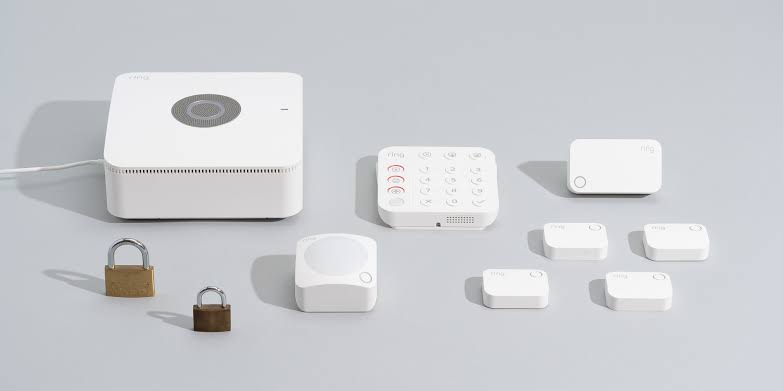
Introduction to Home Security
Home security has become an increasingly vital consideration for families in today’s society. With the rise in concerns regarding safety in neighborhoods, protecting one’s home and loved ones has emerged as a significant priority. Families face a plethora of potential threats ranging from burglary to vandalism, which have highlighted the necessity for effective home security measures. As such, investing in a reliable home security system stands as a proactive approach to safeguarding personal property and enhancing overall peace of mind.
The importance of home security cannot be overstated. Not only does a robust security system deter potential intruders, but it also provides families with the assurance that their home is equipped with advanced methods to alert them of any breaches. Many modern systems encompass features such as motion detection, video surveillance, and even smart technology integration, enabling homeowners to monitor activities in real-time via smartphones or tablets. This level of control and awareness significantly enhances personal safety.
Moreover, home security systems can contribute to lowering insurance premiums as many insurance providers offer discounts for homeowners who take proactive measures in securing their residences. This financial incentive further emphasizes the practicality of investing in home security systems. As communities evolve and crime patterns fluctuate, families are encouraged to remain vigilant and consider the advantages of implementing a security solution tailored to their specific needs.
In the following sections, we will explore various types of home security systems available in the market. This exploration will encompass both traditional setups and contemporary solutions designed to meet the demands of modern households. Understanding these options is essential for families looking to enhance their home security effectively.
Types of Home Security Systems
Choosing the right home security system is crucial for ensuring the safety of your family and property. There are several types of home security systems available, each tailored to meet various needs and preferences. Understanding these options, along with their advantages and disadvantages, can help you make an informed decision.
Traditional wired systems have long been a staple in home security. These systems consist of hardwired sensors, cameras, and alarms connected to a control panel. One advantage of wired systems is their reliability; they are less susceptible to interference and power outages. However, installation can be complex and costly, often requiring professional help.
Wireless home security systems have gained popularity in recent years. They use radio signals to communicate between devices, eliminating the need for complex wiring. Installation is usually simple and can often be completed by the homeowner. Although wireless systems offer flexibility in terms of placement and expansion, they can be vulnerable to signal interference and hacking if not adequately secured.
Smart home integrations represent a modern approach to home security. These systems allow you to connect various devices, such as cameras, alarms, and smart locks, to your home network. Through smartphone apps, you can monitor and control your security system from anywhere. The convenience and automation options are significant advantages; however, they can be more expensive and could potentially expose your network to cyber threats.
DIY solutions provide an affordable and customizable alternative. Many companies offer easy-to-install kits that allow homeowners to set up their systems at their own pace. This option can be appealing for those who prefer a hands-on approach and want to control their security features. However, the lack of professional monitoring and support might be a disadvantage for some families.
In conclusion, each type of home security system has its unique set of benefits and challenges. Assessing your specific needs and budget will help you choose the best system for safeguarding your home and family.
Key Features to Look for in a Home Security System
When selecting a home security system, families should prioritize key features that enhance safety and provide peace of mind. A robust security system generally includes several essential attributes. First and foremost, monitoring options are critical; families can benefit from both self-monitoring and professional monitoring services. Self-monitoring allows homeowners to receive real-time alerts via mobile apps, granting immediate access to potential security threats. On the other hand, professional monitoring ensures that trained personnel respond promptly to alarms, thus preventing potential disasters.
Another important feature is camera quality. High-definition cameras with night vision capabilities are essential for effective home surveillance. Families should seek systems that offer clear video footage, which can be crucial in identifying intruders or verifying safety during events. Additionally, the integration of motion detectors significantly enhances security, as these devices can alert homeowners of movement in and around the premises, allowing for swift action when necessary.
Alarm systems are also indispensable components of a comprehensive security system. An audible alarm can deter potential intruders and notify neighbors of unauthorized access. Families should look for alarms that can be easily integrated into the overall system and can automatically alert law enforcement in the event of a breach.
Lastly, compatibility with smart home devices is another key feature to consider. Many modern security systems offer seamless integration with existing smart devices, such as locks, lights, and thermostats. This integration not only streamlines security management but also empowers families to create custom automation settings that enhance their home security.
Top Home Security Brands Reviewed
In the realm of home security, selecting the appropriate system is essential for ensuring the safety of your family and property. Several brands have established themselves as leaders in the market, each offering distinct features tailored to different needs. In this section, we will examine four prominent home security brands: ADT, Vivint, SimpliSafe, and Ring.
ADT is one of the most recognized names in home security, boasting over 145 years of experience. Their systems include a wide range of features, such as 24/7 monitoring, video surveillance, and smart home integration. ADT’s high-quality customer service is a key selling point, though their pricing can be on the higher end compared to other options. Many customers appreciate their professional installation and ongoing support, which enhance the overall effectiveness of their security solutions.
Vivint is notable for its advanced technology and customizable smart home solutions. Their offerings include video doorbells, smart locks, and energy-efficient devices. Vivint features a comprehensive mobile app that allows users to control their security systems remotely. While their initial cost can be substantial, many users find the investment worthwhile due to the range of high-quality features available. Excellent customer service and ongoing technological updates further enhance their appeal.
SimpliSafe has garnered a reputation for affordability and ease of installation. Their systems are designed for DIY setup, making them accessible for those who prefer a hands-on approach. SimpliSafe offers flexible monitoring options, as users can choose between self-monitoring and professional services. Their transparent pricing and commitment to customer satisfaction make them a popular choice for budget-conscious families.
Ring, primarily known for its video doorbells, has expanded its product line to include security cameras and alarm systems. The brand emphasizes community engagement through its Neighborhood feature, which allows users to share alerts and information. Ring’s devices are relatively affordable, appealing to budget-savvy consumers. While the recent controversies surrounding privacy concerns have raised questions, many customers appreciate their straightforward setup and intuitive app.
Cost Analysis of Home Security Systems
When considering the implementation of a home security system, it is essential for families to conduct a thorough cost analysis to ensure that they make informed financial decisions. Home security systems typically involve several types of costs: initial setup costs, installation fees, monthly monitoring charges, and possible hidden fees that could arise over time.
The upfront costs often include equipment purchase, which can vary significantly based on the features selected. Basic systems may range from $200 to $500, while more sophisticated options with advanced technology, such as smart home integration or high-definition cameras, can exceed $1,500. It is vital for families to evaluate their security needs to determine the most appropriate system within their financial means.
Installation fees can also add to the initial cost of a home security system. Some companies may offer DIY installation, which is generally cheaper, while professional installation might range from $100 to $300. Families should consider whether they possess the necessary expertise for self-installation or prefer to pay for professional assistance to ensure optimal setup.
Monthly monitoring charges are another critical component of the ongoing cost associated with home security systems. Costs may range from $15 to $60, depending on the level of monitoring services desired. Premium services often include features such as remote access, smartphone notifications, and 24/7 surveillance. Families should budget for these recurring expenses, as they are essential for maintaining security assurance.
Lastly, potential hidden fees may also factor into the overall cost analysis. These can include fees for equipment upgrades, cancellation charges, or even service call fees for maintenance. It is advisable for families to carefully review contracts and service agreements to understand all costs involved before committing to a home security system.
DIY vs Professional Installation
When it comes to home security systems, the decision between DIY installations and professional installations can significantly impact system effectiveness and user satisfaction. DIY options allow homeowners to take control of their security setup, often at a lower initial cost. Many modern security systems come equipped with user-friendly instructions, making it feasible for almost anyone to install their devices without external assistance.
One of the primary advantages of DIY installation is the flexibility it offers. Homeowners can choose the equipment, customize the layout, and install components at their convenience. Furthermore, many DIY systems do not require a subscription service for monitoring, leading to cost savings over time. However, the responsibility for troubleshooting and ensuring proper function falls entirely on the homeowner. Lack of technical skills can lead to installation errors, which might compromise the system’s efficiency.
In contrast, professional installation provides expertise that can ensure the system is set up optimally. Trained technicians can tailor the installation to the specific home layout and security concerns, ensuring all potential vulnerabilities are addressed. This peace of mind can be invaluable, especially for families who may not be versed in security technology. However, professional installations typically come at a higher price, which often includes ongoing monitoring fees associated with professional monitoring services.
Ultimately, the choice between DIY and professional installation should consider factors such as budget, technical comfort level, and the complexity of the home environment. Families should weigh the advantages and disadvantages of each approach to find the best fit for their needs and ensure comprehensive protection for their home.
Understanding Home Security Monitoring Options
When it comes to safeguarding one’s home, selecting a robust security monitoring option is crucial. Home security systems typically offer three primary types of monitoring: professional monitoring, self-monitoring through mobile applications, and a combination of both. Each approach presents its own set of features, advantages, and limitations, which can significantly impact the effectiveness of a home security system.
Professional monitoring involves a dedicated security provider who continuously monitors the security system of a residence. In the event of an alarm trigger, trained personnel can promptly assess the situation and notify local emergency services if necessary. This option is usually coupled with a monthly subscription fee, which can vary depending on the provider and the level of service offered. One of the main benefits of professional monitoring is the swift response time, providing peace of mind for families who may not always be home or able to react promptly to security threats.
On the other hand, self-monitoring empowers homeowners to oversee their security systems via dedicated mobile applications. With this option, individuals receive alerts directly to their smartphones or devices, allowing them to assess incidents in real time by viewing live footage or alerts. While this approach eliminates monitoring fees, it comes with potential weaknesses, such as delayed responses to incidents if homeowners are unavailable to take action. Furthermore, self-monitoring often relies on the homeowner’s diligence, which can be inconsistent.
A hybrid option combines both professional and self-monitoring features, giving homeowners the flexibility to choose how they respond to alerts. This approach provides the advantage of immediate, professional assistance while still allowing homeowners to self-monitor if they prefer. Ultimately, the choice between these monitoring options should be based on individual lifestyles, preferences, and budget considerations, ensuring that families can effectively protect their homes.
User Experiences and Testimonials
In recent years, an increasing number of families have turned to home security systems to enhance their safety and peace of mind. Through various testimonials, it becomes evident that these systems significantly impact users’ daily lives, instilling a greater sense of security.
One family from suburban Chicago shared their experience with a wireless security system. After installing cameras around their property, they expressed an immediate boost in their confidence when at home or away. They recounted a particular incident where the cameras captured suspicious activity in their neighborhood. Thanks to the real-time alerts provided by the system, they contacted local authorities promptly, preventing potential criminal activity. They stated, “We feel more secure knowing we can monitor our home from our smartphones, no matter where we are. It’s like having an extra set of eyes on our property.”
Another family in Los Angeles implemented a smart security system with integrated sensors on windows and doors. This family emphasized the importance of having features that notify them about unauthorized access attempts. They reported a significant increase in their overall peace of mind, stating, “Before we installed our home security system, we often worried about break-ins. Now, we can sleep knowing our home is safeguarded all night long. The alerts provide an invaluable reassurance that we never had before.”
Families with young children also expressed the importance of having a security system in place. One parent noted, “Our kids are often playing in the yard, and having a security system that alerts us when someone approaches the boundary makes us feel much better. It allows us to focus on what truly matters: playing and enjoying time together as a family.”
These testimonials reflect shared sentiments among families regarding the positive impact and enhanced sense of security that home security systems provide. Through the integration of advanced technology, these systems not only safeguard properties but also contribute to the overall peace of mind for families, allowing them to live more freely and confidently.
Conclusion and Recommendations
Choosing the right home security system for families is a critical decision that can significantly impact your peace of mind. Throughout this blog post, we have explored various factors that contribute to selecting a suitable system, including the level of protection needed, the features offered, and the budget constraints families may face. As the importance of home security continues to rise, it is vital for families to evaluate their specific circumstances and needs.
Families with young children may prioritize systems that integrate smart home features, allowing for enhanced monitoring capabilities. For those living in urban areas with higher crime rates, investing in a more sophisticated security system with advanced surveillance and 24/7 monitoring services may be worthwhile. Conversely, families on a tighter budget might consider basic alarm systems or DIY options that provide essential protection without the hefty price tag.
Another essential consideration is the installation process. Some systems offer professional installation, which can be beneficial for families who are not tech-savvy, while others allow for easy self-installation, thus saving costs. When making a decision, families should also review customer feedback and service ratings to ensure reliability and quality.
Ultimately, selecting the best home security system involves a careful assessment of individual family needs, risks, and budgetary allowances. By evaluating these scenarios and weighing the pros and cons of different options, families can secure their homes effectively. In conclusion, the right home security system can offer unparalleled peace of mind, significantly enhancing the safety of your family and property.