
The Evolution of Sports in the Social Media Era
Over the past few decades, the landscape of sports has undergone a remarkable transformation, primarily driven by the rise of social media. Traditional broadcasting methods, such as television and radio, were once the primary sources for sports enthusiasts. However, the advent of digital platforms has significantly shifted the way that sports are consumed, shared, and celebrated. This shift has democratized access to sports content, allowing fans from all around the globe to engage with their favorite teams and athletes in real time.
Social media channels, such as Twitter, Instagram, and Facebook, have become vital platforms for the dissemination of sports news, highlights, and commentary. They provide athletes with the opportunity to communicate directly with their fan base, cultivating a sense of intimacy and connection previously unavailable. This shift has not only enhanced fan engagement but has also enabled athletes to build their personal brands. Athletes today are more than just players; they are influencers who leverage their platforms to promote themselves and advocate for various causes.
This evolution is evident in how fans interact with sports content. Today, audiences are no longer passive consumers; they are active participants. Live tweeting during games, sharing highlights, and engaging in discussions about sports events have become commonplace. Furthermore, user-generated content has gained traction, with fans contributing memes, videos, and analyses that enhance the overall viewing experience. This participatory culture fosters a deeper emotional connection between fans and their respective sports.
In conclusion, the integration of social media into the realm of sports has fundamentally reshaped the modern sports culture. The transition from traditional methods of engagement to dynamic digital platforms highlights the profound impact of social media on both athletes and fans. As this trend continues to evolve, it is poised to redefine the future of sports in unparalleled ways.
The Role of Major Platforms in Sports Culture
In the contemporary sports landscape, social media serves as a vital conduit between athletes, teams, and fans. Major platforms such as Twitter, Instagram, TikTok, and Facebook have each tailored their functionalities to enhance sports culture, creating unique environments for interaction and engagement.
Twitter is often regarded as the pulse of real-time sports commentary. With its character limit encouraging brevity, athletes and commentators can deliver instant reactions to games, trades, and injuries. This immediacy also extends to fans, who utilize the platform for sharing opinions, engaging in discussions, or following hashtag trends related to their favorite teams. According to recent statistics, a considerable portion of Twitter users identify as sports fans, showcasing the platform’s ability to cater to this demographic.
Instagram shines in visual storytelling and has proven particularly effective for athletes and teams to build their brands. The platform’s emphasis on high-quality images and videos allows athletes to share behind-the-scenes content, creating personal connections with followers. Additionally, features like Stories and IGTV provide opportunities for live interactions and in-depth narratives, further enriching the user experience related to sports culture.
Meanwhile, TikTok has emerged as a significant player in reshaping sports engagement, especially among younger audiences. The platform’s short-form video format encourages creativity, allowing athletes and fans to share clips of memorable moments, challenges, and behind-the-scenes content. By exploiting trending music and challenges, TikTok effectively amplifies the virality of sporting events and personalities, drawing new fans into the sports arena.
Lastly, Facebook maintains its relevance by offering a more expansive ecosystem for sports-related groups and community discussions. With features that allow fans to join interest-based groups, Facebook fosters a sense of belonging among sports enthusiasts. As a result, this platform provides critical insights into fan preferences and behaviors, helping teams and sponsors tailor their outreach strategies. Overall, these platforms collectively shape modern sports culture, creating diverse avenues for engagement and participation through their unique features.
Fan Engagement and Community Building
The advent of social media has revolutionized how fans interact with their favorite sports teams and athletes, fostering a unique environment of engagement and community building. Through platforms like Twitter, Facebook, Instagram, and TikTok, fans can connect with their idols in real time, sharing experiences, expressing opinions, and showcasing their support. This immediacy and accessibility have transformed traditional fan culture into a more interactive and participatory experience.
Online fan communities are proliferating, providing spaces where individuals can bond over shared interests and passions related to their favorite teams. These communities often serve as forums for discussion, allowing fans to analyze games, celebrate victories, and console each other in defeat. Whether through dedicated fan pages, group chats, or forum discussions, the ability to connect with like-minded individuals has created a sense of belonging that transcends geographical barriers.
In addition, real-time interactions during games have become commonplace, enabling fans to engage with one another as the action unfolds. Live-tweeting, reaction posts, and instant polls are just a few examples of how social media facilitates dynamic conversations among fans. This degree of interaction not only heightens the excitement of following a game but also reinforces the communal aspect of sports, as fans collectively experience the thrills and disappointments of the season.
User-generated content also plays a crucial role in enhancing fan engagement. Whether it is through memes, highlight videos, or personal stories shared on various platforms, fans contribute to the narrative around their teams, amplifying their voices. This form of participation not only enriches the overall sports culture but also validates individual experiences, ensuring that every fan feels integral to the vast tapestry of the sporting world. As social media continues to evolve, so too will the methods and means through which fans connect, solidifying their role in modern sports culture.
Athlete Influencers and Brand Partnerships
The intersection of sports and social media has given rise to a new category of athlete influencers, transforming how athletes engage with their fans and monetizing their personal brands. Today’s athletes are not just competitors on the field; they are also influential figures with substantial social media followings. This shift has allowed individual athletes to cultivate strong personal brands that resonate with their audience, extending their influence beyond traditional sport channels.
Through platforms such as Instagram, Twitter, and TikTok, athletes can share their experiences, training regimens, and lifestyle aspirations, creating a narrative that fans can connect with. These narratives not only help in personal brand building but also create opportunities for lucrative partnerships with brands. Brands across various industries increasingly seek to leverage the reach and authenticity of athlete influencers to promote their products and services. This trend has birthed a new form of advertising that is more relatable and engaging for consumers compared to conventional marketing methods.
The implications of such partnerships on sports culture are profound. As athletes align themselves with brands, their endorsements can shape fan expectations and perceptions of both the athlete and the sport itself. Fans expect transparency and authenticity from these partnerships; hence, athletes are careful in choosing brands that align with their values and resonate with their audience. Moreover, these collaborations can amplify social causes, as more athletes use their platforms to champion various issues. Thus, athlete influencers are not only driving commercial interests but are also influential in promoting social awareness and change within the sports culture.
The Impact of Live Streaming and Real-Time Updates
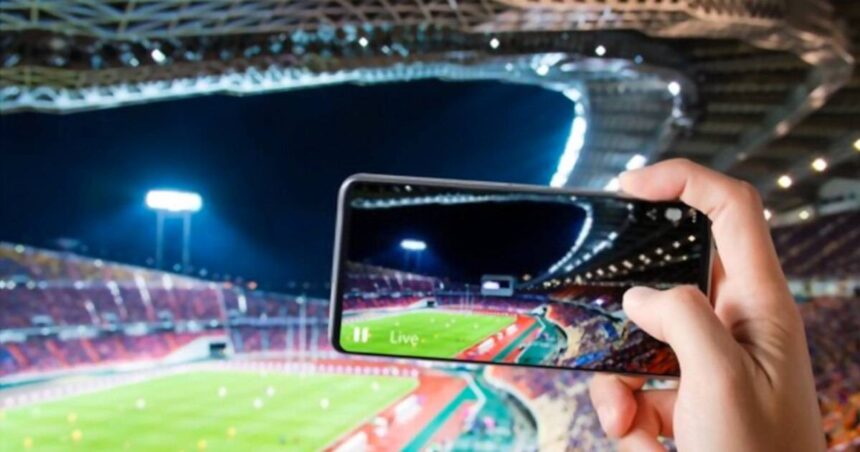
In the digital age, the advent of live streaming and real-time updates on social media has profoundly transformed the landscape of sports consumption. Fans are no longer confined to traditional mediums such as television or radio to follow their favorite teams and athletes. Instead, they now access live games, highlights, and updates directly from their preferred social media platforms, creating a more engaged and immediate fan experience. This shift encourages viewers to watch games as they happen, fostering a sense of community among fans who can interact and share their thoughts in real-time.
The immediacy of social media updates not only shapes how fans consume sports but also influences their attendance at live events. With the availability of live streaming, some fans may choose to watch games from the comfort of their homes instead of attending in person. However, this trend also pushes teams and leagues to innovate, enhancing the game-day experience to attract fans to live events. Integrating mobile-friendly technologies, such as in-game highlights and behind-the-scenes access via social platforms, allows teams to create an immersive experience that leverages the strengths of both in-person attendance and digital engagement.
Furthermore, live streaming and real-time updates have opened new revenue streams for sports franchises and leagues. The ability to reach global audiences through platforms like Twitch, Facebook Live, or YouTube enables teams to monetize their content, forming partnerships with sponsors and advertisers who recognize the value of engaging with an active and diverse fan base. Ultimately, this integration of social media and live sports not only enhances the way fans interact with their favorite games but also generates significant financial opportunities within the sports industry.
Social Media Trends in Fan Behavior
In the contemporary landscape, social media has become an influential factor in shaping fan behavior within the sports culture. The dynamics of interaction between teams and fans have evolved, as communication channels like Twitter, Facebook, and Instagram serve as platforms for real-time engagement. These social media outlets allow fans to voice their opinions, foster relationships with teams, and influence merchandise sales through their collective voice.
The impact of social media is particularly evident during critical moments in sports, such as the rise of hashtags advocating for social justice or community initiatives. For instance, movements like #BlackLivesMatter have surged within sports communities, where organizations and athletes utilize their platforms to address societal issues. In many cases, these actions have profoundly affected public perception, often leading to teams reconsidering their business strategies and social commitments.
Moreover, viral moments have cemented the role of social media in shaping fan engagement. A notable example is the widespread support for athletes who take a stand on controversial topics or the public backlash surrounding team decisions. The swift mobilization of fans on social media not only amplifies individual voices but also influences the overall atmosphere surrounding a team or event. These collective actions can sway merchandise sales significantly, as fans are more inclined to support teams that align with their values and stances.
Furthermore, social media allows for an evolution in how fandom is expressed and experienced. Platforms enable fans to connect globally, share personalized content, and actively participate in discussions about their favorite teams. This shift enhances loyalty and fosters a community spirit, driven largely by the instant connectivity social media provides, marking a notable trend in modern sports culture.
Challenges and Criticisms of Sports on Social Media
As social media platforms have become integral to the modern sports experience, several challenges and criticisms have emerged that warrant careful consideration. One prominent concern is the widespread dissemination of misinformation. In an age where news travels faster than ever, the potential for inaccuracies to proliferate across social media networks is significant. Rumors about player injuries, trades, and team dynamics can quickly spiral out of control, creating confusion among fans and undermining the credibility of legitimate sports journalism.
In addition to misinformation, the online behavior of fans poses another challenge. The anonymity offered by social media can sometimes lead to negative interactions among users. Instances of trolling, harassment, and cyberbullying have been reported, with athletes becoming primary targets. This negative fan behavior not only threatens the well-being of players but can also create a toxic environment for sports discussions. The emotional toll on players subjected to such scrutiny can have detrimental effects on their mental health, leading to feelings of anxiety, depression, and social isolation.
Furthermore, the pressure to maintain a public image and engage with fans on these platforms can be overwhelming for athletes. The constant need to curate content, respond to fan interactions, and manage the demands of their online presence adds another layer of stress to their already demanding careers. Athletes may feel compelled to present an idealized version of themselves, which can exacerbate mental health issues as they struggle to reconcile this image with their authentic selves. This phenomenon raises important questions about the responsibilities of social media platforms, teams, and fans in fostering a supportive and respectful online community.
The Future of Sports Culture and Social Media Integration
As we look to the future, the integration of social media within sports culture is set to evolve in unprecedented ways. With advancements in technology and shifting consumer preferences, the landscape of how fans engage with their favorite sports is continually transforming. One of the most notable trends anticipated is the rise of virtual reality (VR) experiences that allow fans to immerse themselves in live sports events from the comfort of their homes. This level of engagement not only enhances the spectator experience but also increases the emotional connection between fans and the sports they love.
Moreover, social media platforms are expected to adopt more interactive features that will foster greater participation from fans. This can include live polling during games, where viewers can express their opinions on crucial plays or overall team performance in real-time. By integrating such interactive elements, sports organizations can create a more vibrant culture that keeps fans invested beyond mere viewership.
In addition, innovative engagement strategies will redefine how teams and athletes connect with their audiences. Exclusive behind-the-scenes content shared through social media, personalized messages from players, and interactive Q&A sessions are just a few of the methods likely to become commonplace. Such strategies not only enhance fan loyalty but also build a sense of community among supporters, thereby contributing to a richer sports culture.
Industry experts emphasize the importance of adapting to these trends to maintain relevance in an increasingly digital world. As technology continues to advance, the fusion of social media and sports culture will undeniably heighten the overall experience for fans, leading to a more interactive and engaging environment in the sports industry.
Conclusion
In examining the profound influence of social media on modern sports culture, it is evident that this digital landscape has transformed the way fans engage with their favorite teams and athletes. The rapid dissemination of information and the capacity for direct interaction between players and supporters have blurred the lines between professional sports and everyday life. Social media platforms have facilitated an unprecedented level of connectivity, enabling fans to feel more involved and invested in the sporting events they cherish.
Throughout this discussion, we have observed how social media has redefined sports marketing, providing teams and athletes with innovative strategies to reach wider audiences. The ability to share highlights, opinions, and personal stories instantly creates a narrative that keeps fans engaged beyond the confines of the game. Moreover, the rise of influencers and content creators within the sports realm showcases a new avenue for brand partnerships, reshaping sponsorship dynamics.
However, the transformative power of social media also presents challenges that stakeholders must navigate. Issues such as misinformation, fan toxicity, and the pressures of maintaining a public persona are becoming increasingly salient. As the sports culture continues to evolve, it is imperative for athletes and organizations to adapt to these complexities while ensuring a positive experience for their fan base.
Ultimately, social media’s role in modern sports culture is multifaceted and continues to expand. By embracing these platforms, the sports industry not only enhances fan engagement but also paves the way for new opportunities that can bridge the gap between tradition and innovation. As we look to the future, the potential of social media to shape sports culture will undoubtedly remain significant, warranting ongoing exploration and analysis.