

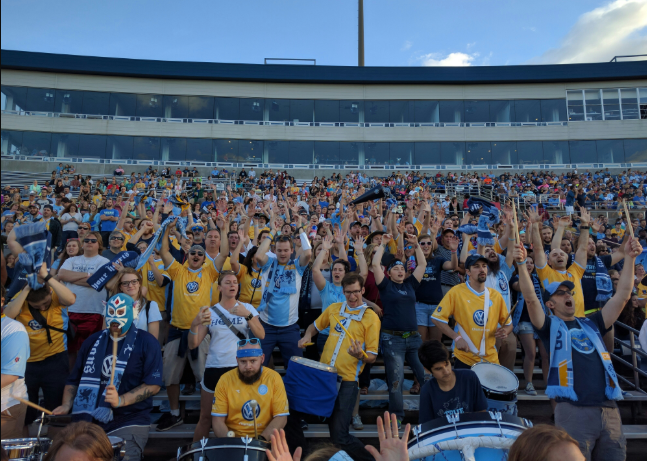
Introduction: The Role of Fans in Sports Culture
In the realm of sports, the relationship between fans and their teams is multifaceted and profound. Fans are not merely passive observers of the games played on the field; they are active participants who shape the identity and trajectory of their teams. Their enthusiasm, loyalty, and engagement create a distinct sports culture that transcends beyond the players and performances, influencing team popularity and success.
Passionate fans contribute to the vibrancy of the sporting experience. They generate fervor in the stadiums, amplify team spirit, and build a sense of community that resonates with both local and global audiences. The emotional investments that fans make in their favorite teams foster an environment where loyalty and support are paramount, often defining a team’s character. This dynamic shapes how others perceive a team, impacting its attractiveness to potential new fans and sponsors alike.
Moreover, fan engagement impacts a team’s marketing strategies and visibility. Sports franchises worldwide acknowledge that devoted fans are essential for cultivating a dynamic brand. The merchandising, media coverage, and public presence derived from fan activities, such as organized events or social media engagements, work in tandem to enhance team visibility. Consequently, teams that maintain strong connections with their fan bases are often viewed as more appealing and compelling.
In a broader context, the fan experience and its implications for team popularity reveal how integral this relationship is to the sports ecosystem. Fans not only drive team narratives but also contribute to social cohesion and cultural identity. As we delve deeper into this exploration, it becomes clear that to understand a sports team’s success, one must closely examine the passion and influence of its fans.
The Psychology of Sports Fandom
The phenomenon of sports fandom is deeply rooted in psychological principles that explain why individuals forge emotional attachments to teams. A critical concept in understanding this behavior is social identity theory, which posits that individuals derive a sense of identity from their group affiliations. For many sports fans, their commitment to a team often reflects their social identity, allowing them to align themselves with a larger community. This sense of belonging fosters a collective identity, where success or failure on the field profoundly impacts their self-esteem and satisfaction.
Moreover, the emotional experience of supporting a team cannot be understated. Fans experience a spectrum of emotions, from elation during victories to despair in defeats, which creates a potent emotional bond with their team. This emotional attachment is often characterized by a phenomenon known as ‘basking in reflected glory’—where fans derive pride and joy from their team’s accomplishments, enhancing their overall life satisfaction. As a result, feelings associated with victories are communal experiences, promoted through shared celebrations and traditions, further solidifying fans’ loyalty.
The psychological factors that drive sports fandom also influence a team’s popularity. For instance, teams with a strong brand identity and a well-developed narrative often attract more fans, as these elements resonate with potential supporters’ desires for connection. The media’s portrayal of teams and the narratives they create often amplify fan engagement, reinforcing identification and emotional investment with a particular team. Consequently, a team’s popularity is interlinked with the psychological motivations of its fanbase, making understanding these factors essential for teams aiming to cultivate a loyal following.
Fan Engagement: Building Community and Loyalty
Fan engagement is a critical element in the popularity of sports teams, as it directly influences how connected fans feel to their teams. One of the primary ways teams foster this engagement is through social media platforms. Utilizing Facebook, Twitter, and Instagram, teams can communicate directly with fans, share updates, and create interactive content. Such interactions not only keep fans informed but also invite them to participate in discussions, enhancing the sense of community.
Another effective avenue for enhancing fan engagement is through the establishment of fan clubs. These clubs often provide members with exclusive perks, such as early ticket access, behind-the-scenes tours, or meet-and-greet opportunities with players. By creating these structured settings, teams cultivate a dedicated fan base that feels privileged and included. This involvement leads to increased loyalty, as fans who are actively engaged in club activities are more likely to support the team consistently.
Additionally, hosting events such as fan appreciation days, open training sessions, or charity matches allows teams to gather their supporters in person, forging deeper connections. These events not only serve as a platform for interaction but also help to humanize the players, further solidifying the bond between fans and the team. Successful examples can be seen when teams collaborate with fans on initiatives or recognize their loyalty publicly, thus incentivizing greater participation.
The outcomes of these strategies are evident; teams that prioritize fan engagement often report higher attendance at games and sustained merchandise sales. Overall, by investing in programs that foster a sense of belonging, sports teams can significantly enhance their popularity, turning casual viewers into lifelong supporters.
The Impact of Spectator Behavior on Team Image
The behavior of sports fans plays a pivotal role in shaping the perception and image of their respective teams. Positive fan engagement during matches—exemplified by enthusiastic cheering, supportive chants, and unwavering attendance—contributes significantly to enhancing a team’s popularity. This vibrant atmosphere not only fortifies team spirit but also creates a sense of community among supporters. When fans energize the arena with their presence and enthusiasm, it fosters a conducive environment for athletes to perform, often leading to improved outcomes on the field.
The correlation between positive fan behavior and increased team popularity cannot be overstated. Teams that enjoy strong, passionate support witness a notable boost in their brand image and visibility, both locally and nationally. Such contexts amplify a team’s marketing potential as sponsors and advertisers are more inclined to associate with organizations that reflect positive energy and strong community ties. Furthermore, the narratives surrounding these games—filled with fan loyalty and support—become integral to the team’s identity, often inspiring future generations of supporters.
Conversely, the impact of negative spectator behavior, such as unruly conduct or expressions of hostility towards officials or opposing fans, can tarnish a team’s reputation. Unsportsmanlike behavior may draw media attention for all the wrong reasons, overshadowing the team’s achievements and creating a detrimental atmosphere for both players and supporters alike. Such incidents compel organizations to implement measures to regulate audience conduct, thereby showcasing their commitment to fostering a safe and respectable environment during games. Hence, maintaining a positive fan culture is essential for a team’s long-term image and popularity.
Merchandising and Fan Identity
Merchandising plays a pivotal role in reflecting and enhancing the popularity of a sports team. Fans express their allegiance and identity through the purchase of team apparel, jerseys, caps, and various memorabilia that not only signify loyalty but also foster a sense of community among supporters. This economic aspect of fandom showcases how merchandise sales can bolster a team’s visibility and overall brand image.
The act of wearing team colors or displaying logos is a strong statement of identity, enabling fans to feel a part of something larger than themselves. When fans adorn themselves with team gear, they are not merely showcasing personal preference; they are embodying the collective spirit of the team. This shared identity reinforces emotional connections, not just with the team itself but also among fellow fans. Consequently, merchandise becomes a crucial avenue for fans to cultivate their identity, further impacting the team’s popularity.
Additionally, the financial implications of merchandising cannot be overlooked. Teams invest heavily in creating high-quality, appealing products that resonate with fans. These merchandise sales contribute significantly to the team’s revenue, funding improvements, facilities, and community initiatives. Teams that can effectively market their merchandise often see an increase in popularity, as the visibility of their products can create an attractive image in the eyes of prospective fans. Furthermore, successful merchandising strategies can tap into various demographics, ensuring that a wider audience identifies with the brand, thus amplifying its reach.
In summary, merchandising serves not only as a revenue stream for sports teams but also as a means through which fans articulate and celebrate their identity. This intricate relationship underscores the symbiotic connection between fan engagement and team popularity, as both elements work in concert to elevate the brand image and economic viability of a sports organization.
Social Media and the Digital Influence of Fans
In recent years, social media has fundamentally transformed the relationship between sports fans and their favorite teams. Platforms like Twitter, Facebook, Instagram, and TikTok have provided fans with the ability to interact directly with teams, players, and other fans. This interaction has shifted the dynamic, allowing fans to express their loyalty, share their experiences, and even influence perceptions about their teams in real-time.
Data indicates that fan engagement on social media is significant and impactful. With billions of active users globally, platforms have become crucial venues for teams to build their brand and foster community. Research has shown that teams with higher social media engagement tend to enjoy greater popularity, as followers often share their support, creating a ripple effect that reaches potential fans who may not have been previously engaged. For instance, viral content, such as a thrilling game highlight or an emotionally charged fan reaction, can spread rapidly across these platforms, exponentially increasing a team’s visibility.
The advent of digital fandom has also given rise to various online communities where fans can congregate, share sentiments, and amplify their voices. This sense of belonging caters to fans’ emotional investments and enables a collective identity that can further enhance a team’s popularity. By showcasing team merchandise, celebrating victories, or even rallying support during tough times, social media not only allows fans to demonstrate their loyalty but also serves as a valuable marketing tool for teams looking to expand their reach.
In conclusion, the intersection of sports fandom and social media has redefined how fans engage with their teams. Understanding this relationship is essential for appreciating the current landscape of sports popularity and the profound influence fans wield through digital platforms.
Case Studies: Teams Reinvented Through Fan Influence
The influence of sports fans on the popularity of their teams can be monumental, as evidenced by various case studies that highlight successful strategies leveraging this influence. One notable example is the Milwaukee Brewers, a Major League Baseball team that took a grassroots approach to enhance fan engagement. In 2011, the organization launched the “Brewers Community Foundation” initiative to foster community ties and support local charities. This campaign not only garnered goodwill but also increased local attendance and engagement, leading to substantial bolstering of the team’s popularity.
Similarly, the New Orleans Pelicans in the National Basketball Association undertook a transformative strategy to connect with fans through social media and local events. In 2018, they introduced the “Pelicans Fan Experience,” a series of interactive events that allowed fans to meet players, attend open practices, and participate in community service. This direct engagement resulted in a spike in season ticket sales and a more vibrant, active fan base that consistently promotes the team throughout the state.
Another compelling case is the English Premier League club, Leicester City. After winning the championship in 2015-2016, the club focused on engaging its international fan base through targeted marketing campaigns. They utilized digital platforms to reach fans beyond their local fan base, creating content that resonated globally. Their efforts in merchandise promotion and social media engagement have significantly increased the club’s international visibility, converting casual viewers into dedicated followers.
These case studies illustrate that leagues and clubs that harness the power of their fans through community initiatives and interactive experiences not only see enhanced support but also experience a considerable rise in visibility and popularity. By prioritizing the voice and involvement of fans, teams can effectively create lasting connections that transcend traditional marketing methods.
Challenges and Controversies in Fan Influence
The influence of sports fans on team popularity is a multifaceted phenomenon that is not without its challenges and controversies. One significant issue is the rise of toxic fandom, where intense passion can lead to negative behaviors such as harassment, bullying, and aggressive online commentary. This phenomenon can create an unwelcoming atmosphere for both new and existing supporters, potentially damaging the team’s overall community spirit and alienating those who might otherwise engage positively with the team.
Another challenge is that of bandwagon fans—individuals who tend to support a team only during successful seasons or when the team achieves noteworthy accomplishments. While their presence can initially seem beneficial, it may distort the genuine fan culture that teams strive to cultivate. Bandwagon fans often lack the deep-rooted loyalty that dedicated supporters offer, which can contribute to fluctuating levels of enthusiasm and commitment. This varying allegiance can undermine team integrity and lead to a less stable fan base.
The commercialization of sports further complicates the relationship between fans and teams. As franchises increasingly focus on revenue generation through merchandise sales and marketing strategies, the authenticity of the fan experience may become compromised. This emphasis on profit can shift priorities away from community engagement and towards strategies that prioritize monetary gain over genuine support. As teams become more reliant on commercial partnerships, it may create a scenario where the true voice of the fans gets drowned out by corporate interests.
These challenges highlight the delicate balance that teams must maintain in fostering a healthy, engaged fan base while navigating the pitfalls associated with toxic behaviors, transient support, and the financial motivations of modern sports. Addressing these issues is crucial for preserving the integrity of the team and ensuring a sustainable relationship with both devoted and potential fans.
Conclusion: The Future of Sports Fandom and Team Popularity
The interplay between sports fans and team popularity has always been significant, but its dynamics are evolving rapidly. As discussed, passionate sports fans not only contribute to the atmosphere of games but also play a pivotal role in broader team narratives and marketing strategies. Their influence extends beyond mere attendance; it shapes merchandise sales, social media engagement, and community support, thereby enhancing overall team visibility and attractiveness.
Looking forward, the future of sports fandom will likely be characterized by the integration of advanced technologies. Virtual reality experiences, for instance, may allow fans to connect with their favorite teams in groundbreaking ways, blurring the lines between real and digital attendance. Augmented reality apps might enable fans to engage with teams and players more interactively, further solidifying their allegiance. Such innovations will create new fan experiences, enhancing community engagement and driving popularity across diverse demographics.
Moreover, as social landscapes continue to change, teams must adapt to shifting cultural norms and values. Today’s fans prioritize authentic connections over transactional relationships. Teams that understand and cater to these desires will likely foster a loyal following. Attention to social issues, as seen in various sports movements, can enhance fan support if approached sincerely. In essence, the agility of teams to resonate with the evolving needs of their supporters will dictate their success in building and maintaining popularity.
In conclusion, sports fandom remains a powerful force in determining team popularity. As technological advancements reshape the engagement landscape, and as societies evolve, the collective influence of fans will continue to drive the future of sports culture.