

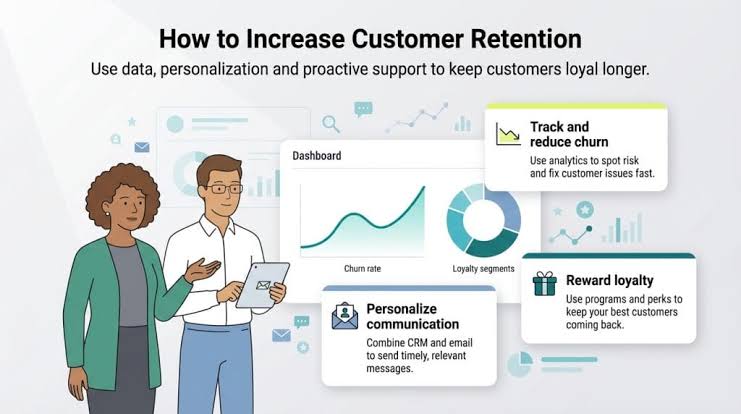
Understanding Customer Retention
Customer retention refers to a business’s ability to keep its existing customers over time, which is critical for sustained growth and profitability. It involves fostering a positive relationship with customers, ensuring they feel valued and willing to make repeat purchases. The significance of customer retention lies in the fact that retaining an existing customer is often considerably less expensive than acquiring a new one, primarily due to the costs associated with marketing, sales efforts, and the inherent uncertainty of attracting prospective buyers.
The importance of customer retention can be illustrated through various metrics. One key metric is the Customer Retention Rate (CRR), which measures the percentage of customers a company retains over a specified period. Calculating CRR provides critical insights into customer loyalty and satisfaction, serving as a benchmark for assessing retention strategies. Another useful metric is the Customer Lifetime Value (CLV), which estimates the total revenue a customer is expected to generate throughout their relationship with a company. Understanding CLV helps businesses gauge the long-term value of maintaining customer relationships.
Moreover, loyal customers often display repeat purchasing behavior and are more likely to recommend a company to others, contributing to organic growth through word-of-mouth. These customers can also provide valuable feedback, enabling businesses to enhance products and services continually. In fact, businesses that prioritize customer retention often enjoy reduced operational costs, as they can focus on nurturing existing relationships rather than investing heavily in new customer acquisition.
A palpable emphasis on customer retention strategies not only guarantees a stable revenue stream but also builds a positive reputation within the market. Therefore, a deeper understanding of customer retention metrics and their implications plays a vital role in driving a company’s success.
Identifying the Factors that Influence Retention
The retention of customers is critical for the long-term success of any business. Understanding the various factors that influence customer retention can help organizations enhance their strategies. One of the primary drivers of retention is customer satisfaction. When customers are pleased with their experiences, whether relating to a product or service, they are more likely to remain loyal to the brand. Regular feedback, surveys, and customer reviews can provide invaluable insights into areas that need improvement to maintain high satisfaction levels.
Another critical factor to consider is product quality. The products offered must meet or exceed customer expectations to encourage repeat purchases. This includes ensuring that products are reliable, durable, and deliver the promised value. A commitment to quality not only encourages initial purchases but fosters trust, which is essential for building long-term relationships.
Service delivery also plays a significant role in customer retention. Efficient and responsive customer service can profoundly impact a customer’s decision to remain with a brand. Training staff to handle inquiries and complaints effectively can mitigate potential dissatisfaction and enhance the overall customer experience.
Moreover, an emotional connection between customers and a brand cannot be overlooked. Companies that foster a sense of belonging or community tend to enjoy higher levels of loyalty. This can be achieved through personalized communication, targeted marketing strategies, and engaging customers with relevant content that resonates with their values.
In conclusion, focusing on improving customer satisfaction, ensuring product quality, providing excellent service, and nurturing emotional connections are essential for businesses seeking to enhance customer retention. By paying attention to these factors, organizations can tailor their strategies to meet customer needs better and secure their loyalty over time.
Crafting an Effective Customer Experience
Creating an exceptional customer experience is crucial for businesses aiming to improve customer retention. A positive customer experience often begins with personalized interactions. This involves understanding the individual needs and preferences of customers, allowing businesses to cater their offerings accordingly. By leveraging customer data and feedback, companies can tailor their communications, product recommendations, and services to align with what appeals most to their clientele. This level of personalization fosters a sense of value and importance in customers, increasing loyalty over time.
Another vital component of an effective customer experience is timely responses. Customers today expect swift assistance and communication from businesses. An immediate acknowledgment of inquiries or issues can significantly influence their perception of the brand. Implementing tools such as chatbots or dedicated customer service teams can help ensure that customer questions are addressed promptly. The quicker a business responds, the more likely customers are to feel heard and appreciated, thereby enhancing their loyalty.
Effective communication plays a pivotal role throughout the customer journey. Businesses must not only convey information clearly but also engage with customers on a deeper level. This involves actively listening to customer feedback and adapting strategies based on their insights. Strong communication fosters trust and transparency, making it easier for customers to connect with a brand. Continuous interactions, whether through social media, email, or in-person engagements, cultivate a community around the brand that encourages ongoing patronage.
Together, personalized interactions, timely responses, and effective communication form the backbone of an exceptional customer experience. By focusing on these components, businesses can significantly enhance customer loyalty and improve retention rates, ultimately leading to long-term success.
Leveraging Technology for Better Engagement
In today’s fast-paced business environment, leveraging technology has become imperative for improving customer retention. One of the most effective ways businesses can enhance engagement is through the implementation of Customer Relationship Management (CRM) systems. These platforms not only help in organizing customer data but also facilitate personalized communication, thereby creating a more tailored customer experience. For instance, a robust CRM can track customer interactions, enabling businesses to identify touchpoints that significantly impact customer satisfaction.
Additionally, marketing automation tools serve as a critical asset in augmenting customer engagement strategies. By automating personalized marketing campaigns based on customer behavior, businesses can address the unique needs of their clientele efficiently. This automation ensures that timely and relevant information reaches customers, which can significantly elevate their engagement levels.
Moreover, data analytics plays a pivotal role in understanding customer behavior and preferences. By analyzing historical data, businesses can derive insights into buying patterns, preferences, and overall customer sentiment. This analytical approach equips companies with the knowledge necessary to anticipate customer needs and proactively address them. For instance, if analytics reveal that customers are more likely to engage with personalized offers during specific times of the year, businesses can strategize their promotions accordingly, thus enhancing customer interaction.
Furthermore, engaging customers through multiple digital channels, such as email, social media, and mobile apps, allows for a multi-faceted approach in customer engagement. The combination of CRM systems, marketing automation, and data analytics creates a comprehensive strategy that not only improves customer interactions but also fosters loyalty. By prioritizing technology in engagement efforts, businesses position themselves favorably in a competitive market, ensuring that they continually retain and satisfy their customer base.
Implementing Customer Feedback Mechanisms
Collecting and acting upon customer feedback is fundamental for any business aiming to improve retention rates. Understanding customer experiences and preferences enables organizations to enhance their products and services, ensuring they align with market demands. Various methods exist for gathering customer insights, including surveys and interviews, each possessing unique advantages.
Surveys are a quick and effective way to ascertain customer satisfaction. They can be distributed via email, integrated into websites, or conducted through social media channels. Well-crafted surveys should focus on specific areas, such as product performance, customer service, and overall satisfaction levels. Utilizing open-ended questions alongside rating scales provides a qualitative richness that helps one understand the rationale behind the scores.
In contrast, interviews offer a deeper exploration of customer insights. They allow for two-way communication, enabling businesses to probe further into customer sentiments and experiences. This method can reveal nuanced feedback that surveys might overlook, such as emotional connections to a brand or detailed suggestions for improvement. While interviews are more time-consuming and require skilled facilitators, the depth of information gained can profoundly impact product development and service refinement.
Additionally, businesses should consider implementing feedback loops—systems that allow for continuous collection and assessment of customer thoughts over time. This real-time feedback approach enables businesses to adapt quickly to shifts in customer preferences or emerging issues. Analyzing feedback systematically, whether through data analytics or customer relationship management (CRM) platforms, ensures organizations do not just collect data but also translate it into actionable steps.
Overall, a robust feedback mechanism not only gathers insights but also shows customers that their opinions are valued. This can enhance customer commitment and trust, ultimately contributing to improved retention outcomes. By continually iterating based on feedback, businesses can foster a more loyal customer base, adapting and evolving to meet their needs effectively.
Building Loyalty Programs
Loyalty programs are essential tools that businesses can implement to enhance customer retention and build a strong relationship with their clientele. A thoughtfully designed loyalty program not only rewards repeat customers but also encourages ongoing engagement with the brand. There are various types of loyalty programs businesses can consider, including point-based systems, tiered rewards, and subscription models. Each type offers unique advantages, allowing businesses to choose a framework that aligns closely with their objectives and customer preferences.
Point-based systems require customers to earn points with every purchase, which can be redeemed for rewards such as discounts, free products, or exclusive services. This structure motivates customers to continue purchasing from the business in order to accumulate more points. In contrast, tiered loyalty programs provide different levels of rewards based on the customer’s engagement or spending thresholds. This model not only incentivizes initial purchases but also fosters a sense of achievement as customers strive to reach higher tiers for more significant rewards.
Additionally, subscription models can offer considerable incentives for customer loyalty. By charging a fixed fee for regular benefits—such as free shipping, early access to sales, or exclusive content—businesses can create a reliable revenue stream while simultaneously enhancing customer satisfaction. Regardless of the type of program chosen, it is vital to design incentives that resonate with the target audience. Surveys or feedback loops can help identify what rewards customers find appealing.
Ultimately, an effective loyalty program serves as a powerful retention strategy, helping to create a firm customer base that contributes to long-term business growth. By investing in customer loyalty through appropriate rewards and recognition, businesses can enhance customer engagement and foster lasting relationships, leading to increased profitability over time.
Training Staff to Enhance Retention
Effective training of staff is crucial for businesses aiming to improve customer retention. The quality of customer interactions often directly correlates with their overall satisfaction and loyalty. Therefore, investing in comprehensive training programs equips employees with the necessary skills and knowledge to provide exceptional service.
One of the key components of employee training is fostering enthusiasm and engagement among staff members. Employees who feel valued and motivated are more likely to deliver positive customer experiences, resulting in higher satisfaction rates. This enthusiasm can be cultivated through recognition, reward systems, and an inclusive work environment that encourages professional growth. Moreover, staff members should be trained not only in the technical aspects of their roles but also in soft skills such as communication, empathy, and conflict resolution. These skills empower employees to handle customer inquiries and complaints effectively, ultimately contributing to enhanced retention efforts.
Moreover, ongoing training is essential to adapt to changing customer expectations and market trends. Regular workshops, seminars, or team-building exercises can help maintain a high level of customer service. Such initiatives allow employees to stay current with product or service developments, ensuring they can provide up-to-date information and recommendations to customers. Additionally, feedback mechanisms can be implemented, where employees share their insights from interactions with customers, creating a cycle of continuous improvement/best practice sharing.
Ultimately, well-trained employees serve as ambassadors for the brand, directly impacting customer loyalty. When customers perceive that they are receiving personalized service from knowledgeable staff, their satisfaction increases significantly, leading to improved retention rates. Therefore, businesses must prioritize effective staff training as a strategic component in their customer retention strategy.
Monitoring Retention Strategies and Metrics
Effective customer retention is pivotal for businesses aiming to maintain a loyal client base and enhance profitability. A crucial facet of successful customer retention strategies is the consistent monitoring of these approaches alongside their associated metrics. By regularly reviewing retention strategies, companies can ensure their initiatives evolve and remain aligned with overarching business objectives.
Key performance indicators (KPIs) serve as vital tools in evaluating the effectiveness of retention tactics. Among the most significant KPIs to consider are customer lifetime value (CLV), retention rate, and churn rate. Customer lifetime value quantifies the total revenue a business can anticipate from a customer throughout their relationship. By emphasizing strategies that enhance CLV, organizations can formulate targeted efforts to heighten customer satisfaction and encourage repeat purchases.
The retention rate, another critical metric, measures the proportion of customers a business retains over a specified period. Analyzing this data not only reveals trends in customer loyalty and satisfaction but also sheds light on the success of different retention strategies deployed. Conversely, the churn rate helps identify the rate at which customers discontinue their relationship with the business. Assessing churn rate closely can unveil potential weaknesses in customer engagement or satisfaction.
Additionally, gathering qualitative feedback through surveys and reviews can supplement quantitative data, providing a comprehensive view of the customer experience. By synthesizing both quantitative and qualitative insights, businesses can refine their retention strategies, ensuring they not only meet but exceed customer expectations. Regular monitoring of these metrics will enable businesses to remain agile in their approach, adapting swiftly to changing customer needs and enhancing long-term loyalty.
Case Studies of Successful Retention Strategies
Customer retention is a crucial component of business strategy, and various organizations have implemented effective tactics to enhance their retention rates. One notable example is Starbucks, which has successfully leveraged its loyalty program to foster customer engagement. The program allows customers to earn stars for every purchase, which can be redeemed for free drinks and food items. This incentive not only encourages repeat purchases but also strengthens the emotional bond between the brand and its customers. As a result, Starbucks reports higher customer loyalty and increased spending from members of the rewards program.
Another compelling case is that of Amazon, which utilizes personalization to boost customer retention. By analyzing purchase history and browsing behavior, Amazon curates recommendations that align with individual preferences. This tailored shopping experience not only enhances customer satisfaction but also fosters loyalty, as customers are more likely to return to a platform that consistently meets their needs. Furthermore, Amazon Prime exemplifies a strategic approach to retention, offering a range of benefits—including free shipping and exclusive access to content—which encourages users to maintain their subscription over time.
Additionally, the online clothing retailer Zappos exemplifies exceptional customer service as a retention strategy. Zappos is renowned for its commitment to delivering an outstanding customer experience, from a friendly, knowledgeable support team available 24/7 to its hassle-free return policy. Their focus on customer satisfaction has led to a fiercely loyal customer base, with many customers becoming brand advocates who recommend Zappos to others. This dedication to service is a significant driver of customer retention, setting a standard that many companies strive to achieve.
These case studies illustrate the diverse strategies organizations can employ to improve customer retention. By prioritizing loyalty programs, personalization, and exceptional service, businesses can cultivate lasting relationships with their customers.