

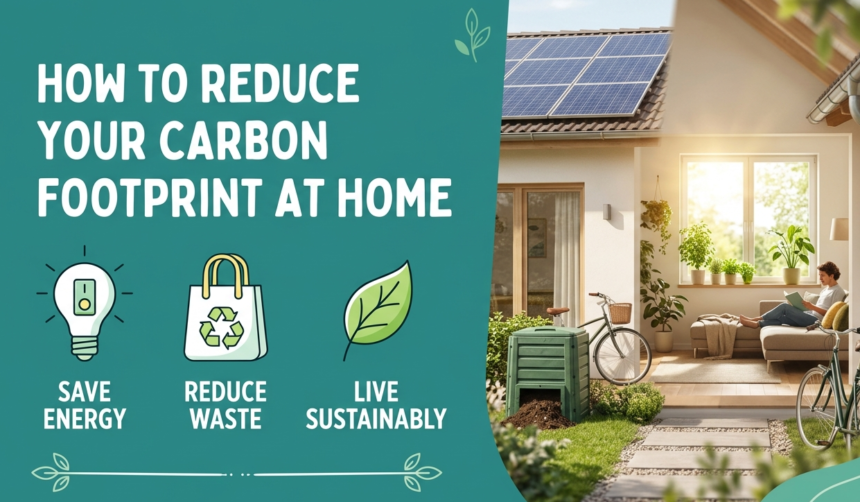
Understanding Your Carbon Footprint
A carbon footprint is the total amount of greenhouse gases emitted directly or indirectly by an individual, organization, event, or product, typically measured in carbon dioxide equivalents (CO2e). It serves as a significant indicator of how everyday choices contribute to climate change. The awareness of one’s carbon footprint is paramount as it enables individuals to understand their environmental impact and adopt strategies to minimize it.
Measuring a carbon footprint can involve various tools and methodologies, often encompassing the assessment of energy usage, travel habits, waste production, and dietary choices. Each of these areas contributes to the total emissions associated with an individual’s lifestyle. For instance, heating and cooling a home accounts for a substantial portion of residential energy consumption, leading to higher carbon emissions. By being mindful of energy use and opting for energy-efficient appliances, individuals can effectively lower their carbon footprint.
Transportation is another key factor in determining one’s carbon footprint. Whether commuting by car, using public transportation, or utilizing air travel, each method has a different level of emissions associated with it. Therefore, making conscious decisions, such as carpooling or choosing to bike for short distances, can significantly reduce personal contributions to carbon emissions.
Moreover, household waste production plays a critical role in carbon output. Items sent to landfills can produce methane, a potent greenhouse gas, as they decompose. By practicing recycling, composting, and reducing unnecessary consumption, individuals can mitigate their waste’s impact on the environment.
Finally, dietary choices, particularly the consumption of animal vs. plant-based foods, have been shown to substantially influence an individual’s carbon footprint. Advocating for a more plant-based diet can lead to reduced demand for resource-intensive meat products, thereby lessening greenhouse gas emissions.
Energy Efficiency in the Home
Improving energy efficiency in the home is a crucial step toward reducing your carbon footprint. One of the most effective ways to achieve this is by upgrading to energy-efficient appliances. These appliances are designed to use less electricity while maintaining the same level of performance. Look for products with the ENERGY STAR label, as they meet strict energy efficiency guidelines set by the U.S. Environmental Protection Agency.
In addition to modern appliances, switching to LED lighting is another practical strategy. LED bulbs consume significantly less energy than traditional incandescent bulbs and have a longer lifespan, making them an economical choice in the long run. By replacing all your home’s light fixtures with LED options, you can drastically reduce your energy usage.
Proper insulation also plays a vital role in energy conservation. By ensuring that your home is well-insulated, you can maintain a comfortable temperature without over-relying on heating or cooling systems. Check areas such as attics, crawl spaces, and around windows and doors for gaps or insufficient insulation, and take corrective measures as necessary.
Another valuable addition is a smart thermostat. Smart thermostats allow you to optimize your heating and cooling schedules based on your lifestyle. By adjusting the temperature settings when you’re away from home or asleep, you can significantly decrease energy consumption without sacrificing comfort.
Conducting a home energy audit is an essential first step in identifying opportunities for improvement. This audit involves evaluating the efficiency of your appliances, insulation, and overall energy usage. There are various online tools and professionals who can assist you in performing a comprehensive energy audit, providing tailored suggestions for enhancements.
Sustainable Transportation Choices
Transportation plays a crucial role in our daily lives, and its impact on the environment can be significant. One of the most effective ways to reduce your carbon footprint at home is to reconsider your transportation choices. By decreasing the reliance on single-occupancy vehicle trips, individuals can significantly lower greenhouse gas emissions.
Utilizing public transportation is one of the most sustainable methods for getting around. Buses and trains can carry many passengers at once, which reduces the number of vehicles on the road and consequently the energy consumption and emissions associated with personal vehicles. Additionally, opting for biking or walking not only contributes to a greener environment but also promotes personal health and well-being.
Carpooling is another effective strategy that deserves attention. By sharing rides with others, individuals can minimize the number of cars on the road, leading to lower fuel consumption and reduced traffic congestion. This practice also fosters a sense of community among participants.
Moreover, the rise of electric and hybrid vehicles offers an alternative to traditional gas-powered automobiles. These vehicles typically produce fewer emissions and are more efficient, thus making them a better choice for the environmentally conscious consumer. However, it is essential that owners maintain their vehicles properly to ensure optimal fuel efficiency, which includes regular servicing and proper tire inflation.
Incorporating these sustainable transportation choices into daily life not only contributes to a reduction in carbon footprint but also supports a healthier environment for future generations. Making informed decisions about how we travel can have a profound positive effect, both individually and collectively, in the ongoing effort to combat climate change.
Waste Reduction Practices
Reducing waste at home is an integral part of minimizing one’s carbon footprint. Adopting effective waste reduction practices not only contributes to environmental sustainability but also promotes resource efficiency. One of the most impactful methods is composting, which involves the decomposition of organic materials, such as food scraps and yard waste, into nutrient-rich soil. By composting, households can divert significant amounts of waste from landfills while simultaneously creating a valuable product that enriches gardens.
Recycling is another key strategy in waste reduction. It is essential to familiarize oneself with local recycling guidelines and to ensure that materials are properly sorted and cleaned before placing them in recycling bins. Items such as paper, plastics, and metals can usually be recycled, thereby conserving energy and natural resources. Furthermore, it is advisable to reduce the use of single-use plastics, a significant contributor to environmental pollution. One way to achieve this is by opting for reusable bags, bottles, and containers.
In addition to these practices, adopting a mindset of mindful purchasing can further assist in waste reduction. This involves being conscious of the products one buys, selecting items with minimal packaging, and choosing high-quality goods that have a longer lifespan. Supporting a circular economy is equally important, which can be done by purchasing second-hand or upcycled products. By doing so, consumers not only reduce demand for new resources but also support local businesses and reduce waste. Overall, embracing these waste reduction practices fosters a more sustainable lifestyle while contributing positively to the planet.
Water Conservation Techniques
Water conservation is a crucial element in the effort to reduce our carbon footprint at home. Not only does excessive water use contribute directly to environmental degradation, but it also increases energy consumption associated with heating water, treating, and pumping it. Therefore, being mindful of our water usage can significantly impact both our immediate environment and our carbon footprint.
One of the first steps in water conservation is to address any leaks in plumbing fixtures such as faucets, toilets, or pipes. A small leak can waste gallons of water each day, adding to unnecessary water costs while simultaneously increasing energy use due to the demand for heating additional water. Regular maintenance and prompt repairs contribute to significant reductions in water waste.
Installing water-efficient fixtures, such as low-flow showerheads and dual-flush toilets, can drastically reduce water consumption without sacrificing performance. These fixtures are designed to use less water per flush or per minute, ensuring that households can conserve water in their daily routines. Furthermore, these modifications often lead to lower energy bills since less heated water will be needed.
Another effective approach is rainwater harvesting. By collecting and storing rainwater, homeowners can utilize this resource for irrigation purposes, thus reducing their reliance on municipal water sources. This practice not only conserves water but also helps lower the energy required for processing and delivering water.
Mindful gardening practices are also essential for water conservation at home. Using native plants that require less irrigation, applying mulch to retain soil moisture, and implementing drip irrigation systems can significantly decrease the amount of water needed for landscaping. These techniques not only diminish water usage but also create a more sustainable and resilient garden.
Embracing a Plant-Based Diet
The choices we make regarding our diet can significantly influence our carbon footprint. Adopting a plant-based diet is one effective way to reduce harmful emissions associated with food production. The livestock sector is one of the largest contributors to greenhouse gas emissions, with meat and dairy products leading to higher carbon footprints compared to plant-based foods. By decreasing meat and dairy consumption and incorporating more fruits, vegetables, legumes, and grains into our meals, we can greatly lower the environmental impact of our dietary habits.
Additionally, the environmental implications of food production vary greatly among different methods. For instance, the cultivation of beans, lentils, and quinoa generally requires less energy than raising livestock. Furthermore, growing plants typically uses less water and generates fewer emissions than animal agriculture. Transitioning to a plant-centric diet allows individuals to contribute to a more sustainable food system while still enjoying diverse and nutritious meals.
Meal planning is a strategic approach to implement a plant-based diet effectively. It allows for better management of groceries and reduces food waste, a significant contributor to carbon emissions. When planning meals, consider incorporating seasonal produce and sourcing food locally. This not only minimizes the carbon footprint associated with transportation but also supports local economies. Furthermore, being mindful of food storage and leftover management can enhance sustainability at home, preventing waste and ensuring that food is consumed efficiently.
In summary, embracing a plant-based diet and making concerted efforts to reduce meat and dairy consumption can play a pivotal role in decreasing your household’s carbon footprint. By adopting these strategies and being intentional about food choices and planning, individuals contribute to a healthier planet while enjoying the benefits of a diverse and nourishing diet.
Creating a Sustainable Garden
Creating a sustainable garden is an effective way to reduce your carbon footprint while simultaneously promoting a healthier environment. By growing your own fruits and vegetables, you not only minimize the need for store-bought produce, which often involves considerable energy and transportation costs, but you also have the opportunity to ensure your food is grown organically, without harmful pesticides or fertilizers. This practice substantially diminishes the carbon emissions associated with conventional agriculture.
In addition to growing food, incorporating native plants into your garden can significantly support local biodiversity. Native plants are well-adapted to the local climate and soil conditions, requiring less water and maintenance compared to exotic species. By attracting local pollinators and beneficial insects, these plants contribute to a thriving ecosystem that helps balance the environment around your home. This can lead to healthier growth of your garden, reducing the need for chemical interventions that can harm both the soil and the surrounding wildlife.
Adopting organic gardening practices further enhances the sustainability of your garden. Techniques such as crop rotation, composting, and the use of natural pest control not only improve soil health but also reduce greenhouse gas emissions. Additionally, implementing permaculture principles allows for a more holistic approach to design, working with nature rather than against it. This can involve creating a self-sustaining environment that recycles nutrients and utilizes rainwater effectively, thereby minimizing waste and energy use.
By investing time and effort into creating a sustainable garden, you can play a significant role in combating climate change. Each small step contributes to a larger movement towards ecological responsibility and sustainability. Ultimately, a well-planned garden does not only enhance your home aesthetic but also fosters a deeper connection to nature and the planet.
Involving Your Household and Community
Reducing carbon emissions at home cannot be achieved in isolation; it requires collective action from households and communities. Engaging family members in sustainability practices is a foundational step. Start by organizing household meetings to discuss the importance of reducing your carbon footprint and how each person can contribute. Encourage family members to share their ideas on sustainable practices, such as reducing energy consumption, recycling, and using public transportation. By fostering a sense of shared responsibility, you create a united front in the fight against climate change.
Moreover, it is essential to promote awareness about environmental issues within your community. Host informative sessions that focus on the impact of carbon footprints and the various strategies to combat them. Involving local schools can further amplify this message, where children can learn about environmental stewardship and share their knowledge at home. This will help instill sustainable habits in younger generations.
Participating in local initiatives is another effective way to foster community engagement. Community clean-ups are not only beneficial for the environment but also encourage residents to work together toward a common goal. Another option is to organize sustainability workshops where individuals can learn practical skills, such as composting, gardening, or energy-efficient home improvements. By actively participating in these activities, community members feel empowered to take additional steps towards sustainability.
Joining or starting local environmental groups can significantly enhance your collective impact. These groups often organize events, share resources, and create networks of support among members. Collaboratively identifying and addressing community-specific environmental concerns makes the effort more personal and relatable, thus inspiring greater participation. Overall, collective action is a powerful tool in mitigating carbon emissions and fostering a sustainable future for all.
Tracking Your Progress and Staying Motivated
Maintaining a commitment to reducing your carbon footprint at home requires regular tracking and motivation. Monitoring your progress not only helps you understand the impact of your efforts but also inspires continued action. Begin by leveraging various online tools and apps designed for this purpose. Platforms such as My Carbon Footprint and EcoTrack allow users to log their daily activities, such as energy consumption, waste production, and transportation habits, providing a clearer picture of their sustainability journey.
Setting achievable and measurable sustainability goals can enhance your progress tracking. For instance, aim to decrease energy usage by a certain percentage or cut back on single-use plastics within specific timeframes. Break these larger goals into smaller, actionable steps. This approach not only feels more attainable but also facilitates detailed tracking of each milestone, further motivating your efforts.
Engaging with community initiatives can significantly bolster your motivation. Joining local environmental groups or participating in community clean-up events creates a supportive network focused on sustainability. Sharing your progress on social media or platforms dedicated to environmentally conscious living fosters a sense of accountability and inspires others. Celebrate your successes, no matter how small, and consider documenting them through blogs or vlogs. Personal stories of achieving reduced carbon footprints can encourage others to embark on their sustainability journeys.
To maintain long-term commitment, revisit your goals periodically to assess and update them according to your evolving circumstances and knowledge. Establishing a routine that incorporates sustainable practices into daily life, such as meal planning to prevent food waste or using public transport instead of cars, can reinforce your dedication. Continuous education on climate issues and innovations in sustainable living also plays a pivotal role in keeping you motivated. Ultimately, embracing a proactive approach to tracking and community involvement can lead to significant progress in reducing your carbon footprint.