
Understanding Chemistry: The Science Behind Matter
Chemistry is a fundamental branch of science that delves into the composition, structure, properties, and changes of matter. At its core, chemistry seeks to understand how substances interact, how they combine, and the processes that govern these interactions. This scientific discipline is essential for uncovering the nature of materials we encounter daily, providing insight into everything from the food we eat to the medicines we consume, and even the materials used in construction.
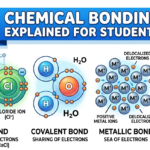
The basic units of chemistry are atoms and molecules. Atoms, the smallest units of matter, consist of protons, neutrons, and electrons. These atoms combine to form molecules, which are groups of atoms bonded together. The study of how these interactions take place is crucial for understanding chemical reactions. Chemical reactions may involve the rearrangement of atoms, leading to the formation of new substances. For example, when hydrogen gas reacts with oxygen, it produces water, a simple yet vital compound for life on Earth.
Moreover, understanding chemistry equips us with the knowledge to manipulate materials and create new substances with desired properties. This ability to innovate is evident in various industries, including pharmaceuticals, cosmetics, and food science. By understanding chemical principles, scientists can develop medications, enhance food preservation techniques, and formulate products that improve our quality of life.
In summary, chemistry plays a vital role in our daily lives, serving as the backbone of numerous scientific and industrial advancements. Its applications are deeply woven into the fabric of our existence, making it imperative to appreciate this science as we navigate through a world rich with complex interactions of matter.
Chemistry in the Kitchen: Cooking and Food Preparation
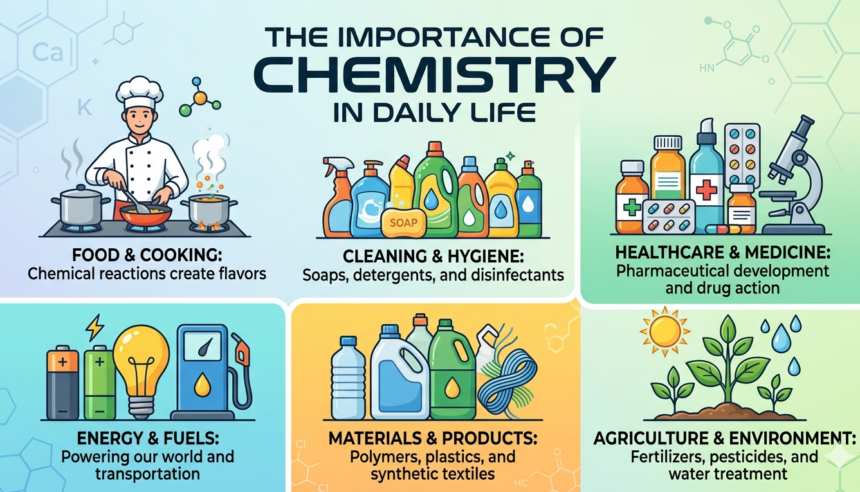
Cooking is often seen as an art, yet it is fundamentally rooted in chemistry. At the core of food preparation are various chemical reactions that transform raw ingredients into delicious meals. Understanding these processes can significantly enhance culinary skills and ensure food safety. One notable example of a chemical reaction in cooking is the Maillard reaction. This reaction occurs when amino acids and reducing sugars react under heat, resulting in the browning of food that not only improves its flavor but also enhances its visual appeal. This complex series of reactions is crucial for grilling, roasting, and sautéing.
Fermentation also exemplifies the role of chemistry in the kitchen. This biochemical process involves microorganisms like yeasts and bacteria converting sugars into acids, gases, or alcohol. Fermented foods such as bread, yogurt, and sauerkraut not only offer unique tastes and textures but also promote digestive health. Mastery of fermentation requires an understanding of the optimal conditions for microbial growth, including temperature and pH levels, ensuring safe consumption.
Another critical aspect is the science of baking, where precise measurements and reactions play a vital role. Baking soda and baking powder, for instance, help create leavening through a chemical reaction that produces carbon dioxide gas when they come into contact with moisture and heat. This gas expands and causes the dough to rise, leading to lighter, fluffier baked goods. Knowledge of how these ingredients work together, as well as the impact of temperature, can greatly improve baking outcomes.
In conclusion, chemistry is integral to cooking and food preparation, influencing everything from flavor development to food safety. By honing an understanding of these chemical processes, cooks can enhance their culinary skills and produce higher-quality meals.
Personal Care Products: Chemistry at Work
The chemistry behind personal care products such as shampoos, lotions, and makeup plays a crucial role in their effectiveness and overall user satisfaction. Understanding the ingredients and their chemical interactions can provide insight into which products are most suitable for individual skin and hair types. For instance, shampoos often contain surfactants, which are compounds that help to break down oils and dirt, enabling easy rinsing. Common surfactants found in shampoos include sodium lauryl sulfate and cocamidopropyl betaine. Their effectiveness can vary based on hair type; for instance, those with dry or curly hair may benefit more from sulfate-free options, which are gentler and less drying.
Lotions, on the other hand, comprise a blend of emollients, humectants, and occlusives—all of which play distinct roles in skin hydration. Emollients such as glycerin and shea butter smooth the skin’s surface, humectants like hyaluronic acid draw moisture into the skin, while occlusives such as petrolatum lock in that moisture. The right combination is essential for achieving the desired hydration effect, particularly for individuals with specific skin conditions such as eczema or psoriasis. Understanding these components allows consumers to make informed decisions about which personal care products could best meet their needs.
Additionally, makeup products utilize a variety of chemical compounds to enhance appearance and ensure longevity. Colorants, preservatives, and stabilizers are common ingredients that require a careful balance to prevent irritation and ensure product safety. For instance, those with sensitive skin might gravitate towards foundations with fewer synthetic dyes. By exploring the chemistry behind these products, individuals can select items that are not only effective but also align with their personal care requirements.
Household Cleaning: Chemistry in Action
Chemistry plays a vital role in everyday household cleaning, significantly influencing the effectiveness of various cleaning agents. Understanding the chemical properties of these products empowers consumers to choose the most effective solutions for maintaining cleanliness and hygiene. Cleaning agents can be broadly categorized into two groups: detergents and disinfectants, each designed to tackle specific tasks through unique chemical mechanisms.
Detergents primarily function by reducing the surface tension of water, allowing it to penetrate and interact more effectively with grime and dirt. They possess molecules with hydrophilic (water-attracting) and hydrophobic (water-repelling) parts, enabling them to attach to both water and fat-based stains. When used in laundry or dishwashing, detergents work by dislodging and suspending these particles in water, thereby preventing them from re-depositing onto surfaces. This chemical interaction is essential for achieving clean results, making it crucial to select a detergent tailored to the type of fabric or surface being cleaned.
In contrast, disinfectants are specialized agents aimed at eliminating harmful microorganisms, including bacteria and viruses. Their effectiveness often relies on the active chemical ingredients they contain, such as bleach, hydrogen peroxide, or alcohol. These substances can disrupt microbial cell walls, leading to cell death. Knowing the right concentration and application method for disinfectants is key to ensuring their efficacy while minimizing health risks associated with improper use.
A deeper understanding of the chemistry behind these household cleaning products not only aids in selecting the effective option but also promotes safe usage and environmental mindfulness. As consumers become more aware of how chemical interactions influence cleaning performance, they will be better equipped to maintain a clean and healthy home environment.
Medicinal Chemistry: The Science of Health and Healing
Medicinal chemistry is a critical discipline that bridges the gap between chemistry and pharmacology. It focuses on the design, development, and optimization of pharmaceutical compounds, playing a vital role in the creation of medications that improve health and prevent diseases. By understanding the chemical properties of substances, medicinal chemists can manipulate molecules to develop effective therapeutics that target specific ailments.
The drug formulation process heavily relies on various chemical processes to ensure that the active ingredients are not only effective but also safe for human consumption. This involves creating a specific molecular structure that will interact with biological systems in a desired manner, enhancing efficacy while minimizing side effects. For instance, through techniques such as structure-activity relationship (SAR) analysis, chemists can refine a compound’s structure to improve its pharmacological properties, such as solubility and bioavailability.
The role of chemists extends beyond the initial stages of drug discovery. They are integral in the synthesis of novel drugs and the development of delivery systems that enhance therapeutic outcomes. By employing principles of organic chemistry, they can develop complex molecules that act on specific biological targets, such as enzymes or receptors, thereby offering a tailored approach to treatment. Furthermore, their expertise allows for the identification of potential drug candidates that can combat emerging health threats, including antibiotic resistance and novel viral infections.
In summary, medicinal chemistry serves as a cornerstone in the development of pharmaceuticals, directly influencing health outcomes and quality of life. Through the meticulous work of chemists, the formulation of innovative medications becomes possible, showcasing the indispensable role chemistry plays in our everyday lives.
Environmental Chemistry: Protecting Our Planet
Environmental chemistry is an essential field that focuses on understanding the chemical processes occurring in the environment and their impact on human health and ecosystems. It plays a pivotal role in addressing the pressing issues of pollution and sustainability. By employing chemical principles, environmental chemists analyze pollutants in air, water, and soil, helping to identify their sources and pathways. This understanding empowers governments and organizations to formulate effective policies aimed at reducing environmental contamination.
One significant aspect of environmental chemistry is waste management. The chemistry behind waste treatment processes allows for the development of methods to safely dispose of or recycle materials. For instance, the chemical breakdown of hazardous substances into non-toxic components is crucial for protecting groundwater from contamination. Moreover, advanced chemical techniques are employed in the design of biodegradable materials, thus reducing the burden on landfills and promoting sustainability.
Furthermore, the field is at the forefront of developing cleaner technologies to minimize the environmental footprint of industrial processes. Chemical innovations are essential in creating alternative energy sources, such as biofuels and solar cells, which present cleaner options compared to fossil fuels. Additionally, environmental chemists work on improving the efficiency of existing technologies through catalysis and materials science, leading to reductions in greenhouse gas emissions and overall environmental impact.
As the challenges to our planet increase, the importance of environmental chemistry in devising solutions that facilitate sustainability cannot be overstated. By providing insights into pollutant behavior and developing remediation strategies, this discipline not only aids in protecting ecosystems but also promotes public health. Therefore, a deeper understanding of its principles is crucial for anyone interested in fostering a cleaner and more sustainable future.
The Role of Chemistry in Agriculture
Chemistry plays a pivotal role in modern agriculture, impacting various aspects of crop production, food security, and sustainable farming practices. The creation and application of fertilizers, pesticides, and herbicides are fundamentally rooted in chemical principles. Fertilizers, for instance, are formulated using a combination of essential nutrients such as nitrogen, phosphorus, and potassium, which are vital for plant growth and development. By understanding the chemical processes that govern nutrient availability and absorption, agricultural scientists can optimize fertilizer formulations, ensuring that crops receive the necessary nourishment while minimizing environmental impact.
The development of pesticides and herbicides is another crucial area where chemistry is applied. These chemicals are designed to target specific pests and weeds that threaten crop yields. Employing chemical knowledge allows for the creation of safer and more effective pest management solutions, which is essential for maintaining high levels of agricultural productivity. Furthermore, ongoing advancements in chemistry lead to the formulation of biopesticides derived from natural sources, promoting more sustainable practices that reduce reliance on synthetic chemicals.
Advancements in chemistry also contribute significantly to food security. Enhanced crop varieties, achieved through chemical knowledge in plant breeding, offer better resistance to diseases and environmental stresses, resulting in increased yields. The formulation of controlled-release fertilizers and smart irrigation systems exemplifies how chemical innovations can optimize resource use and improve efficiency on farms. This is critically important as the global population continues to rise, demanding more food from limited arable land.
In summary, chemistry is integral to agriculture, facilitating advancements in crop management, enhancing food production, and promoting sustainable agricultural practices. By applying chemical concepts and innovations, the agricultural sector can address the challenges posed by a growing population and changing environmental conditions, ensuring food security for future generations.
The Impact of Chemistry on Industry and Manufacturing
Chemistry plays an essential role in various industries and manufacturing processes, contributing significantly to the production of numerous materials and products that are integral to modern society. The applications of chemical principles can be witnessed across diverse sectors, including plastics, metals, and textiles, underscoring the versatility and importance of chemistry in industrial settings.
In the plastics industry, chemistry is fundamental to the development of synthetic materials such as polyethylene, polystyrene, and polyvinyl chloride (PVC). These polymers are used in countless applications, from packaging to construction. The ability to manipulate molecular structures allows chemists to design materials with specific properties, such as flexibility, strength, and durability, which are critical for meeting consumer demands and regulatory standards. The innovative use of chemistry not only enhances material performance but also fosters economic growth within the plastics sector.
Similarly, in metallurgy, the application of chemistry facilitates the extraction and processing of metals. Chemical reactions are essential in the smelting process, which transforms ore into usable metals like iron, copper, and aluminum. Understanding the chemical properties of various elements allows industries to optimize their processes, reduce waste, and improve the efficiency of metal production. Such advancements not only support the manufacturing of durable goods but also contribute to sustainable practices within the industry by reducing environmental impact.
Textiles, another vital industry, equally exemplifies the significance of chemistry. The development of synthetic fibers, such as nylon and polyester, has revolutionized clothing manufacturing, offering durability and resistance to wrinkling and shrinking. Chemistry is used extensively in dyeing and finishing processes, enhancing the aesthetic qualities of textiles while ensuring that they meet safety and performance standards.
Ultimately, the interconnection of chemistry with innovation in these industries ensures continued economic growth and the development of new materials and products that meet the evolving needs of society. The ongoing advancements in chemical processes are essential not only for efficiency but also for fostering sustainability and addressing environmental challenges. Thus, the impact of chemistry in industry and manufacturing cannot be overstated, as it remains a driving force behind productivity and innovation.
The Future of Chemistry: Innovations and Advancements
The landscape of chemistry is continuously evolving, driven by remarkable innovations and advancements that have profound implications for our daily lives. One of the most exciting frontiers in chemistry is the development of sustainable materials and processes aimed at reducing environmental impact. Biodegradable plastics and renewable energy sources are examples of how chemistry is responding to the urgent need for environmental stewardship. Researchers are exploring biomimicry, which involves designing materials based on the structures and functions found in nature, offering exciting possibilities for the future.
Furthermore, advancements in medicinal chemistry are paving the way for novel pharmaceuticals that target diseases more effectively with fewer side effects. Personalized medicine, which tailors medical treatment to individual characteristics of each patient, relies heavily on chemical understanding. This growing field of targeted therapies underscores the importance of continued research in pharmaceuticals, one that promises to revolutionize how we treat chronic ailments and manage health care.
Another noteworthy area is the integration of artificial intelligence (AI) in chemical research, enabling faster identification of compounds and accelerating the drug discovery process. AI algorithms can analyze vast datasets and predict molecular behaviors, which enhances the efficiency and accuracy of experiments. This marks a significant step towards bridging chemistry with advanced technology, fostering collaboration between disciplines for innovative solutions.
Moreover, ongoing education in chemistry remains crucial. As future challenges in health, environment, and industry arise, possessing a deep understanding of chemical principles will empower individuals to contribute meaningfully to societal advancements. New educational tools and platforms are emerging, making chemistry more accessible, thus preparing a new generation of scientists and engineers poised to tackle the complexities of tomorrow.