

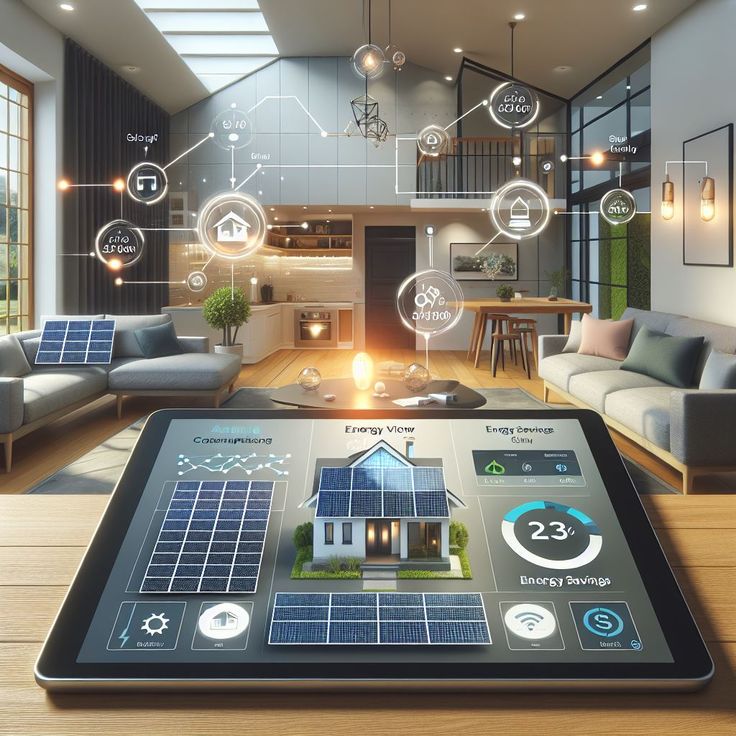
Introduction to Smart Home Technology
Smart home technology refers to the integration of devices and systems within a residence that can be remotely controlled and monitored via the internet. This technology utilizes a network of interconnected devices, allowing homeowners to manage various functions such as lighting, temperature, security, and entertainment from a single interface, often through smartphones or tablets. The central premise of smart home technology is to enhance convenience, efficiency, and security in everyday living.
At the core of smart home systems are smart devices, which come in various forms and functionalities. For example, smart speakers, like Amazon Echo or Google Home, serve as voice-activated assistants that can perform tasks such as playing music, setting reminders, or controlling other smart devices within the home. Smart thermostats, such as the Nest Learning Thermostat, enable efficient temperature management, learning user habits over time to optimize heating and cooling while conserving energy.
AD
Security systems also play a vital role in smart homes. These include smart locks that can be controlled remotely, video doorbells that allow homeowners to see and communicate with visitors through their smartphones, and comprehensive camera systems that offer real-time surveillance. Each of these devices contributes to the overall functionality and security of the home environment, improving homeowner peace of mind.
Moreover, smart home technology is advancing rapidly, with innovations such as smart appliances that can monitor their own performance and communicate with users about maintenance needs. This trend towards connectivity not only streamlines the management of household tasks but also raises the potential for energy savings and increased safety. Overall, smart home technology is reshaping the way we interact with our living spaces, making everyday tasks simpler and more efficient.
The Rise of Internet of Things (IoT)
The Internet of Things (IoT) has seen remarkable growth in recent years, fundamentally altering the landscape of modern homes. As technology continues to advance, the integration of smart devices has become increasingly prevalent, transforming traditional living spaces into interconnected environments. According to a study by Statista, the number of connected IoT devices is projected to reach approximately 30 billion by 2025, reflecting a significant increase from just over 10 billion in 2020. This surge in connectivity underscores the increasing dependence on smart technology in households.
Homeowners are now embracing the benefits of IoT, with numerous benefits ranging from enhanced convenience and energy efficiency to improved security and home management. Smart appliances, lighting systems, and security cameras are just a few examples of the devices that enhance the functionality of homes. The average household in the United States reportedly contains at least 10 connected devices, illustrating the extent to which IoT is integrated into daily life.
Furthermore, technology manufacturers are responding to this demand by innovating and expanding their product lines. Major companies in the tech industry, including Google, Amazon, and Apple, are investing heavily in IoT technology and smart home ecosystems. The trend is not just confined to consumer electronics; industries such as agriculture and healthcare are also leveraging IoT to optimize operations and enhance service delivery. An increasing variety of applications amplifies opportunities for homeowners seeking to create tailored living environments.
As IoT technology continues to evolve, it will undoubtedly bring more sophisticated solutions to consumers, facilitating improved home automation and creating smarter living spaces. The growth of the Internet of Things represents not only a technological shift but also a significant cultural change in how we interact with our living environments.
Benefits of Smart Devices in Homes
The integration of smart devices into residential settings brings a multitude of advantages, notably enhancing energy efficiency, security, convenience, and overall home automation. As more homeowners embrace these technologies, the benefits become increasingly apparent.
One of the most significant benefits is energy efficiency. Smart devices, such as intelligent thermostats and smart lighting systems, can monitor energy usage and adjust settings accordingly. For instance, a smart thermostat can learn a household’s habits and optimize heating and cooling cycles to reduce energy consumption without sacrificing comfort. This not only leads to lower utility bills but also contributes positively to environmental sustainability by decreasing energy waste.
Security is another paramount benefit associated with smart devices. Homeowners have the ability to monitor their premises in real-time through smart cameras and doorbell systems, allowing for immediate alerts in case of suspicious activities. Furthermore, smart locks enable keyless entry, which adds an extra layer of protection and convenience, especially for those who require access control for multiple individuals or contractors.
The convenience offered by smart devices cannot be understated. Automated systems allow users to control appliances, lights, and security features from their smartphones or through voice commands, making daily tasks more manageable. Smart home hubs can integrate various devices, creating a seamless user experience wherein homeowners can execute routines, such as adjusting lighting or temperature with a single command. This level of connectivity and control enhances the comfort of living spaces.
Moreover, the ability to remotely monitor and control home environments is a game-changer, particularly for busy individuals or families. Whether checking on pets via security cameras or adjusting heating before returning home, smart devices provide peace of mind and foster a sense of security and awareness.
Key Smart Devices Revolutionizing Home Living
In recent years, smart devices have increasingly integrated into our daily lives, enhancing convenience and control throughout the home environment. Among the various smart devices making significant strides in household functionality are smart speakers, smart lighting systems, smart security cameras, and smart appliances.
Smart speakers, such as the Amazon Echo and Google Nest Audio, serve as the central hub for a smart home. Equipped with voice assistants, these devices can perform numerous tasks, including playing music, setting reminders, and controlling other smart devices through simple voice commands. Their ability to integrate with various platforms allows users to manage their home settings with ease, significantly improving overall accessibility.
Another crucial component of the smart home ecosystem is smart lighting systems, which allow homeowners to control their lights remotely or through automated schedules. These lighting solutions can be programmed to adjust brightness based on different scenarios or times of day, contributing to energy savings and enhanced comfort. Examples include Philips Hue and LIFX, offering customizable colors and compatibility with voice command features.
Smart security cameras are also gaining popularity for monitoring residential properties. Devices like Ring and Arlo provide real-time surveillance, motion alerts, and video storage options, increasing household security. Many of these systems enable users to view live feeds and communicate with visitors via their smartphones, ensuring peace of mind whether at home or away.
Additionally, smart appliances have begun to reshape traditional home activities. Refrigerators equipped with touch screens, smart ovens, and washing machines that can be controlled via mobile apps streamline daily chores, making household management more efficient. Notably, brands such as Samsung and LG offer intelligent appliances that not only allow remote control but also provide smart diagnostics to enhance performance.
Challenges and Concerns with Smart Home Technology
As homeowners increasingly adopt smart home technology, several challenges and concerns accompany this transformation. One major issue is the risk to privacy and security. Many smart devices, such as cameras and voice assistants, require access to personal data to function effectively. This data can potentially be vulnerable to hacking or misuse, leading to unauthorized access to sensitive information. Homeowners must navigate the delicate balance between convenience and privacy, as breaches in security can result in significant repercussions.
Another notable challenge is device compatibility and complexity. The market is flooded with a variety of smart home devices, yet not all products communicate smoothly with each other. This fragmentation can result in homeowners investing in multi-vendor ecosystems that do not operate seamlessly, causing frustration. Furthermore, the technical complexity of setting up and managing these devices can be daunting for many users. Understanding how to integrate and control a range of devices often requires a steep learning curve, alienating those who may not be tech-savvy.
Finally, there is a growing concern regarding technology dependence. As home automation becomes more prevalent, individuals may find themselves increasingly reliant on smart devices for everyday tasks. This dependence can lead to a diminished capability for self-management and problem-solving in traditional ways. Homeowners may risk feeling overwhelmed, reliant on technology that can malfunction or become obsolete over time. As a result, striking a balance between utilizing these devices and maintaining personal autonomy becomes crucial.
The Role of Artificial Intelligence in Smart Homes
Artificial intelligence (AI) is the backbone of modern smart home technologies, significantly enhancing the functionality and user experience of these devices. By incorporating AI, smart home systems can process vast amounts of data in real-time, allowing them to respond effectively to user interactions and preferences. One of the most notable applications of AI in smart homes is voice recognition technology. This feature enables users to control their home environments simply by speaking commands. Smart speakers, integrated with AI assistants, allow homeowners to adjust lighting, temperature, and even security settings without the need to physically interact with devices.
Moreover, machine learning algorithms enable smart home devices to evolve and adapt based on their interactions with users. For instance, a smart thermostat utilizing AI can learn a household’s heating and cooling preferences over time and automatically adjust settings to optimize comfort and energy efficiency. These adaptive systems analyze usage patterns and occupancy data to create a seamless experience that aligns with the lifestyle of the occupants.
In addition to voice recognition and machine learning, AI-driven security features are becoming increasingly prevalent in smart homes. Advanced surveillance systems use AI for facial recognition, allowing only authorized individuals to gain access to the home. This high level of security is complemented by real-time alerts sent to homeowners in the event of any suspicious activity, thereby enhancing overall safety. Furthermore, AI can also assist in energy management by optimizing the usage of appliances based on user habits, thereby contributing to energy conservation and reduced utility bills.
Overall, the integration of AI in smart homes not only transforms the way individuals interact with their environments but also provides opportunities for greater efficiency, security, and comfort. As technology continues to advance, the potential for AI to enrich smart home ecosystems appears limitless.
Future Trends in Smart Home Technology
The future of smart home technology is poised for remarkable advancements, driven by emerging trends in artificial intelligence (AI), renewable energy integration, and the evolution of user interfaces. As technology progresses, the capabilities of smart devices will continue to expand, providing users with enhanced control and automation within their homes.
One of the most significant trends is the growing reliance on AI in smart home devices. We can expect AI to play a crucial role in allowing these devices to learn user preferences and behaviors more effectively. For instance, smart thermostats will use machine learning algorithms to optimize energy consumption based on individual routines, improving both comfort and efficiency. Meanwhile, AI-driven security systems will enhance home safety by using advanced image recognition to differentiate between familiar faces and potential intruders.
In parallel, the integration of renewable energy sources will further revolutionize smart homes. As homeowners increasingly prioritize sustainability, more smart devices will incorporate technologies that harness solar and wind energy. This trend will not only reduce energy costs but also contribute to a cleaner environment. For example, smart energy management systems will enable homeowners to monitor their energy usage in real time, helping to optimize energy consumption and storage from renewable sources.
Another significant trend is the evolution of user interfaces, making them more intuitive and accessible. Voice-activated assistants and touchless controls are becoming more prevalent, allowing users to command their smart home devices seamlessly. The integration of augmented reality could also redefine the user experience, enabling homeowners to visualize and control their smart devices in new and innovative ways.
As these trends develop, it becomes evident that the smart home technology landscape will continue to evolve, integrating advanced features that enhance convenience, sustainability, and overall living experiences.
Home Automation and Its Impact on Daily Life
The advent of smart devices has revolutionized home automation, fundamentally altering how individuals conduct their daily routines. This transformation is most evident in morning rituals, where automated systems can streamline the start of the day. For instance, smart alarm clocks can be set to gradually increase brightness in the bedroom, mimicking a natural sunrise, thereby allowing individuals to wake up more peacefully. Additionally, programmable coffee makers can begin brewing at a predetermined time, ensuring a fresh cup of coffee is ready as one transitions from sleep to wakefulness.
Beyond the morning routine, automation significantly enhances security in everyday life. Smart security systems provide functionality that far exceeds traditional locks and alarms. With features such as remote monitoring through smartphones, real-time alerts, and automatic locking mechanisms when residents leave, these systems create a fortified home environment. For instance, homeowners can receive instant notifications if unusual activity is detected, allowing for swift action that enhances personal safety. Furthermore, these systems can also integrate with smart doorbells equipped with cameras, enabling homeowners to visually monitor and interact with visitors before granting access.
The integration of smart devices into daily life not only improves convenience but also contributes to a more comfortable living experience. Automated lighting can be adjusted to complement natural daylight levels, reducing the strain on the eyes and saving on energy costs. Additionally, climate control systems can learn individual preferences and adjust heating or cooling settings accordingly, providing optimal comfort with minimal effort. Thus, the implementation of home automation through smart devices heralds a significant shift in how individuals approach their daily lives, enhancing both security and comfort in unprecedented ways.
Conclusion: The Future of Living with Smart Home Devices
The rise of smart home devices has significantly transformed the way we live, offering unprecedented convenience, security, and energy efficiency. As we have explored, these technologies not only enhance day-to-day activities but also contribute to a more sustainable lifestyle. From smart thermostats that optimize energy consumption to intelligent security systems that provide peace of mind, the integration of these devices creates an ecosystem that works harmoniously to improve our living environments.
Moreover, the interconnected nature of smart devices facilitates interaction and automation, enabling homeowners to manage their homes remotely. This capability is particularly beneficial as it allows users to monitor their spaces, adjust settings, and receive alerts, thus fostering a proactive approach to home management. This shift is fundamentally changing the expectations of homeowners, steering them towards a more technology-driven lifestyle.
However, with these advancements also come considerations related to privacy and data security. Ensuring that smart devices are secure is paramount to protect personal information. As we embrace this technological evolution, it is crucial to remain vigilant about the implications of having interconnected systems operating within our homes.
In evaluating how smart home devices are shaping our future, it becomes evident that their role will only expand as technology continues to advance. Consumers should think about how these innovations can enrich their own homes and contribute to a more efficient way of living. As smart devices become increasingly integrated into our daily lives, they hold the potential to redefine not just our homes, but our interaction with the world, making them an essential aspect of modern living.