

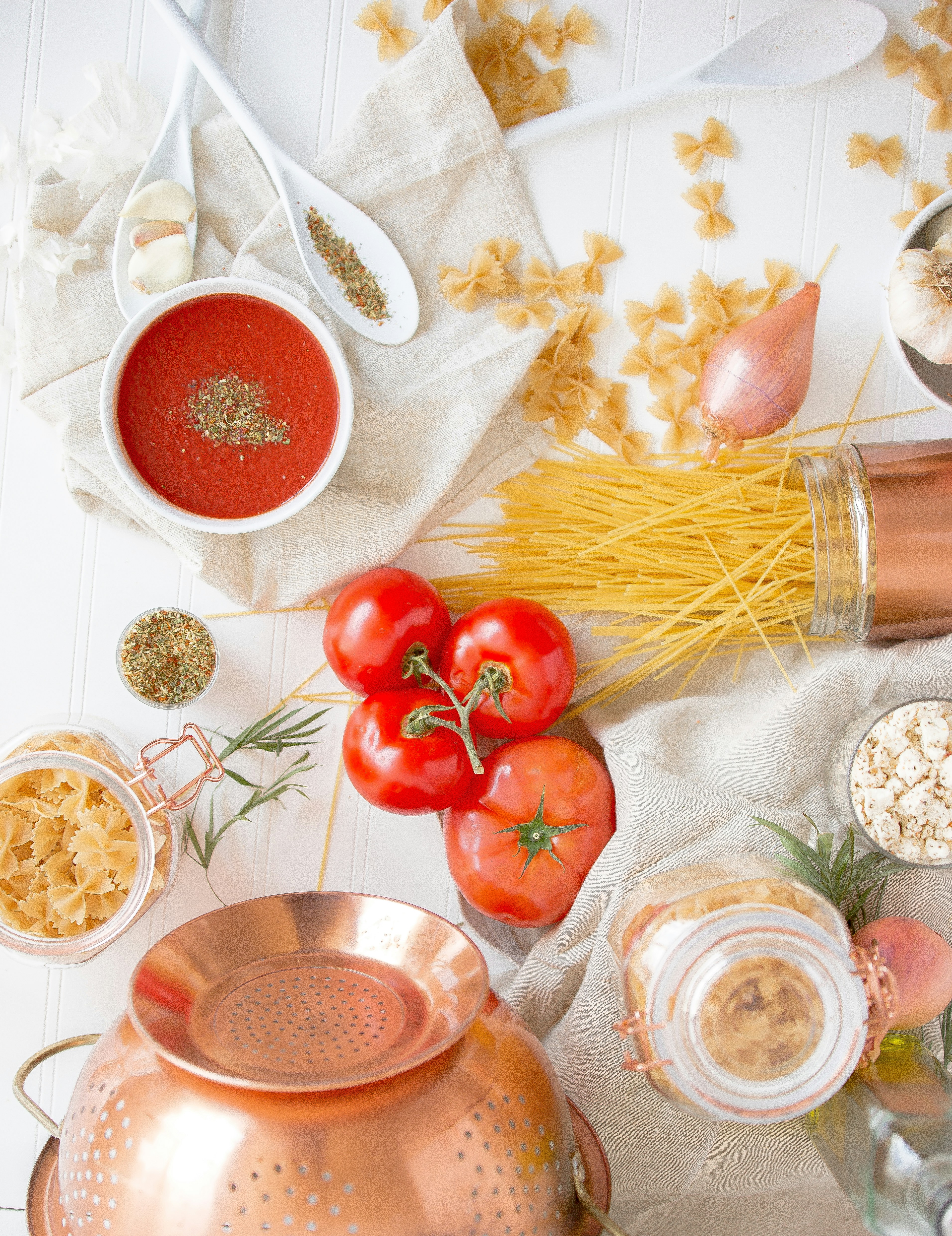
Introduction to Seasonal Ingredients
Seasonal ingredients refer to produce that is harvested at specific times throughout the year, reflecting the natural growing cycles of fruits and vegetables. Understanding the significance of seasonal ingredients is essential for enhancing culinary practices and overall dining experiences. Utilizing ingredients that are in season not only amplifies flavors but also yields numerous benefits for both consumers and the environment.
One of the most prominent advantages of cooking with seasonal produce is the enhanced flavor profile that it offers. Fruits and vegetables that are harvested at their peak ripeness tend to be more flavorful, nutrient-dense, and vibrant compared to those harvested out of season, which may be shipped long distances and sacrificed in quality. This results in dishes that are not only satisfying to the palate but also nourishing to the body. When meals are crafted from seasonal ingredients, the genuine tastes and natural essences of the food are accentuated, leading to a more enjoyable culinary experience.
Moreover, opting for seasonal ingredients plays a significant role in supporting local farmers and communities. Purchasing food that is in season typically means sourcing from local markets, thereby reducing the carbon footprint associated with transportation. This practice also strengthens regional economies and encourages sustainable farming practices, creating a harmonious relationship between consumers, local producers, and ecosystems. By choosing to cook with seasonal ingredients, individuals contribute to the preservation of local biodiversity and the promotion of sustainable agriculture.
In this blog post, we will delve into the various benefits of incorporating seasonal ingredients into your cooking routines, further exploring how these choices foster a deeper connection to food and its origins. As we examine the importance of seasonal ingredients, we aim to inspire readers to embrace this approach in their culinary endeavors.
Enhanced Flavor Profiles
Utilizing seasonal ingredients can significantly enhance the flavor profiles of dishes due to their inherent freshness and optimal ripeness. When fruits and vegetables are harvested at their peak season, they tend to retain more nutrients and have a richer, fuller taste. This heightened vibrancy is a result of the natural growing conditions that allow produce to develop flavor compounds effectively without the constraints of artificial ripening processes often encountered with out-of-season products.
The science behind this freshness centers primarily on two factors: ripeness at harvest and the duration of transportation. When produce is picked at its peak, the sugars and acids within develop harmoniously, leading to a flavor explosion that can rarely be replicated in out-of-season items. Conversely, food harvested too early may not reach its optimal flavor and texture, as it lacks the essential time needed to mature fully on the vine or branch.
The impact of transportation time also plays a critical role in flavor retention. Seasonal ingredients, especially those sourced locally, have reduced travel time from farm to table. This translates to a fresher product with less degradation in flavor and nutritional value. For example, strawberries picked in the summer not only boast a natural sweetness but also yield a juiciness that is often absent in winter strawberries, which are picked prematurely for shipping. Likewise, heirloom tomatoes harvested in late summer offer a complex flavor profile with robust umami and sweetness, distinguishing them from their greenhouse-grown counterparts.
Incorporating seasonal ingredients such as sun-ripened peaches in late summer or hearty root vegetables like pumpkins in autumn can profoundly alter a dish’s taste. Embracing these regional products not only leads to improved flavors but also supports sustainable agricultural practices by leveraging locally grown produce.
Nutritional Benefits
Consuming seasonal ingredients has numerous health advantages, one of the most prominent being their enhanced nutritional value. Fruits and vegetables that are harvested during their peak growing seasons are typically fresher and contain higher concentrations of essential vitamins and minerals. This is primarily due to the fact that these products are allowed to ripen naturally in the field, accumulating more nutrients than those picked early for mass distribution.
For instance, seasonal fruits such as strawberries and blueberries are not only rich in vitamin C but also high in antioxidants, which are essential for combating oxidative stress in the body. Similarly, vegetables like kale and broccoli are packed with vitamins K and A, which play significant roles in bone health and vision, respectively.
In addition to vitamins, seasonal foods also offer a variety of minerals that contribute to a balanced diet. For example, winter squash is known for its high potassium content, which is important for heart health and proper muscle function, while spring vegetables like asparagus are excellent sources of folate, critical for cell division and DNA synthesis.
Eating fruits and vegetables in season not only enhances health but also supports a varied diet, exposing individuals to a wide array of nutrients throughout the year. This diversity is crucial, as different nutrients play specific roles in bodily functions, emphasizing the importance of incorporating various seasonal options into one’s meals.
In summary, prioritizing seasonal ingredients can significantly boost the nutritional quality of meals, helping individuals meet their dietary requirements while reaping the health benefits associated with fresh, peak-harvest foods.
Supporting Local Economies
Choosing to cook with seasonal ingredients plays a significant role in bolstering local economies. By prioritizing produce that is currently in season, consumers directly contribute to the financial wellbeing of nearby farmers and markets. This practice supports a system where local agriculture thrives, generating jobs and encouraging the growth of small businesses. According to a report by the USDA, local farms contribute approximately $140 billion to the national economy annually, reinforcing the importance of buying local.
When individuals choose to buy seasonal ingredients from their local farmers’ markets or cooperative stores, they help reduce the carbon footprint associated with transporting food over long distances. Statistics indicate that food transportation can account for nearly 10% of total greenhouse gas emissions in the United States. By sourcing ingredients that are grown and harvested nearby, consumers can effectively shorten supply chains and minimize their environmental impact.
Moreover, purchasing from local farms often results in fresher produce that can enhance the quality of meals. Local ingredients are typically picked at their peak ripeness, ensuring better taste and nutritional value compared to those shipped from far-flung regions. This practice not only benefits consumers but also fosters a deeper connection between the community and its agricultural roots, promoting awareness of sustainable practices.
Farmers markets and community-supported agriculture (CSA) programs have seen increased participation, with an estimated 8,700 farmers’ markets operating across the country as of 2022. These venues provide an essential platform for local farmers to sell their goods directly, thereby keeping profits within the community. Additionally, investing in seasonal produce supports agricultural diversity, enabling farmers to sustain their livelihoods while promoting environmental health. As consumers continue to recognize these benefits, the impact of seasonal cooking resonates beyond individual households, leading to positive economic changes that benefit entire communities.
Culinary Creativity and Diversity
Incorporating seasonal ingredients into cooking not only enhances the flavors of meals but also fosters culinary creativity and diversity. Each season brings with it a unique selection of ingredients that can inspire cooks to explore new recipes, techniques, and flavor profiles. Spring might celebrate bright and fresh produce like asparagus and peas, while summer is known for its abundance of tomatoes and berries. Autumn invites the warmth of squash and apples, followed by the hearty root vegetables of winter. This shift in available ingredients creates an ever-changing culinary landscape.
To fully embrace this seasonal diversity, cooks can focus on developing a deep understanding of the ingredients available in each season. For instance, learning how to handle ingredients like wild mushrooms in the fall can open the door to creative cooking possibilities. Experimenting with unfamiliar seasonal items can foster a sense of adventure in the kitchen, urging cooks to step outside their comfort zones. Using seasonal produce can inspire new techniques, such as roasting vegetables to enhance their natural sweetness or creating fresh herb marinades that highlight the vibrancy of spring’s bounty.
Moreover, utilizing seasonal ingredients allows for greater environmental sustainability, as they often require less transportation and storage than out-of-season foods. This practice can also lead to more economically sound choices, as seasonal fruits and vegetables are typically at their peak in terms of availability, which can lower costs. Readers are encouraged to visit local farmers’ markets or community-supported agriculture (CSA) programs to connect with the seasonality of food. This experience often provides access to rare and heirloom varieties that are not commonly found in supermarkets.
By diversifying meal planning to include seasonal ingredients, cooks can enjoy a richer and more varied culinary experience, turning every meal into an opportunity for creativity.
Cost-Effectiveness of Seasonal Eating
Embracing seasonal ingredients can significantly enhance not only the flavors of a dish but also the financial efficiency of home cooking. Seasonal produce is typically more affordable due to its abundance during specific times of the year. This phenomenon can be attributed to basic economic principles of supply and demand; when an ingredient is at its peak harvest, it is often readily available in local markets, resulting in lower prices. Conversely, out-of-season fruits and vegetables may incur higher costs due to the need for transportation and specialized growing conditions.
When consumers choose to buy seasonal ingredients, they tap into the natural cycles of agriculture, enhancing both their culinary experience and their budgets. For instance, purchasing tomatoes in the summer as opposed to winter can lead to substantial savings, as summer tomatoes are plentiful and thus, less expensive. In contrast, winter tomatoes are often imported and priced higher, reflecting increased transport costs. Such disparities underline the financial benefits of seasonal eating.
Additionally, meal planning and budgeting can be optimized through the incorporation of seasonal produce. By focusing on what’s in season, shoppers can adjust their grocery lists accordingly, reducing the temptation to overspend on out-of-season items. Utilizing seasonal ingredients can also inspire creativity in the kitchen, encouraging cooks to experiment and reduce waste by making the most of what is available at lower prices. Hence, not only does seasonal eating support local farmers and reduce environmental impact, but it also empowers consumers to make economically sound choices.
Incorporating seasonal ingredients into one’s cooking repertoire can lead to impressive savings over time, particularly when shopping at farmers’ markets or engaging in community-supported agriculture (CSA) programs. These avenues typically provide fresh, local ingredients that are cost-effective, allowing families to enjoy nutritious meals without breaking the bank.
Sustainability and Environmental Impact
Choosing seasonal ingredients offers numerous environmental benefits, contributing significantly to sustainable agricultural practices. When consumers opt for foods in season, they support local farmers and reduce reliance on transportation, which is a key factor in decreasing the carbon footprint of food production. Seasonal ingredients are typically grown closer to the point of consumption, thus minimizing long-distance transportation emissions that accompany out-of-season imports.
Moreover, the seasonal cycle nurtures the land and encourages biodiversity. When crops are planted and harvested according to their natural growth patterns, it leads to healthier soils, reduced pest outbreaks, and less reliance on harmful chemical fertilizers and pesticides. This promotes a balanced ecosystem, as diverse plant species help sustain a variety of insects and wildlife. In contrast, monoculture farming, often associated with industrial agriculture, can have detrimental effects on both the environment and food quality.
Supporting the cultivation and consumption of seasonal foods also fosters community relationships and strengthens local economies. Farmers’ markets and local food co-ops often feature seasonal produce, which, when purchased, helps sustain the livelihoods of local producers and keeps money circulating within the community. This creates a ripple effect of benefits that contributes to sustainable practices and economic resilience.
Additionally, seasonal eating encourages people to adapt their diet to what nature provides at various times of the year. This connection to the natural rhythms promotes awareness of environmental issues and food systems, leading to more conscious consumer behavior. By recognizing the importance of seasonal ingredients, individuals can play a significant role in championing sustainability and environmental stewardship within their communities.
How to Incorporate Seasonal Ingredients in Your Cooking
Incorporating seasonal ingredients into your cooking not only enhances the flavors of your meals but also supports local agriculture and promotes sustainability. Here are some practical tips on how to effectively include seasonal produce in your culinary repertoire.
Firstly, the key to shopping for seasonal ingredients is to understand what is in season at any given time. Local farmer’s markets frequently offer produce that is freshly harvested and reflective of the current season. Use resources such as seasonal produce guides available online or app platforms that provide lists of in-season fruits and vegetables. By choosing ingredients at their peak ripeness, you will enjoy superior flavor and nutritional value.
Meal planning plays a crucial role in utilizing seasonal ingredients. Consider dedicating time each week to plan your meals around what is currently available. This not only helps in saving money as seasonal produce tends to be less expensive, but it also encourages variety in your diet. For example, in spring, you might plan meals featuring asparagus and peas, while in autumn, root vegetables such as carrots and squash can take center stage.
To make the most out of seasonal cooking, experiment with simple recipes that highlight these ingredients. For instance, a summer salad can easily showcase ripe tomatoes, cucumbers, and basil. In winter, a hearty stew utilizing seasonal vegetables like kale and potatoes can be both nutritious and satisfying. Online cooking blogs and recipe websites are excellent resources for discovering ways to prepare and enjoy seasonal produce.
Finally, consider preserving seasonal ingredients for later use. Techniques such as pickling, freezing, or canning can extend the shelf life of your favorite seasonal flavors, allowing you to savor them throughout the year. By making a conscious effort to incorporate seasonal ingredients into your cooking, you foster a deeper connection to food and the changing seasons.
Conclusion: Embrace the Seasons
Incorporating seasonal ingredients into one’s cooking not only enhances flavor but also promotes sustainability and health. Throughout this blog post, we have examined the multifaceted benefits of seasonal cooking, including the advantages of improved taste, nutritional value, and environmental impact. By choosing to cook with ingredients that are in season, individuals can support local farmers and contribute to the community, as well as reduce their carbon footprint associated with long-distance food transportation.
Moreover, the practice of engaging with seasonal ingredients allows for a deeper connection to our food. This connection cultivates a greater appreciation for the variety and abundance that nature provides, encouraging cooks to explore different flavors and cooking techniques. Seasonal cooking presents an opportunity to be more creative in the kitchen, as it inspires individuals to adjust their recipes according to what is fresh and available at any given time.
As we have discussed, embracing seasonal ingredients can improve both the quality of meals and the joy of preparation. The emphasis on fresh, vibrant produce not only makes cooking an enjoyable experience but also fosters a sense of well-being for both the cook and the diner. In conclusion, adopting seasonal cooking practices can lead to a more rewarding culinary experience, fostering both health and happiness through the appreciation of nature’s cycles. It is time to embrace the seasons, to celebrate what each one has to offer, and to let this seasonal bounty reflect in our cooking for a truly delightful gastronomic journey.