
Introduction to Homemade Sauces
Homemade sauces play a pivotal role in everyday cooking, acting as the secret ingredient that transforms ordinary meals into culinary delights. By preparing sauces at home, cooks have full control over the ingredients, allowing them to create tailored flavors that suit personal preferences. This versatility not only enhances the overall taste of dishes but also adds a unique touch, setting homemade meals apart from those prepared with mass-produced sauces.
One of the primary advantages of homemade sauces is the potential for healthier alternatives. Store-bought sauces often contain preservatives, excessive sugars, and unhealthy fats, which can detract from the nutritional value of a meal. In contrast, by making sauces from scratch, individuals can utilize fresh, high-quality ingredients, effectively increasing the overall healthiness of their meals. This not only contributes to better nutrition but also fosters a more rewarding cooking experience.
Furthermore, the act of making sauces at home encourages creativity within the kitchen. Cooks can experiment with different herbs, spices, and textures, resulting in a plethora of unique sauce recipes that reflect diverse culinary traditions and personal tastes. From classic marinara to spicy salsas and creamy dressings, the possibilities are endless. This creative exploration not only enhances the enjoyment of cooking but also empowers individuals by reinforcing their culinary skills and knowledge.
In summary, homemade sauces serve as an essential component of everyday cooking, offering flavorful, healthier alternatives to commercial options. They inspire creativity, allow for customization, and provide a personal touch that elevates meals to new heights. By embracing the art of homemade sauce preparation, anyone can enhance their cooking repertoire and delight in the satisfaction of crafting delicious dishes from scratch.
Classic Tomato Sauce
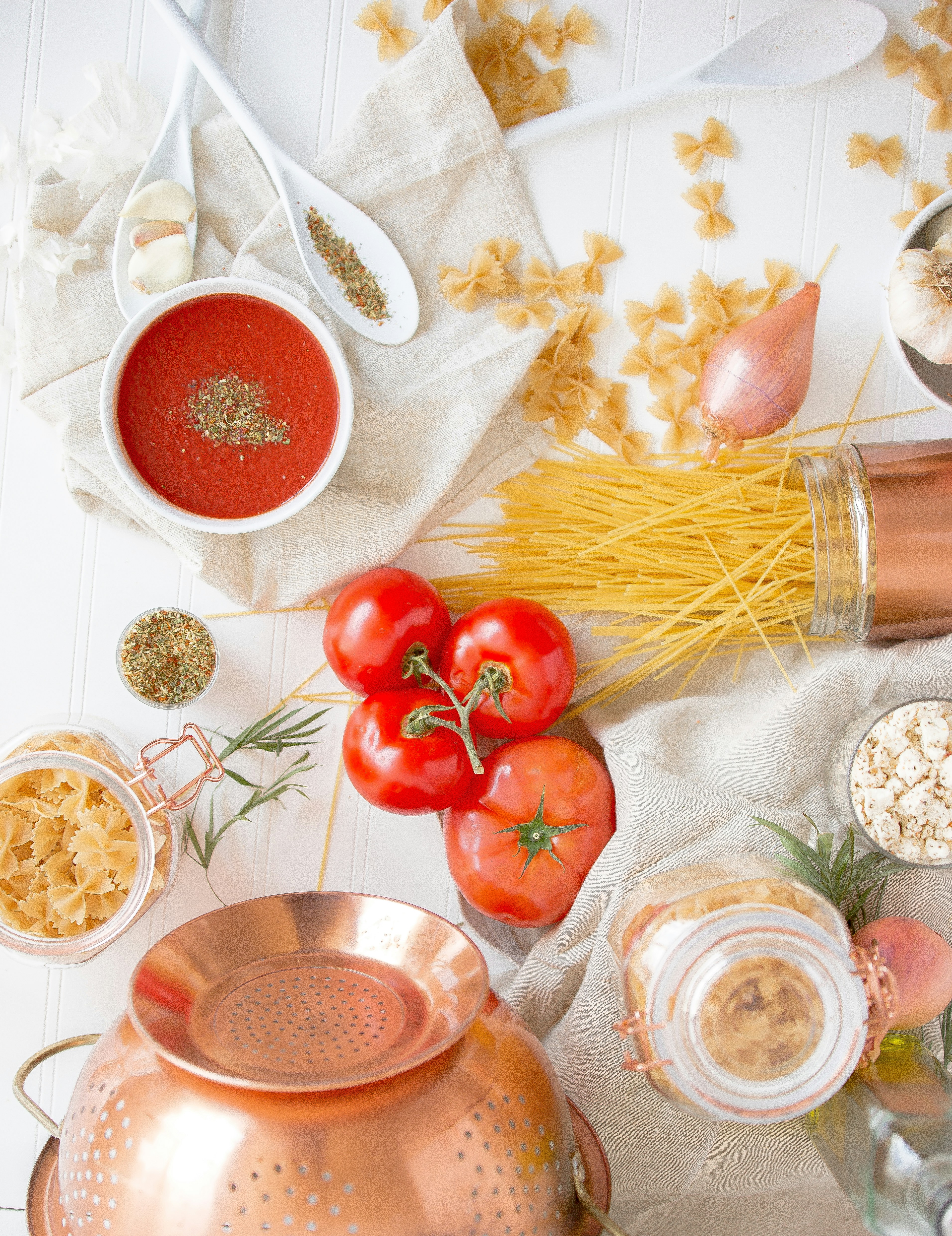
Tomato sauce is a staple in many cuisines, revered for its versatility and rich flavor. The primary components of a traditional tomato sauce include fresh tomatoes, garlic, and a selection of herbs. With just a few ingredients, you can create a robust sauce that will elevate a variety of dishes such as pasta, pizzas, and stews.
To begin making a classic tomato sauce, start with ripe, fresh tomatoes, ideally vine-ripened for the best flavor. Begin by blanching the tomatoes in boiling water for about a minute to loosen their skins. After peeling, chop the tomatoes into small pieces and set aside. In a heavy-bottomed saucepan, heat olive oil over medium heat and add minced garlic, cooking until fragrant but not browned. Next, add the chopped tomatoes along with salt, pepper, and any preferred herbs such as basil, oregano, or thyme. Allow the mixture to simmer uncovered, stirring occasionally, for 30-40 minutes until it thickens, resulting in a rich, flavorful sauce that is perfect for various meals.
There are numerous variations of tomato sauce that can also be explored. For instance, using roasted tomatoes can deepen the flavor profile, introducing a subtle sweetness. To do this, place halved tomatoes on a baking sheet, drizzle with olive oil, and roast in the oven until caramelized. Additionally, spices such as red pepper flakes or smoked paprika can be added to create a kick of heat or a hint of smokiness. Furthermore, incorporating vegetables like bell peppers or onions can introduce more complexity and nutrition to the sauce.
This classic tomato sauce serves as a foundational element in numerous recipes and is easily adaptable to suit personal tastes. Whether enjoyed simply or enhanced with additional ingredients, understanding how to make a basic tomato sauce unlocks a world of culinary possibilities.
Creamy Alfredo Sauce
Alfredo sauce is a classic Italian white sauce that has become a staple in many kitchens worldwide, particularly paired with pasta dishes. This rich and creamy sauce is ideally made with a few essential ingredients: butter, heavy cream, and grated Parmesan cheese. The simplicity of these core ingredients is what makes the sauce truly delightful and versatile.
To prepare the perfect creamy Alfredo sauce, begin by melting a generous amount of unsalted butter in a pan over medium heat. Once the butter has fully melted, gradually add heavy cream while continuously stirring. This process allows the flavors to meld seamlessly. After the cream is well combined with the butter, allow the mixture to simmer gently for a few minutes, ensuring it thickens slightly, which is essential for achieving that luscious, creamy texture.
Next, incorporate grated Parmesan cheese into the mixture and stir until it has completely dissolved, creating a smooth consistency. Adjust the seasoning with salt and freshly ground black pepper to taste, remembering that the cheese will contribute to the sauce’s saltiness. If desired, add minced garlic to enhance the flavor; this step is particularly recommended for those who enjoy a more robust taste profile.
To elevate your Alfredo sauce further, consider incorporating vegetables such as steamed broccoli or sautéed mushrooms, which provide both color and nutrition. For a protein boost, grilled chicken, shrimp, or even crispy bacon can be added to create a complete meal. This flexibility makes Alfredo sauce not just a great accompaniment to pasta, but a base for numerous delicious dishes.
Tangy Barbecue Sauce
Creating a homemade tangy barbecue sauce is easy and can greatly enhance your everyday meals. This sauce skillfully balances sweetness with a hint of acidity, making it perfect for grilling, marinating, or even as a dipping sauce. To start, gather the following key ingredients: 1 cup of ketchup, 1/2 cup of apple cider vinegar, 1/4 cup of brown sugar, 1 tablespoon of Worcestershire sauce, 1 tablespoon of Dijon mustard, and a dash of black pepper and salt.
Begin by combining the ketchup and apple cider vinegar in a medium-sized saucepan. Stir these ingredients thoroughly to ensure that they are well blended. Next, add the brown sugar, Worcestershire sauce, Dijon mustard, black pepper, and salt into the mixture. Stir again until all components are perfectly integrated.
Now, place the saucepan on medium heat. Allow the sauce to come to a gentle simmer, stirring occasionally to prevent any sticking or burning. Reduce the heat to low once bubbles begin to form. Let the sauce simmer for about 15 to 20 minutes. This step is essential; it allows the flavors to meld together and develop a rich, tangy profile.
After simmering, taste the barbecue sauce and adjust the seasoning to your preference. If you enjoy a sweeter sauce, consider adding an extra tablespoon of brown sugar. For increased tanginess, incorporate an additional splash of vinegar. Once satisfied, remove the sauce from heat and allow it to cool before transferring it to an airtight container.
This tangy barbecue sauce can be refrigerated for up to two weeks, making it an excellent addition to your homemade condiments. Whether you are grilling meats or preparing sides, this versatile sauce will enhance the flavor profile of your meals.
Zesty Pesto Sauce
Pesto sauce, known for its fresh and vibrant flavor profile, has become a staple in kitchens worldwide. Typically made with a base of fresh basil, this sauce can be crafted in various forms, including sun-dried tomato pesto or spinach pesto, to suit diverse palates. The blend of fresh herbs, nuts, cheese, and high-quality olive oil creates a delightful complement to a multitude of dishes.
To create the classic basil pesto, you will need the following ingredients: 2 cups of fresh basil leaves, 1/2 cup of grated Parmesan cheese, 1/2 cup of extra-virgin olive oil, 1/3 cup of pine nuts, and 2-3 garlic cloves. Begin by combining the basil, garlic, and pine nuts in a food processor. Pulse the mixture until coarsely chopped.
Next, gradually add the olive oil while the food processor is running, allowing the ingredients to emulsify and achieve a smooth consistency. Once you have a creamy texture, you can mix in the grated Parmesan cheese and season with salt and pepper to taste. Proper seasoning is essential as it elevates the flavor profile and enhances the overall experience of the sauce.
For those seeking variations, consider substituting fresh basil with other greens like spinach or arugula for a unique twist on the traditional recipe. Sun-dried tomato pesto introduces a rich, tangy flavor, ideal for pairing with pasta dishes or as a spread for sandwiches. Experimenting with different nuts, such as walnuts or cashews, can also modify both the taste and texture of the pesto sauce.
The versatility of pesto sauce makes it an invaluable addition to everyday meals. Whether used in pasta, as a marinade, or drizzled over roasted vegetables, it undoubtedly enhances the flavor and presentation of any dish.
Versatile Soy Sauce Glaze
A versatile soy sauce glaze serves as an excellent addition to a variety of dishes, enhancing both flavors and overall culinary appeal. This glaze is particularly effective for meat and vegetable preparations, making it a perfect condiment to have on hand for everyday meals. By balancing the umami richness of soy sauce with a touch of sweetness and savory elements, this glaze comes together quickly and can elevate a simple dish to new heights.
To prepare this delicious soy sauce glaze, you will need a few essential ingredients: soy sauce, honey, minced garlic, and optional ingredients such as ginger or sesame oil for added depth. The basic recipe is straightforward and ideal for quick meal preparations, whether you’re whipping up a stir-fry or marinating proteins for grilling.
Here’s a simple recipe to create your own soy sauce glaze: Start by combining 1/2 cup of soy sauce with 1/4 cup of honey in a medium saucepan. Add in 2 minced garlic cloves, and if desired, a teaspoon of grated fresh ginger for a zesty kick. Allow the mixture to simmer over low heat until it reduces slightly and thickens, stirring occasionally to avoid burning. This process usually takes about 5-10 minutes. Once cooled, this glaze can be used immediately or stored in an airtight container in the refrigerator for up to two weeks. During meal preparation, drizzle this glaze onto stir-fried vegetables, grilled chicken, or rib-eye steaks, and watch as it transforms your everyday meals into gourmet experiences.
By incorporating this homemade soy sauce glaze into your cooking repertoire, you can easily amplify flavors in numerous dishes, thus making it a must-have accompaniment in any kitchen.
Herbed Vinaigrette
A herbed vinaigrette is a versatile and zesty dressing that can elevate a variety of dishes, particularly salads and vegetables. The foundation of any vinaigrette consists of three primary components: vinegar, oil, and herbs. By effectively balancing these elements, one can create a customizable sauce suitable for many culinary applications.
To make a basic herbed vinaigrette, start with a ratio of three parts oil to one part vinegar. Common choices for vinegar include balsamic, red wine, and apple cider vinegar, each providing a unique flavor profile. Extra virgin olive oil is often favored for its rich taste, although other oils like avocado or canola can also be employed. This basic ratio allows for flexibility in flavor, enabling the creator to adjust according to personal preferences.
Herbs play a crucial role in defining the vinaigrette’s character. Fresh herbs such as basil, parsley, thyme, or oregano add vibrant flavors and aromas. For a more robust dressing, consider blending dried herbs; however, fresh ingredients are typically preferred for their brightness. To incorporate herbs, finely chop them and mix with the vinegar and oil. Optionally, adding a teaspoon of Dijon mustard can enhance the emulsion, giving the vinaigrette a creamy texture.
Customization is vital when crafting a herbed vinaigrette. Depending on the dish, one might include additional ingredients such as minced garlic, shallots, or honey for sweetness. Citrus juices like lemon or lime can introduce acidity and freshness, while a pinch of salt and pepper enhances the overall flavor. Experimenting with different combinations can lead to myriad variations that complement specific meals.
In essence, the herbed vinaigrette is not merely a dressing but a canvas for culinary creativity. With its adaptability, it is an essential sauce to have on hand, ready to enhance everyday meals with minimal effort and maximum flavor.
Sweet and Spicy Salsa
Sweet and spicy salsa is a vibrant addition to any meal, providing an exciting mix of flavors that can enhance a variety of dishes. The preparation of this salsa begins with selecting fresh, quality ingredients. The primary components are ripe tomatoes, sweet onions, jalapeños for heat, cilantro for freshness, and lime juice to tie the flavors together. The balance between sweetness and spiciness is crucial for creating a salsa that tantalizes the taste buds.
To start, chop about two cups of ripe tomatoes into small pieces—Roma or vine-ripened tomatoes work remarkably well. Next, finely dice half a cup of sweet onion. The sweetness of the onion will complement the tartness of the tomatoes. For the peppers, selecting jalapeños adds the desired heat; remove the seeds for milder salsa or leave them in for an added kick. Finely chop one to two jalapeños depending on your taste preference.
Add roughly a quarter cup of chopped fresh cilantro to the mix. This herb brings a fresh note that balances the salsa. Squeeze in the juice of one lime to add acidity and depth to the mixture. Season with salt and pepper to taste. It’s essential to remember that the flavors will meld together more over time, so allowing the salsa to rest for at least 30 minutes before serving will enhance its profile.
Sweet and spicy salsa can be served as a topping for tacos, a dip for tortilla chips, or even as a refreshing addition to grilled chicken. It pairs beautifully with various dishes, making it a versatile sauce to keep on hand. By mastering this recipe, you will elevate your everyday meals with ease, introducing an explosion of flavor that guests and family alike will appreciate.
Conclusion: Customizing Your Sauces
Homemade sauces offer an unparalleled opportunity to enhance your cooking and elevate your meals. By preparing sauces from scratch, you have complete control over the ingredients, which allows for customization according to your personal taste preferences. This flexibility not only fosters creativity in the kitchen but also allows you to cater to dietary needs or restrictions, ensuring that every meal can be both delicious and accommodating.
As you experiment with different flavor profiles, consider the core ingredients in your sauces. For example, a basic tomato sauce can be transformed by adding fresh herbs, spices, or even a splash of wine. Similarly, creamy sauces can be personalized with various cheeses or infused with garlic for an added depth of flavor. Fostering an atmosphere of experimentation will not only make your meals more enjoyable but could also lead to discovering unique combinations that become household favorites.
Moreover, mastering the art of homemade sauces can be a rewarding experience. Not only do these sauces enhance the overall taste of your dishes, but they also often prove to be healthier alternatives to store-bought sauces that may contain preservatives or excessive sugars. By creating sauces in your own kitchen, you can ensure that each component meets your standards for taste and nutrition.
In conclusion, the joy of cooking can be significantly amplified by the art of sauce-making. Whether you prefer rich and creamy bases or tangy and zesty toppings, the world of homemade sauces is yours to explore. Embrace the creative process of customizing your sauces and enjoy transforming everyday meals into extraordinary culinary experiences.