
Data security is essential for protecting sensitive information in today’s connected business environment. Companies collect, process, and store valuable information daily, making strong protection necessary for maintaining trust and preventing costly incidents. Understanding practical data security use cases helps organizations identify where security measures provide the greatest value and how to apply them effectively.
From protecting customer records to securing cloud platforms, data security supports almost every modern business activity. Different industries face unique challenges, but the fundamental goal remains the same: keeping information confidential, accurate, and available when needed. This guide explores practical applications, real-world examples, and strategies businesses can use to strengthen their information protection.
What Are Data Security Use Cases?
Data security use cases are practical situations where organizations apply security controls to protect information against unauthorized access, accidental loss, modification, or theft. These applications may involve customer databases, financial systems, employee records, or cloud environments. Each use case addresses particular risks while helping businesses maintain reliable information management practices across their operations.
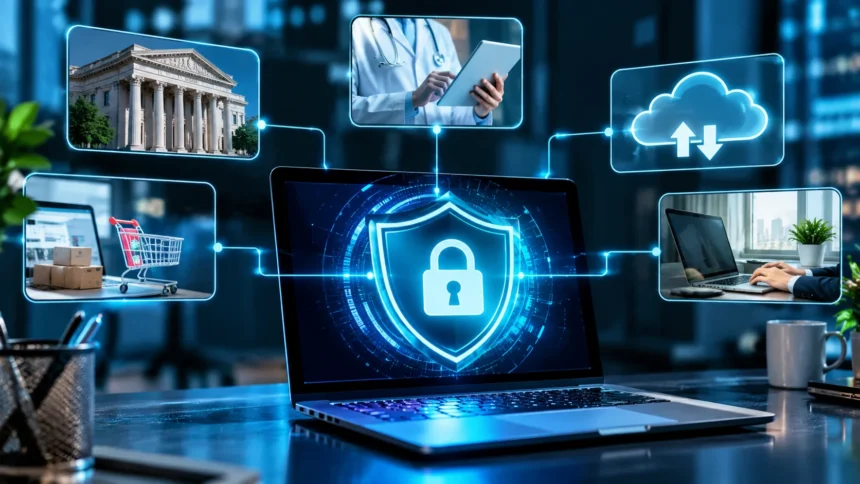
For example, an online retailer may use encryption to protect payment information, while a hospital may restrict access to patient records. A financial institution might monitor unusual account activity, and a technology company could protect confidential product designs. Although these organizations have different responsibilities, they all depend on effective information security controls.
Understanding these applications allows companies to select appropriate technologies instead of implementing security tools without a clear purpose. Businesses can evaluate their information assets, identify potential threats, and prioritize safeguards according to risk. This practical approach supports stronger protection while reducing unnecessary complexity and avoiding investments that do not address meaningful security concerns.
Protecting Customer Personal Information
Customer data protection is one of the most common applications of data security across industries. Businesses frequently collect names, addresses, contact details, purchase histories, and other personal information. Protecting these records through encryption, restricted access, and secure storage helps reduce the risk of unauthorized disclosure and supports responsible information handling practices.
Consider an e-commerce website that stores customer account information and order details. The company can implement multifactor authentication for administrative accounts and limit database access to authorized employees. Monitoring unusual login attempts provides another layer of protection, helping security teams identify potential account compromise before attackers access additional customer information.
Strong customer data protection also supports long-term trust and compliance with applicable privacy requirements. Organizations should collect only necessary information and establish appropriate retention schedules. Regularly reviewing permissions and removing records that are no longer needed can reduce exposure while helping companies maintain more manageable and secure customer databases.
Securing Online Payments and Financial Transactions
Online payment systems handle valuable financial information that requires careful protection against fraud and unauthorized access. Businesses processing digital transactions must secure payment applications, customer accounts, and communication channels. Encryption, tokenization, and appropriate authentication controls help protect payment information while supporting reliable transactions for customers and merchants.
For example, an online store can use a reputable payment processor that replaces sensitive card details with payment tokens. This approach reduces the amount of payment information the merchant needs to handle directly. Secure checkout connections and monitoring for suspicious transactions provide additional protection against common payment-related threats.
Financial security also requires regular testing and appropriate compliance practices. Organizations should review payment system permissions, maintain current software, and follow applicable payment industry requirements. These measures help reduce the likelihood of financial information being exposed while supporting safer transactions and greater customer confidence in digital payment services.
Securing Cloud Storage and Business Applications
Cloud platforms allow companies to store information and operate applications without maintaining all infrastructure on their premises. However, cloud adoption introduces responsibilities involving permissions, storage configuration, and account security. Effective cloud data security helps organizations protect sensitive information while benefiting from flexible access, scalable resources, and modern collaboration capabilities.
Imagine a company using cloud storage to manage confidential contracts and financial reports. Administrators can configure role-based permissions so employees access only the documents relevant to their responsibilities. Enabling multifactor authentication, encryption, and access logging provides additional safeguards against unauthorized activity and accidental information exposure.
Cloud security also requires understanding the shared responsibility between customers and service providers. While providers protect specific infrastructure components, customers generally manage important account settings and access controls. Regular configuration reviews, secure backups, and continuous monitoring help organizations identify weaknesses and maintain appropriate protection as cloud environments change.
Protecting Healthcare Records and Patient Privacy
Healthcare organizations manage highly sensitive information, including medical histories, treatment details, prescriptions, and personal identification records. Unauthorized disclosure can create serious privacy concerns and disrupt patient services. Data security helps healthcare providers protect confidential records while allowing authorized medical professionals to access information needed for appropriate patient care.
For example, a hospital can implement role-based access controls within its electronic health record system. Doctors, nurses, and administrative employees receive permissions related to their professional responsibilities. Audit logs record access to patient information, helping administrators investigate unusual activity and identify potential violations of internal security policies.
Healthcare information protection also supports regulatory responsibilities and reliable medical operations. Secure communication systems, encrypted devices, and tested backup procedures reduce exposure to common security risks. Organizations should regularly train employees on safe information handling and establish procedures for reporting suspected privacy incidents or unauthorized access.
Securing Employee Information and HR Systems
Human resources departments maintain confidential employee information such as identification records, payroll details, employment contracts, and performance evaluations. These records can become targets for unauthorized access or internal misuse. Strong data security practices help organizations protect employee privacy while supporting efficient payroll administration and human resource management.
A company may use a centralized HR platform with permissions based on employee roles. Payroll specialists can access payment information, while managers receive limited access to relevant team records. Multifactor authentication and activity logging provide additional safeguards, reducing the possibility of sensitive information being accessed through compromised accounts.
Employee data protection also involves managing records throughout the employment lifecycle. Organizations should establish secure onboarding procedures, update permissions when responsibilities change, and promptly remove access after employment ends. Appropriate retention and deletion practices help reduce unnecessary exposure while supporting compliance with relevant employment and privacy requirements.
Preventing Ransomware-Related Data Loss
Ransomware incidents can disrupt operations by making important files or systems unavailable. Attackers may also attempt to steal confidential information during these incidents. Data security measures help organizations reduce exposure through secure backups, access restrictions, software updates, and monitoring designed to identify suspicious activity.
Consider a manufacturing company that relies on digital production schedules and inventory records. A ransomware incident could interrupt daily operations if essential information becomes inaccessible. Maintaining protected backup copies and testing recovery procedures can help the organization restore important data without depending entirely on affected production systems.
Effective ransomware preparedness also includes employee education and incident response planning. Businesses should train staff to recognize suspicious messages and report unusual system behavior. Combining preventive controls with clearly defined recovery responsibilities helps organizations respond more effectively and reduces the operational consequences of serious cybersecurity incidents.
Securing Remote Work and Employee Devices
Remote work allows employees to access company resources from homes, shared workplaces, and other locations. However, different networks and personal devices can introduce additional security challenges. Organizations need practical controls that protect confidential information without creating unnecessary barriers to legitimate remote working activities.
For example, a consulting company may provide managed laptops equipped with device encryption and endpoint security software. Employees can access approved business applications through secure authentication methods. Centralized device management allows administrators to apply software updates, enforce security requirements, and respond when a device is lost or potentially compromised.
Remote work security also depends on clear employee guidance. Workers should understand approved collaboration tools, safe file sharing, and the importance of reporting suspicious account activity. Regular awareness training and practical security policies help reduce avoidable mistakes while supporting productive and flexible working arrangements.
Protecting Intellectual Property and Business Secrets
Businesses develop valuable intellectual property through research, product development, software engineering, and strategic planning. Confidential designs, source code, formulas, and business documents may provide important competitive advantages. Data security helps organizations protect these assets against unauthorized disclosure, inappropriate copying, and accidental exposure.
Imagine a technology company developing a new software platform. Developers may need access to source code repositories, while marketing teams require product information without accessing confidential development materials. Role-based permissions, repository monitoring, and secure collaboration tools help maintain appropriate boundaries between different responsibilities.
Protecting intellectual property also requires careful management of external relationships. Contractors, suppliers, and business partners may need limited access to specific documents or systems. Organizations can reduce exposure through temporary permissions, secure sharing methods, contractual confidentiality requirements, and regular reviews of information access.
Monitoring and Preventing Insider Threats
Insider threats involve security risks originating from people who already have some level of authorized organizational access. These incidents may result from malicious behavior, accidental mistakes, or compromised employee accounts. Effective information security programs address insider risks through appropriate permissions, monitoring, training, and clearly defined responsibilities.
For example, an organization may identify unusual activity when an employee account attempts to download large volumes of confidential information. Security monitoring can flag this behavior for investigation without automatically assuming wrongdoing. Reviewing relevant access logs and business context helps security teams determine whether the activity is legitimate or requires further action.
Insider threat prevention should balance security requirements with employee privacy and fair workplace practices. Organizations should explain relevant monitoring policies and restrict investigations to legitimate security purposes. Combining transparent procedures with appropriate access controls helps reduce internal security risks while maintaining professional trust across the workplace.
Supporting Data Backup and Disaster Recovery
Data security is not limited to preventing unauthorized access because information availability is equally important. Hardware failures, accidental deletion, cyberattacks, and natural disasters can interrupt access to business records. Secure backup and disaster recovery practices help organizations restore important information and maintain essential services after unexpected disruptions.
A retail business might maintain encrypted backups of inventory records, customer orders, and accounting information. Keeping separate protected copies reduces dependence on a single storage location. Regular recovery testing confirms whether files can be restored correctly and helps identify problems before a real emergency affects business operations.
Recovery planning should establish which systems are most important and how quickly they need to return to service. Organizations can prioritize essential applications and assign clear responsibilities to technical teams. These preparations improve operational resilience and reduce uncertainty when important information becomes temporarily unavailable.
Securing Internet of Things Devices
Internet of Things devices connect physical equipment to digital networks, enabling monitoring, automation, and remote management. Businesses increasingly use connected cameras, sensors, industrial controllers, and smart building systems. Without appropriate protection, these devices may create additional entry points for unauthorized network access or information exposure.
Consider a warehouse using connected sensors to monitor temperature and equipment conditions. Administrators can isolate these devices from sensitive business systems through network segmentation. Changing default credentials, applying supported updates, and restricting administrative access help reduce risks associated with poorly secured connected equipment.
IoT security also requires ongoing visibility because organizations may operate many devices across different locations. Maintaining an accurate device inventory helps teams identify outdated equipment and unsupported software. Regular security reviews support safer operations while allowing companies to benefit from connected technologies without overlooking information protection responsibilities.
Protecting Educational Records and Online Learning Platforms
Schools, universities, and online learning providers manage student information, academic records, contact details, and financial data. These records require appropriate protection against unauthorized access and accidental disclosure. Data security allows educational institutions to maintain reliable learning environments while protecting information belonging to students, teachers, and administrative staff.
For example, an educational institution may use a learning management system that assigns permissions according to user roles. Students can view their own grades, while instructors access records for relevant courses. Strong authentication and secure communication channels help protect account information and reduce opportunities for unauthorized access.
Educational data protection also includes managing third-party learning tools and digital collaboration platforms. Institutions should evaluate how service providers collect, store, and process student information. Clear privacy policies, employee training, and appropriate access restrictions support responsible information management across increasingly digital educational environments.
Securing Customer Relationship Management Systems
Customer relationship management platforms store valuable information about sales opportunities, customer interactions, contact details, and business communications. Unauthorized access can expose confidential relationships and commercially sensitive information. Strong CRM security protects these records while allowing sales, marketing, and customer service teams to collaborate effectively.
A sales organization might restrict customer database exports to authorized managers while allowing representatives to update assigned accounts. Activity logging can help identify unusual access patterns or unexpected bulk downloads. Multifactor authentication provides another safeguard against compromised credentials being used to access confidential business information.
CRM protection also requires attention to connected applications and third-party integrations. Marketing automation tools, reporting platforms, and customer support systems may exchange information with the CRM. Reviewing integration permissions and removing unnecessary connections helps reduce exposure while supporting efficient customer relationship management.
Supporting Secure Data Sharing and Collaboration
Modern businesses frequently exchange documents with employees, customers, vendors, and professional partners. These activities support productivity but can expose confidential information when sharing permissions are poorly managed. Secure collaboration practices help organizations exchange necessary information without providing unrestricted access to important business records.
For example, a legal services company may need to exchange confidential documents with clients. Using an approved file-sharing platform with encryption and controlled permissions provides better protection than distributing sensitive files through unsecured channels. Expiring links and appropriate access verification can further reduce unintended disclosure.
Secure information sharing also depends on understanding what information needs to be exchanged. Organizations should avoid sharing unnecessary personal or confidential details and regularly review external access. Clear collaboration policies help employees choose appropriate tools while maintaining efficient communication with trusted business partners.
Improving Fraud Detection and Transaction Monitoring
Fraud detection is another practical application of data security, particularly in banking, e-commerce, and online service platforms. Organizations analyze account activity and transaction patterns to identify behavior that may indicate unauthorized use. Security monitoring helps teams recognize unusual events while supporting faster investigation and appropriate protective action.
For example, an online payment platform may flag transactions that differ significantly from an account’s established activity patterns. Additional verification can help determine whether a transaction is legitimate. Combining transaction monitoring with account security controls improves protection while reducing dependence on any single method of identifying potential fraud.
Fraud prevention systems also require careful management to avoid unnecessary interruptions for legitimate customers. Organizations should evaluate detection accuracy, investigate suspicious events appropriately, and protect the information used for analysis. Effective monitoring supports financial security while helping businesses maintain trustworthy digital services.
Implementing Practical Data Security Controls
Organizations can begin improving security by identifying their important information assets and understanding how they are accessed. This process includes reviewing customer databases, employee records, applications, and connected systems. A basic risk assessment helps determine which information requires stronger protection and where existing practices may create unnecessary exposure.
The next step involves selecting controls that address identified risks. Common measures include encryption, multifactor authentication, role-based permissions, secure backups, and regular software updates. Employee training and written incident response procedures provide additional protection by helping workers recognize suspicious activity and understand appropriate reporting responsibilities.
Finally, businesses should regularly evaluate whether their security measures continue to meet operational requirements. Reviewing access permissions, testing recovery processes, and monitoring important systems helps identify weaknesses before they become serious problems. Continuous improvement allows organizations to adapt their protection strategies as technology, business activities, and security threats evolve.
Conclusion
Understanding practical data security use cases helps organizations recognize how information protection supports everyday operations. From customer records and financial transactions to cloud applications and connected devices, security measures address important risks across different business environments. Applying suitable controls reduces exposure while supporting reliable access to essential information.
Businesses do not need to implement every available security technology to make meaningful improvements. Identifying critical assets, evaluating realistic threats, and prioritizing effective safeguards provides a practical starting point. Consistent employee training, secure access management, and tested recovery procedures can strengthen protection regardless of organizational size.
Data security should remain an ongoing responsibility rather than a one-time technical project. Regular assessments, clear policies, and continuous improvements help businesses maintain stronger protection as their needs change. By applying security principles to real operational challenges, organizations can build more dependable systems and protect valuable information with greater confidence.
Frequently Asked Questions (FAQs)
What are the most common data security use cases?
Common data security use cases include protecting customer information, securing financial transactions, controlling employee access, safeguarding cloud storage, preventing data loss, and monitoring suspicious activity. These applications help organizations protect sensitive information across everyday business operations.
How is data security used in businesses?
Businesses use data security to protect confidential records, manage access permissions, secure digital transactions, and prevent unauthorized information disclosure. Common controls include encryption, multifactor authentication, employee training, secure backups, and continuous monitoring.
What is a real-world example of data security?
An online retailer using tokenized payments, encrypted connections, and multifactor authentication provides a practical example of data security. These measures help protect customer payment information and reduce risks associated with unauthorized account access.
Why are data security use cases important?
Data security use cases help organizations understand where protective measures are needed and how specific controls address practical risks. They support informed investments, stronger regulatory compliance, safer operations, and better protection of confidential information.
Which industries benefit most from data security?
Healthcare, finance, retail, education, manufacturing, and technology all benefit significantly from data security. However, every organization handling personal, financial, operational, or confidential information needs appropriate safeguards to manage risks and protect essential records.