

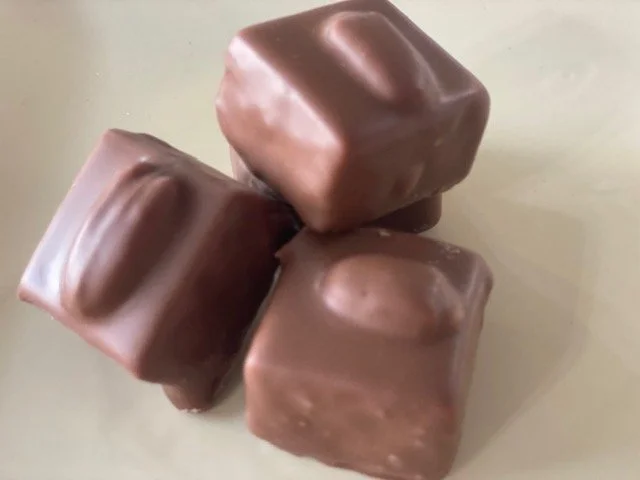
The History of Chocolate
Chocolate, a delightful indulgence for many, possesses a rich history that dates back thousands of years. The earliest known use of cacao was among the Olmec civilization of southern Mexico. As far back as 1500 BC, these advanced people recognized the value of cacao beans, later incorporating them into religious ceremonies. The Olmecs likely consumed a drink made from the fermented pulp of the cacao fruit, a precursor to the more refined chocolate beverages that would follow.
Following the Olmecs, the Maya civilization embraced cacao, crafting a spicy beverage known as ‘xocolatl’, which translates to ‘bitter water’. This drink was believed to have invigorating properties, often reserved for nobility and used in various rituals. Cacao beans were so precious that they served as currency within their society. The Maya viewed chocolate as a divine gift, associating it with fertility and abundance.
Similarly, the Aztecs honored chocolate, believing it to be the food of the gods and associating it with Quetzalcoatl, the feathered serpent deity. They consumed it in a bitter form, often mixed with spices, and enjoyed its stimulating effects. Chocolate’s status continued to rise, becoming a treasured commodity used in royal courts and religious offerings.
With the arrival of Spanish explorers in the 16th century, chocolate made its way to Europe where it evolved significantly. Adding sugar and cinnamon transformed the once bitter drink into a sweeter delicacy that reached the palates of the elite. By the 17th century, chocolate houses began to emerge in cities like London and Paris, popularizing the beverage even further. Over the years, chocolate would eventually transition from a drink to the solid treats that many enjoy today, making it a global staple in the world of desserts.
Types of Chocolate Explained
Chocolate is a beloved ingredient in countless desserts, and it is essential to understand the different varieties available to truly appreciate its versatility. Primarily, there are four main types of chocolate: dark chocolate, milk chocolate, white chocolate, and ruby chocolate. Each type has distinct flavor profiles, culinary uses, and potential health benefits.
Dark chocolate, known for its rich flavor and high cocoa content, typically contains 70% or more cocoa solids. Its complexity makes it an excellent choice for sophisticated desserts, such as mousse and ganache. Dark chocolate is lauded for its health benefits, including high levels of antioxidants, which may help lower blood pressure and improve heart health.
Milk chocolate is sweeter than its dark counterpart, containing milk solids alongside cocoa, which contributes to its creamy texture. This type of chocolate is commonly used in a variety of desserts, from classic chocolate bars to cookies and cakes. The smoothness of milk chocolate enhances confections, making it a favorite among children and adults alike.
White chocolate, despite its name, does not contain cocoa solids; instead, it is made from cocoa butter, sugar, and milk solids. This results in a sweet, creamy flavor profile that pairs well with fruits and tangy desserts. Though it may not provide the same health benefits as dark chocolate due to the lack of cocoa solids, its rich texture can elevate various dessert recipes.
Finally, ruby chocolate is a relative newcomer to the chocolate family, made from specially processed red cocoa beans. Known for its vibrant pink-red hue, ruby chocolate has a unique tart berry flavor balanced by creamy sweetness. It is increasingly used in modern dessert recipes, drawing attention for its innovative appearance and taste.
Understanding these types of chocolate allows dessert creators to select the right variety for their recipes, enhancing both flavor and presentation.
Essential Ingredients for Chocolate Desserts
When embarking on the journey of creating delectable chocolate desserts, understanding the essential ingredients that harmonize beautifully with chocolate is crucial. Each component plays a significant role in enhancing flavors and textures. Among the primary ingredients are butter, flour, eggs, and sugar, all of which serve as the foundation for many chocolate-based confections.
Butter, particularly unsalted, is integral in achieving a rich and creamy mouthfeel in chocolate desserts. Its emulsifying properties help blend the ingredients seamlessly, contributing to a luscious texture. For those discerning about quality, some of the finest brands, such as Kerry Gold or Plugra, are recommended for baking.
Flour is another staple ingredient, generally all-purpose flour, which provides structure. However, gluten-free alternatives like almond flour or coconut flour can also be beneficial for those with dietary restrictions. The choice of flour affects not only the final product’s texture but also its overall taste.
Eggs are pivotal, functioning as both a binding agent and a leavening agent. The use of fresh, high-quality eggs—preferably organic—can elevate the dish, adding richness and helping in achieving a delightful rise in baked goods.
Sugar, the sweetener of choice, varies in type and function. Granulated sugar provides sweetness and structure, while brown sugar adds a subtle caramel flavor, enhancing the complexity of chocolate desserts. Other sweetening agents like honey or agave syrup can offer unique flavors and healthier alternatives.
To incorporate depth and sophistication into chocolate desserts, specialty items such as pure vanilla extract and espresso powder are vital. Pure vanilla enhances the flavor profile, while espresso powder amplifies the richness of chocolate. Investing in high-quality versions of these ingredients can dramatically affect the final outcome of your dessert.
Classic Chocolate Desserts Everyone Should Try
Chocolate has fascinated and delighted people for centuries, producing a variety of desserts that have become iconic across cultures. Among these, classic options such as brownies, chocolate cake, chocolate mousse, and chocolate chip cookies stand out for their rich flavors and comforting textures.
Brownies, believed to have originated in the United States in the late 19th century, are known for their fudgy texture, which often combines cocoa powder with chocolate. This dessert is a versatile favorite, as recipes can vary from cakey to chewy, and even include nuts or chocolate chips for added flavor. The brownie’s roots can be traced to a recipe developed by a Boston chef who was tasked with creating a chocolate dessert for a banquet.
Next is the beloved chocolate cake, a staple at celebrations and special occasions. Dating back to the early 1800s, the chocolate cake evolved as bakers discovered how to incorporate cocoa powder into the traditional cake batter. Its deep, rich flavor combined with layers of frosting makes it a timeless party dessert that has witnessed numerous variations over the years, including the popular devil’s food cake.
Chocolate mousse, with its creamy texture and airy consistency, is another iconic dessert that dates back to the 18th century in France. The incorporation of whipped cream and eggs allows for a light but indulgent experience, making it a staple in fine dining. Typically served chilled, mousses can be enhanced with flavors such as espresso or orange zest, providing a sophisticated taste experience.
Lastly, chocolate chip cookies, invented in the 1930s, remain a household name and a quintessential treat. The discovery of adding chocolate morsels to cookie dough led to an explosion of popularity that has survived generations. This treat can be customized with ingredients such as nuts or oatmeal, creating variations that cater to diverse preferences.
Decadent Chocolate Dessert Recipes to Indulge In
For the true chocolate connoisseur, creating elaborate desserts can be a rewarding experience that allows for personal creativity. Here are three sumptuous chocolate dessert recipes that not only satisfy cravings but also impress guests with their presentation and flavor.
Molten Lava Cake is a classic dessert perfect for showcasing rich, gooey chocolate. The key to its appeal lies in the baking technique. Start with high-quality dark chocolate, and melt it gently with butter. Next, whisk in eggs and sugar before folding in flour for a smooth batter. Pour into ramekins and bake just until the edges are set while keeping the center liquid. Serve immediately with a dusting of powdered sugar or a scoop of vanilla ice cream for a divine contrast.
Chocolate Torte, on the other hand, is a dense cake that elevates the traditional chocolate dessert experience. To create this delight, begin by melting chocolate with butter. Once cooled, mix with ground almonds for an added depth of flavor, and gently fold in whisked egg whites for that airy texture. This cake is best served with a rich ganache topping made from double cream and dark chocolate for an extra layer of indulgence. You can accompany it with fresh berries to balance the richness.
Lastly, Chocolate Truffles offer a versatile treat that can be customized with various flavors. Start by heating cream until it’s simmering and pour it over chopped chocolate, allowing it to melt and combine. After cooling, you can infuse with flavors like espresso or orange zest before rolling the mixture into balls and coating them with cocoa powder, crushed nuts, or coconut flakes. These bite-sized delights are perfect for gift-giving or serving at gatherings.
These decadent chocolate dessert recipes showcase techniques that not only enhance taste but also the overall experience of indulging in chocolate. The next time you’re looking to impress, turn to these recipes, and elevate your dessert game.
Creative Chocolate Dessert Pairings
Enhancing chocolate desserts with complementary flavors and textures can elevate the culinary experience to new heights. The rich, complex taste of chocolate pairs beautifully with a variety of ingredients, resulting in irresistible combinations that stimulate the palate. For instance, pairing chocolate with fruits such as raspberries, oranges, or bananas can bring a refreshing contrast to the dessert. Raspberries, with their tartness, create a delightful balance when complemented by dark chocolate, while an orange zest infusion can add a citrusy brightness to chocolate cakes or mousses.
Nuts also offer a unique crunch that can augment the smoothness of chocolate. Hazelnuts, almonds, and pistachios, when used in chocolate truffles or pastries, provide not only texture but also a depth of flavor. For example, a classic chocolate hazelnut tart highlights these characteristics superbly. The nutty aspects of hazelnut meld harmoniously with the chocolate, resulting in a delectable dessert.
Furthermore, spices can significantly enhance the chocolate experience by introducing unexpected warmth and complexity. A sprinkle of sea salt can amplify the sweetness of chocolate, while spices such as cinnamon or cardamom can lend a warming quality. Incorporating spices into a chocolate pudding or brownies can create a multi-layered flavor profile that intrigues the taste buds.
Lastly, liqueurs such as amaretto, grand marnier, or coffee liqueurs can be integrated into desserts for an added layer of sophistication. Chocolate mousse enriched with coffee liqueur, for instance, transitions the dessert from merely delectable to exceptionally luxurious. These creative pairings not only emphasize the inherent qualities of chocolate but also showcase a fusion of flavors that make each dessert a memorable experience.
Tips for Perfecting Chocolate Desserts
Mastering the art of baking with chocolate requires a blend of techniques and a keen understanding of the ingredient itself. Whether you aim to create a decadent chocolate cake or a silky mousse, the key often lies in how you handle chocolate during the preparation process. Here are some essential tips for achieving the perfect chocolate dessert.
Firstly, melting chocolate correctly is crucial. The best method is to use a double boiler, where chocolate is placed in a heatproof bowl above simmering water. This indirect heat ensures even melting without scorching. Alternatively, you can melt chocolate in the microwave; however, it is important to do so in short intervals, stirring frequently to avoid overheating. The goal is to achieve a smooth, glossy consistency.
Tempering chocolate is another fundamental skill, particularly if you are working with temperate chocolates for enrobing or making chocolate decorations. To temper, melt two-thirds of your chocolate to 110°F (43°C), then remove from heat and gradually stir in the remaining chocolate until it cools to about 82°F (28°C). This process stabilizes the cocoa butter crystals, resulting in a chocolate that has a glossy finish and a satisfying snap when broken.
Common issues may arise while making chocolate desserts, including chocolate seizing or clumping. This can occur when moisture is introduced, so it’s essential to ensure all utensils and bowls are completely dry. If chocolate seizes, you can rescue it by stirring in a small amount of vegetable oil or cream, which will help return it to a usable state. Additionally, always consider the quality of chocolate being used; a higher cocoa content usually leads to richer flavor and texture.
By following these expert tips and applying careful techniques, you can elevate your chocolate dessert creations, ensuring they are as irresistible as they are beautifully crafted.
Chocolate Desserts Around the World
Chocolate has transcended cultural boundaries and become a beloved ingredient in desserts worldwide. Each country boasts its unique ways of incorporating chocolate into sweet treats, celebrating local flavors, traditions, and culinary expertise. Exploring these chocolate desserts can be a delightful journey.
France is renowned for its exquisite chocolate éclairs. These pastries, made from choux dough, are filled with a rich chocolate cream and topped with a glossy chocolate glaze. The balance of textures, from the airy choux pastry to the luscious filling, makes éclairs a quintessential French dessert loved by many.
Italy also has its share of chocolate indulgences, particularly with torta caprese. Originating from the island of Capri, this flourless chocolate cake is incredibly dense and moist, featuring a blend of dark chocolate, almonds, and a subtle hint of orange that elevates the flavors. Its simplicity showcases the quality of the ingredients, a hallmark of Italian dessert philosophy.
Moving to Germany, the schokoladenkuchen, or chocolate cake, is a staple in many households. This rich and decadent cake often features a dense base of melted chocolate and butter, creating a truly irresistible treat. German chocolate cakes are frequently served with whipped cream or seasonal fruits, offering a delightful contrast to the richness of the chocolate.
In Mexico, a traditional dessert known as mole de chocolat is a remarkable fusion of chocolate and spices, often used in savory dishes. However, its sweet version, prepared with cinnamon, vanilla, and sugar, showcases how chocolate can also be a part of confections that reflect the country’s rich culinary heritage.
As we travel through different cultures, it is clear that chocolate desserts serve as a universal language of indulgence, allowing us to connect with diverse culinary traditions while satisfying our sweet tooth. Each of these desserts not only highlights the versatility of chocolate but also demonstrates how a common ingredient can bring unique flavors and stories from around the world to our tables.
Hosting a Chocolate-Themed Dessert Party
Hosting a chocolate-themed dessert party is an enticing way to indulge your guests with delightful treats. The secret to a successful gathering lies in thoughtful planning and attention to detail. Begin by selecting a suitable date and sending out invites that reflect the theme; vibrant, cocoa-inspired designs can set the mood even before the party begins.
An essential aspect of any dessert party is the decor. Opt for rich color palettes that feature dark browns, golds, and deep reds to evoke the essence of chocolate. Use tablecloths and napkins that complement these colors, and consider incorporating chocolate-themed centerpieces such as chocolate fountain displays or bowls filled with assorted chocolate truffles. For further embellishment, you might add fairy lights to enhance the warmth and ambiance of the setting.
Next, focus on the dessert presentations. Offer a diverse selection of chocolate treats, from cakes and mousses to cookies and brownies. Ensure that each dessert is visually appealing by arranging them artfully on platters and utilizing elegant serving ware. Creating a dessert bar encourages guests to explore different options, allowing them to mix and match their favorites. You can pair these offerings with garnishes such as whipped cream, chocolate shavings, and fresh berries to elevate their experience.
Drink pairings are crucial for a well-rounded chocolate dessert party. Consider serving a variety of beverages such as hot chocolate, chocolate martinis, or even a selection of wines that complement the desserts. Providing a tasting menu will not only enhance the enjoyment but will also spark conversation among your guests, making the gathering even more memorable.
In conclusion, planning a chocolate-themed dessert party requires creativity and attention to detail. By curating an inviting atmosphere, presenting desserts beautifully, and serving complimentary drinks, you can create an unforgettable experience filled with rich flavors and joyful memories.