

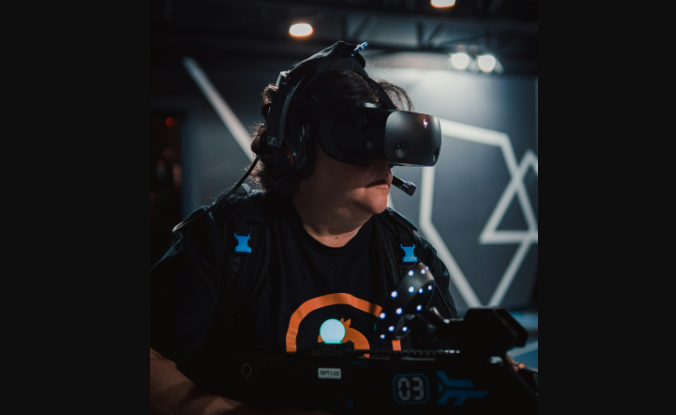
Introduction to Virtual Reality Entertainment
Virtual reality (VR) technology has experienced considerable evolution since its inception, emerging as a transformative force within the entertainment sector. Initially confined to experimental applications, VR has gradually woven itself into mainstream media, from gaming to immersive storytelling. The advancement in computing power, graphics rendering, and motion tracking technologies has significantly propelled the maturation of VR systems, making them more accessible and engaging for users.
One of the standout significant milestones in the evolution of virtual reality entertainment includes the arrival of the Oculus Rift, which redefined user expectations and experiences by providing high-quality graphical fidelity and responsiveness. Following this, major tech companies have entered the VR landscape, producing headsets like the HTC Vive and Sony PlayStation VR, each bringing unique features catered to different segments of the entertainment market.
The forms of entertainment encompassed by virtual reality are diverse, ranging from immersive gaming experiences that allow users to step directly into fantastical worlds, to interactive films and educational content designed to engage and inform. Users can experience a new paradigm of art and film, where storytelling is not linear, but instead interactive, allowing for personal engagement and agency. Furthermore, VR has found applications in live sports events, providing fans with a front-row experience from the comfort of their homes.
VR is heralded as a game-changer in the entertainment industry due to its ability to create unparalleled user experiences that blend the line between reality and imagination. By immersing users in captivating environments, virtual reality not only entertains but also elicits emotional reactions and cultivates a sense of presence that traditional media cannot replicate. This has set the stage for future innovations that will continue to reshape the landscape of entertainment.
Current State of Virtual Reality in Entertainment
Virtual reality (VR) technology has significantly evolved in recent years, becoming a prominent aspect of the entertainment industry. The current landscape of VR offers immersive experiences across various platforms, particularly in gaming, films, and live events. This evolution has opened up new avenues for user engagement, drawing in a diverse demographic of consumers.
In the realm of gaming, platforms like Oculus Rift, HTC Vive, and PlayStation VR have pioneered an immersive gaming experience that transports players into virtual worlds. Titles such as “Beat Saber,” “Half-Life: Alyx,” and “The Walking Dead: Saints & Sinners” have garnered substantial acclaim, showcasing the capabilities of VR in delivering engaging narratives and interactive gameplay. These experiences foster a level of engagement that is fundamentally different from traditional gaming, as users can physically interact with their surroundings and feel more connected to the game.
Moreover, VR’s influence extends beyond gaming into the film industry, where innovative filmmakers are leveraging this technology to create immersive storytelling experiences. Projects such as “The Invisible Man VR” and other interactive films offer viewers the chance to step into the narrative actively, enhancing their emotional connection to the characters and story. This shift in storytelling techniques exemplifies how virtual reality can redefine narrative experiences.
Live events have also embraced VR technology, allowing audiences to attend concerts and performances from the comfort of their homes. Platforms like Oculus Venues and Wave have transformed how fans experience live entertainment, providing a front-row seat to events like concerts and sports games. This accessibility opens doors for reach, allowing individuals who may otherwise be unable to attend such events to participate in real-time.
Overall, the current state of virtual reality in entertainment reflects the potential for immersive experiences that resonate with users on various levels. As technology continues to advance, the applications and richness of VR experiences are likely to broaden, further shaping the landscape of entertainment.
Technological Advancements Impacting VR
The realm of virtual reality (VR) entertainment is witnessing unprecedented growth, primarily fueled by continuous technological advancements. One of the most significant developments in this field is the improvement of graphics capabilities. Modern VR systems leverage high-resolution displays and advanced rendering techniques, which allow for unparalleled immersive experiences. These advancements create more realistic and visually appealing environments for users, enhancing the overall engagement within virtual worlds.
In addition to graphics, haptic feedback technology is transforming the way users interact with VR applications. Haptic devices provide tactile responses, simulating the sense of touch and enabling users to feel virtual objects and actions. This innovation significantly enriches the immersive experience by adding an extra layer of realism, making it possible for users to experience sensations like pressure, texture, and vibration, thus bridging the gap between the physical and virtual worlds.
Moreover, motion tracking technology has seen substantial improvements, allowing for more accurate and responsive interactions in VR. Advanced motion sensors and external tracking systems enable users to move freely within the virtual space, capturing their movements in real-time. This precision enhances user agency and interaction within applications, crucial for various gameplay experiences or simulations, as it encourages natural movements and behaviors.
Furthermore, advancements in VR headsets and hardware are playing a pivotal role in making virtual reality more accessible and enjoyable. Newer models are being developed with lighter materials, improved battery life, and enhanced comfort, making extended use more feasible for consumers. Additionally, wireless technology is eliminating the constraints imposed by cables, allowing users to experience complete freedom of movement. These developments demonstrate the industry’s commitment to refining VR technology, ultimately paving the way for innovative entertainment formats.
VR and Interactive Storytelling
Virtual Reality (VR) has emerged as a transformative force within the realm of storytelling in entertainment, offering participatory experiences that traditional media cannot replicate. This innovation allows users to immerse themselves in dynamic narratives where they are not merely passive observers but active participants. By doing so, VR fosters deeper emotional connections, encouraging audiences to engage with the story on a more profound level.
The essence of interactive storytelling in VR lies in its ability to create a multisensory environment that reacts to the user’s choices and actions. Unlike conventional films or books, where the narrative unfolds in a linear fashion, VR experiences can branch into numerous potential storylines based on individual interactions. This fluidity enriches the narrative, making it richer and more personalized. For instance, games like Half-Life: Alyx not only allow players to navigate through a visually captivating world but also enable them to make decisions that influence the plot progression. Such capabilities highlight a shift toward enabling the audience to impact the evolving narrative actively.
Another example is the immersive experience provided by The Invisible Hours, where players can explore scenes from various perspectives, piecing together a complex narrative as they uncover hidden connections among characters. This format draws players deeper into the story, enhancing their emotional investment and intrigue.
Moreover, VR’s ability to stimulate empathy through its immersive qualities is notable. Experiences like Clouds Over Sidra provide users with the opportunity to see life through the eyes of a Syrian refugee, fostering a profound understanding of the character’s circumstances. As VR technology continues to advance, the scope for interactive storytelling will only expand, promising a future where narratives are not only consumed but experienced, revolutionizing the way we engage with entertainment.
Potential Challenges Facing VR Entertainment
The integration of virtual reality (VR) into the entertainment industry presents a wealth of opportunities but is also met with several significant challenges that could hinder its widespread adoption. One of the primary obstacles is the high cost associated with VR technology. The price of VR headsets, along with the requisite equipment and accessories, can be prohibitively expensive for the average consumer. This high entry barrier restricts access to VR experiences, resulting in limited reach for content creators and developers.
Furthermore, accessibility remains a critical challenge. Not all individuals have the physical capabilities to engage with VR content effectively. This limitation raises concerns regarding inclusivity in entertainment offerings, as certain demographics, including those with mobility issues or sensory sensitivities, may find VR experiences uncomfortable or unmanageable. Developers must prioritize creating accessible solutions to ensure that VR entertainment can cater to a broader audience.
Health concerns associated with VR use are another prominent issue. Reports of motion sickness, eye strain, and other physical discomforts have been frequently cited by users. As VR gaming and experiences require immersion and prolonged usage, ensuring user health and safety cannot be overlooked. It is imperative for industry leaders to conduct thorough research and develop best practices aimed at mitigating these health risks.
The requirement for specialized equipment can also create barriers to entry. Not only does VR gear often need to be paired with high-end computers or gaming consoles, but setting up such systems can also be daunting for novices. As the technology progresses, finding ways to streamline equipment requirements, possibly towards more user-friendly designs, should be a priority for companies aiming to enhance user experience.
Future Trends in Virtual Reality Entertainment
As we look towards the next decade, the landscape of virtual reality (VR) entertainment is poised for significant transformation. Emerging technologies continue to enhance the immersive experiences offered by VR, paving the way for new formats and genres that will likely captivate audiences around the globe. One expected trend is the evolution of VR narratives, driven by advancements in storytelling techniques that utilize interactivity and audience agency. This shift will allow individuals to engage more deeply with narrative arcs, leading to personalized experiences that resonate on a more individual level.
Furthermore, the integration of artificial intelligence (AI) into VR environments is anticipated to revolutionize how characters and settings interact with users. AI-driven NPCs (Non-Player Characters) can provide dynamic responses and adapt to player behavior, creating unique experiences that drive replayability and engagement.
Another notable trend includes the rise of social VR spaces, where users can connect and collaborate in virtual environments, fostering community building and shared experiences. These spaces may present new opportunities for social events, such as concerts or gaming tournaments, encompassing larger audiences than traditional venues can accommodate.
The expansion of VR hardware capabilities, including improvements in graphic fidelity and haptic feedback, will help to create more realistic environments, enhancing user immersion. Furthermore, advancements in wireless technology will facilitate smoother integration of VR across different platforms and devices, broadening accessibility for users worldwide.
Lastly, we can anticipate the emergence of hybrid formats that combine elements of VR with augmented reality (AR) and mixed reality (MR). These innovations can potentially blur the lines between digital and physical experiences, offering users unique entertainment options that harness the strengths of multiple dimensions. As VR technologies progress, the next decade promises to bring transformative changes that will redefine how we perceive and engage with entertainment content, creating a rich tapestry of experiences awaiting exploration.
The Role of Social Interaction in VR Entertainment
As technology continues to advance, social interaction has emerged as a pivotal component of virtual reality (VR) entertainment. The immersive nature of VR does not solely rely on visual and auditory experiences; rather, it flourishes when social features are integrated within these environments. Such features allow users to connect, collaborate, and engage with one another, ultimately enhancing overall user engagement and satisfaction.
Multiplayer experiences play a crucial role in VR entertainment. Unlike traditional single-player gaming, collaborative platforms enable users to gather in shared virtual spaces. This dynamic fosters a sense of community, leading to stronger user connections. For instance, in platforms that host multiplayer games or social simulations, users can communicate through voice chat or gestures, thereby replicating face-to-face interactions. The presence of other players not only enriches the gameplay but also contributes to a shared narrative, making the experience significantly more engaging.
Moreover, the evolution of social VR environments is pivotal in shaping the future of entertainment. These environments facilitate various activities, such as attending virtual concerts, participating in workshops, or simply socializing with friends in a digital space. By removing geographical constraints, they provide users opportunities to engage in shared experiences that transcend the limitations of the physical world. This feature reinforces social bonds, as individuals can connect with likeminded peers and even forge new friendships.
As the VR industry continues to evolve, the demand for enhanced social interactions within virtual platforms will likely increase. This trend indicates that social experiences are not just a feature but a necessity for sustained engagement in VR entertainment. The incorporation of robust social frameworks not only enriches user experience but also plays a vital role in ensuring the longevity and vitality of VR platforms.
Impact of VR on Other Entertainment Forms
Virtual Reality (VR) is significantly altering the landscape of traditional entertainment forms like cinema, music, and theater. By offering immersive experiences, VR is redefining how audiences engage with content, thereby enhancing overall participation and interaction.
In the realm of cinema, VR has revolutionized storytelling techniques. Filmmakers are now exploring VR to create narratives that not only tell a story but also allow the audience to inhabit it. VR experiences can place viewers in the middle of the action, offering them perspectives that traditional film cannot provide. This shift has resulted in collaborations where VR technology is integrated into film production, leading to innovative projects that combine conventional cinematic techniques with immersive VR elements.
Music is another area benefiting from VR’s expansive possibilities. Artists and producers are leveraging VR to create concerts that transcend geographical limitations. Virtual concerts can allow fans to experience performances as if they were in the front row, regardless of their physical location. Additionally, music videos are evolving to incorporate VR, providing fans with an interactive experience that fully engages their senses. This not only enhances the visual and auditory elements but also fosters a deeper connection between the artist and the audience.
Theater, historically a live performance art, is experiencing a transformation through VR as well. Productions are beginning to experiment with virtual environments where audiences can immerse themselves in a play, experiencing different perspectives and interpretations. This innovation allows for creative expressions that push the boundaries of traditional theater, enticing a new generation of theatergoers who may not have previously engaged with the medium.
Thus, the synergy between VR and traditional entertainment forms is a burgeoning field. As more creators embrace this technology, the possibilities for enrichment and expansion of storytelling, audience engagement, and artistic expression continue to grow, marking an exciting trajectory in the entertainment industry.
Conclusion and Final Thoughts on VR’s Future
As we conclude our exploration of virtual reality (VR) entertainment, it is essential to reflect on the transformative potential this technology holds for the future. Throughout the discussion, we have highlighted VR’s ability to immerse users in alternate realities, creating experiences that are not only engaging but also deeply interactive. This immersive technology has already begun reshaping various sectors, from gaming to education, and its influence is expected to expand significantly.
One of the key takeaways is the increasing accessibility of VR technologies. As hardware becomes more affordable and software offerings broaden, a wider audience can participate in VR experiences. This democratization of technology means that entertainment will no longer be confined to traditional formats; rather, audiences can expect unforgettable experiences in thematic parks, virtual concerts, and even social gatherings enhanced by VR capabilities.
Furthermore, the continual advancements in technology, including improved visual fidelity and reduced latency, promise to elevate the quality of VR experiences. As creators develop more sophisticated content, the potential for storytelling and immersion is vast. Collaborations across industries will likely lead to innovative applications of VR, combining elements of art, science, and community engagement in ways previously unimaginable.
In light of these developments, it is prudent for audiences to consider how VR might redefine their own entertainment habits. Will traditional media give way to more interactive experiences? How will social interactions evolve in virtual spaces? While the answers remain to be fully discovered, the future of virtual reality entertainment appears bright, filled with possibilities that invite exploration and creativity. Engaging with VR not only expands the entertainment landscape but also challenges us to reconsider our relationships with technology and storytelling.