

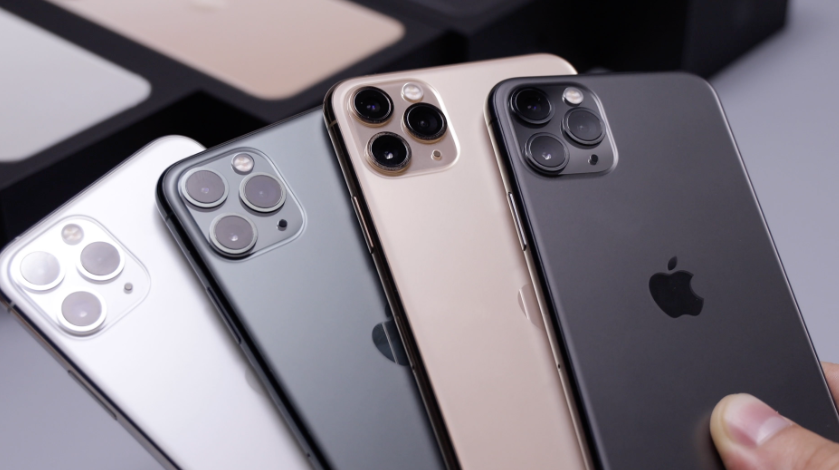
Introduction to Smartphone Photography
As technology continues to evolve at a rapid pace, the world of photography has experienced a significant transformation, particularly with the advent of smartphone photography. Over the past decade, smartphones have overtaken traditional cameras in popularity, allowing both casual and professional photographers to capture stunning images with remarkable ease. The integration of sophisticated camera technologies into smartphones has led to remarkable advancements, resulting in devices that can rival dedicated cameras in terms of image quality.
Smartphone photography has democratized the art of capturing moments, enabling users to take high-quality photographs at any time and from virtually any location. Features such as optical zoom, multiple lenses, and advanced image processing algorithms have contributed to this rise, making it more accessible for individuals who may not necessarily have a formal background in photography. This ease of access has fostered a vibrant community of enthusiasts who share their work across various social media platforms, further fueling its popularity.
The capabilities of smartphone cameras are constantly improving, as manufacturers are consistently introducing new features and innovations. From enhanced low-light performance to the incorporation of AI-driven enhancements, smartphones now support features like portrait mode, which allows for the adjustment of background focus and the application of filters with just a few taps. These advancements have transformed the way users engage with photography, appealing to both those who are passionate about the art and those simply looking to capture everyday moments.
In light of these developments, it’s evident that smartphone photography will continue to evolve, remaining an essential aspect of modern culture and communication. The intersection of convenience, technological innovation, and an ever-expanding community of users has positioned smartphones as primary tools for capturing and sharing visual stories around the globe.
Key Features to Consider
For photography enthusiasts seeking the ideal smartphone, several essential features should be considered to ensure superior image quality and versatile shooting capabilities. At the core of any excellent smartphone camera is its specifications, starting with megapixels. While higher megapixels can offer more detailed images, they are not the only determining factor for great photography. The aperture size is equally crucial, as a wider aperture allows more light to enter, significantly improving low-light performance and depth of field effects.
Another critical element is the sensor type. Larger sensors, such as those found in premium smartphones, typically yield better dynamic range and overall image quality. Sony’s Exmor RS and the larger sensors found in smartphones like the Google Pixel or Samsung Galaxy models provide superior performance, particularly in challenging lighting conditions.
Software capabilities also play a vital role in enhancing a smartphone’s photographic potential. Image processing algorithms are essential in translating the raw data from the camera sensors into polished images. This is where advanced software can make a difference; features like HDR (High Dynamic Range) processing and Night modes can dramatically improve photo quality. Additionally, the availability and quality of editing apps can empower users to refine their images post-capture, allowing for creativity in adjusting colors, brightness, and sharpness.
Moreover, additional features such as optical zoom and stabilization systems enhance a smartphone’s photography. Optical zoom provides clearer distant shots without compromising quality, while stabilization (both optical and electronic) helps eliminate blurriness caused by hand movement. Last but not least, low-light performance is a vital consideration for passionate photographers, as it determines the device’s ability to capture sharp images in dim environments.
Top Smartphones for Photography in 2023
As the demand for high-quality mobile photography continues to grow, several smartphones in 2023 have emerged as leading choices for photography enthusiasts. These devices incorporate advanced camera technologies, making them ideal for capturing stunning images in various conditions.
The Apple iPhone 14 Pro is a standout model, boasting a triple-camera system that includes a 48 MP main sensor, which provides incredible detail and color accuracy. Its computational photography capabilities, powered by the A16 chip, allow for impressive night mode results and depth effects in portraits. Users will also appreciate the ProRAW format to further enhance photo editing options.
The Samsung Galaxy S23 Ultra also ranks high on the list. Featuring a remarkable 200 MP primary sensor, this smartphone can capture extensive details in both bright and low-light environments. The S23 Ultra is equipped with a periscope telephoto lens capable of 10x optical zoom, allowing for remarkably clear images of distant subjects. Additionally, its advanced AI enhancements refine images even further, making it an appealing choice for serious photographers.
For enthusiasts seeking creativity combined with functionality, the Google Pixel 7 Pro remains a top contender. Renowned for its exceptional software-driven photography, the Pixel 7 Pro offers a 50 MP main camera that excels in dynamic range and low-light scenarios. The Magic Eraser feature allows users to edit their photos effortlessly, removing unwanted elements with precision.
Another notable mention is the Xiaomi 13 Pro, which is gaining popularity with photographers. With its 50 MP Leica lens, paired with ultra-wide and telephoto options, it offers versatility for capturing everything from landscapes to intimate portraits. Its impressive HDR capabilities ensure that images are vibrant and true to life.
In 2023, the smartphone market is overflowing with options for photography lovers, but the mentioned devices stand out for their exceptional camera features, making them worthy of consideration for anyone serious about mobile photography.
Comparison of Camera Performance
The realm of smartphone photography has significantly evolved over the years, with major manufacturers competing to deliver superior camera performance. In this section, we will provide a detailed comparison of the camera capabilities of the leading smartphones for photography enthusiasts, examining key criteria such as image quality, color accuracy, low-light performance, and video recording capabilities.
Image quality is often determined by several factors including sensor size, lens quality, and algorithmic enhancements. For example, smartphones featuring larger sensors tend to capture more light, resulting in clearer images with less noise. Similarly, advanced image processing algorithms can enhance detail and sharpness, which is crucial for professional-grade photography. When comparing top models, it becomes evident that smartphones like the latest iPhone and high-end Samsung Galaxy series deliver exceptional image quality, often surpassing their competitors in clarity and detail.
Color accuracy is another important factor for photography lovers. It refers to how true the colors of a scene are rendered in an image. Premium smartphones usually incorporate sophisticated color science technologies to produce vibrant, true-to-life colors. The Google Pixel series is renowned for its remarkable color reproduction, making it a favored choice among photography enthusiasts who prioritize realistic tones in their images.
Furthermore, performance in varied lighting conditions is essential for any photography lover. Here, devices equipped with advanced optical image stabilization (OIS) and improved low-light capabilities stand out. The ability to take stunning photos in dim environments without excessive noise or blur is a hallmark of top-tier cameras, which many modern smartphones excel at.
Lastly, the capabilities of video recording have become increasingly relevant, with many smartphones supporting high-definition recording up to 4K and even 8K in certain models. The introduction of features such as slow-motion capture and stabilization technology elevates the videography experience, making them more appealing to content creators. Overall, the competition among smartphone manufacturers has led to remarkable advancements in camera performance, ensuring options available cater to the diverse needs of photography enthusiasts.
User Experience and Camera Software
When it comes to smartphones designed for photography lovers, the user experience and the camera software play critical roles in shaping the overall appeal and functionality of the device. Modern smartphones come equipped with sophisticated camera systems, but the true potential is unlocked through the accompanying software that enhances how users interact with those systems. A well-designed user interface (UI) can significantly enhance the photography experience, allowing users to capture stunning images effortlessly.
Ease of use is paramount for photographers who may be looking to capture spontaneous moments. Therefore, smartphones that offer intuitive controls and feature accessibility make a considerable difference. For instance, many devices now feature quick-launch capabilities, enabling users to access the camera within seconds, thereby reducing the likelihood of missing a fleeting moment. The layout of the camera app, including the placement of commonly used features like zoom, flash, and exposure adjustments, should be user-friendly and logically organized.
Furthermore, unique shooting modes enhance the creative possibilities available to users. Many smartphones now include innovative features like night mode, portrait mode, and even professional-grade manual controls, which can appeal to more experienced photographers. These modes allow users to adjust factors like shutter speed and ISO, giving them greater control over the final image. For example, night mode uses advanced algorithms to capture clearer photos in low-light conditions, demonstrating how software can compensate for hardware limitations.
In conclusion, the interplay between user experience and camera software significantly influences the photography potential of a smartphone. By providing intuitive navigation, quick access to features, and a variety of unique shooting modes, manufacturers enable photography enthusiasts to maximize their creativity and capture breathtaking images with ease.
Accessories to Elevate Your Photography
Smartphone photography has dramatically transformed how individuals capture and share moments. While the latest smartphones come equipped with impressive camera capabilities, accessories play a crucial role in enhancing the overall photography experience. These tools not only improve the quality of images but also facilitate creative expression.
One essential accessory is a tripod, which stabilizes the smartphone during shooting. This stability is particularly vital in low-light conditions, where even the slightest movement can blur an image. With various designs available, including flexible tripods and compact options, photographers can easily find a model that suits their needs—enhancing their ability to capture stunning landscapes and portraits.
Another valuable accessory is a gimbal stabilizer. This tool allows for smooth video recording and creative shooting techniques, such as panning and tracking shots. For photography lovers who enjoy capturing action scenes, a gimbal assists in producing fluid and professional-quality footage, making it an indispensable piece of equipment.
External lenses are also noteworthy enhancements for smartphone cameras. They expand creative possibilities by providing different perspectives and effects. Wide-angle lenses, macro lenses for extreme close-ups, and telephoto lenses for distant subjects equip photographers with greater versatility to explore their artistic vision. These supplementary lenses can easily attach to various smartphone models, ensuring that no one misses the chance to achieve their desired photographs.
Lastly, portable lighting options, such as LED panels or ring lights, can greatly improve image quality, particularly in low-light situations. These lights help illuminate subjects, create dramatic effects, and enhance colors, leading to more striking compositions. For photography enthusiasts who often find themselves shooting during twilight or in dimly lit venues, portable lighting solutions are a must-have accessory.
Editing and Sharing Your Photos
Editing and sharing your smartphone photographs is an essential aspect of modern photography. Once an image is captured, the right tools can significantly enhance its quality and appeal. Various post-processing applications provide photographers with the ability to make their photos pop. Popular apps such as Adobe Lightroom, Snapseed, and VSCO are widely used among photography enthusiasts. These applications offer an array of features, including advanced editing options such as exposure adjustments, color grading, and cropping, enabling users to transform an ordinary shot into a visually stunning image.
Moreover, these editing tools cater to various skill levels, from casual photographers to professional creators. Whether one wants to apply filters for a quick touch-up or delve into intricate editing techniques, there is a suitable application available. The accessibility of these tools ensures that anyone with a smartphone can partake in enhancing their images, making mobile photography a thriving community.
After perfecting your images, sharing them with the world can be just as critical as the editing process. Social media platforms such as Instagram, Snapchat, and Facebook are excellent venues for showcasing your photography. With millions of users active daily, these platforms offer a vast audience to appreciate your work. Additionally, photography-specific communities like 500px and Flickr provide opportunities to share images with fellow enthusiasts and gather feedback.
Engaging with these communities not only elevates your photography skills but also inspires creativity through exposure to other photographers’ styles and techniques. Remember to utilize appropriate hashtags and join various photography groups to expand your reach. Ultimately, editing and sharing are crucial components of photography that can elevate your passion into a flourishing online presence.
User Experiences and Testimonials
Users around the globe have shared their experiences and testimonials regarding smartphones that excel in photography, shedding light on what makes a device stand out in this competitive market. Many photography enthusiasts initially gravitate towards flagship models from renowned brands, primarily for their advanced camera technology and enhanced image processing capabilities.
For instance, one user highlighted the impressive performance of the Apple iPhone 13 Pro, emphasizing its ability to capture stunning low-light images and vibrant colors. They expressed satisfaction with the Smart HDR feature, which allows for remarkable detail retention in both highlights and shadows. Such capabilities are essential for amateur and professional photographers alike, looking to explore different conditions and settings.
Another popular device among photography lovers is the Google Pixel 6. Numerous users have raved about its computational photography features, which provide exceptional results without requiring extensive editing. Many testimonials commend the device for its Night Sight mode, which has revolutionized how users capture nighttime scenes, producing sharp, clear images that rival even dedicated cameras.
Additionally, users of Samsung Galaxy S21 Ultra have shared experiences highlighting its versatility, particularly the zoom capabilities. Many noted how the 100x Space Zoom allows for capturing distant subjects without compromising image quality. The camera’s multiple lens options, including a macro lens for detailed close-ups, received particular praise, appealing to those who appreciate fine details in their shots.
Overall, these personal accounts provide valuable insights into the photography capabilities of various smartphones. By analyzing these user testimonials, it becomes evident that each device offers unique features that cater to different preferences, ensuring that photography lovers can find a suitable option that meets their needs and enhances their creative expression.
Conclusion: Choosing the Right Smartphone for You
As we conclude our overview of the best smartphones for photography lovers, it is essential to reflect on the factors that make a smartphone an excellent choice for capturing stunning images. The advancement in camera technology has dramatically transformed the smartphone photography landscape, offering a variety of options tailored to different needs and preferences. When selecting the right smartphone for photography, one should consider the camera specifications, including megapixel count, aperture size, and lens options. However, these technical details should align with personal usage patterns and photography styles.
For instance, if you are an avid traveler who enjoys landscape photography, a smartphone with a wide-angle lens and optical image stabilization might be your best pick. On the other hand, if you primarily shoot portraits or low-light scenes, a smartphone equipped with a larger aperture and advanced night modes can enhance your photographic experience. Additionally, the user interface of the camera app—how intuitive it is, and what editing features it offers—can also greatly influence your satisfaction with a device.
Furthermore, consider the processing power of the smartphone and storage capacity. High-resolution photos can consume substantial storage, and having a capable processor ensures that the camera app functions smoothly without lag. Ultimately, the best camera is the one that fits seamlessly into your lifestyle and empowers you to express your creativity.
In summary, by analyzing your photographic needs, exploring various options, and testing out devices when possible, you can confidently choose a smartphone that enhances your photography journey. Whether you are a casual shooter or a serious enthusiast, the ideal smartphone is out there, waiting to inspire you to capture moments through your lens.