
Introduction to Full Stack Development
A full stack developer is a professional adept in both front-end and back-end development, which makes them a pivotal figure in the technology landscape. This role encompasses a broad spectrum of skills and knowledge across various layers of software development, enabling them to manage the complete lifecycle of web applications. With the rapid advancement of technology, the demand for full stack developers has surged, as they possess the versatility to handle diverse tasks, making them invaluable assets to any development team.
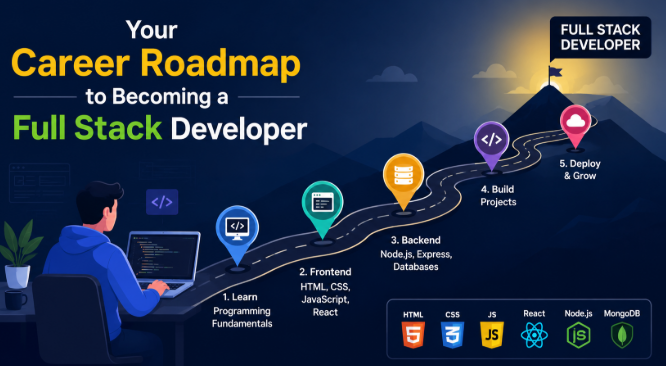
The front-end aspect of full stack development refers to the visual and interactive elements of web applications that users engage with directly. Proficiency in languages such as HTML, CSS, and JavaScript, along with frameworks like React or Angular, is essential for creating responsive and user-friendly interfaces. On the other hand, the back-end development deals with the server, database, and application logic, requiring knowledge of server-side languages such as Python, Ruby, or Node.js, and familiarity with database management systems like MySQL or MongoDB.
The importance of full stack developers cannot be overstated. They bridge the gap between the front-end and back-end development teams, ensuring seamless integration and functionality of applications. This role is particularly significant in smaller organizations where resource constraints necessitate employees to wear multiple hats. Moreover, their holistic understanding of the technology stack aids in improving communication and collaboration across teams.
However, aspiring full stack developers must be prepared to engage with a demanding job environment. The constant evolution of technology implies continual learning and adaptation to new tools and techniques. Therefore, a successful full stack developer displays not only technical expertise but also a passion for problem-solving and a commitment to lifelong learning.
Key Skills Required for Full Stack Development
To excel as a full stack developer, it is imperative to possess a diverse set of skills that span both the front-end and back-end of web development. One of the fundamental skills includes proficiency in programming languages. Notably, JavaScript and Python are widely recognized as essential for web development. JavaScript is utilized for client-side development, enabling the creation of dynamic and interactive user interfaces. In contrast, Python is often favored for its simplicity and versatility on the server side, making it suitable for various applications, including data analysis and machine learning.
Understanding modern frameworks is also crucial as they significantly streamline the development process. React.js, a popular front-end library, empowers developers to build robust user interfaces, facilitating the creation of single-page applications. On the server side, Node.js serves as an effective runtime environment that allows for building scalable network applications using JavaScript. Mastery of these frameworks contributes to a developer’s ability to craft efficient and maintainable applications.
Beyond programming languages and frameworks, knowledge of databases is essential for full stack development. Familiarity with relational databases, such as MySQL, and NoSQL databases, like MongoDB, allows developers to manage data effectively, ensuring that applications can efficiently store and retrieve information as needed. Furthermore, understanding how to integrate these databases with various back-end technologies is vital for constructing well-functioning applications.
Lastly, a competent full stack developer should also be familiar with version control systems, particularly Git. This tool is indispensable for collaborative development, enabling multiple developers to work on a project simultaneously without conflicts. Additionally, soft skills, including problem-solving, communication, and teamwork, are equally important as they enhance collaboration and project management within development teams.
Educational Pathways to Becoming a Full Stack Developer
Embarking on a career as a full stack developer entails a well-considered educational foundation. Various educational pathways can lead to this profession, each offering unique advantages and challenges. Generally, aspiring developers have three principal options: traditional degrees, coding bootcamps, and self-directed learning.
Firstly, pursuing a degree in Computer Science or a related field is a conventional approach. This route provides a comprehensive overview of computer systems, programming languages, and software development principles. Many universities and colleges offer specialized programs that cover both frontend and backend development, equipping students with the necessary skills to excel as full stack developers. Such degrees often include cooperative education or internships, providing practical experience that can be beneficial upon entering the job market.
Another increasingly popular option is the coding bootcamp. These immersive programs are designed to equip participants with full stack development skills in a short period, typically lasting from three to six months. Bootcamps focus specifically on the technologies currently in demand, such as JavaScript frameworks, databases, and APIs. Many bootcamps also emphasize hands-on projects and collaboration, fostering a learning environment similar to real-world software development settings.
Finally, self-taught approaches have gained traction with the rise of online platforms and resources. Many aspiring developers turn to free or subscription-based platforms to learn at their own pace, utilizing tutorials, forums, and community support. Supplementing self-study with online certifications can bolster a resume, showcasing dedication and proficiency in pertinent frameworks and languages.
Regardless of the educational pathway chosen, aspiring full stack developers should remain proactive in acquiring new skills and staying informed about industry trends. Continuous learning will inevitably enhance their employability in this rapidly evolving field.
Gaining practical experience is a crucial step in the journey to becoming a full stack developer. Theoretical knowledge, while essential, needs to be complemented by hands-on experience to truly enhance one’s skills. One of the most impactful ways to gain such experience is through internships. Internship programs allow aspiring developers to work alongside experienced professionals in real-world settings. This exposure not only helps in understanding workplace dynamics but also provides opportunities to apply coding skills and learn industry best practices.
In addition to internships, engaging in personal projects is another excellent way to build a robust portfolio. Personal projects enable developers to explore new technologies, frameworks, and programming languages at their own pace. By creating applications or contributing to existing ones, developers can showcase their abilities and creativity. It’s imperative to choose projects that challenge one’s skill set yet remain achievable, as this balance will foster growth and confidence in coding abilities.
Furthermore, contributing to open-source projects is a highly beneficial method for gaining practical experience. By collaborating with others on shared repositories, aspiring full stack developers can see how large projects are structured and maintained. This involvement not only improves coding skills but also offers networking opportunities with other developers in the community. Many employers appreciate candidates who demonstrate a willingness to contribute and collaborate on projects that benefit the broader tech ecosystem.
In conclusion, practical experience is indispensable for anyone aspiring to be a full stack developer. Whether through internships, personal projects, or open-source contributions, gaining real-world experience helps solidify theoretical knowledge. As such, actively seeking these opportunities can significantly enhance one’s qualifications and readiness for a successful career in full stack development.
Building a Strong Portfolio
Creating a robust portfolio is an essential step for aspiring full stack developers aiming to showcase their skills and experiences effectively. A well-constructed portfolio not only highlights completed projects but also demonstrates problem-solving capabilities and a solid understanding of full stack development technologies. The first step to building a strong portfolio is selecting the right projects to include. Aim to feature a diverse range of projects that showcase proficiency in both front-end and back-end development.
For front-end projects, consider including applications that utilize HTML, CSS, and JavaScript frameworks such as React or Angular. These projects should demonstrate an ability to create responsive designs and intuitive user interfaces. On the back-end side, highlight projects that involve server-side languages like Node.js, PHP, or Python, and that engage with databases such as MongoDB or SQL. Make sure to illustrate how these projects interact with the front end to create a cohesive application.
In addition to showcasing technical skills, it is critical to present these projects effectively. Start each project description with a brief overview, followed by the challenges faced and the solutions implemented. Including screenshots or live demos of each project will provide potential employers with insight into your work quality. Incorporate code snippets thoughtfully, but ensure that they are clear and relevant, as they serve to substantiate your technical capabilities.
Finally, maintain a professional design for your portfolio site. A clean layout and a user-friendly navigation system will enhance the user’s experience as they explore your projects. Remember, your portfolio reflects not just your skills during the development process but also your professionalism as a full stack developer. Investing time and effort into crafting a compelling portfolio can significantly impact your job prospects in this competitive field.
Networking and Professional Development
In the ever-evolving field of technology, networking and professional development play a critical role in shaping the career of a full stack developer. Building a robust network is not merely advantageous; it is essential for career growth and staying updated with industry standards and trends. Engaging with professional associations pertinent to software development can provide valuable resources and insights. These organizations often offer workshops, certifications, and forums for discussions that can enhance one’s technical skills and professional knowledge.
Attending meetups and conferences is another effective strategy for expanding one’s professional network. These gatherings provide an excellent platform for full stack developers to meet peers, industry leaders, and potential employers. Connecting with professionals who share similar interests can spark collaborations, mentorships, and even job opportunities. Conferences often feature keynotes from recognized experts, sessions focused on emerging technologies, and panels discussing future industry directions—such experiences are invaluable for anyone looking to advance their career.
With the rise of digital communication, leveraging social media platforms has become increasingly important for networking. LinkedIn serves as a powerful tool for full stack developers to connect with industry professionals, showcase their skills, and build their personal brand. Engaging with relevant content and participating in discussions can increase visibility among peers and hiring managers. Moreover, following industry-specific pages and influencers can keep developers informed about the latest technologies, job openings, and educational resources.
In summary, effective networking and ongoing professional development are vital for full stack developers. Actively engaging with professional associations, attending meetups or conferences, and utilizing platforms like LinkedIn can create ample opportunities for career advancement and foster a deeper understanding of the tech industry.
Preparing for Job Interviews
Effective preparation for a job interview as a full stack developer is crucial for successfully landing a position. This preparation not only involves technical skills but also understanding the nuances of the interview process. A candidate should begin by familiarizing themselves with common interview questions that pertain to both front-end and back-end technologies. Questions may include topics such as JavaScript, HTML/CSS, database management, and server-side programming languages like Node.js or Python. Mastery of these subjects will allow candidates to confidently respond and showcase their comprehensive knowledge.
In addition to theoretical knowledge, practical coding challenges are a common component of full stack developer interviews. Candidates are often given programming tasks that test their ability to solve problems in real-time. To prepare for these challenges, aspiring developers should dedicate time to practicing coding problems on platforms such as LeetCode or HackerRank. This practice not only enhances coding speed but also boosts confidence when faced with on-the-spot problems during interviews.
Demonstrating both technical skills and problem-solving abilities is essential. A candidate can showcase their problem-solving prowess by clearly articulating their thought processes during coding challenges. Employers often seek individuals who can break down complex problems into manageable components and explain their reasoning as they work through coding problems. Additionally, reviewing past projects and being prepared to discuss specific technologies used, along with the problems encountered and resolved during development, can provide a solid foundation for discussion.
Overall, successful interview preparation requires a combination of technical knowledge, practical coding experience, and the ability to communicate effectively. By investing time in refining these skills, a full stack developer can increase their chances of standing out in a competitive job market.
Continuing Education and Staying Current
In the rapidly evolving field of technology, particularly within the domain of full stack development, the significance of lifelong learning cannot be overstated. As frameworks, tools, and programming languages continuously advance, developers must adapt to maintain their relevance and effectiveness in the industry. Engaging in ongoing education is essential for anyone aspiring to excel as a full stack developer.
Several resources are available for developers seeking to keep their skills updated. Online courses and platforms such as Coursera, Udemy, and Pluralsight offer extensive learning paths that can be tailored to individual needs and expertise levels. These courses cover a wide array of topics, from the fundamentals of web development to the latest advancements in artificial intelligence and cloud computing. By taking advantage of such resources, developers can ensure that they remain proficient in the latest technologies and methodologies.
Moreover, attending webinars and industry conferences can be immensely beneficial. These events often feature discussions led by experts in the field who share insights on current trends and emerging technologies. Participation in such forums not only enhances knowledge but also allows for valuable networking opportunities with peers and industry leaders. Additionally, many tech companies and organizations host meetups or hackathons where developers can collaborate, share their experiences, and learn from one another in a hands-on environment.
Reading books, technical blogs, and subscribing to relevant newsletters is another effective way to stay informed. This practice helps developers become familiar with best practices, design patterns, and new developments. By cultivating a habit of continual learning through various mediums, a full stack developer can enhance their skill set and increase their employability.
Conclusion and Next Steps
Becoming a full stack developer is a comprehensive journey that requires a combination of technical skills, dedication, and a commitment to lifelong learning. The field of web development is dynamic, with new technologies and frameworks emerging continually. As a result, full stack developers must be adaptable and proactive in expanding their knowledge base.
Throughout this blog post, we have explored the essential skills and tools necessary for success in this role. Topics such as front-end and back-end development, database management, and version control systems were covered to provide a well-rounded view of the competencies required. It is important to understand that proficiency in these areas not only enhances your employability but also equips you with the capability to build responsive, functional applications that meet user needs.
As you embark on this path, it is crucial to set clear career goals and create a structured roadmap for achieving them. Regularly engaging with the developer community through online forums, coding boot camps, and networking opportunities can provide invaluable support and resources. Additionally, practical experience gained through projects, internships, or open-source contributions will significantly bolster your resume and skill set.
Ultimately, the journey to becoming a full stack developer is not a sprint but a marathon. The willingness to continually learn and adapt to changing technologies is what will set you apart in this competitive field. By taking actionable steps today – whether it is enrolling in a course, building a personal project, or seeking mentorship – you can lay the foundation for a successful career in full stack development. Embrace the challenges, remain committed, and let your passion guide you towards achieving your goals.