

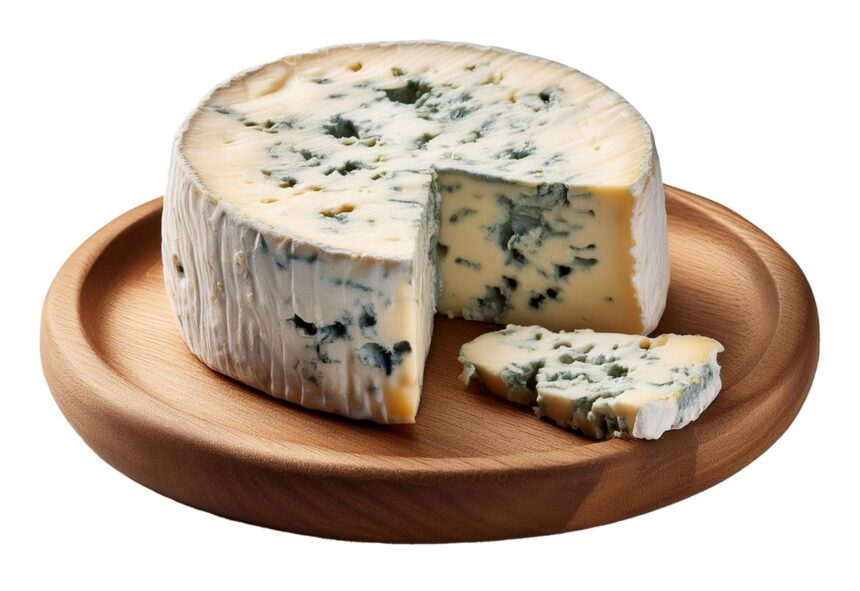
Blue cheese is one of those foods that sparks intense opinions. Some adore its bold flavor and creamy texture, while others can’t get past its pungent aroma. Whether you’re a lifelong fan or someone who’s yet to give it a chance, blue cheese has a rich history and unique characteristics worth exploring. This distinct cheese adds depth to dishes, complements various ingredients beautifully, and offers surprising health benefits too. Join us as we dive into the fascinating world of blue cheese—from its origins and types to how it’s made and used in cooking!
The History of Blue Cheese
Blue cheese boasts a rich and intriguing history that dates back centuries. Its origins are often traced to the ancient Roman Empire, where cheese-making first flourished.
AD
The unique blue veins in this type of cheese originate from Penicillium cultures, which were likely discovered accidentally by early cheesemakers. Legends speak of shepherds finding sheep’s milk cheeses left in caves, developing those characteristic moldy spots over time.
In France, Roquefort became the first documented blue cheese around the 11th century. This artisan creation sparked interest across Europe as other regions sought to replicate its distinct flavor.
Italy contributed with Gorgonzola, while England offered Stilton—each variety showcasing regional techniques and flavors. As trade expanded during the Middle Ages, so did the popularity of blue cheeses worldwide.
Today, these cheeses symbolize culinary artistry and craftsmanship enjoyed by many cultures across the globe.
Types of Blue Cheese and Their Differences
Blue cheese comes in various styles, each with its own distinct flavor profile and texture. Roquefort is one of the most famous types, hailing from France. It features a creamy texture and a tangy taste, thanks to the unique mold used during aging.
Gorgonzola, an Italian counterpart, can be either sweet or sharp. This variety often has a crumbly consistency that pairs beautifully with fruits and nuts.
Stilton is another well-known option from England. It’s rich and somewhat milder compared to its counterparts but still delivers that characteristic blue bite.
Danish Blue offers a more robust flavor that’s both salty and creamy. Its accessibility makes it popular for salads or as a cheese board staple.
Each type brings its own charm to dishes, making it easy to find one that suits your palate perfectly.
The Process of Making Blue Cheese
Making blue cheese is an art that begins with milk, typically from cows, goats, or sheep. The first step involves pasteurization to eliminate unwanted bacteria. Next comes the introduction of specific cultures and rennet to aid in curd formation.
Once the curds form, they are cut into small pieces and gently cooked. This releases whey, allowing for a firmer texture. After draining off the whey, the curds are pressed into molds.
What sets blue cheese apart is its unique aging process. During maturation, Penicillium roqueforti spores are added to create those distinctive blue veins. The cheese is then pierced with needles to allow air circulation, promoting mold development.
Aging can last from a few weeks to several months depending on the desired flavor profile. As it ages, flavors deepen while distinct textures develop—creating that bold taste beloved by many enthusiasts today.
Common Uses of Blue Cheese in Cuisine
Blue cheese adds a unique flavor to various dishes, enhancing both taste and aroma. Crumbled over salads, it provides a tangy kick that pairs beautifully with fruits like pears or figs.
In dressings, blue cheese can transform simple vinaigrettes into creamy delights. Blend it with yogurt or sour cream for a refreshing dip.
Pasta lovers enjoy incorporating blue cheese into sauces. A rich sauce made with cream and crumbles creates an indulgent coating for fettuccine or gnocchi.
For those who love savory snacks, stuffed mushrooms filled with blue cheese offer an irresistible appetizer option.
Additionally, artisan pizzas topped with melted blue cheese turn ordinary meals into gourmet experiences.
Pairing this distinctive cheese with red wines elevates any charcuterie board, bringing balance to the bold flavors of cured meats and fresh vegetables. It’s versatile enough to inspire creativity in everyday cooking!
Health Benefits and Nutritional Information
Blue cheese is not just a flavorful addition to your meals; it also packs a punch when it comes to nutrition. This distinct cheese is rich in calcium, which supports strong bones and teeth.
It contains probiotics that may enhance gut health. These beneficial bacteria can aid digestion and boost your immune system.
Additionally, blue cheese has a good amount of protein. This macronutrient helps with muscle repair and satiety, making you feel full longer.
While it’s higher in fat than some other cheeses, the fats found in blue cheese are primarily healthy unsaturated fats. Consuming blue cheese in moderation can contribute positively to heart health.
Loaded with vitamins A and B12, this unique dairy product nourishes both your skin and energy levels. So indulging in blue cheese brings more than just taste—it’s a smart choice for your wellness journey.
How to Incorporate Blue Cheese into Your Cooking
Blue cheese adds a rich and tangy flavor that can elevate many dishes. Crumble it over salads for an instant upgrade. The sharpness complements mixed greens, nuts, and fruits beautifully.
For those cozy nights in, try adding blue cheese to creamy pasta sauces. It melts wonderfully and creates a decadent texture you won’t forget.
On the grill? Don’t miss out on stuffing burgers with blue cheese. The warm, melted center will surprise your guests and keep them coming back for more.
If you’re feeling adventurous, blend blue cheese into dips or spreads. Pair it with cream cheese or Greek yogurt for a delightful appetizer.
Consider using it in baking! Incorporate it into savory scones or muffins for breakfast items that pack a flavorful punch. Each bite tells its own story of bold taste combined with comforting textures.
Tips for Storing and Serving Blue Cheese
To keep blue cheese fresh, wrap it tightly in parchment paper or wax paper. This allows the cheese to breathe while preventing moisture loss. Avoid plastic wrap as it can trap humidity and spoil the flavor.
Store your wrapped blue cheese in an airtight container inside the fridge. The ideal temperature is between 34°F and 38°F. Clearly label containers to avoid confusion with other cheeses.
When serving, let blue cheese come to room temperature for about 30 minutes before enjoying. This enhances its rich flavors and creamy texture.
Pair it thoughtfully with fruits like pears or figs, nuts, and honey for a delightful contrast that elevates your taste experience. Use sturdy crackers or artisan bread as a base for spreading this flavorful treat during gatherings or casual meals.
Myths and Misconceptions About Blue Cheese
Blue cheese often gets a bad rap, with many believing it’s just moldy cheese. While it’s true that blue cheese contains mold cultures, this is what gives it its unique flavor and aroma. The presence of these molds doesn’t mean the cheese is spoiled; rather, they are intentionally introduced during production.
Another misconception is that all blue cheeses taste the same. In reality, there are numerous varieties worldwide—from Roquefort to Gorgonzola—each offering distinct flavors and textures based on their origins and aging processes.
Many assume blue cheese will overpower dishes. However, when used correctly, it can enhance meals beautifully without overwhelming other ingredients.
Some people think blue cheese is unhealthy due to its richness in fat and sodium. In moderation, however, it provides valuable nutrients such as calcium and protein while adding depth to your culinary creations!
Conclusion: Why You Should Give Blue Cheese a Try
Blue cheese offers a unique flavor profile that can elevate any dish. Its rich, tangy taste pairs beautifully with various foods, from fruits and nuts to meats and salads. If you’re adventurous in your culinary endeavors, blue cheese deserves a spot on your plate.
This versatile cheese not only enhances your meals but also provides health benefits. Packed with nutrients like calcium and protein, it can be enjoyed guilt-free when consumed in moderation.
Whether you’re crumbling it over a fresh salad or melting it into sauces for pasta, incorporating blue cheese into your cooking is simple and rewarding. Don’t shy away from experimenting; you’ll find that the bold flavors can transform ordinary dishes into extraordinary experiences.
So next time you see blue cheese at the market or on a menu, consider giving it a try. You might just discover a new favorite ingredient that brings excitement to your palate.