

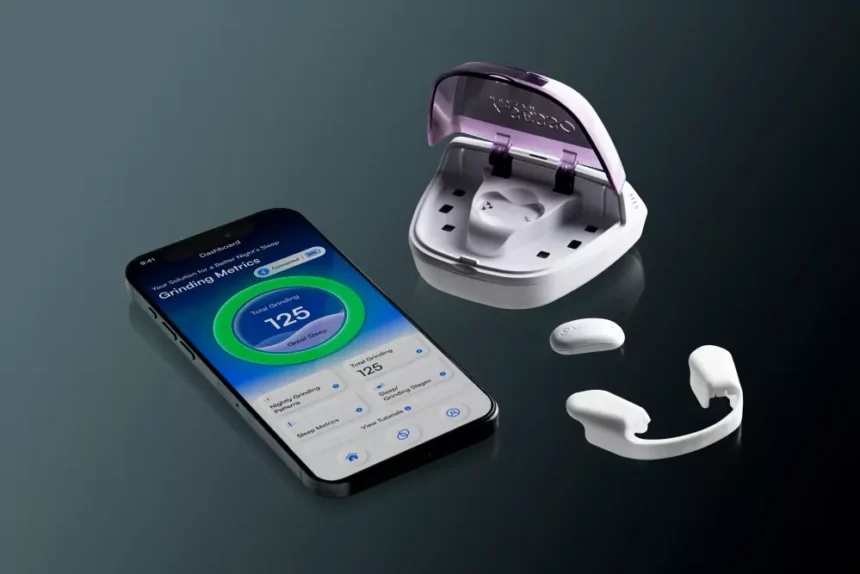
Introduction to Wearable Technology
Wearable technology refers to electronic devices that can be comfortably worn on the body, often equipped with sensors and software to collect and analyze data. These innovative gadgets, which include smartwatches, fitness trackers, and health-monitoring devices, are designed to enhance the user experience by providing real-time feedback and connectivity. As technology has significantly advanced, the functionality and applications of wearables have dramatically evolved, making them a vital aspect of our daily lives.
The proliferation of wearable technology can be traced back to the advent of simple devices that could track basic activities. However, in recent years, these gadgets have seen remarkable improvements in both their capabilities and design. Initially focused on fitness tracking, modern wearables now encompass a wide range of applications, including health monitoring, navigation, communication, and even personalized entertainment. This evolution signifies a shift in how users interact with technology, as wearables offer unprecedented convenience and accessibility.
In today’s tech-driven world, the significance of wearable technology continues to grow. It plays a pivotal role in various sectors such as healthcare, where wearable devices enable continuous health monitoring, facilitating early detection of potential issues. In the fitness industry, users can track their physical activities, sleep patterns, and overall wellness through sophisticated analytics provided by these gadgets. Additionally, personal safety features embedded in wearables, such as GPS tracking and emergency alerts, are increasingly vital in ensuring user security.
Overall, as wearable technology continues to advance, its integration into everyday life is set to deepen, promising innovative solutions that enhance personal engagement and promote healthier lifestyles.
Health Monitoring Advancements
The realm of health monitoring wearables has witnessed remarkable advancements over recent years, significantly enhancing our ability to track and understand our health. Smartwatches and fitness trackers, once limited to simplistic step counting and timekeeping, are now equipped with sophisticated sensors capable of monitoring vital signs with remarkable accuracy. These devices can measure heart rate, blood oxygen levels, and even perform electrocardiogram (ECG) functions, marking a significant evolution in personal health management.
Continuous health tracking has become a reality due to innovations in sensor technology. For example, many smartwatches utilize photoplethysmography (PPG) to provide real-time heart rate readings and analyze blood oxygen saturation levels. The integration of these technologies facilitates ongoing monitoring throughout the day, empowering users to maintain greater awareness of their physiological status. This keen insight can be crucial, as it enables timely interventions in case of potential health issues, thus promoting preventive healthcare.
Furthermore, the role of artificial intelligence (AI) and machine learning in health monitoring wearables cannot be understated. These technologies analyze vast amounts of data generated by wearables, identifying patterns and predicting health events. For instance, machine learning algorithms can detect anomalies in heart rhythms that may indicate arrhythmias, prompting users to consult healthcare professionals proactively. This predictive aspect of health monitoring wearables is revolutionizing how individuals approach their wellness, making them active participants in their health journey.
Additionally, the integration of these advanced health tracking features into wearable devices has commenced a shift towards a more personalized healthcare model. Users can access their health data in real-time, allowing for informed decisions and better management of chronic conditions. As technology continues to evolve, the future of health monitoring wearables holds even more promise for enhancing individual health outcomes and improving overall well-being.
Fitness and Performance Optimization
Wearable technology has significantly impacted the fitness industry, particularly in enhancing athletic performance and optimizing workouts for fitness enthusiasts. These devices, which range from smartwatches to advanced fitness trackers, are equipped with state-of-the-art sensors and algorithms that provide real-time performance analytics. Users can track critical metrics such as heart rate, calorie expenditure, and step count, allowing them to understand their physical exertion during various activities.
One of the most critical features of modern wearables is their ability to deliver personalized training recommendations based on user data. Athletes and regular fitness seekers can benefit from tailored workout plans that take into account their current fitness levels, goals, and health metrics. This functionality enhances motivation and encourages users to push their limits safely, maximizing the potential for improvement and reducing the risk of injury.
Furthermore, many wearable devices are now integrating seamlessly with fitness applications, enabling users to access comprehensive insights about their physical activities. These applications may offer advanced analytics capabilities, such as tracking progress over time and suggesting adjustments to workout routines for improved outcomes. The combination of wearables with these applications results in a more holistic approach to fitness management, where individuals can harness technology to drive their performance.
Another essential aspect of wearable technology is recovery tracking. Many devices monitor sleep patterns and stress levels, providing users with essential information for optimizing their recovery periods. As recovery is crucial for athletic performance, seeing measurable data ensures athletes can make informed decisions about their training schedules, leading to better results.
Smart Clothing and Textiles
The rise of smart clothing and textiles represents a significant leap in wearable technology, enabling seamless integration of advanced features directly into fabrics. This innovation transforms traditional garments into sophisticated devices that can monitor various aspects of physical activity and health.
One noteworthy innovation in smart clothing is moisture control technology, which employs advanced fabric treatments to wick away sweat from the skin. This not only enhances comfort for athletes but also optimizes their performance by maintaining an ideal body temperature. Companies like Under Armour have pioneered this technology, releasing garments that help athletes feel cooler and drier during intense workouts.
Temperature regulation is another remarkable aspect of smart textiles. Through the incorporation of phase change materials (PCMs), these fabrics can store and release heat as needed, ensuring that individuals remain comfortable in varying conditions. Brands such as Columbia have developed jackets that utilize these materials to provide warmth when the temperature drops, while simultaneously allowing breathability during physical exertion.
Moreover, built-in sensors in smart clothing can monitor muscle activity and other biometric data. For instance, wearables produced by Hexoskin feature textile-integrated sensors that track heart rate, respiration, and movement patterns, offering valuable insights into an athlete’s performance and recovery needs. These garments allow users to gain feedback on their fitness levels in real-time, promoting informed training adjustments.
From moisture-wicking capabilities to temperature control and biometric tracking, the advancements in smart clothing are reshaping the way individuals engage with fitness and health. With ongoing research and development, the future of textiles will likely see even more innovative features that enhance user experience and performance.
Augmented Reality Wearables
Augmented reality (AR) wearables are rapidly transforming the way users interact with their surroundings by seamlessly overlaying digital information onto the physical world. One of the most prominent examples of AR wearables is smart glasses, which have evolved significantly in recent years. These innovative devices allow users to experience a unique blend of physical and virtual elements, thereby enhancing their perception of reality.
The advancements in AR interfaces have propelled the adoption of smart glasses across various sectors, including gaming, education, and professional training. In the gaming industry, AR wearables create immersive experiences, allowing players to engage with virtual objects in real environments. This fusion of physical and digital realms enhances user engagement and provides an interactive experience that traditional gaming methods cannot replicate.
In the field of education, AR wearables serve as valuable tools that augment learning experiences. By overlaying educational content—such as 3D models and interactive simulations—onto real-world objects, students can grasp complex concepts more effectively. For instance, medical students can simulate surgeries using AR glasses, providing practical training without the risks associated with real-life procedures.
Professional training is also benefiting from AR wearables. Many industries, including manufacturing and healthcare, are starting to utilize these devices for on-the-job training. By providing real-time information and instructions directly through the AR interface, trainees can perform tasks more efficiently and accurately, resulting in enhanced productivity.
Key players in the AR wearable market include companies like Microsoft, with its HoloLens, and Google with its Google Glass Enterprise Edition. These innovations not only showcase the potential of AR technology but also demonstrate its applicability across various professional domains, leading to futuristic developments in the way society interacts with technology. As AR wearables continue to evolve, they are poised to redefine the boundaries between the physical and digital worlds.
Sleep Tracking Innovations in Wearable Technology
As the importance of sleep health becomes increasingly recognized, innovations in wearable technology have advanced significantly, particularly in the realm of sleep tracking. Modern wearables are equipped with sophisticated sensors that monitor a variety of metrics, enabling users to gain valuable insights into their sleep patterns. One key area of focus in sleep tracking technology is the ability to analyze REM cycles, which is crucial for understanding restorative sleep phases. This allows individuals to assess how much time they spend in light, deep, and REM sleep during the night.
Additionally, heart rate variability is often measured to provide further context on sleep quality. This metric can indicate how well the body is recovering during sleep, with healthier heart rate variations suggesting a more restful state. Many wearables now incorporate algorithms that analyze this data alongside other factors, such as external disturbances, to provide comprehensive feedback on an individual’s sleep environment and behaviors.
Innovations in sleep tracking have also led to features designed specifically to improve sleep quality. Some devices offer personalized recommendations for optimizing sleep hygiene or suggest relaxation techniques based on collected data. They can monitor sleep disturbances, such as snoring or restlessness, enabling users to identify patterns that may require lifestyle adjustments or even consultation with a healthcare professional.
The growing emphasis on sleep health underscores its critical role in overall well-being. Sleep plays a vital role in physical health, emotional stability, and cognitive functioning. Therefore, advancements in wearable technology that enhance sleep tracking not only contribute to the personal well-being of users but also promote a greater awareness of the importance of quality sleep in modern life.
Fashion Meets Functionality
The evolution of wearable technology has profoundly influenced contemporary fashion, merging aesthetic appeal with advanced functionality. Historically, gadgets were typically seen as utilitarian, often sacrificing style for performance. However, recent innovations in wearable tech have challenged this norm, prompting designers to create pieces that are not only functional but also fashionable. As technology advances, the notion of wearables as everyday fashion accessories is increasingly embraced, paving the way for a larger audience.
Prominent brands exemplifying this trend include Apple, which has collaborated with high-end fashion houses such as Hermès. This partnership resulted in luxury smartwatch bands that cater to style-conscious consumers while retaining the functionality associated with the Apple Watch. Another notable example is Garmin’s collaboration with renowned designer, Havaianas, where sleek and stylish fitness trackers blend seamlessly into a summer wardrobe, enabling users to monitor their health metrics without sacrificing style.
Furthermore, brands like Fitbit have begun to introduce limited edition devices that emphasize design, allowing users to choose wearables that reflect their personal tastes. The range of designs available ensures that wearables can complement various fashion styles, from sporty to sophisticated. This development signifies a shift in consumer perception, positioning wearable devices as essential accessories rather than mere gadgets.
Additionally, the rise of smart jewelry—such as rings and bracelets outfitted with health-monitoring technologies—has broadened the appeal of wearable tech. These items combine striking aesthetics with the capabilities of traditional wearables, attracting individuals who may have previously shunned technology in favor of fashion. As wearable technology continues to evolve, its integration into everyday attire marks a significant advancement, celebrating the union of style and utility in our daily lives.
Future Trends in Wearable Technology
The landscape of wearable technology is on the cusp of significant transformation, fueled by innovations that promise enhanced user experiences and expanded applications. One of the most notable advancements is in materials technology. Wearable devices are becoming lighter, more flexible, and even more durable thanks to the development of advanced materials such as graphene and smart textiles. These innovations not only improve comfort levels but also pave the way for devices to integrate seamlessly into daily wear, fulfilling the desire for both functionality and style.
Battery life, a long-standing challenge in the realm of wearable tech, is also seeing promising upgrades. Future innovations may involve energy harvesting technologies that can harness ambient energy, such as solar or kinetic energy, enabling devices to run longer without frequent recharging. This breakthrough will significantly enhance the usability of wearables, allowing them to be employed in a wider array of contexts without the hassle of battery management.
Furthermore, artificial intelligence (AI) is set to revolutionize wearable technology by offering personalized user experiences. AI integration can not only improve the accuracy of health tracking by analyzing user data over time but also provide tailored recommendations for fitness, nutrition, and overall health. This level of personalization can increase user engagement and adherence to health and wellness goals.
Looking ahead, potential future applications can extend into areas such as mental health tracking and chronic disease management. Emerging wearables could offer real-time monitoring of emotional states, providing valuable insights into mental well-being. Similarly, chronic disease management could see a transformation as wearables facilitate remote monitoring, allowing healthcare providers to track patients’ conditions and adjust treatments accordingly. Overall, the future of wearable technology seems poised for an exciting evolution, driven by innovations that promise to enhance user functionality and open new avenues for health management.
Conclusion: The Future of Wearable Tech
As we reflect on the advances in wearable technology, it is essential to recognize its transformative impact across various sectors. From healthcare to fitness, and even in everyday life, wearable devices have significantly enhanced our ability to monitor, maintain, and manage our health. Innovations in wearable technology, such as health trackers, smartwatches, and even smart clothing, have created opportunities for improving user engagement while promoting a more active lifestyle.
However, this evolution comes with its challenges. Privacy concerns related to data collection and storage looms large, as more personal information is shared through these connected devices. Striking a balance between the compelling health benefits provided by wearable technology and the necessity of maintaining user privacy is critical for the continued acceptance and integration of these devices into our lives.
Moreover, the rapid advancement of mobile applications and cloud computing services continues to propel the capabilities of wearable technology forward. It is of great interest to observe how innovations, such as augmented reality and artificial intelligence integration, will further enhance the user experience and functionality of wearables in the near future. As these technologies evolve, it becomes increasingly important for users to evaluate which wearable solutions best align with their personal health goals and lifestyle.
In summary, wearable technology is set to play a profound role in shaping the future of health and wellness. With ongoing developments, users are encouraged to stay informed about new advancements that could impact their personal health journeys, while also considering the implications of data privacy as they adopt these innovative solutions.