

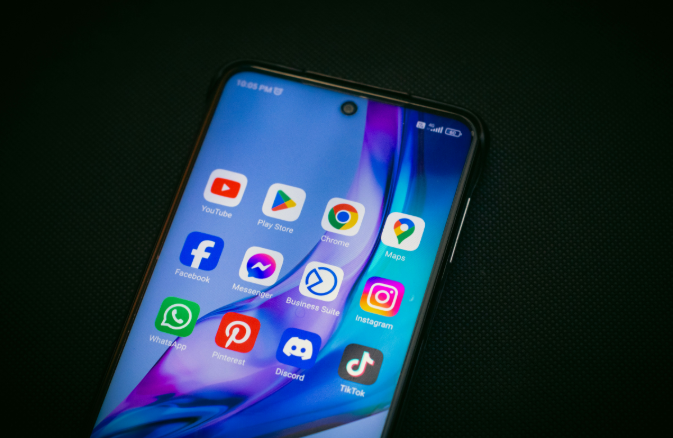
Introduction to Entertainment Apps
In the contemporary digital landscape, entertainment apps play a pivotal role in our daily lives, offering diverse avenues for leisure and engagement. These applications, predominantly designed for smartphones and tablets, provide users with access to a wide range of content and activities, from streaming movies and music to engaging in interactive gaming experiences. As technology continues to evolve, the significance of these applications has surged, driven by the increasing demand for easily accessible entertainment.
Entertainment apps can be broadly categorized into several types, notably streaming services, gaming applications, and social media platforms. Streaming services such as Netflix, Hulu, and Spotify facilitate on-demand access to movies, TV shows, and music, allowing users to personalize their viewing and listening experiences. The rise of these platforms has transformed traditional media consumption, as users now prefer personalized content over pre-scheduled broadcasts.
Gaming apps, encompassing everything from casual puzzles to immersive role-playing games, have also witnessed explosive growth. Titles like Fortnite and Candy Crush have redefined the gaming experience, merging social interaction with entertainment. The variety in game genres caters to a broad audience, ensuring that there is something enjoyable for everyone.
Furthermore, social media platforms such as Instagram, TikTok, and Snapchat have created a new form of entertainment by allowing users to share and engage with content. These platforms foster community interaction and creative expression, contributing significantly to the entertainment ecosystem.
Overall, the significance of entertainment apps is evident as they not only provide recreation but also connect individuals globally, offering them various forms of content and interaction. As we delve further into this discourse, we will explore the most popular entertainment apps currently dominating the market and the unique experiences they offer to users.
The Rise of Streaming Services
The emergence of streaming services is a defining trend in the entertainment landscape during recent years. Platforms such as Netflix, Hulu, and Disney+ have fundamentally revolutionized the way audiences engage with media. Prior to the advent of these streaming applications, viewers were largely bound by traditional cable television subscriptions, which often required them to adhere to specific scheduling. The flexibility that streaming services provide has changed consumption habits, allowing users to access a vast library of content at their convenience.
Streaming services have altered the traditional television landscape significantly. Viewers now have the ability to binge-watch entire seasons of series, a practice that has influenced how shows are produced and marketed. The success of specific original content, crafted exclusively for platforms like Netflix, has encouraged other providers to follow suit, leading to an avalanche of new shows and films being produced across various streaming applications. This shift has not only empowered viewers by granting them control over what they watch, but has also prompted traditional television channels to adapt their business models in response.
In addition to altering viewer habits, streaming services have ushered in a new era of content production trends. The demand for quality original programming has surged, leading to investments in diverse genres and narratives. Many platforms have begun collaborating with established filmmakers and writers, further blurring the lines between cinema and television. Moreover, the global reach of these streaming services has enabled international content to find audiences beyond its home country, thereby enriching the entertainment ecosystem. As streaming services continue to evolve, they are likely to further define the future of media consumption and production.
Gaming Apps: A New Age of Entertainment
The advent of gaming apps represents a significant shift in the landscape of entertainment. Mobile gaming has surged in popularity, transforming how millions engage with interactive media daily. By capitalizing on the widespread availability of smartphones, gaming apps have created an unprecedented avenue for entertainment that can be accessed anywhere, anytime.
Among the myriad of gaming applications available, titles such as Fortnite, Among Us, and Candy Crush stand out due to their diverse appeal and engaging gameplay. Fortnite, a battle royale game, has captivated players across various demographics, offering a blend of strategy, creativity, and teamwork. Its vibrant graphics and seasonal updates keep the gaming experience fresh, while the social interactions fostered through multiplayer modes enhance its popularity.
Meanwhile, Among Us revolutionized social gaming with its unique gameplay centered around teamwork and deception. This app gained immense traction during the pandemic, as players sought ways to connect virtually. Its simple yet engaging design allows players to enjoy quick rounds, making it an excellent option for casual gamers looking for both entertainment and social engagement.
Candy Crush, on the other hand, exemplifies how gaming apps can target a different segment of the population, attracting individuals who may not traditionally consider themselves gamers. With its easy-to-understand mechanics and appealing visuals, it has proven to be a highly addictive puzzle game that appeals to users of all ages.
The social aspects of gaming apps cannot be overstated. They offer platforms for players to form communities, share achievements, and compete in friendly environments. Platforms such as social media often amplify the experience, encouraging players to invite friends and share their progress. This transformative blend of entertainment and community interaction not only highlights the enduring popularity of gaming apps but also underscores their pivotal role in modern entertainment culture.
Social Media as Entertainment Platforms
In recent years, social media applications such as TikTok, Instagram, and Facebook have transformed from mere communication tools to significant entertainment platforms. This evolution can largely be attributed to the rise of user-generated content that these platforms prioritize, providing users with diverse and interactive opportunities for engagement. The nature of content shared on these platforms is unique; it is often spontaneous and relatable, enabling users to connect with others on a personal level.
Platforms like TikTok have pioneered short-form video content, encouraging users to express their creativity through challenges, dances, and comedic skits. This has sparked an array of trends, captivating audiences and facilitating viral content that can reach millions within hours. The algorithmic approach of TikTok ensures that users are constantly presented with content tailored to their preferences, thus enhancing engagement and keeping users entertained for extended periods.
Instagram, on the other hand, has equally adapted to the entertainment landscape by incorporating features such as Stories and IGTV, which emphasize visual storytelling. This format allows influencers and users alike to showcase their lives and interests, fostering a sense of community among followers. The age of influencers is markedly evident here, as many users have amassed significant followings, turning their personal brands into lucrative ventures, thus blurring the lines between entertainment and commerce.
Furthermore, platforms like Facebook have not lagged behind, evolving to incorporate video content and live streaming features that cater to the entertainment needs of diverse age groups. Groups and pages dedicated to various forms of entertainment continue to flourish, providing updates, discussions, and viral content across a spectrum of interests. As these social media applications develop, they will likely continue to enhance their features to retain user engagement while offering new forms of entertainment.
The Impact of Music Streaming Apps
In recent years, music streaming apps like Spotify, Apple Music, and SoundCloud have revolutionized the way users engage with music. These platforms not only provide a vast library of songs but also facilitate an unprecedented level of accessibility for consumers. The transition from physical media to digital streaming has radically altered the landscape of the music industry, enabling listeners to access millions of tracks instantly, on various devices.
One of the most notable changes introduced by these music streaming services is the ease of music discovery. Users can explore new genres, artists, and songs without the barriers previously associated with purchasing records or albums. Features like curated playlists—specifically tailored to individual tastes—and algorithm-driven recommendations have democratized music consumption. Listeners can now enjoy personalized experiences that cater to their unique preferences, which was seldom achievable in more traditional formats.
The impact of these streaming platforms extends beyond mere convenience; they have fundamentally shifted the business model of the music industry. Artists and record labels are now challenged to adapt to a model where streams are prioritized over album sales. This has led to an increased focus on singles and promotional strategies aimed at online exposure. Furthermore, the accessibility offered by streaming services provides emerging artists with the opportunity to reach global audiences, allowing them to gain traction without the need for a traditional record deal.
In conclusion, the rise of music streaming applications has significantly impacted how users discover, consume, and engage with music. The convenience, personalization, and widespread access offered by these platforms have transformed the music industry, leading to new opportunities and challenges for artists and listeners alike.
Interactive and Augmented Reality Apps
In recent years, the rise of interactive and augmented reality (AR) applications has revolutionized the way users engage with digital content. Apps such as Pokémon GO and Snapchat exemplify how augmented reality can enhance entertainment experiences by merging the digital realm with the physical world. These innovative platforms have attracted millions of users globally, demonstrating the significant appeal of AR in everyday entertainment.
Pokémon GO, released in 2016, effectively captured the gaming community’s imagination by encouraging players to explore real-world locations to find and catch virtual Pokémon. Utilizing GPS technology and augmented reality, the app overlays these creatures onto the real-world environment through users’ smartphone cameras. This unique blend of digital and physical gameplay not only makes the gaming experience immersive but also promotes outdoor activities, social interaction, and community events, thus fostering a vibrant player community.
Similarly, Snapchat employs AR features that allow users to interact with their surroundings creatively. The app provides a multitude of lenses and filters that can transform facial appearances or add virtual objects to the real world. By encouraging users to engage with their environment and share these experiences, Snapchat has set a standard for how social media can utilize augmented reality to enhance user interaction. This capability not only entertains users but also drives engagement by allowing creative expression through interactive features.
The integration of interactive and augmented reality technologies in such applications represents a shift in entertainment consumption, paving the way for new possibilities in how users interact with content and each other. By continually innovating and providing unique experiences, these apps demonstrate the potential of AR in transforming conventional entertainment paradigms. As technology advances, one can expect these realms to evolve further, encouraging even greater user involvement.
The Role of News and Informational Entertainment Apps
In the digital age, news and informational entertainment apps have emerged as a significant medium for disseminating information while simultaneously engaging the audience. Apps like BuzzFeed, Vice, and others have revolutionized the conventional approach to news, combining informative content with entertainment to reshape public engagement with important topics.
These apps serve a dual purpose: they inform users about current events and social issues while ensuring the content remains entertaining and accessible. This innovative approach taps into the fast-paced lifestyle of modern consumers who prefer shorter articles with engaging visuals over lengthy traditional news formats. By blending humor, quizzes, and interactive elements, these platforms have effectively captured the attention of a broader audience, especially younger demographics who might otherwise overlook conventional news outlets.
The significance of this transformation cannot be overstated. As users increasingly turn to their mobile devices for content consumption, the accessibility and user-friendly interface of news and informational entertainment apps have made them indispensable tools in today’s fast-moving world. The way these apps curate and present information fosters a culture where news is no longer just a means of staying informed but also a source of entertainment. This democratization of news means that critical social issues can gain attention through engaging stories, driving awareness and conversation among users.
Moreover, the ability of these apps to create shareable content encourages user engagement on social media platforms, further amplifying their reach and impact. This interconnectedness ensures that important topics are discussed in both familiar and innovative formats, leading to greater public discourse. In summary, the integration of entertainment elements into news apps has significantly reshaped the way audiences consume information and engage with global events.
Future Trends in Entertainment Apps
The landscape of entertainment applications is rapidly evolving, driven by advancements in technology and shifting user preferences. Emerging technologies such as virtual reality (VR) and augmented reality (AR) are expected to play a pivotal role in shaping the future of entertainment apps. These immersive experiences offer users new ways to engage with content, allowing them to step into their favorite worlds or interact with characters in unprecedented ways. Such applications not only enhance gaming experiences but also open avenues for virtual concerts and interactive film viewings.
Another significant trend is the integration of artificial intelligence (AI) in entertainment applications. AI-driven personalization helps to tailor content to individual preferences, ensuring that users have customized experiences. This personalization may extend beyond mere recommendations; it could influence everything from the content users engage with to how they interact with others within the app. As AI continues to advance, entertainment apps may offer more sophisticated features, such as mood recognition and adaptive storytelling, creating an environment that resonates more deeply with its audience.
Additionally, the emergence of new entertainment formats could redefine user experiences. Interactive storytelling, where the user’s choices affect narrative outcomes, is gaining traction. This trend not only enhances engagement but also allows for multiple playthroughs, fostering a deeper investment in the content. Coupled with the rise of social features, such as collaborative viewing or gaming, the future landscape of entertainment apps is likely to promote community building and shared experiences.
As we look to the future, it is evident that the convergence of VR, AI, and innovative formats promises an enriched entertainment ecosystem. Users are increasingly seeking unique experiences that blend interactivity and personalization, suggesting that the next big thing in entertainment apps could very well stem from these technological advancements.
Conclusion
In contemporary society, entertainment applications serve as integral components of daily life, catering to diverse preferences and needs. The evolution of these apps reflects significant changes in how users consume and engage with content across various mediums, including music, video streaming, gaming, and social networking. As we have explored throughout this blog post, different types of entertainment apps, such as Netflix for streaming, Spotify for music, and mobile gaming applications, highlight the growing demand for accessible and personalized entertainment solutions.
The importance of these applications cannot be overstated, as they not only provide leisure and enjoyment but also foster social connectivity by allowing users to share experiences and recommendations within their networks. Furthermore, the rapid development in technology and user interface design has made it easier for consumers to discover and explore new entertainment options, allowing for a tailored experience that enhances overall satisfaction.
Consequently, it is vital for individuals to explore the wide array of entertainment apps available today to find those that resonate with their interests and lifestyle. With the continuous innovations in app development and content delivery, users can anticipate even more engaging and interactive features in the future. Ultimately, staying informed about the latest entertainment trends and applications will ensure that consumers enjoy the best in digital entertainment while adapting to an ever-evolving landscape.