

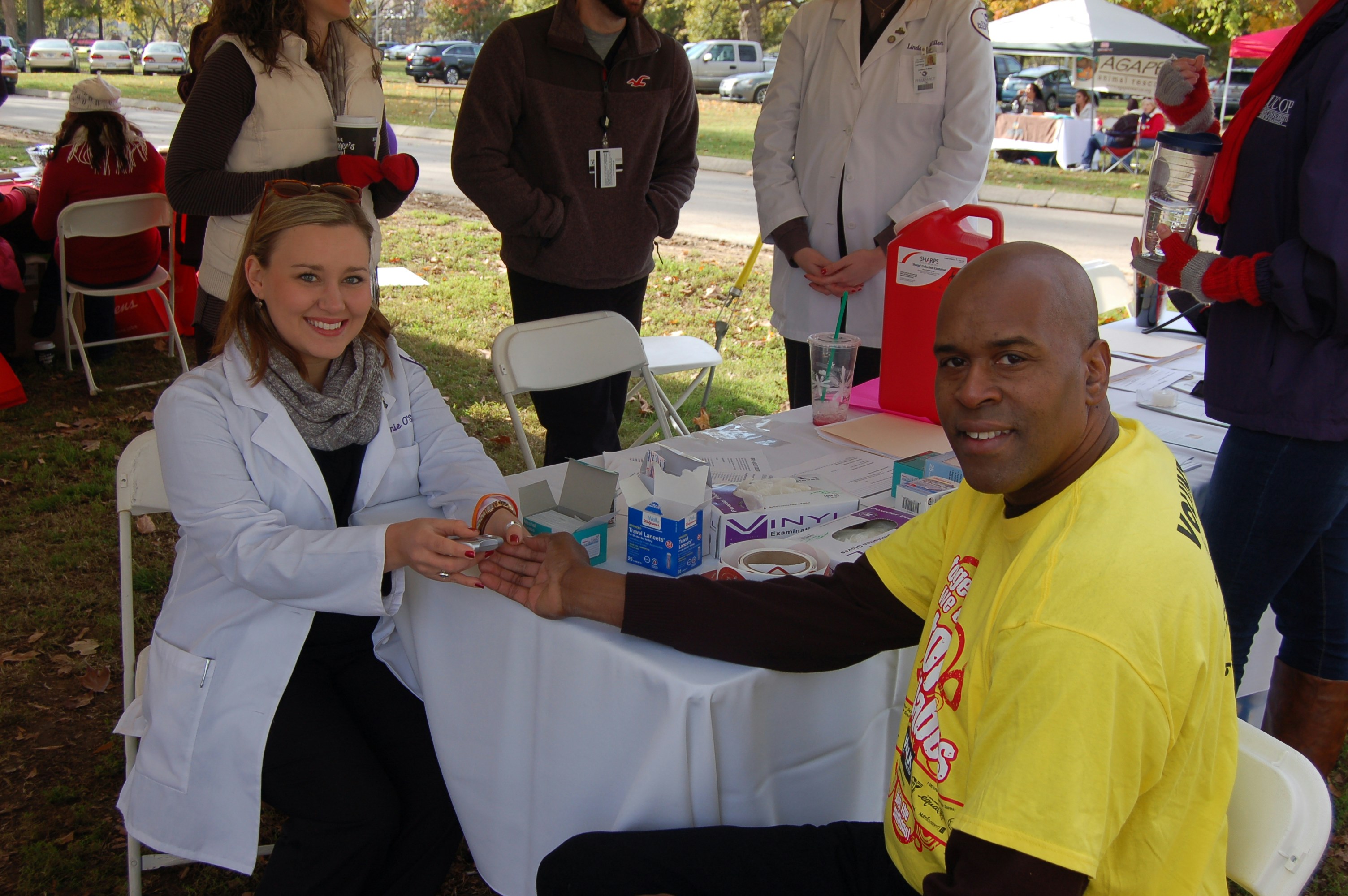
Introduction to Health Checkups
Health checkups, also referred to as preventive health assessments, are systematic evaluations aimed at monitoring an individual’s overall health status. These examinations help identify potential health issues before they escalate into more significant problems. A comprehensive health checkup typically includes a physical examination, blood tests, and various screenings depending on the age and risk factors of the individual.
The primary purpose of health checkups is to facilitate preventive care, allowing for timely intervention when necessary. Regular checkups are critical as they can detect diseases such as hypertension, diabetes, and heart disease in their early stages, leading to more effective management. According to health professionals, the frequency of these checkups can vary significantly based on age, lifestyle, and specific health concerns. Generally, adults aged 18 to 39 are advised to have checkups every two to three years, while those aged 40 and older may require annual assessments. Additionally, individuals with chronic conditions or those at higher risk may need to consult their healthcare provider more frequently.
Emphasizing the significance of prevention, health checkups serve as a proactive approach to medicine. They focus on monitoring health metrics and lifestyle choices, which can empower individuals to make informed decisions regarding their health. This differs from the traditional model of healthcare, where treatment is sought only after symptoms appear. By prioritizing regular checkups, individuals can stay ahead of potential health issues and maintain better overall wellness.
Benefits of Regular Health Checkups
Regular health checkups offer a multitude of benefits that can significantly enhance an individual’s quality of life. One of the most critical advantages is early disease detection. Many health issues, such as hypertension, diabetes, and even certain types of cancer, can be effectively managed if they are caught in their early stages. Through routine screenings, patients can identify these conditions before they escalate into more severe health problems, allowing for timely interventions and treatments.
Moreover, periodic checkups facilitate better management of existing medical conditions. For individuals who already have chronic ailments, regular visits to a healthcare provider ensure that their health status is monitored closely. Adjustments to treatment plans can be made as necessary, enhancing the efficacy of the management strategies employed. Conditions like asthma, heart disease, or chronic pain can be more effectively controlled with consistent evaluation and modifications in care.
Beyond disease detection and management, regular health checkups promote overall well-being by encouraging a proactive approach to health. During these assessments, healthcare providers often discuss lifestyle factors, such as diet, exercise, and mental health, which play a vital role in maintaining physical and emotional well-being. For example, discussions about nutrition can lead to preventive measures against obesity, which is a precursor to various other health issues.
In essence, the benefits of regular health checkups are far-reaching. They encompass early identification of potential health risks, enhanced management of ongoing health issues, and the promotion of healthier lifestyle choices. By investing in regular assessments, individuals not only safeguard their health but also embrace a comprehensive approach to wellness that can lead to a more fruitful and longer life.
Understanding Different Types of Health Checkups
Health checkups play a critical role in maintaining individual well-being and addressing potential health issues before they escalate. Various types of health checkups exist, tailored to meet specific health needs, which can be broadly categorized into preventive screenings, routine physical exams, and specialized exams.
Preventive screenings are essential in identifying health problems at an early stage, often before symptoms appear. These screenings may include tests for high blood pressure, cholesterol levels, and various cancers such as breast, cervical, and colorectal. The aim is to catch diseases early when they are most treatable and to provide a foundation for ongoing health assessments.
Routine physical exams, commonly performed by general practitioners, are comprehensive evaluations that assess overall health. These exams typically include a detailed medical history review, physical examinations, and discussions on lifestyle choices. During these checkups, healthcare providers can identify risks, recommend lifestyle changes, and schedule necessary follow-up tests or referrals to specialists as appropriate.
Specialized exams cater to specific aspects of health, such as dental, vision, and mental health assessments. Dental checkups are crucial for maintaining oral health and preventing dental issues. Vision examinations assess eye health, ensuring timely detection of conditions such as glaucoma or macular degeneration. Furthermore, mental health checkups are gaining recognition, acknowledging the importance of emotional well-being. These checkups may involve discussions regarding mental state, stress management, and coping strategies.
In summary, the importance of tailored checkups based on individual health needs cannot be overstated. Regular health checkups, encompassing preventive screenings, routine physical exams, and specialized exams, collectively contribute to a proactive approach to health management, empowering individuals to take charge of their health outcomes.
Recommended Checkup Schedule by Age Group
Establishing a routine health checkup schedule is essential for early detection of potential health issues across different life stages. Regular health assessments help tailor preventive measures according to the specific needs of each age group, consequently promoting longevity and quality of life.
Children (0-18 years): Pediatric health checkups are critical for monitoring growth and development. Infants should have checkups at 1, 2, 4, 6, 9, 12, 15, 18, and 24 months, transitioning to annual visits thereafter. These appointments typically include vaccinations, assessments of developmental milestones, and discussions on nutrition and physical activity. Screenings for common conditions, such as lead levels and vision or hearing impairments, are also advised during these years.
Young Adults (19-39 years): Health checkups generally become less frequent for young adults, with recommendations for a comprehensive evaluation every 1-3 years. This age group should focus on routine screenings for blood pressure, cholesterol levels, and sexually transmitted infections (STIs), especially for those at increased risk. A healthy lifestyle discussion regarding diet, exercise, and mental health is also essential during visits.
Middle-Aged Adults (40-64 years): Adults in this age category should aim for an annual health checkup to address personalized health risks such as diabetes, heart disease, and cancer. Recommended screenings may include mammograms for women, prostate exams for men, and regular blood tests to monitor cholesterol and glucose levels. This age group should not overlook lifestyle assessments and necessary vaccinations, which play a crucial role in preventing illness.
Seniors (65 years and older): Seniors should have biannual checkups, focusing on managing chronic conditions and enhancing their quality of life. Routine screenings for osteoporosis, cognitive function, and depression are vital at this stage. Additionally, assessments of medication use and the effectiveness of ongoing treatments are commonly addressed during these visits, ensuring optimal health management.
What to Expect During a Health Checkup
A health checkup is a crucial process that allows healthcare professionals to assess an individual’s overall health and identify any potential concerns. For those who may be anxious about their first visit, understanding the steps involved can help ease those feelings.
Initially, the checkup typically begins with a review of the patient’s medical history. During this phase, the healthcare provider will ask questions about existing medical conditions, medications currently being taken, and family medical history. This information plays a vital role in helping the physician gauge any hereditary health risks and guide further examination.
Following the history review, a comprehensive physical examination is conducted. This may include measuring vital signs such as blood pressure, temperature, and heart rate. The physician may also assess other aspects of health, including checking the lungs and heart, examining the abdomen, and testing reflexes. This thorough examination enables the provider to identify any early signs of health issues and plan for any necessary follow-up care.
In many cases, lab tests are also an integral part of a health checkup. Depending on age, gender, and risk factors, the healthcare provider might order blood tests to measure cholesterol levels, blood sugar, or thyroid function. Additionally, urinalysis and other routine tests may be suggested to gather more information about the patient’s health condition.
Overall, the health checkup process is designed not only to assess physical well-being but also to foster open communication between the patient and healthcare provider. By demystifying what occurs during a checkup, individuals can feel more prepared and less anxious, ultimately leading to better healthcare participation and health outcomes.
The Role of Technology in Health Checkups
Technology has profoundly transformed the landscape of health checkups, delivering innovative solutions that enhance patient care and streamline processes. One of the most significant advancements is the integration of telemedicine, allowing patients to engage with healthcare providers remotely. This technology not only reduces the necessity of physical visits but also increases access to medical professionals, particularly for individuals living in remote areas or those with mobility issues. Through virtual consultations, patients can receive timely advice, diagnosis, and treatment plans without the constraints of traditional in-person visits.
Wearable health trackers represent another technological marvel in health monitoring. Devices such as smartwatches and fitness bands enable individuals to track vital health metrics, including heart rate, step count, and sleep patterns. These trackers gather continuous health data, empowering users to take proactive measures in managing their well-being. This real-time information not only encourages a more engaged approach to personal health but also allows healthcare providers to monitor patients more closely and identify potential issues before they escalate into serious problems.
Moreover, electronic health records (EHRs) have revolutionized how patient information is stored and shared. With EHRs, healthcare providers have immediate access to a patient’s medical history, allergies, and current medications, facilitating informed decision-making and improved continuity of care. This centralization of health data enhances the accuracy of diagnoses and treatment plans, ultimately leading to better health outcomes.
Through these technological advancements, the convenience and efficiency of health checkups have drastically improved. Patients can easily schedule appointments, receive consultations, and manage their health without the time-consuming aspects associated with traditional methods. As technology continues to evolve, its role in enhancing health checkups will undoubtedly expand, leading to increasingly personalized and effective healthcare solutions.
Overcoming Barriers to Health Checkups
Health checkups are essential for early detection and prevention of diseases; however, many individuals encounter barriers that inhibit their ability to attend these crucial appointments. Among the most significant obstacles are cost, accessibility, and fear of diagnosis.
Cost is often a primary concern, particularly for individuals without health insurance or those whose plans impose high out-of-pocket fees. The financial burden associated with checkups can deter individuals from seeking necessary medical attention. To alleviate this issue, healthcare facilities can offer sliding scale fees based on income, and governmental programs may provide resources for low-income families to access preventative care services at little or no cost.
Accessibility is another critical barrier. Those living in rural areas may face long distances to healthcare facilities, while urban populations might struggle with adequate transportation. Solutions such as telehealth services have gained traction, allowing patients to receive consultations remotely, thus minimizing travel burdens. Additionally, community health clinics often provide mobile units, bringing services closer to underserved populations.
Fear of diagnosis, stemming from anxiety around potential health conditions, can also prevent individuals from attending checkups. The idea of receiving bad news can lead to avoidance behaviors. To combat this, healthcare providers should emphasize the importance of routine checkups in maintaining long-term health rather than solely focusing on the possibility of negative outcomes. Public awareness campaigns can also normalize conversations around health concerns, making the experience of attending checkups less daunting.
Ultimately, addressing these barriers involves a multi-faceted approach that encompasses financial assistance, improved access to care, and education. By actively working to overcome these challenges, individuals can feel empowered to prioritize their health through regular checkups and consultations.
How to Prepare for Your Health Checkup
Preparing for a health checkup is an essential step in ensuring that you receive the most benefit from the visit. To optimize your time with your healthcare provider, it is crucial to gather relevant information and be proactive in your approach. Firstly, make a list of your medical history, including any previous diagnoses, surgeries, and ongoing treatments. This knowledge allows your healthcare provider to make informed decisions regarding your current health status.
Additionally, it is important to bring along a list of medications you are currently taking, including over-the-counter drugs and supplements. Note the dosages and frequency of use. This information can help your healthcare provider identify any potential drug interactions or side effects that might impact your health.
Effective communication during your appointment is vital. Begin by stating any health concerns or symptoms, no matter how minor they may seem. Clear communication enables your healthcare provider to understand your needs better and focus on pertinent areas during the checkup. Consider preparing a list of questions to ask, which could include inquiries about necessary tests, lifestyle changes, or preventive measures related to your health.
Lastly, do not shy away from discussing your lifestyle choices, such as diet, exercise, and stress management. These aspects play a crucial role in your overall health and can significantly influence outcomes during your checkup. Moreover, if you have financial concerns related to healthcare, raising these issues with your provider can lead to better understanding and possible solutions.
Overall, by being organized and forthcoming about your health, you can help ensure a comprehensive and productive health checkup that addresses your specific needs and concerns.
Conclusion: Making Health Checkups a Priority
In today’s fast-paced world, prioritizing regular health checkups is essential for sustained well-being. Frequently, individuals might overlook the significance of routine health evaluations, viewing them as optional rather than integral to health maintenance. However, committing to regular health checkups can allow for early detection and prevention of potential health issues.
Routine health checkups encompass a wide range of assessments tailored to detect varying conditions at their earliest stages. These evaluations not only focus on physical health but also encompass mental and emotional well-being. By engaging in preventative screenings, individuals can consult with healthcare professionals about lifestyle choices, vaccinations, and health history, thereby fostering a more comprehensive approach to personal health.
The benefits are profound; proactive health management through regular checkups often correlates with an enhanced quality of life. Early detection of diseases such as diabetes, hypertension, or cancer can lead to more effective treatment options and better overall health outcomes. Furthermore, the reassurance provided by an annual examination can significantly reduce anxiety about one’s health.
Therefore, it is highly encouraged for readers to schedule their next health checkup and make this a regular habit. The steps taken today towards health maintenance can yield substantial returns in the future. Remember that maintaining one’s health is not merely a reactive measure; it is a proactive commitment to living a longer, healthier life. Make regular health checkups a priority in your life and empower yourself with the knowledge and resources to safeguard your well-being.