

Understanding Food Waste
Food waste refers to any food that is discarded, lost, or uneaten during the food supply chain, from production to consumption. It is a pressing global issue, with an estimated one-third of all food produced for human consumption ending up in landfills. According to the United Nations, approximately 1.3 billion tons of food are wasted each year. This staggering amount not only represents a significant loss of resources but also contributes to severe environmental consequences.
The environmental impact of food waste is multifaceted. When food is thrown away, it not only wastes the natural resources used in its production, such as water, land, and energy, but it also contributes to greenhouse gas emissions. Decomposing food in landfills generates methane, a potent greenhouse gas that is 25 times more effective at trapping heat in the atmosphere than carbon dioxide. As landfills continue to expand, the environmental footprint of food waste becomes increasingly alarming.
On a household level, it is essential to recognize the role individuals play in combatting food waste. Studies indicate that households are responsible for a significant portion of food waste, often due to over-purchasing, inadequate meal planning, and improper storage practices. Recognizing the impact of daily habits not only fosters personal accountability but is also pivotal in promoting a collective move towards sustainability.
By understanding the seriousness of food waste and its implications, individuals can become more informed consumers. Addressing food waste at home is a vital step towards enhancing the sustainability of our food systems, contributing to environmental preservation and resource conservation. Each effort made to reduce food waste can lead to a more sustainable future for generations to come.
The Importance of Reducing Food Waste
Reducing food waste is a critical issue that has far-reaching implications for our economy, environment, and society as a whole. Economically, the cost of food waste is staggering; it is estimated that approximately one-third of the food produced globally is wasted. This accounts for billions of dollars spent on food that never reaches a consumer’s plate. Households, businesses, and governments face significant financial burdens due to the need for disposal services and the lost resources that go into food production.
From an environmental perspective, food waste is a major contributor to climate change. When food is discarded, it often ends up in landfills where it decomposes and releases methane, a greenhouse gas that is much more potent than carbon dioxide. Furthermore, the resources used to produce food—including water, energy, and labor—are also wasted. The depletion of these essential resources poses a serious threat to sustainability, particularly as the global population continues to grow.
On a social level, the implications of food waste are equally concerning. While millions go hungry, we discard vast amounts of food that could have nourished people in need. Food waste exacerbates food insecurity as it represents an inefficiency in the food distribution system. Efforts to reduce food waste can help to bridge the gap between surplus and need, making it possible to feed more people while also promoting equity in food access.
Ultimately, addressing the issue of food waste is not solely the responsibility of individual consumers but requires collective action from governments, businesses, and communities. By recognizing the importance of reducing food waste, we can make significant progress toward a more sustainable and equitable food system.
Assessing Your Food Waste
To effectively reduce food waste at home, the first step is understanding its current levels and sources. By assessing your food waste, you can identify problem areas and set realistic waste reduction goals. Start by tracking your food purchases and usage. Consider maintaining a food diary for one or two weeks, logging all items purchased, consumed, and ultimately discarded. This exercise will reveal patterns in your buying habits and consumption rates.
Next, it is crucial to identify where food waste primarily occurs. Is it in the refrigerator, pantry, or during meal preparation? Take note of items that frequently get tossed out, whether they’re leftovers or produce that goes bad before use. By pinpointing these items, you can make informed adjustments to your shopping lists and meal planning approaches. For instance, if fresh vegetables tend to spoil, consider buying smaller quantities or opting for frozen alternatives, which have longer shelf lives.
Understanding expiration dates is an essential aspect of assessing food waste. Many consumers misinterpret “sell by,” “use by,” and “best by” dates, leading to unnecessary disposal of food that remains safe to eat. Familiarize yourself with these terms to prevent discarding perishable items prematurely. Properly organizing your pantry and refrigeration can also aid in this process; store older items in front and newer ones in the back to ensure proper usage.
By documenting your food purchases, identifying waste sources, and mastering expiration dates, you lay the groundwork for a more mindful approach to food management. This assessment phase is vital for creating strategies to minimize food waste and foster sustainable consumption practices at home.
Smart Shopping Habits
Reducing food waste at home begins with smart shopping habits that lay the foundation for an efficient kitchen. One of the most effective ways to minimize waste is to create a detailed shopping list before heading to the grocery store. By planning your meals for the week ahead, you can identify the ingredients you need and avoid impulse purchases that may lead to excess food in your pantry or refrigerator. A well-structured shopping list not only saves time but also ensures that you buy only what is necessary.
In addition to making a shopping list, meal planning plays a crucial role in curbing food waste. Take some time each week to consider what meals you want to prepare, factoring in the fresh produce, meats, and grains you may have on hand. This practice allows you to purchase only the items needed for your planned meals, reducing the likelihood of items going bad before they are used.
Being mindful of portion sizes is another essential strategy when grocery shopping. Many people tend to overestimate how much food they require, leading to over-purchasing. To combat this, consider how many people will be eating each meal and adjust your shopping list accordingly. Use measuring cups or food scales at home to gauge portion sizes accurately and translate that knowledge into your shopping habits. Whenever possible, buy loose produce or smaller quantities of perishable items, so they can be consumed more readily before spoiling.
Finally, when shopping, consider the shelf-life of products and choose those that are closer to their expiration date if you plan to use them soon. This proactive approach helps reduce food waste and can also sometimes result in significant savings.
Proper Food Storage Techniques
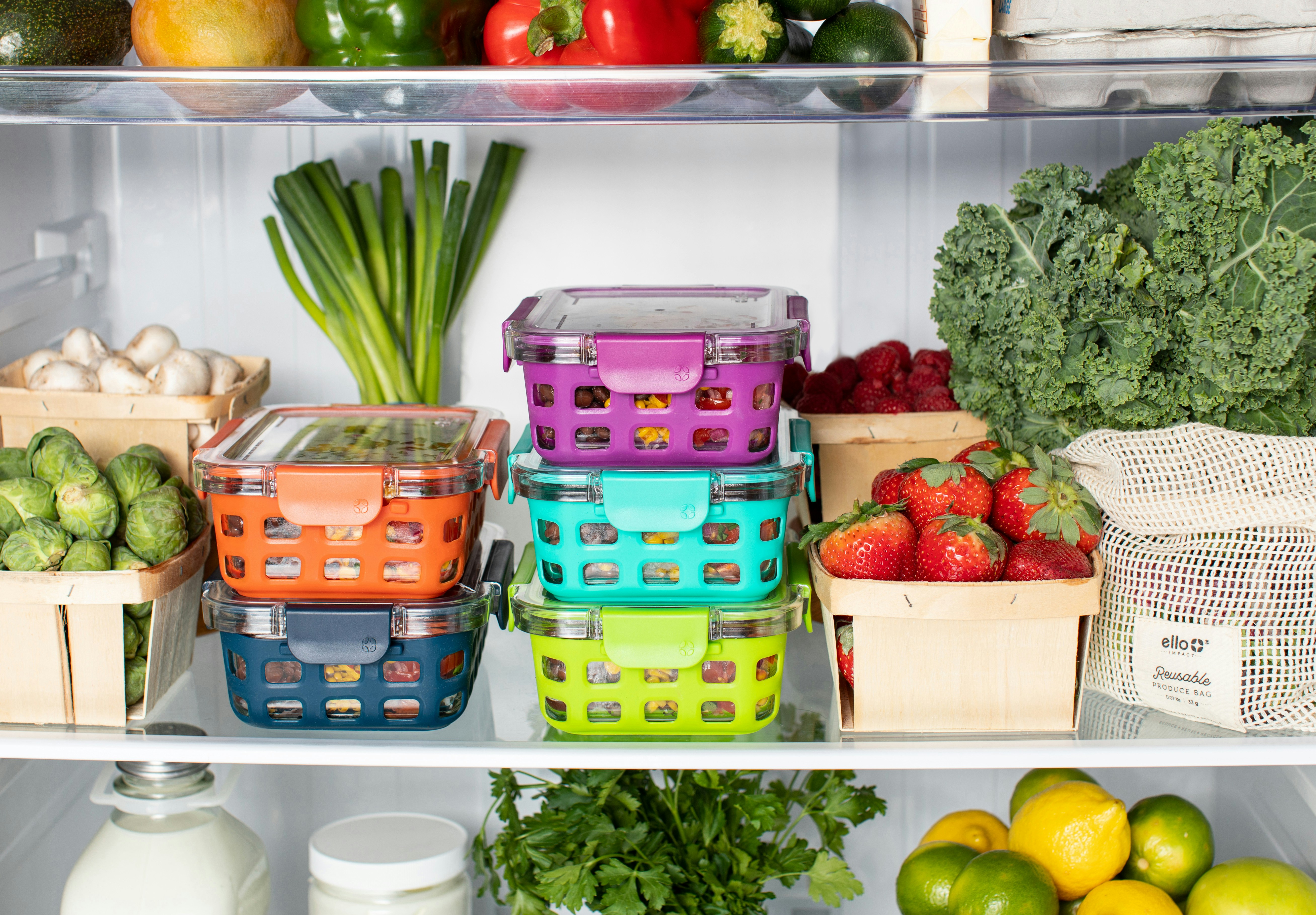
Effective food storage techniques are essential in helping households reduce food waste. Proper storage can significantly prolong the shelf life of perishable items and ensure that they remain safe for consumption. One of the primary factors in maintaining food quality is the appropriate use of refrigeration. It is crucial to understand that different foods have different storage requirements. For example, fruits and vegetables should generally be stored in separate compartments, as some fruits emit ethylene gas, which can accelerate the spoilage of vegetables.
When it comes to freezing, it is important to use suitable packaging methods. Freezing food in airtight containers or freezer bags helps to prevent freezer burn and maintains the food’s flavor and texture. Additionally, proper labeling with dates allows consumers to track how long food has been stored and encourages the use of older items first, reducing the likelihood of waste.
Furthermore, distinguishing between ‘Best Before’ and ‘Use By’ dates plays a critical role in food safety and storage practices. Items labeled with ‘Best Before’ dates may still be consumed after this date, although they may not be at their best quality. In comparison, ‘Use By’ dates indicate the date by which the food should be consumed to ensure safety; consuming food after this date is not advisable. Understanding these terms can lead to smarter food management strategies and minimize unnecessary waste.
In addition, utilizing proper storage techniques such as vacuum sealing can further enhance the longevity of food products. By removing air from packaging, vacuum sealing minimizes oxidation, thus preventing spoilage. Keeping an organized pantry and refrigerator and regularly monitoring inventory also helps ensure that food is used before it spoils. Adopting these storage practices is a proactive way to reduce food waste at home.
Creative Cooking and Meal Planning
In the modern kitchen, minimizing food waste can be effectively achieved through creative cooking and insightful meal planning. One of the primary strategies involves the innovative use of leftovers and food scraps. For instance, vegetable peels and stems that would typically be discarded can serve as a foundation for nutritious broths. Additionally, stale bread can easily be transformed into croutons or breadcrumbs, enriching both texture and flavor in various dishes.
Furthermore, batch cooking emerges as a powerful tool in combating excessive waste. This method allows home cooks to prepare larger quantities of meals that can be portioned and stored for future use. When planning meals for the week, consider selecting versatile recipes that can incorporate several leftover elements. For example, roasted vegetables can be utilized in salads, omelets, or grain bowls, ensuring that no portion goes uneaten.
Moreover, employing meal planning apps can significantly aid in reducing food waste. These applications assist users in organizing their grocery lists and tracking what ingredients are already on hand. By digitally managing the meals planned and ingredients needed, individuals can make informed choices that avoid over-purchasing. This level of organization facilitates creativity in the kitchen, as users can challenge themselves to create new dishes based on what they already possess.
Experimenting with flavors and combinations during meal preparation can turn seemingly unappetizing leftovers into exciting culinary creations. Incorporating these practices can not only lessen food waste but also enhance the overall cooking experience, making it both resourceful and enjoyable. By adopting a proactive approach to meal planning and cooking, households can contribute significantly to food sustainability, transforming potential waste into delightful meals.
Composting and Food Scrap Solutions
Composting serves as an effective method for minimizing food waste at home. This natural process involves the decomposition of organic materials, such as fruit and vegetable scraps, coffee grounds, eggshells, and yard waste. When these materials are collected and placed in a compost bin, they transform into nutrient-rich compost that nourishes gardens and plants. To start composting at home, one can select a designated space in the backyard or opt for indoor solutions like countertop compost bins or worm farms, making it adaptable to various living spaces.
To begin, it is important to gather compostable items. Optimal material includes green waste, such as grass clippings and vegetable peels, and brown waste, which encompasses dry leaves, straw, and cardboard. Striking a balance between these components is crucial to facilitate decomposition. Furthermore, avoid composting meats, dairy, and oily foods, as they can attract pests and create unpleasant odors. Maintaining the right moisture level and turning the pile regularly will help speed up the process and produce high-quality compost over time.
For those who may not wish to compost, alternative solutions exist for food scraps. Pet owners can consider feeding certain vegetable scraps to their pets, although it is essential to ensure these foods are safe and suitable for the animal’s diet. Additionally, incorporating food scraps into gardening can be a sustainable choice. Items like banana peels can serve as fertilizers, while stale bread can be used as a natural mulch. These practices not only promote sustainability but also foster a circular approach to food usage at home.
Education and Awareness
Reducing food waste at home begins with education and raising awareness among all family members. This effort can significantly influence habits and foster a culture of sustainability within the household. One effective approach is to involve children in food preservation activities, which not only teaches them practical skills but also instills a sense of responsibility towards food resources.
Involving children in the kitchen encourages them to understand the journey of food from farm to table. This can be achieved through simple tasks such as meal planning, where they learn to appreciate ingredients and help select recipes based on what is available in the pantry. Additionally, engaging them in activities like making homemade preserves or canned goods can be enjoyable and educational. These hands-on experiences create a memorable learning environment, making them more likely to value and minimize food waste in the future.
Furthermore, fostering open discussions about food waste within the family can enhance awareness. Family dinners present a perfect opportunity to talk about why certain items go unused and how excessive purchases can lead to waste. Discussing solutions, such as portion control or utilizing leftovers in creative ways, reinforces the importance of mindful consumption.
Lastly, promoting awareness of food waste in the broader community can amplify the message. Families can participate in local workshops or volunteer with organizations dedicated to food recovery and distribution. Such involvement not only provides practical solutions to food waste but also connects families with like-minded individuals who are equally committed to minimizing waste. This collective effort helps to cultivate a more sustainable community, highlighting the critical importance of education and awareness in addressing food waste at home.
Conclusion and Call to Action
Reducing food waste at home is not only beneficial for the environment but also advantageous for our wallets and overall sustainability efforts. Throughout this post, we have explored various strategies that can be implemented easily within any household setting. From meal planning and understanding food labels to the effective preservation and storage of food, these methods can markedly diminish the amount of food discarded.
One key takeaway is the importance of awareness—both of the food we purchase and the habits we develop surrounding its use. Engaging in thoughtful shopping practices can help ensure that the items brought into the home are consumed before they spoil. Additionally, understanding how to repurpose leftovers can breathe new life into meals that may otherwise be thrown away. By embracing such strategies, we greatly influence our food waste footprint.
Moreover, tracking progress in reducing food waste can be incredibly motivating. Setting personal goals, such as aiming for a specific percentage reduction in food waste over a month, can lead to positive outcomes. Share your achievements with friends and family—this not only reinforces your commitment but also inspires others to join you on this vital journey towards minimizing waste.
As individuals, we each have a role to play in addressing this global concern. Starting small by implementing one or two of these recommendations can have a cumulative effect over time, leading to more significant changes in our food consumption practices. Let us take these actionable steps toward reducing food waste and encourage others to do the same. Together, we can foster a culture of sustainability in our homes and communities, making a lasting impact for future generations.