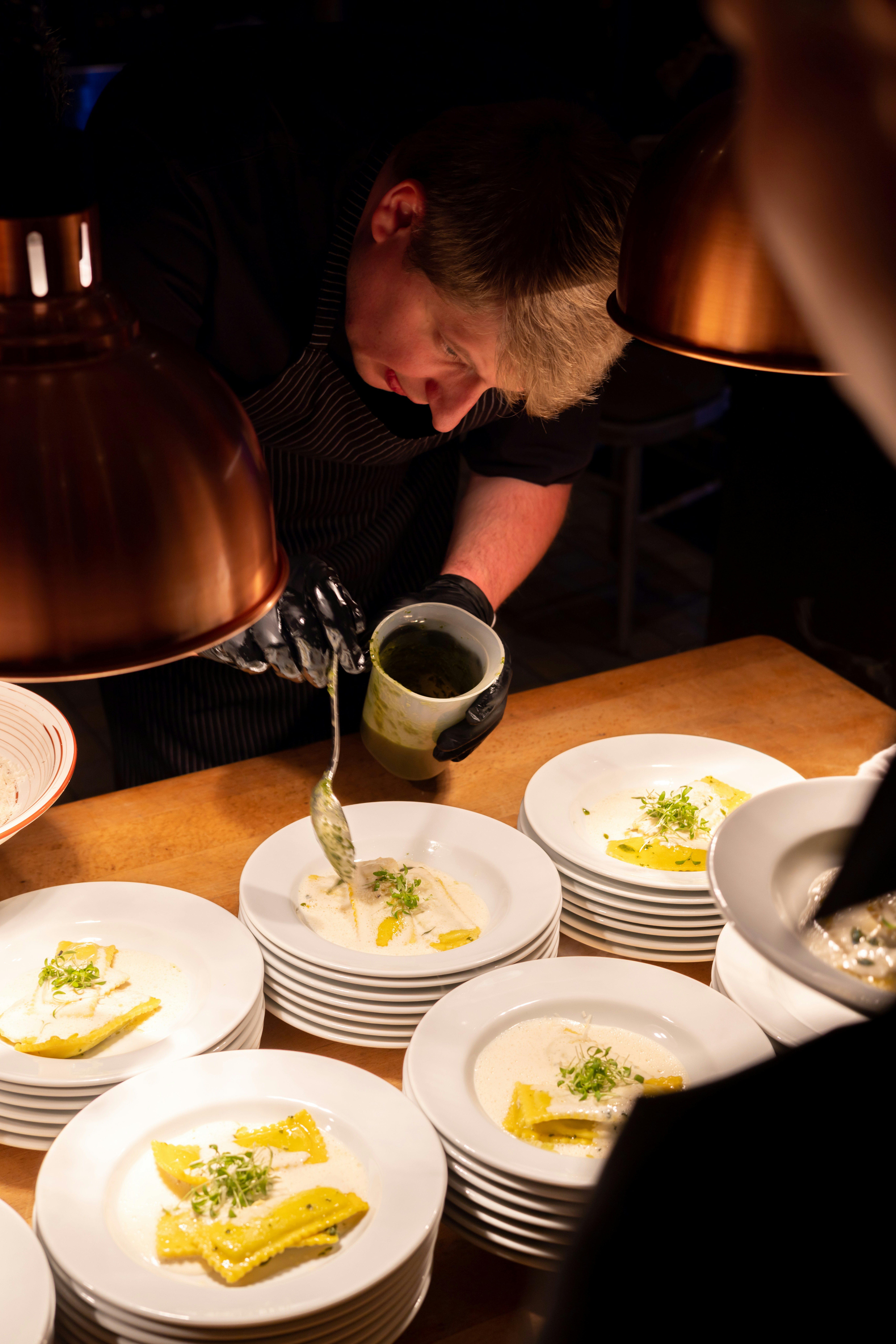
Understanding Restaurant-Style Cooking
Restaurant-style cooking represents a culinary approach that encompasses intricate techniques, high-quality ingredients, and a keen attention to presentation, setting it apart from everyday home cooking. At the heart of this style of cooking is the emphasis on creating a dining experience that appeals not only to the palate but also to the visual senses. Utilizing techniques such as sous-vide, flambé, or sous-vide precision allows home cooks to replicate the exceptional flavor profiles commonly found in professional kitchens.
One of the distinguishing features of restaurant-style meals is the meticulous plating. Chefs often spend considerable time arranging food in an aesthetically pleasing manner, which contributes significantly to the overall dining experience. This contrasts with regular home cooking, where the focus is often on functionality rather than presentation. To achieve this kind of polished look at home, one can incorporate garnishes, strategically chosen serving dishes, and different plateware strategies. These elements collectively elevate the meal from a simple plate of food to a visually stunning work of art.
Flavor layering is another hallmark of restaurant-style cooking. In contrast to typical home meals, where seasoning might be more straightforward, restaurant chefs are trained to develop depth through multiple flavors. They frequently use techniques such as marinating, reducing sauces, and pairing ingredients that balance acidity, sweetness, and spice. These methods not only enhance taste but also create complexity in each bite, encouraging diners to savor the meal more fully.
Furthermore, the overall experience of dining in a restaurant typically includes elements such as ambiance, service, and a curated menu, all designed to provide a particular mood and setting. When aspiring to create restaurant-style meals at home, incorporating aspects such as music, appropriate table settings, or themed dinners can enhance the experience, making it more than just about the food itself. By understanding and applying these principles, home cooks can elevate their culinary creations to restaurant-quality standards.
Essential Kitchen Tools and Equipment
To achieve restaurant-style meals at home, having the right kitchen tools and equipment is paramount. These essential items not only streamline the cooking process but also enhance the quality of the dishes you prepare. Below, we will discuss several indispensable kitchen tools that can elevate your culinary experience.
First and foremost, a high-quality chef’s knife is a must-have. This tool is versatile and allows for precision cutting, slicing, and dicing, which is crucial for preparing ingredients efficiently. A well-balanced chef’s knife will greatly enhance your kitchen workflow and improve the presentation of your meals.
Non-stick pans are another critical piece of equipment for home cooks. Their smooth surface prevents food from sticking, making them ideal for cooking delicate items like eggs, fish, and pancakes. Moreover, they require less oil, promoting healthier cooking options while still allowing for restaurant-quality textures and flavors.
A sous vide machine is an excellent investment for those looking to delve into techniques used by professional chefs. This tool allows for precise temperature control when cooking food sealed in a vacuum. The sous vide technique results in perfectly cooked proteins and vegetables, preserving moisture and enhancing flavor. Incorporating a sous vide machine into your kitchen arsenal can open up a new realm of culinary possibilities.
Additionally, a powerful blender or food processor can simplify your cooking tasks, helping you prepare sauces, soups, and purées with ease. These tools enable you to create smooth textures that are often associated with fine dining experiences. Finally, don’t forget essential utensils such as measuring cups and spoons, which are vital for accurate ingredient proportions that directly impact the quality of the meals.
Equipped with these essential kitchen tools and equipment, you will be well on your way to creating restaurant-quality dishes in the comfort of your home.
Ingredients Matter: Choosing Quality Components
When it comes to creating restaurant-style meals in the comfort of your home, the quality of your ingredients plays a pivotal role. Fresh, high-quality ingredients not only enhance the flavor of your dishes but also contribute to their overall presentation and nutritional value. Therefore, understanding how to select the best produce, meats, and pantry staples is essential for any aspiring home chef.
When selecting produce, prioritize seasonal fruits and vegetables. These are not just fresher but often more flavorful and nutritious. Visiting local farmers’ markets or community-supported agriculture (CSA) programs can yield access to an abundance of high-quality items. Look for vivid colors, firm textures, and avoid any signs of spoilage. Organic options are preferable, as they often avoid synthetic pesticides and herbicides.
Choosing meats and seafood similarly demands attention. When possible, seek out local butchers or fishmongers who can provide information about the origin and freshness of their products. Grass-fed meats and wild-caught fish are typically more flavorful and healthier. Moreover, ensure that the meat is well-marbled, as this usually indicates better quality and taste.
Don’t overlook the importance of pantry staples such as oils, vinegars, and spices. They can dramatically affect the final flavor of your meal. Extra virgin olive oil, high-quality vinegars, and fresh herbs or spices can elevate even the simplest dishes to gourmet levels. Specialty stores or reputable online retailers often carry gourmet options that can help in achieving those nuanced flavors associated with professional cooking.
Ultimately, investing in quality ingredients is the foundation that enables home cooks to replicate the exquisite flavors and techniques that define restaurant dining. By taking the time to choose the best components, you are ensuring that your home-cooked meals can rival those prepared in the most esteemed kitchens.
Mastering Cooking Techniques Used by Chefs
To achieve the essence of restaurant-style meals at home, mastering fundamental cooking techniques is crucial. These techniques not only enhance flavor but also improve the overall presentation, akin to what one might experience in a professional kitchen. Here we explore several essential methods, including sautéing, braising, and sous vide cooking, each offering unique advantages.
Sautéing is a fundamental technique that involves cooking food quickly in a small amount of oil or fat over high heat. This method is ideal for vegetables and proteins alike, allowing for the development of rich flavors through browning. Key tips for successful sautéing include ensuring the pan is preheated to the right temperature before adding ingredients and avoiding overcrowding, which can cause steaming rather than browning.
Braising combines both cooking techniques, where food is first browned and then slow-cooked in a covered pot with liquid. This method is particularly effective for tougher cuts of meat, as the low, moist heat breaks down connective tissues, resulting in tender, flavorful dishes. To braise successfully, start by searing your ingredients to build a depth of flavor before adding the requisite liquid, ensuring it covers at least half of the food but not completely.
Sous vide cooking has gained popularity in recent years and involves vacuum-sealing food in a bag and cooking it in a water bath at a precisely controlled temperature. This technique allows for excellent flavor retention and texture, as food is cooked evenly, resulting in perfect doneness. For home cooks, investing in sous vide equipment can encourage experimentation with various ingredients, ensuring they achieve restaurant-quality results in their own kitchens.
By incorporating these techniques into their culinary repertoire, home cooks can elevate their meal preparation, bringing gourmet experiences into the comfort of their homes. As practice ensures proficiency, these methods can lead to more confidence and creativity in the kitchen, essential elements in cooking like a professional chef.
Elevating Presentation: Plating Like a Pro
When it comes to culinary excellence, presentation is just as crucial as flavor, particularly for those seeking to recreate restaurant-style meals at home. Mastering plating techniques can transform a simple dish into an exquisite dining experience. The first step in effective plating is understanding the concept of negative space; this refers to the areas of the plate that are intentionally left empty. Properly utilizing negative space can create balance and direct the diner’s attention to the main components of the dish.
One must also consider the layout of the food on the plate. For instance, placing the protein at the center, and artfully arranging accompanying vegetables or starches around it, guides the eye and enhances visual appeal. You may wish to employ a triangular arrangement, as this composition tends to be visually striking and harmonious. Additionally, incorporating different heights can lend depth to the presentation. Stack or layer components thoughtfully rather than arranging them flatly on the plate for a more dynamic visual.
Furthermore, garnishing plays a pivotal role in elevating the overall presentation. Fresh herbs, microgreens, or edible flowers can be used to add color and texture to the dish, creating a focal point that not only beautifies but also hints at the flavors that await. Care must be taken to ensure that the garnish complements the flavors of the dish, rather than overwhelming it.
Lastly, the choice of dishes can significantly influence the overall presentation. White plates are a classic choice, as they provide a blank canvas that allows colorful and elaborate meals to shine. However, experimenting with colored or textured dishes can also offer a unique aesthetic. By thoughtfully considering these plating techniques and tips for garnishing, anyone can transform their homemade meals into impressive restaurant-style presentations that delight not just the palate, but the eyes as well.
Creating Flavor Profiles: Balancing Tastes
Understanding flavor profiles is essential for any home cook aiming to replicate the nuances of restaurant-quality dishes. A well-balanced meal often hinges on the harmonious interplay of flavors that can elevate simple ingredients into a remarkable dining experience. The primary tastes to consider are sweet, salty, bitter, sour, and umami, and achieving balance among them can transform a dish.
Begin by considering the base of your dish. Dishes that are predominantly savory can benefit from a touch of sweetness, perhaps sourced from ingredients like brown sugar, honey, or fruits. Conversely, a dish that leans excessively sweet may require an acid, such as vinegar or citrus juice, to counterbalance that sweetness. For instance, a tomato sauce can be enhanced with just a pinch of sugar to round out its natural acidity.
Herbs and spices play a vital role in crafting flavor profiles. Fresh herbs like basil, cilantro, or parsley can add brightness, while spices such as cumin, paprika, or black pepper can introduce depth. It is important to experiment with different combinations, as each herb and spice interacts uniquely with others. Taking the time to taste as you go can help refine the balance of flavors, allowing you to tailor the dish to your preference.
Additionally, sauces and marinating can significantly impact flavor. A well-composed sauce can tie diverse elements of a dish together, enhancing each component’s flavor and texture. Marinades, combining sweet, salty, and acidic elements, can infuse meats or vegetables with flavor, making them more succulent and delicious when cooked.
In your culinary journey, do not shy away from experimenting. Balancing flavors is as much an art as it is a science. Steps such as adjusting seasoning, adding complexity through layers of flavor, and allowing your ingredients to shine will contribute to the creation of memorable meals right in your kitchen.
Time Management: Cooking with Efficiency
In the fast-paced environment of a restaurant kitchen, effective time management is crucial for delivering meals promptly while maintaining quality. Implementing similar strategies in your home kitchen can significantly enhance your cooking experience and improve the efficiency of meal preparation. Below are several techniques for improving your time management when cooking at home.
One of the first steps to organizing your cooking process is to prioritize meal prep. Allocate time before cooking to prepare ingredients, such as washing and chopping vegetables, marinating proteins, or measuring spices. This not only saves time during the cooking process but also helps prevent the chaos that often occurs when trying to find and prep ingredients last minute. Consider creating a weekly meal plan, which can reduce decision fatigue and allow for a smoother preparation workflow.
Another effective strategy is multitasking. While one component of your dish is cooking, utilize that time to prepare another. For instance, if you are simmering a sauce, use that window to boil pasta or prep a salad. This approach can significantly cut down on overall cooking time and help keep the cooking experience organized. However, it is essential to keep track of cooking times to avoid overcooking or burning any items, ensuring that all components are ready together.
Furthermore, organizing your ingredients, tools, and utensils before you begin cooking can lead to a more streamlined process. Grouping similar items together, such as spices, condiments, and cooking tools, can make them easily accessible, thereby speeding up your cooking. Embrace the “mise en place” philosophy, which translates to “everything in its place.” This principle, widely adopted in professional kitchens, can make tackling complex recipes much simpler and more manageable.
By applying these efficiency strategies in your home kitchen, you can better replicate the swift service and organized chaos of restaurant-style cooking, ultimately enhancing your culinary prowess.
Wine Pairing and Setting the Mood
To truly recreate the experience of dining in a restaurant from the comfort of your home, understanding the art of wine pairing is essential. Wine pairing can elevate a home-cooked meal, bringing out the flavors of the dish while enhancing the overall dining experience. Choosing the right wine involves considering the primary ingredients and the flavor profile of the meal. For instance, if one is preparing a rich, savory dish like beef bourguignon, a full-bodied red wine, such as a Cabernet Sauvignon, pairs exceptionally well. Conversely, with lighter fare like grilled salmon or a fresh salad, a crisp white wine, such as a Sauvignon Blanc or a Chardonnay, would be more appropriate.
When it comes to cuisine, different regional pairings can also enhance the meal. Italian dishes often pair beautifully with Chianti, while spicy Asian cuisine may call for an off-dry Riesling, which can counterbalance heat. For those who enjoy experimenting, it can be beneficial to explore lesser-known varietals and blends that may suit your palate and dish flavors. Understanding the intricacies of wine pairing not only showcases your culinary skill but also presents an opportunity for exploration and conversation at the dining table.
In addition to wine selection, enhancing the dining atmosphere is crucial in achieving that authentic restaurant feel at home. Simple changes can lead to significant effects; dimming the lights can create a cozy ambiance, while using elegant tableware and fresh flowers or candles can elevate the aesthetic appeal. Consider creating a themed playlist that complements the cuisine being served. This auditory backdrop can transport your guests to a particular region and enrich their overall experience. By paying attention to these details, not only does the meal become more memorable, but it also fosters a warm, inviting environment that encourages connection and enjoyment.
Experimenting and Finding Your Personal Style
Cooking is an art that thrives on creativity and individuality. Once you have learned the fundamental techniques and recipes that enable you to create restaurant-style meals at home, the journey does not have to end there. In fact, it should serve as a launchpad for your culinary experiments. Embracing experimentation in the kitchen allows you to uncover your unique flavor combinations, cooking methods, and plating styles.
To begin your journey toward developing a personal cooking style, consider the ingredients you are most drawn to. This could be anything from a particular spice like smoked paprika to a protein such as chicken or tofu. By integrating your preferred ingredients into various recipes, you will gradually discover how they complement or contrast with other flavors. For instance, if you enjoy Mediterranean tastes, trying out different herbs like oregano, thyme, or dill can help refine your culinary voice.
Moreover, do not shy away from adapting recipes to better fit your preferences. If a dish calls for a cooking method you haven’t tried, like sous-vide or grilling, consider giving it a go. Alternatively, if you find that a recipe is too complex or time-consuming, reimagining it with simplified techniques can yield delightful results. Such flexibility encourages creativity and eases any anxiety associated with trying new recipes.
Engaging in this process of experimentation not only hones your cooking skills but also builds confidence in your abilities. Each cook has their method and rhythm, and the beauty lies in allowing your personal style to evolve. Over time, you will curate a collection of techniques and flavors that resonate with you, giving you the freedom to prepare meals that are not just restaurant-worthy but uniquely yours.