

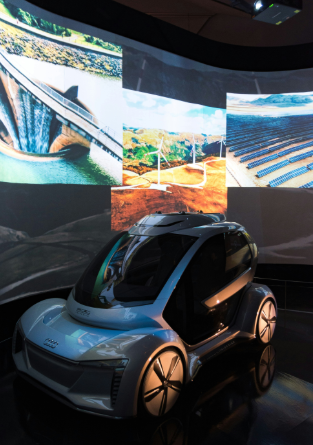
Introduction: The Evolution of Transportation
Transportation plays a vital role in the development of societies, facilitating not just the movement of people, but also delivering essential goods and services. Historically, transportation modes transitioned from rudimentary means such as walking and using animals to more complex systems involving maritime, rail, and automotive solutions. Each phase of advancement has depended heavily on the technological innovations of its time, driving changes that have reshaped our daily lives and economic structures.
The earliest human civilizations relied on basic tools and natural paths for movement, which eventually evolved into more sophisticated methods as people sought efficiency and speed. The advent of the wheel marked a significant milestone, enabling heavier loads to be transported over greater distances. The development of waterways further enhanced transportation, introducing boats and ships that could traverse larger bodies of water. Significant technological breakthroughs continued with the railroad revolution of the 19th century, which connected vast regions and allowed for mass transportation of goods and people.
In the 20th century, the emergence of the automobile transformed personal and commercial travel, providing unprecedented freedom and convenience in transportation. The introduction of air travel redefined distances, allowing for global connectivity that previously seemed unattainable. Today, technology plays an increasingly crucial role in transportation advancement, with innovations such as electric vehicles, smart traffic management systems, and autonomous driving set to further revolutionize our mobility.
The ongoing evolution of transportation reflects humanity’s unyielding pursuit of progress and efficiency through technology. It continuously shapes not only how we commute but also the very fabric of our economic interactions. As we delve deeper into current trends and innovations in transportation, it becomes ever clearer that technology is at the forefront of this ongoing transformation, redefining our future mobility.
The Rise of Electric Vehicles (EVs)
Electric vehicles (EVs) are increasingly becoming the cornerstone of modern transportation, reflecting a paradigm shift in how we perceive personal and public mobility. This transition is significantly propelled by advancements in technology, particularly in battery design, efficiency, and performance. As consumers become more eco-conscious, the demand for sustainable transportation solutions has soared, driving the prominence of electric vehicles in the market.
One of the primary environmental benefits of electric vehicles is their reduced emissions. Unlike traditional internal combustion engines, EVs produce no tailpipe emissions, contributing to improved air quality in urban areas and decreased greenhouse gas emissions on a global scale. This shift is vital in the context of climate change, as it aligns with global efforts to reduce reliance on fossil fuels and promote cleaner energy alternatives. Furthermore, as the electricity grid becomes greener with more renewable energy sources, the overall carbon footprint of EV usage continues to diminish.
Technological strides in battery technology play a critical role in the rise of electric vehicles. Enhanced lithium-ion batteries now offer greater energy density, allowing for longer driving ranges on a single charge. Additionally, advancements in fast-charging solutions have dramatically reduced charging times, mitigating concerns regarding accessibility and convenience. Charging infrastructure has also expanded rapidly, with more public charging stations being installed, making it easier than ever for consumers to recharge their EVs.
Consumer preferences are shifting towards more sustainable transportation options, prompting automakers to innovate continuously. Many established automotive brands have begun to diversify their offerings by including electric models in their lineups, while startups exclusively focused on EV production are gaining traction in the market. This trend indicates a broader commitment to sustainability and recognition of the importance of transitioning to environmentally friendly transportation.
Autonomous Vehicles: The Future of Driving
Autonomous vehicles (AVs), commonly known as self-driving cars, represent a significant advance in transportation technology. These vehicles utilize an array of sensors, cameras, and artificial intelligence systems to navigate without human intervention. Currently, several automotive manufacturers, technology companies, and startups are investing heavily in this field to refine their self-driving technologies, aiming for a future where AVs are commonplace on the roads.
The potential benefits of autonomous vehicles are substantial. Proponents argue that AVs could enhance road safety, as the majority of traffic accidents are caused by human error. With real-time data processing and rapid decision-making capabilities, self-driving systems may reduce the number of accidents caused by distractions, speeding, or impaired driving. Additionally, autonomous vehicles could improve traffic flow and reduce congestion, as they can communicate with one another to optimize routing and speed while adhering to traffic laws.
However, the widespread adoption of autonomous vehicles is not without challenges. Ethical dilemmas surrounding decision-making in unavoidable accident scenarios have sparked considerable debate. Questions arise regarding the programming of AVs in situations where harm is unavoidable and determining liability in accidents involving AV technology. Furthermore, regulatory hurdles, insuring autonomous vehicles, and infrastructure adaptations present additional obstacles that need addressing before full integration into public and personal transportation can occur.
In conclusion, while the future of driving appears promising with the advent of autonomous vehicles, significant challenges and considerations remain. Balancing technological advancement with ethical and regulatory frameworks will be crucial in leveraging the full potential of AVs in transforming how we view transportation.
Smart Public Transportation Systems
The modernization of public transportation has become increasingly reliant on advanced technologies, leading to the development of smart public transportation systems. These systems leverage innovative solutions, including smart ticketing, real-time tracking, and enhanced communication methods, to streamline urban mobility. By integrating technology into the daily operations of public transit, municipalities are better equipped to meet the growing demands of commuters, ensuring a more efficient and user-friendly experience.
One of the key elements of smart public transportation is smart ticketing. This technology simplifies the purchasing process for passengers, allowing them to buy tickets via mobile applications or contactless cards. Such convenience not only increases user adoption but also reduces ambiguity often associated with traditional ticketing methods. Consequently, commuters can easily access the necessary services without the hassle of physical tickets, thereby optimizing the overall travel experience.
In addition to smart ticketing, real-time tracking represents a significant advancement in public transportation. Passengers now have access to live updates regarding vehicle locations and arrival times, helping them plan their journeys more effectively. Apps and digital displays at bus stops and train stations provide users with this crucial information, reducing wait times and enhancing commuter satisfaction. Furthermore, the integration of artificial intelligence facilitates predictive analytics, which helps transit agencies to adjust their schedules based on demand, optimizing service delivery.
Improved communication systems also play an essential role in enhancing public transportation. Technologies enabling better interactions between transit authorities and passengers ensure that users are well-informed about service changes, delays, and emergencies. The use of social media and mobile notifications has become common practice, fostering transparency and trust within the transit ecosystem. Through these technological enhancements, smart public transportation systems are revolutionizing urban mobility, making it a vital component of city infrastructure.
The Impact of Ridesharing and Mobility-as-a-Service (MaaS)
The emergence of ridesharing platforms has significantly transformed the landscape of transportation in urban areas. Companies such as Uber, Lyft, and various local services have introduced a new paradigm, allowing users to summon rides through mobile applications. This technology-driven shift not only enhances convenience for consumers but also challenges traditional taxi services and public transportation systems. By offering flexible pricing models and on-demand service, ridesharing has gained tremendous popularity, particularly among younger demographics.
Moreover, the concept of Mobility-as-a-Service (MaaS) is gaining traction as a holistic approach to transportation. MaaS integrates various mobility services into a single accessible platform, providing users with seamless options to plan their journey, whether it includes ridesharing, public transit, biking, or walking. This integration facilitates a shift away from car ownership towards shared mobility solutions, which can lead to reduced congestion and a lower carbon footprint.
The implications of ridesharing and MaaS for urban planning are profound. City planners are beginning to rethink traditional infrastructures, such as parking spaces and road expansions, to accommodate these new modes of transport. By embracing ridesharing and MaaS, cities have the opportunity to implement more sustainable practices, encouraging the use of public transit and minimizing the environmental impact associated with single-occupancy vehicles. Such measures can enhance urban mobility, improve air quality, and contribute to broader sustainability goals.
In conclusion, the rise of ridesharing and Mobility-as-a-Service represents a transformative shift in transportation. As technology continues to evolve, it paves the way for innovative solutions that address urban mobility challenges while promoting environmental stewardship. The successful integration of these services will require collaboration among stakeholders to ensure efficient implementation and maximized societal benefits.
Hyperloop: The Future of Long-Distance Travel
The Hyperloop is an innovative transportation concept that promises to revolutionize long-distance travel through the use of high-speed pods traveling in vacuum-sealed tubes. Initially proposed by Elon Musk in 2013, this mode of transport aims to dramatically reduce travel times between major cities, potentially allowing for speeds exceeding 700 miles per hour. As various companies, including Virgin Hyperloop and Hyperloop Transportation Technologies, continue to work on prototyping and testing, the feasibility of this concept is being scrutinized from multiple angles.
One of the most notable benefits of the Hyperloop is its potential to enhance regional connectivity. By creating a fast and efficient alternative to traditional rail and air travel, people residing in suburban areas would gain access to major urban centers with ease. This development could stimulate local economies by attracting businesses and encouraging tourism, ultimately leading to a more interconnected society.
However, several technological challenges need to be addressed before Hyperloop systems can become a reality. The construction of extensive networks of vacuum tubes presents engineering hurdles, particularly concerning safety and environmental impact. Moreover, ensuring passenger comfort at such high speeds, where acceleration and deceleration rates could be extreme, remains a critical focus for developers. Additional considerations pertain to the integration of Hyperloop systems into existing transportation infrastructure, which will require collaboration among various stakeholders.
Despite these challenges, the enthusiasm for Hyperloop technology continues to grow, supported by advancements in materials science, energy efficiency, and automation. If successful, the implementation of Hyperloop could mark a transformative shift in how individuals approach long-distance travel. By reducing congestion and travel times while minimizing carbon footprint, Hyperloop stands to redefine mobility for future generations.
Drones in Transportation and Delivery Services
The advent of drone technology has significantly altered the landscape of transportation and delivery services. Drones, or unmanned aerial vehicles (UAVs), have emerged as a versatile solution for various logistical challenges, ranging from last-mile delivery to large-scale supply chain operations. Their ability to navigate directly to destinations, bypassing traditional roadways, positions them as innovative assets particularly beneficial in densely populated urban areas and remote rural regions.
In urban settings, delivery drones can promise quicker response times for essential services, such as medical supplies or emergency goods, substantially enhancing overall logistical efficiency. Companies like Amazon and UPS have already initiated pilot programs aimed at integrating drones into their delivery frameworks. These innovations help combat traffic congestion while also minimizing fuel consumption associated with ground transportation.
However, the widespread implementation of drones is not without its challenges. Regulatory frameworks are still developing as countries strive to establish guidelines that ensure safety and airspace management. The Federal Aviation Administration (FAA) in the United States, for example, has introduced regulations that govern commercial drone operations, including pilot certification and altitude restrictions. Such regulations can slow down the adoption of drone technology in the transportation sector, as compliance costs may limit small businesses from entering the market.
Looking ahead, the future possibilities for drones in transportation appear promising. Advanced technologies such as artificial intelligence and machine learning may lead to smarter drone navigation systems and more autonomous deliveries. Solutions involving drone ports or charging stations could further enhance operational capabilities. Additionally, as consumer acceptance increases and regulations adapt, we could witness a dramatic transformation in how goods are transported across both urban and rural landscapes, reshaping not only delivery services but also our understanding of logistical efficiency.
Sustainable Transportation Solutions
As urban populations grow and environmental concerns increase, the demand for sustainable transportation solutions has risen significantly. Technology plays a critical role in facilitating these eco-friendly alternatives. One prominent example is the proliferation of electric bicycles (e-bikes), which provide a cleaner mode of personal transport. E-bikes are becoming an essential component of urban mobility, as they help reduce greenhouse gas emissions while promoting physical well-being through cycling.
Smart urban planning further complements these ecological advancements. Cities are increasingly utilizing technology to create infrastructure that promotes sustainable transportation. This includes dedicated bike lanes, pedestrian-friendly areas, and the integration of public transportation systems with real-time tracking applications. Such innovations enhance accessibility and encourage more people to opt for eco-friendly transport methods over traditional vehicles.
Additionally, the incorporation of renewable energy sources into transportation systems is pivotal for achieving sustainability goals. Solar panels and wind turbines are being implemented in various transit networks, providing clean energy to fuel electric buses and trains. This shift not only reduces dependency on fossil fuels but also lowers operational costs in the long term, making public transportation more viable.
Moreover, technological advancements, such as artificial intelligence and data analytics, are facilitating more efficient logistics and fleet management. By optimizing routes and minimizing idle time, transportation companies can significantly reduce fuel consumption and emissions. These developments underscore the importance of integrating cutting-edge technology into sustainable transportation solutions.
In conclusion, the convergence of technology and sustainability is redefining transportation. With innovative products like e-bikes, strategic urban planning, and renewable energy integration, cities can forge a path toward greener transportation systems that meet the demands of a modern society while protecting the planet for future generations.
Conclusion: The Future Horizon of Transportation Technology
As we reflect on the rapid advancements within transportation technology, it becomes clear that the potential benefits and transformative power of these innovations are profound. In recent years, we have witnessed remarkable developments such as autonomous vehicles, electric transportation systems, and enhanced connectivity through smart technologies. These advancements facilitate not only the efficiency of travel but also contribute to environmental sustainability, safety, and accessibility for diverse populations.
With the growing prominence of digital tools, data exchange, and artificial intelligence in transportation systems, we find ourselves at a pivotal point. Future trends suggest that we may see increased integration of autonomous machinery into public transit networks, expanded use of drones for logistics, and smarter urban planning that emphasizes multi-modal transportation. Such innovations will likely revolutionize our daily commutes and long-distance travel, making them seamless and more efficient.
Moreover, as transportation technology evolves, it is essential to consider its societal implications. The potential for reduced traffic congestion, lower carbon emissions, and improved safety protocols should lend themselves to an enhanced quality of life for individuals in urban and rural settings alike. Stakeholders—including policymakers, private firms, and communities—will need to collaborate to harness these technologies responsibly and equitably, addressing issues such as data privacy and infrastructure development.
To conclude, the future of transportation technology appears promising, poised to reshape how we experience travel in unprecedented ways. As these advancements unfold, they present an opportunity not just to innovate, but to fundamentally improve societal structures and foster sustainable practices that benefit all. It is essential for us to embrace these changes and remain vigilant in addressing the challenges they may bring to ensure a safe, efficient, and inclusive transportation landscape.