Introduction to Predictive Maintenance
Predictive maintenance is an advanced maintenance strategy that leverages data analysis to forecast equipment failures before they occur. This proactive approach significantly differs from traditional maintenance methods, which often rely on scheduled maintenance or reactive repairs after equipment breakdowns. In manufacturing, where downtime can lead to substantial financial losses, predictive maintenance plays a crucial role in enhancing operational efficiency and equipment longevity.
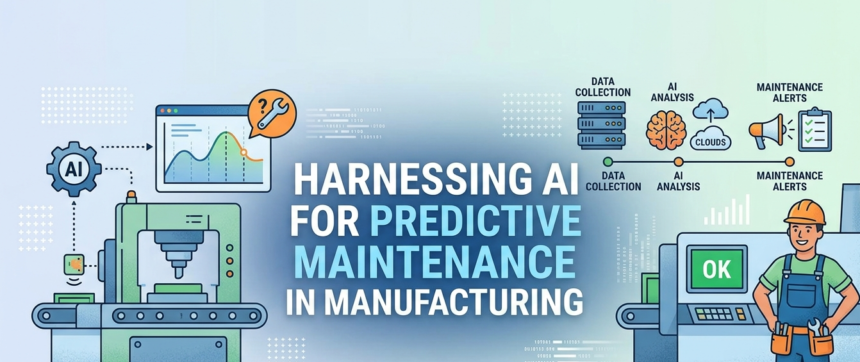
At its core, predictive maintenance integrates various technologies, including the Internet of Things (IoT), machine learning, and data analytics. By continuously monitoring the condition of manufacturing equipment, predictive maintenance systems gather real-time data on temperature, vibrations, and other relevant metrics. This information is then analyzed using sophisticated algorithms to identify patterns that signal the likelihood of equipment failure.
One of the most significant advantages of adopting predictive maintenance in manufacturing is the reduction of unplanned downtime. Traditional maintenance schedules can lead to unnecessary interventions, where equipment is serviced even when it is functioning optimally. In contrast, predictive maintenance ensures that maintenance tasks are performed only when data indicates a heightened risk of failure. This results in optimal use of resources, as maintenance teams can focus on the most critical equipment.
Moreover, the role of data analysis in predictive maintenance cannot be overstated. By leveraging historical data and current performance indicators, manufacturers can build robust predictive models. These models enable organizations to not only respond to potential failures but also optimize maintenance schedules based on equipment lifecycle and usage patterns, enhancing productivity and operational efficiency.
The Role of AI in Predictive Maintenance
Artificial Intelligence (AI) plays a transformative role in predictive maintenance within the manufacturing sector. By leveraging advanced machine learning algorithms, organizations can process vast volumes of data generated by machinery. This data includes operational metrics, environmental conditions, and historical performance indicators, all crucial for anticipating equipment failures.
Machine learning models are designed to analyze these datasets, identifying patterns that may signal pending malfunctions. For instance, AI can detect subtle changes in vibration patterns or temperature fluctuations that might precede a breakdown. By training on historical failure data, these algorithms can refine their predictive accuracy over time, improving the organization’s capability to prevent downtime and optimize maintenance schedules.
Moreover, AI enhances the data processing capabilities essential for effective predictive maintenance. Traditional methods may struggle to analyze real-time data or integrate data from disparate sources. In contrast, AI-based systems can seamlessly combine data from sensors, IoT devices, and historical logs. This holistic view allows maintenance teams to make informed decisions based on a comprehensive assessment of equipment health.
AI models are not merely reactive tools; they enable proactive strategies by predicting failures before they occur. This predictive approach empowers organizations to transition from a reactive maintenance model—characterized by fixing issues as they arise—to a more efficient, scheduled maintenance framework. With this foresight, manufacturers can also extend the life of their machinery while minimizing operational disruptions, ultimately leading to more sustainable practices.
Benefits of Implementing AI for Predictive Maintenance
The adoption of Artificial Intelligence (AI) for predictive maintenance is transforming the manufacturing sector, providing numerous benefits that enhance overall productivity and efficiency. One of the primary advantages is the significant cost savings associated with timely maintenance activities. By utilizing AI algorithms, manufacturers can predict potential failures before they occur, which minimizes costly repairs and extends the life of machinery.
Another critical benefit is the reduction of downtime, an issue that greatly impacts productivity in manufacturing environments. With AI-driven predictive maintenance, maintenance teams can schedule repairs at optimal times, preventing unexpected breakdowns that halt production lines. For example, a large automotive manufacturer implemented AI solutions to monitor machine health in real-time, resulting in a 30% decrease in equipment downtime and documented improvements in their production schedule.
Furthermore, AI enhances operational efficiency by facilitating data-driven decision-making. It provides actionable insights through data analysis, allowing manufacturers to prioritize maintenance tasks based on the severity of potential issues. This capability is highlighted in the case of a leading electronics manufacturer which integrated AI into their maintenance processes, leading to a more strategic approach that increased their overall production efficiency by 25% while reducing unnecessary maintenance costs.
Lastly, improved decision-making is a significant advantage of utilizing AI for predictive maintenance. Organizations are empowered to make informed choices based on predictive analytics that are derived from extensive data collection and analysis. This kind of foresight leads to better resource allocations and planning, ensuring that operations run smoothly.
Overall, the implementation of AI for predictive maintenance holds transformative potential for the manufacturing industry, making operations more efficient while driving down costs.
Key Technologies Driving AI in Predictive Maintenance
Predictive maintenance in manufacturing leverages several advanced technologies, with the Internet of Things (IoT), big data analytics, and cloud computing being among the most critical enablers of AI-driven solutions. These technologies create a cohesive infrastructure that facilitates the gathering, analysis, and utilization of vast amounts of data for predictive maintenance strategies.
The Internet of Things (IoT) serves as the backbone of predictive maintenance systems. It comprises a network of interconnected devices equipped with sensors that collect real-time data regarding equipment performance, environmental conditions, and operational efficiency. This data flow is essential for identifying patterns that may indicate potential failures or the need for maintenance interventions. The IoT thus enables manufacturers to monitor equipment continuously, ensuring that any anomalies can be detected early on, ultimately minimizing downtime and reducing maintenance costs.
Complementing IoT, big data analytics plays a vital role in processing and interpreting the enormous volumes of data generated by these smart devices. This technology utilizes sophisticated algorithms and machine learning techniques to analyze historical and real-time data, providing insights that can predict when and where maintenance should occur. By identifying trends and anomalies in equipment behavior, manufacturers can make well-informed decisions about maintenance schedules, switching from reactive methods to more proactive strategies, which improves overall operational efficiency.
Cloud computing also enhances the effectiveness of predictive maintenance by providing scalable resources for data storage and processing. Manufacturers can leverage cloud-based platforms to store the large datasets produced by IoT devices and perform complex analytics without the need for significant on-premises infrastructure. This accessibility allows organizations of varying sizes to implement AI-powered predictive maintenance, fostering innovation and collaboration throughout the industry.
Challenges in Implementing AI for Predictive Maintenance
The integration of artificial intelligence (AI) into predictive maintenance systems presents several challenges that organizations must navigate effectively. One of the primary concerns lies in the quality of data collected. AI algorithms rely heavily on data for generating insights, and if the data is noisy, incomplete, or inaccurate, the predictive models can yield misleading outputs. Organizations must invest time and effort in ensuring the integrity and quality of their data, which may involve refining data collection processes and standards.
Another significant hurdle is system integration. Implementing AI technologies necessitates the seamless incorporation of various software and hardware systems existing within the manufacturing environment. It is common for organizations to operate with legacy systems that may not be compatible with new AI solutions. As such, companies might face substantial technical challenges when attempting to integrate new AI tools into their existing infrastructure. This task may require additional investment in new platforms or the hiring of specialized expertise to bridge gaps between systems.
Workforce readiness is also a critical factor affecting the successful deployment of AI for predictive maintenance. Employees may need retraining or upskilling to work effectively alongside AI-driven systems. Resistance to change can arise from a lack of understanding of AI’s benefits, leading to reluctance among staff to adopt new technologies. Organizations must prioritize fostering a culture of openness to technological advancements, providing necessary training programs to ease employees into the transition. Thus, addressing these three core areas—data quality, system integration, and workforce readiness—is essential for organizations aiming to leverage AI’s capabilities in predictive maintenance, ensuring a smoother implementation process.
Successful Case Studies of AI in Predictive Maintenance
AI-driven predictive maintenance has transformed various industries by enhancing equipment reliability and reducing downtime. One notable case study is that of a leading automotive manufacturer that implemented an AI solution to monitor and predict equipment failures on their assembly line. By utilizing machine learning algorithms, the company was able to analyze historical machine data to identify patterns indicating potential failures. As a result, the manufacturer witnessed a 30% reduction in unplanned downtime and a 20% decrease in maintenance costs within the first year of implementation.
Another significant example comes from the aerospace sector, where a major airline adopted AI for predictive maintenance of their fleet. The airline integrated sensors and IoT devices into their aircraft to continuously gather operational data. The AI system analyzed this data to predict when maintenance should be performed rather than relying solely on predetermined schedules. This strategic shift led to improved aircraft availability and substantial cost savings, as the airline reported a 25% improvement in maintenance efficiency and a reduction in flight delays associated with unscheduled maintenance checks.
In the manufacturing sector, a large food processing company faced challenges with its production line machines frequently breaking down, leading to costly interruptions. By implementing an AI-powered predictive maintenance solution, the company was able to predict machine failures with high accuracy based on real-time sensor data and historical maintenance records. This initiative not only minimized operational disruptions but also extended machinery lifespan and enhanced overall efficiency. The results showcased a remarkable 40% decrease in maintenance costs and a significant boost in production output.
These case studies demonstrate the effectiveness of AI in predictive maintenance across diverse industries. By leveraging data-driven insights, organizations can preemptively address potential issues, streamline maintenance processes, and achieve significant cost reductions while enhancing operational performance.
The Future of AI in Predictive Maintenance
The integration of artificial intelligence (AI) into predictive maintenance is poised to revolutionize the manufacturing sector significantly. As technology continues to evolve, several anticipated advancements in AI and machine learning will enhance the capabilities and effectiveness of predictive maintenance strategies. One of the most crucial developments is the refinement of machine learning algorithms. These algorithms are expected to become more sophisticated, enabling them to identify patterns and anomalies in equipment behavior with greater accuracy. This will not only improve the prediction of potential failures but will also facilitate timely interventions, thereby minimizing downtime and optimizing resources.
Enhanced analytical techniques will play a vital role in shaping the future of AI in predictive maintenance. With the increased adoption of big data analytics, manufacturers can harness vast amounts of operational data to gain insights that were previously unattainable. By deploying advanced analytical methods, companies will be able to create more nuanced predictive models, incorporating various data sources, such as historical performance indicators and real-time sensor data. This holistic approach will allow for a more comprehensive understanding of machinery and equipment, leading to more effective maintenance schedules.
The growing emphasis on real-time data is another significant trend that will influence predictive maintenance. As IoT (Internet of Things) devices continue to proliferate, the ability to capture and analyze real-time data from equipment will become increasingly important. AI systems that can process this information in real-time will improve decision-making and allow for adaptive maintenance strategies. This real-time capability enables manufacturers to transition from reactive to proactive maintenance approaches, significantly enhancing operational efficiency and reliability.
Getting Started with AI-Powered Predictive Maintenance
Implementing AI-driven predictive maintenance within a manufacturing context necessitates a structured approach. The first critical step involves assessing the current state of operational processes and identifying the assets that will benefit most from predictive maintenance technologies. Engaging key stakeholders, such as operations managers and IT staff, is essential to ensure a comprehensive understanding of existing systems and pain points related to maintenance.
Next, manufacturers should gather data pertinent to their equipment and processes. This data can stem from a variety of sources, including historical maintenance records, sensor data from machinery, and operational temperature or vibration metrics. The volume and quality of data collected are pivotal, as they directly impact the accuracy of AI algorithms utilized in predictive maintenance systems. Companies may need to invest in IoT devices to enhance data collection capabilities.
Once sufficient data has been acquired, selecting the right tools and technology solutions is crucial. Manufacturers should evaluate various AI platforms capable of processing and analyzing complex datasets. Important considerations include the scalability of the solution, ease of integration with existing systems, and the support and training provided by vendors. Opting for cloud-based solutions can offer flexibility and ease of implementation.
In collaboration with technology partners, manufacturers must define the desired outcomes and key performance indicators (KPIs) that will measure the success of the predictive maintenance initiative. Establishing a clear framework for evaluation is essential in determining the effectiveness of the AI system. By taking these initial steps and making informed decisions, manufacturers can lay a strong foundation for harnessing AI in predictive maintenance, leading to enhanced operational efficiency and reduced downtime.
Conclusion
In the rapidly evolving landscape of manufacturing, the integration of Artificial Intelligence (AI) in predictive maintenance represents a pivotal advancement. The analysis presented throughout this blog post has outlined the myriad benefits that AI technologies can bring to manufacturing processes. By harnessing vast datasets alongside machine learning algorithms, manufacturers can predict equipment failures before they occur, significantly reducing downtime and maintenance costs.
The importance of adopting AI for predictive maintenance cannot be overstated. It not only allows for more efficient resource management but also enhances operational efficiency, driving competitiveness in a market that increasingly demands innovation and reliability. The convergence of AI with traditional maintenance strategies offers unparalleled opportunities for organizations to optimize their operations and allocate resources more effectively.
Moreover, the flexibility and adaptability of AI solutions mean that they can be tailored to fit specific industrial contexts. Manufacturers who embrace this technology position themselves to respond proactively to equipment conditions and operational demands, leading to improved production quality and enhanced service delivery. It is essential for industry leaders to recognize the value of predictive maintenance powered by AI, as it facilitates a shift from reactive to proactive maintenance strategies.
As we conclude, it is clear that the future of manufacturing lies in the effective implementation of AI technologies. It is highly advisable for manufacturers to explore these innovations wholeheartedly. By doing so, they can ensure not only the longevity and reliability of their equipment but also a sustainable competitive edge in the market. By prioritizing AI in predictive maintenance, the manufacturing sector can usher in a new era of efficiency and effectiveness.