

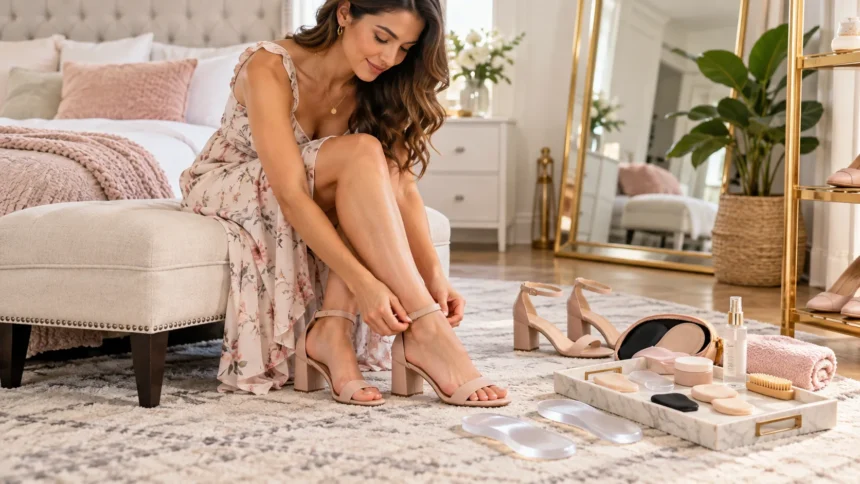
Finding comfortable high heels can be challenging, especially if you have flat feet. Without a prominent foot arch, some people experience additional pressure, fatigue, or discomfort when wearing certain types of footwear. However, understanding how to make heels more comfortable for flat feet can help you choose shoes that provide better support while complementing your personal style.
Flat feet are common and do not always cause pain or require special treatment. Many people with low arches walk, exercise, and complete everyday activities without difficulty. Still, high heels can change how pressure is distributed across the feet, making proper fit, heel height, and shoe construction important considerations.
Whether you wear heels for work, weddings, parties, or other occasions, choosing suitable footwear can improve your overall experience. This guide explains why some heels feel uncomfortable for flat feet and explores practical ways to improve stability, reduce pressure, and protect foot comfort throughout the day.
Why Are High Heels Uncomfortable for Flat Feet?
High heels change the natural position of the foot by raising the heel above the toes. This elevated position shifts more body weight toward the front of the foot and changes how forces travel through the ankle and lower leg. For some people with flat feet, these changes may contribute to discomfort during prolonged standing or walking.
Flat feet occur when the arch of the foot is low or appears flattened while standing. Some people have flexible flat feet, meaning an arch becomes visible when they sit or rise onto their toes. Others have more rigid foot structures, which may affect how comfortably they move in different types of shoes.
Not everyone with flat feet experiences discomfort when wearing heels. Symptoms depend on individual foot mechanics, shoe design, activity levels, and existing health conditions. Understanding these differences is important because there is no single heel style that works perfectly for every person with low arches.
Choose the Right Heel Height for Flat Feet
Heel height plays an important role in determining how comfortable shoes feel throughout the day. Higher heels generally increase pressure on the ball of the foot and require greater balance during movement. Choosing a lower heel may help reduce these demands and make walking more comfortable for some people with flat feet.
Kitten heels and modest block heels are often practical options for occasional formal wear. They provide some elevation without creating the steep foot angle associated with very high stilettos. However, even low heels can become uncomfortable if the shoe is too narrow, poorly constructed, or unsuitable for your foot shape.
When comparing heel heights, focus on comfort rather than selecting a specific measurement as a universal rule. Try different designs and notice whether your feet remain stable during ordinary walking. A shoe that feels comfortable during a short fitting may still become tiring after several hours of standing or movement.
Look for Heels With Proper Arch Support
Arch support can improve comfort for some people with flat feet by providing contact beneath the middle of the foot. Certain high heels include contoured footbeds or supportive internal structures designed to distribute pressure more evenly. These features may help reduce discomfort when they match the wearer’s individual foot shape.
However, not everyone with flat feet needs additional arch support. Some people find firm or unusually raised footbeds uncomfortable, particularly when the support presses against sensitive areas. The most suitable design depends on whether flat feet cause symptoms and how the individual’s feet respond to different footwear.
When trying on heels, pay attention to how the middle of your foot rests against the footbed. Support should feel comfortable rather than creating concentrated pressure. If you regularly experience foot pain, a podiatrist can assess whether a particular shoe design or supportive device might be appropriate.
Select Block Heels for Better Stability
Block heels have a wider base than narrow stilettos, which can make balancing easier during ordinary movement. Their broader contact area often provides a steadier feeling on level surfaces. For individuals who find certain high heels unstable, choosing a block heel may offer a more comfortable footwear option.
These heels are available in different heights, shapes, and materials, making them suitable for casual outfits and formal occasions. Lower block heels are particularly useful when an event involves standing or short periods of walking. However, their stability does not eliminate the forward pressure created by an elevated heel position.
A comfortable block heel should also have a secure upper, appropriate toe space, and a well-fitting footbed. Simply choosing a wider heel does not correct problems caused by a poor shoe fit. Evaluating the entire design helps identify footwear that provides stability without unnecessary pressure.
Try Wedge Heels for Additional Support
Wedge heels differ from traditional high heels because the raised sole extends beneath a larger portion of the shoe. This design can create a broad, continuous base that some wearers find more stable than narrow heels. However, comfort depends on the wedge’s height, shape, weight, and overall construction.
Some wedge shoes include contoured footbeds that may feel supportive for people with low arches. Others have rigid platforms or steep foot angles that make walking uncomfortable. A wide base should therefore be considered alongside cushioning, flexibility, fastening, and the way the shoe fits your particular feet.
Wedge heels can work well for certain social occasions where a stable walking surface is available. Nevertheless, very high or heavy wedges may feel awkward and can affect balance. Trying different styles while standing and walking is the best way to determine whether a wedge provides meaningful comfort.
Choose Heels With a Wide Toe Box
A narrow toe box can increase pressure on the toes, especially when the heel’s elevated position encourages the foot to move forward. For people with flat feet, footwear that feels restrictive may add to existing discomfort. Choosing a wider toe area allows the toes to rest more naturally inside the shoe.
Round-toe, almond-toe, and certain square-toe designs may provide more room than sharply pointed styles. However, toe box shape alone does not guarantee a comfortable fit. Actual internal width, shoe construction, and the relationship between the upper and footbed all influence how much space is available.
When trying on heels, make sure your toes are not squeezed together or pressed against the front of the shoe. There should be sufficient room for comfortable positioning without excessive sliding. Persistent pinching, tingling, or numbness suggests that the design may not be appropriate for your feet.
Wear Heels With Adjustable Ankle Straps
Adjustable ankle straps can help keep the foot securely positioned inside high-heeled shoes. This may reduce unwanted movement and improve stability when walking. For some people with flat feet, a secure fastening system makes footwear feel more controlled than loose slip-on designs.
Ankle straps, T-straps, and other adjustable closures are available across many heel styles. Buckles and similar fastenings allow small adjustments to accommodate different foot and ankle shapes. However, straps should never feel painfully tight or restrict movement because excessive pressure can create additional discomfort.
Check how the straps feel while standing, sitting, and walking before wearing the shoes for an extended period. Look for rubbing around the ankle or across the top of the foot. A properly fitted strap should provide security without leaving painful pressure marks or causing skin irritation.
Consider Shoes With Built-In Cushioning
Built-in cushioning can make certain high heels feel more comfortable by providing a softer surface beneath the foot. Some shoes include padded footbeds designed to reduce the sensation of concentrated pressure. This may be especially useful for the ball of the foot, where additional forces occur when wearing elevated heels.
However, cushioning does not automatically provide arch support or correct an unsuitable shoe shape. Very soft padding may compress during use, while overly thick footbeds can reduce available space inside the shoe. A comfortable design should combine appropriate cushioning with a stable structure and a suitable fit.
When comparing footwear, pay attention to how the original footbed feels beneath your heel, midfoot, and forefoot. Avoid assuming that thicker padding always means better support. Shoes that combine balanced construction, appropriate flexibility, and comfortable contact surfaces may be more suitable for occasional extended wear.
Make Sure Your Heels Fit Correctly
Proper shoe fit is particularly important when selecting heels for flat feet. Shoes that are too narrow may place pressure on sensitive areas, while oversized footwear can allow excessive slipping. Both problems may increase discomfort and make balancing more difficult during ordinary activities.
Try shoes while standing because the shape of your feet can change when they bear weight. Check the width of the forefoot, the position of the heel, and the available space around your toes. Because shoe sizing differs between brands, your usual numerical size may not always provide the best fit.
It can also be helpful to try new shoes later in the day, when feet may be slightly larger after routine activity. Walk around on a level surface and notice whether the footwear feels secure. If you experience immediate pain or repeated slipping, consider a different size or design.
Choose Flexible and Breathable Materials
The materials used in high heels can influence comfort, particularly around the toes and sides of the feet. Stiff uppers may create friction when they do not accommodate ordinary foot movement. Softer materials can sometimes feel more forgiving, although the shoes still need enough structure to provide stability.
Leather and certain flexible textiles may gradually adapt to normal use without becoming excessively loose. Breathable linings can also help reduce moisture buildup, which may contribute to skin irritation. Nevertheless, material quality varies between manufacturers, so a particular fabric or leather type does not guarantee better comfort.
Examine the inside of the shoe for rough seams, hard edges, or decorative components that might press against your feet. Smooth linings and properly finished edges can make a noticeable difference during extended wear. Prioritizing suitable construction helps reduce discomfort without relying entirely on additional accessories.
Try Heels at Home Before Wearing Them Outside
Testing new high heels at home allows you to evaluate comfort in a familiar environment. Short periods of standing and walking can reveal problems with stability, pressure, and shoe fit. This is especially helpful when preparing for a wedding or other event where changing footwear may be inconvenient.
Wear the shoes briefly on a clean, level surface and pay attention to how your feet feel. Notice whether the arches, toes, or heels become uncomfortable. Stop immediately if you experience pain, numbness, or instability rather than assuming your feet must adapt to the shoes.
Some materials may soften slightly with ordinary use, but repeated wearing cannot reliably correct shoes that are too small or poorly shaped. The purpose of testing is to evaluate suitability, not to tolerate increasing discomfort. If the shoes consistently cause problems, choosing another pair is usually the better option.
Take Frequent Breaks When Wearing Heels
Standing or walking in high heels for extended periods may increase foot fatigue, regardless of arch height. Taking regular breaks gives your feet an opportunity to rest from the elevated position. People who experience discomfort from flat feet may find that shorter periods in heels are more manageable.
During breaks, sit comfortably and allow your feet to relax. When practical, changing into supportive flat shoes can provide relief from pressure on the forefoot. Avoid walking barefoot on unfamiliar surfaces, particularly in public spaces where sharp objects, spills, or uneven flooring may create hazards.
There is no universal amount of time that everyone can comfortably spend wearing high heels. Individual tolerance depends on footwear design, activity, and personal foot health. Listening to discomfort signals is more important than following a fixed wearing schedule or trying to maintain a particular appearance.
Alternate Between Heels and Supportive Flats
Alternating between high heels and supportive flat shoes can reduce the amount of time spent with the feet in an elevated position. This approach is useful for occasions that involve both sitting and walking. Keeping suitable alternative footwear available provides flexibility when heels become tiring or uncomfortable.
Supportive flats should fit securely and provide appropriate space for the toes. Completely flat shoes without adequate structure are not necessarily comfortable for every person with low arches. Some individuals may prefer footwear with a supportive footbed and a stable sole, depending on their needs.
If you wear formal shoes for work or special occasions, consider whether different footwear is appropriate for commuting and longer walking distances. Switching shoes when the activity changes can help reduce unnecessary strain. Comfort-focused footwear choices are often more effective than attempting to wear the same heels throughout every part of the day.
Improve Comfort With Gentle Foot and Calf Movement
Ordinary movement and gentle stretching can help maintain flexibility in the feet and lower legs. Some people with flat feet experience tightness around the calves or ankles, although this does not occur in everyone. Comfortable movement may help relieve general stiffness associated with prolonged sitting or standing.
Gentle ankle circles, comfortable toe movement, and relaxed calf stretches are examples of low-impact activities that some people find helpful. These movements should feel easy and should not produce pain. Stretching does not change the basic structure of flat feet or guarantee that high heels will become comfortable.
If you regularly experience arch discomfort, persistent tightness, or difficulty walking, a healthcare professional can evaluate the underlying cause. A podiatrist or physical therapist may recommend individualized exercises based on your symptoms and foot mechanics. Avoid forcing stretches or exercises that make existing discomfort worse.
Understand When Orthotic Support May Help
Some people with painful flat feet benefit from supportive foot orthoses or specially designed insoles. These devices can help manage particular symptoms by changing how pressure is distributed beneath the feet. However, their usefulness varies, and not every person with flat feet requires orthotic support.
High-heeled shoes often have limited internal space, which can make fitting separate orthotic devices difficult. Specialized designs may be available for certain types of formal footwear, but compatibility depends on the shoe and individual requirements. Adding an unsuitable insert can make a tight shoe more uncomfortable rather than improving support.
If you experience recurring foot pain, professional assessment can help determine whether orthotic support is appropriate. A podiatrist can evaluate your symptoms, footwear, and walking mechanics before recommending specific options. The main goal should be comfortable function rather than attempting to create a particular arch appearance.
Common Mistakes to Avoid When Wearing Heels With Flat Feet
One common mistake is choosing very high heels without considering how they affect balance and forefoot pressure. Although higher styles may look appealing, they can place additional demands on the feet. Selecting footwear according to comfort and activity requirements is generally more practical than prioritizing height alone.
Another mistake involves relying on shoe size without checking width and overall construction. People with flat feet can have different foot shapes, so a standard-width design may not suit everyone. Narrow toe boxes, unstable soles, and poorly positioned straps can cause discomfort even when the shoe length appears correct.
Ignoring persistent symptoms is another important problem to avoid. Foot pain, numbness, repeated ankle instability, or swelling should not be considered unavoidable consequences of wearing heels. Changing footwear and seeking medical advice when symptoms continue can help prevent an uncomfortable situation from becoming a more significant concern.
Best Types of High Heels for Flat Feet
Several heel styles may feel more comfortable for people with flat feet, depending on individual preferences and foot mechanics. Lower block heels, modest wedges, and secure strapped designs often provide greater stability than very narrow stilettos. However, comfort depends on the complete shoe design rather than a single feature.
Shoes with roomy toe boxes, well-shaped footbeds, and appropriate cushioning are worth considering. A stable heel base and secure fit may make movement easier, while flexible materials can reduce certain pressure points. Trying different styles is useful because the most comfortable choice can vary substantially between individuals.
For formal occasions, prioritize footwear that allows you to stand and walk without significant discomfort. A lower heel or supportive dress flat may be a better option than a high design that creates pain. Selecting shoes based on your personal comfort helps create a more enjoyable experience without unnecessary foot strain.
Conclusion
Learning how to make heels more comfortable for flat feet begins with understanding your individual foot needs. Proper shoe fit, manageable heel height, and suitable support can improve stability and reduce unnecessary pressure. Choosing lower block heels, supportive wedges, or securely fastened designs may provide a more comfortable alternative to very high stilettos.
Small changes can also make a difference during everyday activities and special occasions. Testing shoes before an event, taking breaks, and alternating with supportive footwear can help manage discomfort. However, no shoe feature can guarantee complete comfort, particularly when heels are worn for extended periods.
Flat feet do not automatically prevent someone from wearing high heels, and many people with low arches experience no symptoms. The most important consideration is whether the footwear feels comfortable and supports safe movement. If pain or instability continues, professional advice can help you identify suitable footwear and address any underlying concerns.
Frequently Asked Questions
Can people with flat feet wear high heels?
Yes, many people with flat feet can wear high heels, particularly if they do not experience foot pain. Lower heels, secure fastenings, and appropriate shoe fit may improve comfort and stability.
What type of heels is best for flat feet?
Lower block heels, modest wedges, and supportive strapped heels may feel more comfortable for some people with flat feet. The best choice depends on individual foot shape, comfort, and walking requirements.
Do flat feet make high heels more painful?
Not necessarily. Some people with flat feet experience no discomfort, while others may be more sensitive to certain shoe designs. Heel height, pressure distribution, footwear fit, and existing symptoms influence comfort.
Can arch support make heels more comfortable for flat feet?
Arch support may improve comfort for some individuals, but it is not necessary for everyone with flat feet. Support should match the person’s foot shape and should not create additional pressure or discomfort.
How can I prevent foot pain when wearing heels with flat feet?
Choose appropriately fitting shoes with manageable heel heights, stable soles, and enough toe space. Take breaks, alternate with supportive footwear, and stop wearing heels if persistent pain or numbness develops.