
Understanding Inflation
Inflation refers to the sustained increase in the general price level of goods and services in an economy over a period of time. As the prices of goods and services rise, the purchasing power of money decreases, affecting consumers’ ability to buy the same quantity of products that they could in the past. This phenomenon is measured using various indices, the most well-known being the Consumer Price Index (CPI) and the Producer Price Index (PPI). CPI specifically tracks the average price change over time of a basket of consumer goods and services, while PPI measures price changes from the perspective of the seller.
There are several types of inflation, predominantly categorized into demand-pull inflation and cost-push inflation. Demand-pull inflation occurs when the demand for goods and services exceeds their supply. This heightened demand can be driven by factors such as increased consumer spending, government expenditure, or investment by businesses. As a result, producers may respond by raising prices due to increased competition for limited resources.
Conversely, cost-push inflation is initiated from the supply side, wherein the costs of production increase, leading businesses to pass these costs onto consumers. Factors contributing to cost-push inflation include rising wages, increased prices for raw materials, and supply chain disruptions. Both types of inflation can significantly impact the economy, influencing monetary policy, interest rates, and consumer behavior.
The causes of inflation are multifaceted and can vary based on specific economic conditions. Central banks and policymakers closely monitor inflation rates to implement strategies that can help maintain economic stability. Understanding inflation is crucial for consumers and businesses alike, as it provides insight into market dynamics and helps forecast future trends. Recognizing its measurement and types enables stakeholders to prepare for and effectively manage the implications of inflation on their financial well-being.
The Mechanisms of Inflation on Daily Life
Inflation, defined as the general increase in prices and a fall in the purchasing value of money, significantly affects individuals and families in their daily lives. At its core, inflation alters how households manage their finances, often leading to a tightening of budgets. As prices for essential goods, such as groceries and fuel, rise, the purchasing power of consumers diminishes, forcing them to adapt their spending habits to accommodate these changes.
One of the most immediate effects of inflation is its impact on consumer behavior. When individuals perceive rising prices, they may prioritize essential expenses while cutting back on non-essential items. For instance, families may choose to dine out less frequently or postpone vacations to save money. This change in habits can result from the psychological stress associated with rising costs, which can further complicate financial planning.
Additionally, inflation may create a ripple effect on savings and investments. As the cost of living increases, individuals are compelled to alter their saving strategies. Funds that were previously allocated for long-term savings might now be redirected towards covering day-to-day expenses. Furthermore, in an inflationary environment, the real value of savings diminishes unless interest rates on savings accounts match or exceed the inflation rate, prompting many to seek alternative investment options, such as stocks or real estate, to preserve their wealth.
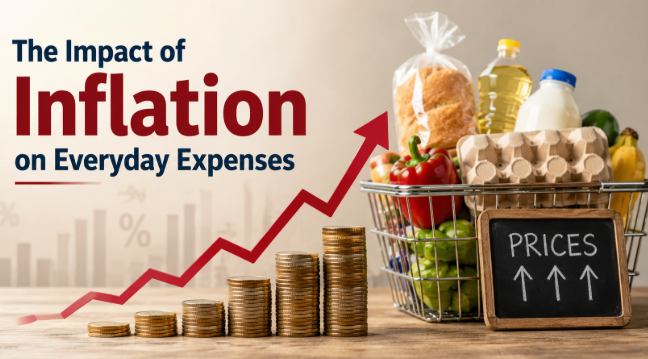
To illustrate, consider the case of rising grocery prices. A family that typically spends $100 per week may find that the same basket of groceries now costs $120 due to inflation. This shift requires careful planning and adjustment of their monthly budget to accommodate the increased expenditure. As inflation persists, these adjustments become crucial to maintaining financial stability.
Rising Costs of Basic Necessities
The phenomenon of inflation significantly impacts the prices of essential goods and services that consumers rely on daily. Basic necessities such as groceries, gasoline, utilities, and healthcare have witnessed notable price increases in recent years. For instance, the Consumer Price Index (CPI) indicates that food prices have surged, with staple items like meat, dairy, and grains showing an upward trend. Rising costs in these categories place financial strains on households, affecting their overall purchasing power and leading many to reconsider their spending habits.
Gas prices, a significant factor for daily commuters, have also experienced fluctuations. Reports show that gas prices have reached record highs, largely due to supply chain disruptions and increased demand as economies recover from the pandemic. This situation has resulted in a higher cost of living, forcing consumers to allocate a larger portion of their budget to transportation expenses. Such changes can prompt individuals to seek more fuel-efficient vehicles or public transportation alternatives.
Utilities, including electricity and water, have not been immune to inflationary pressures either. Studies have shown that energy prices can fluctuate based on seasonal demand and supply issues, impacting household budgets. In addition, healthcare costs continue to rise due to various factors, including increased demand for medical services and technological advancements. Statistics reveal that healthcare expenses have outpaced general inflation rates, contributing to higher out-of-pocket costs for patients.
This rise in basic necessity costs can lead to a cascade of economic challenges for families, as they may need to prioritize their spending or seek ways to increase their incomes. The implications of these price increases are far-reaching, ultimately influencing consumer behavior, lifestyle choices, and overall economic stability.
Inflation and Consumer Behavior
Inflation serves as a critical factor influencing consumer behavior. When prices steadily increase, consumers tend to reassess their purchasing decisions and prioritization of needs. One of the notable reactions to inflation is demonstrated through the ‘substitution effect.’ As the cost of goods rises, consumers often seek out more affordable alternatives, which can entail switching from premium brands to less expensive options, or from one product category to another altogether. This adaptability reflects a fundamental shift in consumer priorities forged by economic pressures.
Furthermore, during periods of rising inflation, consumers may exhibit a propensity to delay purchases. When individuals anticipate that prices will continue to escalate, they often choose to postpone acquiring non-essential items in hopes of securing better prices in the future. This behavior is particularly evident in sectors such as electronics, fashion, and automotive, where significant price fluctuations can occur, prompting buyers to adopt a wait-and-see approach.
The standard response to inflation typically involves increased sensitivity to price changes. For example, customers may start comparing prices more vigorously across different retailers, leveraging promotions and discounts that mitigate the impact of inflation on their budgets. Additionally, consumers might engage more actively in market research, relying on online reviews and price comparison tools to make informed decisions about their purchases. This proactive approach to shopping is a direct outcome of economic environments characterized by significant inflation, wherein even slight price changes can sway purchasing behavior decisively.
In conclusion, inflation fundamentally alters the landscape of consumer behavior, encouraging individuals to make more judicious spending choices, seek out alternatives, and delay purchasing. Such trends illustrate how economic forces bring about substantial shifts in consumer priorities and purchasing patterns over time.
Wage Growth vs. Inflation
The relationship between wage growth and inflation rates is a critical consideration for workers and families alike. Inflation, defined as the rate at which the general level of prices for goods and services rises, erodes purchasing power if wages do not grow correspondingly. In recent years, many economies have experienced fluctuating inflation rates, impacting the purchasing power of households. Consequently, it is essential to examine whether salary increases are keeping pace with rising costs of living.
When wages increase, they ideally compensate for inflationary pressures, allowing workers to maintain their standard of living. However, many workers have faced real wage erosion, where salary increments have not aligned with the actual cost increases, such as housing, food, and healthcare. This disconnect creates a challenging situation, particularly for lower- and middle-income families who typically allocate a larger portion of their income to essential expenses. As a result, their disposable income shrinks, prompting concerns over the implications of stagnant wages against rising prices.
The concept of the living wage becomes particularly relevant in this discussion. A living wage reflects the minimum income necessary for a person to meet their basic needs and participate in their community’s economic life. Advocates argue that the living wage should adjust according to inflation, ensuring that all workers can afford essential goods and services as prices fluctuate. Without such adjustments, the risk of falling into poverty increases, thereby straining social welfare systems and reducing overall economic stability.
To summarize, as inflation continues to affect everyday expenses, the relationship between wage growth and inflation becomes increasingly significant. Maintaining a balance between salary increases and inflation rates is crucial for ensuring that workers and families feel financially secure and can thrive in an evolving economic landscape.
Inflation’s Effect on Savings and Investments
Inflation plays a significant role in financial planning, particularly regarding savings and investments. As prices rise over time, the purchasing power of money diminishes, which can severely impact how individuals and families manage their savings. Traditional savings accounts often offer nominal interest rates that may not keep pace with inflation. As a result, the real value of savings can erode, leading to diminished purchasing power in the future. This reality emphasizes the importance of selecting the right savings instruments that can potentially offer returns exceeding inflation rates.
Investing can be a more effective strategy to combat inflation. Various asset classes, such as stocks, real estate, and commodities, often appreciate over time and may provide favorable returns that outstrip the inflation rate. For instance, equities have historically shown growth that aligns with or surpasses inflation over the long term. However, investing carries risks, and it is critical for individuals to consider their risk tolerance and investment timelines when developing their strategies.
Moreover, inflation should be a crucial factor when setting long-term financial goals. Individuals are encouraged to adjust their savings targets to ensure their future needs are met, particularly as the cost of living increases. Setting aside funds that genuinely appreciate in value, or employing investment strategies focused on growth, can help safeguard savings against inflation’s effects. In short, a proactive approach to financial planning that incorporates expectations around inflation can significantly enhance an individual’s financial security over time.
Government Policies and Inflation Control
Government policies play a pivotal role in managing inflation and ensuring the stability of the economy. Central banks, such as the Federal Reserve in the United States, implement a range of monetary policies that directly influence inflation rates. One of the primary tools at their disposal is the adjustment of interest rates. By increasing interest rates, central banks can make borrowing more expensive, thereby reducing consumer spending and investment, which in turn tends to lower inflation. Conversely, lowering interest rates can stimulate economic activity by encouraging borrowing and spending, yet this can lead to higher inflation if done excessively.
In addition to interest rate adjustments, central banks may employ quantitative easing (QE) strategies. This monetary policy involves purchasing government bonds or other financial assets to inject liquidity into the economy. While QE can help combat deflation and foster economic growth, it carries the risk of igniting inflation if the money supply increases too rapidly. Therefore, monitoring and adjusting these policies require careful consideration of economic indicators and potential risks.
Fiscal policies also play a crucial role in inflation control. Governments can influence inflation through taxation and public spending. For instance, increasing taxes can reduce disposable income, thereby tempering consumer demand and helping to manage inflation. Similarly, reducing government spending may have a deflationary effect, as it limits the amount of money circulating in the economy. However, these strategies must be balanced with the need to support economic growth, particularly during downturns.
Ultimately, the effectiveness of these government strategies in controlling inflation can vary based on various factors, including external economic conditions, consumer behavior, and global market dynamics. Policymakers must remain vigilant and responsive to ongoing changes to reduce inflationary pressures while promoting stable economic growth.
Regional Variations in Inflation Rates
Inflation is not a uniform phenomenon; it often varies significantly across different regions and locales. These regional disparities in inflation rates can lead to varying impacts on communities, affecting their economic realities. Several factors contribute to these regional differences, including local demand for goods and services, demographic trends, and supply chain dynamics.
For instance, urban areas typically experience higher inflation rates compared to rural regions. This discrepancy is largely due to the heightened demand for housing, transportation, and various services concentrated in cities, driving prices upwards. In contrast, rural areas might enjoy more stable prices as there is often less competition for goods and services. Moreover, factors such as local taxation, labor costs, and economic policies may further exacerbate these variations.
Another consideration is the economic structure of different regions. Areas that are heavily reliant on specific industries may see inflationary pressures more acutely during periods of economic change. For example, regions dependent on tourism might face fluctuating inflation rates in response to travel trends or natural disasters that affect visitor numbers. Conversely, places experiencing industrial growth may benefit from lower inflation due to robust job creation and wage increases.
Furthermore, regional inflation rates can create economic disparities between communities. Those residing in high-inflation areas may find their purchasing power diminished, leading to challenges in meeting everyday expenses. In comparison, residents in low-inflation regions may experience a relatively stable cost of living, enabling better financial stability. Addressing these regional variances in inflation is crucial for policymakers aiming to create equitable economic conditions across the nation.
Coping Strategies for Consumers Facing Inflation
As inflation continues to influence everyday expenses, consumers find themselves needing to adapt their financial strategies accordingly. One of the first steps in coping with rising costs is effective budget management. This involves examining one’s current expenditure patterns to identify areas where spending can be reduced or optimized. Tools such as budgeting apps or spreadsheets can assist in tracking income and expenses, enabling clearer visibility of financial health.
Prioritizing expenses emerges as another essential strategy. Consumers should distinguish between needs and wants, ensuring that essentials such as housing, utilities, and groceries take precedence over discretionary spending. By fostering this distinction, individuals can allocate their resources more efficiently, thus mitigating the impact of inflation on their financial situation.
Moreover, exploring alternative purchasing methods can be beneficial. Buying in bulk, utilizing couponing strategies, and seeking out local farmers’ markets can lead to reduced prices on food and other goods. Additionally, consumers may find themselves turning towards generic brands which often offer similar quality at a lower price point. This shift not only helps with cost-saving but also promotes smarter shopping habits.
Furthermore, increasing financial literacy plays a crucial role in navigating the complexities of inflation. Educating oneself about economic principles and market trends equips consumers with the knowledge necessary to make informed decisions. This can encompass anything from understanding interest rates to recognizing the long-term implications of inflated prices on savings and investments. Informative resources, such as workshops or online courses, can enhance one’s ability to adapt financially.
In conclusion, by implementing these coping strategies—effective budget management, prioritizing essential expenses, exploring alternative purchasing methods, and enhancing financial literacy—consumers can navigate the challenges posed by inflation more efficiently. With preparedness and adaptability, individuals can safeguard their financial well-being against the fluctuating economic landscape.