

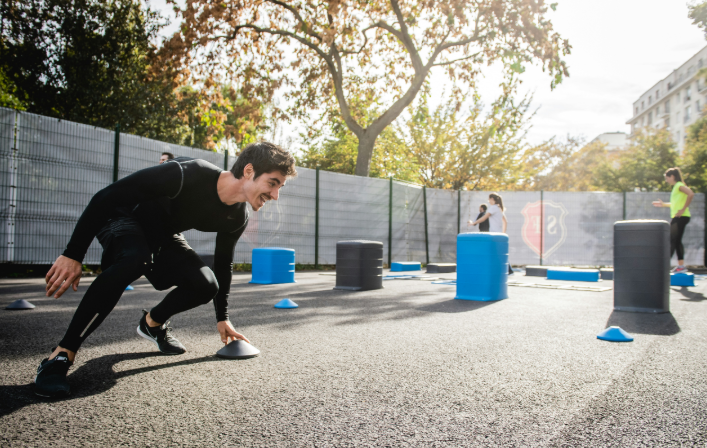
Understanding the Basics of Sports Training
Sports training is an essential process that aims to improve an athlete’s performance through systematic and progressive exercise. For beginners, grasping the fundamentals of sports training is crucial, as it lays the groundwork for future advancement in their chosen discipline. Central to sports training is the recognition of baseline fitness levels, which serve as a starting point for personal development. Understanding one’s current physical capabilities allows for the formulation of a tailored training regimen that promotes gradual improvement.
Conditioning plays a vital role in sports training, encompassing various techniques designed to enhance an athlete’s overall physical state. This includes the development of endurance, strength, flexibility, and skill – the key components of an effective training program. Each component contributes significantly to an athlete’s capability to perform, and they must be integrated in a manner that reflects the specific demands of the sport being pursued. For instance, a sprint runner would prioritize speed and leg strength, while a swimmer might focus on upper body strength and aerobic endurance.
Moreover, it is important to understand that different sports necessitate diverse training methodologies. Sports such as basketball or soccer emphasize agility and coordination, while long-distance running demands sustained endurance and mental fortitude. Therefore, beginners should strive to recognize the nuances of their chosen sport and adjust their training techniques accordingly. By focusing on the essential elements of sports training, including building strength, enhancing endurance, improving flexibility, and refining skills, beginners can embark on a successful athletic journey, establishing a solid foundation for long-term excellence in their respective sports.
Setting Realistic Goals
Setting realistic goals is a fundamental aspect of sports training, especially for beginners. Utilizing the SMART criteria—Specific, Measurable, Achievable, Relevant, and Time-bound—can significantly enhance one’s training experience. By identifying personal objectives that meet these criteria, beginners can construct a solid foundation for their journey in sports training.
Specific goals provide clarity. For instance, instead of stating, “I want to get fit,” a beginner might specify, “I aim to jog for 20 minutes without stopping.” This specificity enables focused efforts and a clearer pathway to success. Measurable goals facilitate tracking progress; for example, tracking the distance run or the number of repetitions in a strength-training regimen can serve as vital indicators of improvement.
Achievable goals ensure that the objectives set are within one’s capability, thus preventing feelings of overwhelm or discouragement. Beginners should strive for challenges that push them but remain realistic. For instance, setting a target to run a 5K by the end of six months provides enough time to build endurance. The relevance of goals, such as improving stamina for a specific sport, keeps motivation high, while time-bound targets reinforce commitment and serve as deadlines for achievement.
It’s also vital to set both short-term and long-term goals. Short-term objectives can include mastering specific skills or improving technique within a few weeks, while long-term goals might encompass broader aspirations, such as competing in an event. Furthermore, as progress is made, maintaining flexibility in goals is essential. Adjusting targets based on performance enables a realistic outlook and keeps motivation intact. Overall, goal-setting stands as a crucial element in promoting consistency and measuring progress in beginners’ sports training.
Building a Balanced Training Schedule
Creating a balanced training schedule is crucial for beginners who wish to improve their athletic performance without risking injuries. A comprehensive training program should include various components such as strength training, cardiovascular conditioning, and skill practice. Each of these elements plays a vital role in enhancing overall athletic ability and should be systematically integrated into the weekly routine.
Firstly, strength training is essential for building muscle and improving overall strength. Beginners should aim to incorporate strength exercises at least two to three times a week. These sessions can focus on different muscle groups, allowing for adequate recovery while maximizing muscle growth. Beginners may start with bodyweight exercises before transitioning to weights, ensuring proper form and technique.
Next, cardiovascular fitness is fundamental for endurance and overall health. Aim for at least 150 minutes of moderate aerobic activity per week. This can be broken down into shorter sessions throughout the week, allowing beginners to gradually increase their stamina and cardiovascular capacity without overwhelming themselves.
Skill practice is equally important, especially for those participating in sports that require specific techniques or tactics. Allow designated practice days to focus purely on developing skills related to the sport of choice, ensuring that these sessions are high-quality and focused, even if they are shorter in duration.
In addition to these training components, it is critical to emphasize rest and recovery. Incorporating rest days into the schedule will aid muscle recovery, prevent burnout, and reduce injury risk. Ideally, individuals should plan to have at least one to two rest days within their weekly training schedule. Through well-distributed training, beginners can cultivate a consistent and effective training regime that promotes healthy growth and skill development.
Incorporating Strength Training
Strength training is a crucial component for beginners who wish to enhance their athletic performance and minimize the risk of injuries. This form of training focuses on improving the strength and endurance of muscles, which not only benefits overall fitness but also plays a pivotal role in supporting various sporting activities. For those new to strength training, it is essential to start with beginner-friendly exercises that lay the groundwork for more advanced techniques in the future.
One of the most effective forms of strength training for beginners is bodyweight exercises. These exercises use the individual’s own body weight as resistance, eliminating the need for complex equipment. Common bodyweight exercises include push-ups, squats, and lunges. These foundational movements not only develop strength but also enhance coordination and stability, which are vital in most sports. As beginners become comfortable with bodyweight exercises, they can gradually progress to more challenging variations.
Additionally, basic resistance training options such as resistance bands and light-weight dumbbells can be incorporated into a training regimen. Resistance bands are particularly advantageous for beginners as they are lightweight, portable, and versatile, allowing for a variety of exercises that target multiple muscle groups. Similarly, using dumbbells enables beginners to learn proper lifting techniques while building strength progressively.
Engaging in consistent strength training can lead to significant improvements in sports performance. Enhanced strength allows athletes to generate more power, improve agility, and increase endurance, all of which are beneficial in a competitive environment. Furthermore, strength training contributes to injury prevention by fortifying muscles and connective tissues, thereby providing better support to joints during high-impact activities. In conclusion, incorporating strength training into a beginner’s routine is a fundamental step towards achieving athletic success and enjoying a safer, more effective training experience.
Enhancing Cardiovascular Fitness
Cardiovascular fitness is a fundamental aspect of sports training, especially for beginners. This type of fitness refers to the ability of the heart, lungs, and blood vessels to supply oxygen to the muscles during sustained physical activity. Building a strong cardiovascular base is crucial as it improves overall endurance, enhances performance in various sports, and aids in recovery between intense activities. Developing cardiovascular endurance can be achieved through different training techniques that cater to the individual needs of beginners.
One effective method is interval training, which alternates periods of high intensity with lower intensity recovery phases. For beginners, a simple approach could involve sprinting for 30 seconds followed by walking for one to two minutes. Ideally, this training should be performed two to three times a week to enhance aerobic capacity effectively. The duration and intensity can be modified based on fitness levels, gradually introducing longer intervals or less recovery time as an individual becomes more conditioned.
Steady-state cardio is another technique, where an individual maintains a consistent, moderate intensity for an extended period. Activities such as jogging, cycling, or swimming for 20 to 40 minutes are excellent choices. This method not only builds endurance but also helps in effectively burning calories and improving cardiovascular health without overwhelming a beginner.
Circuit training combines a series of exercises targeting different muscle groups with minimal rest between movements. This method can elevate heart rate, providing both strength training and cardiovascular benefits. Beginners can start with a circuit that includes exercises like jumping jacks, push-ups, and bodyweight squats for a duration of 20 minutes, aiming to complete as many rounds as possible.
Incorporating these cardiovascular training techniques into a sports regimen will significantly enhance endurance and overall fitness levels for beginners, paving the way for improved athletic performance and greater enjoyment of physical activities.
Developing Flexibility and Mobility
For beginners engaged in sports training, developing flexibility and mobility is essential for enhancing performance and reducing the risk of injury. Flexibility refers to the ability of muscles and tendons to elongate, while mobility involves the movements of joints through their full range. Integrating flexibility and mobility training into a sports regimen can greatly benefit athletes of all levels.
Two primary categories of stretching techniques are dynamic and static stretches. Dynamic stretches are performed before physical activity as a warm-up, focusing on controlled movements that actively engage muscles and increase heart rate. Examples include leg swings, arm circles, and torso twists. These functional movements not only enhance flexibility but also prepare the body for the athletic demands ahead.
On the other hand, static stretches should be incorporated after workouts to improve overall flexibility. In this practice, the athlete holds a stretch for a prolonged period, typically 15 to 60 seconds. Common static stretches include hamstring stretches, quadriceps stretches, and calf stretches. These exercises are critical in promoting muscle relaxation and elongation, leading to improved performance and recovery.
In addition to stretching, mobility drills are vital for beginners. These drills, such as hip openers and shoulder dislocations, specifically target the joints and improve their function. They enhance the range of motion, allowing for more explosive and powerful movements during sports activities. Regular mobility training fosters better coordination and stability, which are invaluable for any athlete.
Ultimately, prioritizing flexibility and mobility through consistent practice of both dynamic and static stretches, along with mobility drills, cultivates a more resilient body. This timely approach not only boosts athletic performance but also plays a pivotal role in preventing injuries, laying a solid foundation for athletes embarking on their training journey.
Mastering Skill Development
Skill development is a cornerstone of effective sports training, particularly for beginners who seek to establish a solid foundation in their chosen discipline. Focusing on the technical aspects of a sport—such as form, technique, and consistency—is essential for achieving long-term success and preventing injuries. The first step in mastering skill development is accurately assessing one’s current abilities and identifying specific areas for improvement.
Beginner athletes should prioritize the fundamentals. This involves dedicating time to practice basic skills that are crucial for their sport. For instance, a soccer player may focus on dribbling and passing, while a swimmer should concentrate on stroke techniques and starts. To enhance these skills, engaging in drills that target these elements can prove immensely beneficial. Repetitive practice allows beginners to develop muscle memory, which translates into improved performance during actual competition.
Feedback is another critical component of skill development. Aspiring athletes should seek guidance from trainers or coaches who can provide constructive critique on their technique. Regular feedback helps in identifying flaws that may go unnoticed during self-practice. Moreover, trainers can introduce new drills and techniques tailored to an athlete’s individual needs, ensuring consistent progression in skill acquisition.
In addition to formal coaching, peer feedback during training sessions can also foster a supportive learning environment. Trainees encouraging each other to refine their skills fosters camaraderie while enhancing their learning experience. In essence, the combination of consistent practice, targeted drills, and receptive feedback creates a robust framework for skill improvement that is critical for beginners aiming to excel in their sport.
Nutrition for Optimal Performance
Nutrition is a cornerstone of successful sports training, especially for beginners who are embarking on their athletic journey. A balanced diet comprising the right amounts of macronutrients—carbohydrates, proteins, and fats—alongside essential micronutrients, is vital to support physical performance and recovery.
Carbohydrates serve as the primary energy source during physical activity. Athletes should focus on whole grains, fruits, and vegetables to fuel their workouts effectively. In contrast, proteins are crucial for muscle repair and growth, so incorporating lean meats, dairy, legumes, and nuts in the diet is recommended. Healthy fats, such as those found in avocados, olive oil, and fish, can provide sustained energy and support overall health.
Micronutrients, including vitamins and minerals, play an equally important role in maintaining optimal body functions and supporting the immune system. It is pivotal for athletes to consume a variety of foods to ensure they meet their micronutrient needs, which can vary based on the intensity and duration of activity.
Hydration cannot be overlooked in the pursuit of optimal performance. Proper fluid intake helps maintain electrolyte balance, regulate body temperature, and prevent fatigue. Athletes should aim to hydrate before, during, and after workouts, and pay attention to their thirst cues as well as the color of their urine as indicators of hydration status.
Meal timing around training sessions is also vital. Consuming a carbohydrate-rich snack approximately 30-60 minutes prior to training can enhance performance, while a balanced meal post-workout aids in recovery. Beginners should experiment with different food combinations to find what works best for them.
Finally, meal planning can greatly assist in maintaining a nutritious diet. Preparing healthy snacks, such as fruit, yogurt, or mixed nuts, can ensure that nutritious options are always available, particularly during busy training days. By understanding the fundamentals of nutrition, beginners can better fuel their sports training and enhance their overall athletic performance.
Tracking Progress and Staying Motivated
Tracking progress is essential for anyone engaged in sports training, particularly beginners. By measuring improvements, individuals can better understand their strengths and identify areas that require attention. One effective method for tracking progress is maintaining a detailed training log. This log can include information about workouts, exercise duration, intensity, and personal reflections. Over time, reviewing this log reveals trends and enhances motivation as one witnesses tangible improvements.
In addition to traditional training logs, modern technology offers an array of fitness apps designed for tracking various metrics, such as distance run, calories burned, or lifting weights. These apps often feature visual representations of progress, which can prove engaging and can foster a sense of accomplishment. Furthermore, many of these applications allow for goal setting and provide reminders to keep users on track, further enhancing motivation.
Self-assessment is another critical strategy for progress evaluation. Periodic evaluations can include physical fitness tests that determine endurance, strength, flexibility, and overall athletic performance. Taking the time to assess oneself not only highlights progress but also encourages setters to establish new goals in their training regimen.
Additionally, motivation can be enhanced by finding a training buddy. Partnering with someone with similar fitness objectives creates a supportive environment and fosters accountability. Sharing successes and discussing challenges can make the training journey more enjoyable and fulfilling.
Recognizing and celebrating achievements, no matter how small, is vital for maintaining enthusiasm. Achievements could include completing a challenging workout or reaching personal bests. Lastly, staying informed about the latest trends in sports training can provide fresh insights, keeping one engaged and motivated to continue pushing boundaries.