

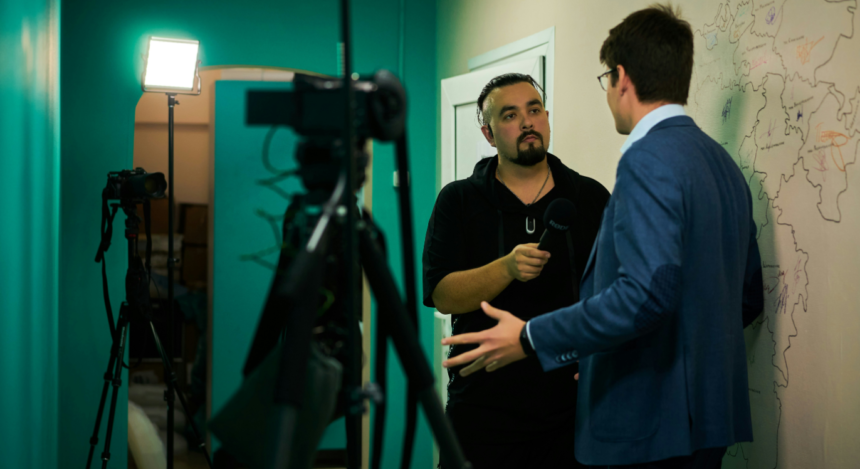
Introduction to Viral Celebrity Interviews
Viral celebrity interviews have become a notable phenomenon in contemporary media, capturing the attention of audiences around the globe. These interviews can elevate the public persona of a celebrity, enhance their brand, and even alter public perception. With the rise of social media platforms, the reach and influence of an engaging interview have expanded exponentially, transcending traditional boundaries of communication.
What makes a celebrity interview truly memorable is a combination of authenticity, emotional resonance, and occasionally, controversy. When a celebrity opens up about their personal experiences, struggles, or insecurities, they create a connection with the audience, leading to wide engagement and sharing. Additionally, interviews that feature unexpected revelations or candid moments often go viral, as audiences are drawn to the unexpected nature of the content.
Furthermore, the context in which these interviews occur plays a vital role in their virality. Events that coincide with broader cultural conversations or societal issues can heighten the impact of the interview, making it resonate more deeply with viewers. For instance, celebrities discussing mental health or social justice issues can contribute to important dialogues, amplifying their significance and reach.
As we delve into the specific instances of viral celebrity interviews, it is crucial to appreciate not only the content and presentation but also the underlying factors that contribute to their success. By examining these interviews, we can gain insights into the dynamics between public figures and their audiences, ultimately reinforcing the power of media in shaping cultural narratives.
Criteria for Virality in Celebrity Interviews
The phenomenon of virality in celebrity interviews is influenced by several key elements that collectively engage audiences and encourage widespread sharing. One of the foremost factors is the charisma of the interviewee. Charismatic individuals often possess a magnetic quality that draws viewers in, making them more likely to share the content with others. Their presence can transform a mundane interview into a captivating experience, thereby enhancing its chances of going viral.
Another significant element is emotional storytelling. When celebrities open up about their personal experiences, challenges, or triumphs, they create an emotional connection with the audience. Such authenticity resonates with viewers, encouraging empathy and engagement. This emotional appeal often acts as a catalyst for social media sharing, as individuals tend to share content that elicits strong feelings, whether it be joy, sadness, or inspiration.
Humor also plays a crucial role in the virality of celebrity interviews. Lighthearted moments, witty banter, and comedic anecdotes can entertain the audience, making the content more enjoyable and shareable. When interviewers and interviewees create a fun atmosphere, it often results in memorable clips that viewers feel compelled to share with friends and family, multiplying the reach of the interview.
Lastly, controversial topics often find a way into viral discussions. When celebrities tackle polarizing issues or engage in candid conversations about taboo subjects, it prompts intrigue and debate. This can lead viewers to discuss the interview in various forums, further amplifying its shareability. Overall, the interplay of charisma, storytelling, humor, and controversy constitutes a potent recipe for creating viral celebrity interviews.
In today’s digital age, social media serves as a powerful platform for amplifying celebrity interviews. Various social media channels, including Twitter, Instagram, and TikTok, allow for swift dissemination of video clips and snippets that pique public interest. These platforms enable users to share, comment, and engage with content, making them crucial tools for enhancing the reach of interviews.
For instance, a short clip from a celebrity interview can rapidly gain traction on platforms like Twitter, where users share and retweet it to their followers. This creates a chain reaction, expanding the interview’s audience exponentially. The ability of social media to facilitate immediate engagement means that interviews can become viral sensations within hours, tapping into current trends and discussions. A notable example is when various interviews featuring pop culture icons addressed contemporary issues, and snippets of those interviews were shared extensively across social networks, sparking widespread conversations.
Instagram provides a visually driven platform where interview snapshots and quotes can be shared as eye-catching posts or stories, enhancing visibility. The inclusion of hashtags and tagging relevant accounts drives further engagement and helps the content reach a broader audience, contributing to its viral potential.
Moreover, TikTok has emerged as a game-changer in this arena. Its format encourages users to create short, entertaining videos that often feature clips from longer interviews. These user-generated creations can introduce celebrity interviews to demographics that may not have otherwise engaged with traditional media outlets. The platform’s algorithm promotes content that resonates with viewers, facilitating organic reach and enhancing the interview’s popularity.
Overall, the power of social media in amplifying celebrity interviews cannot be understated. It transforms how audiences consume and interact with content, making it a pivotal element in the contemporary media landscape.
Memorable Celebrity Interviews of the Past Decade
Over the past decade, numerous celebrity interviews have captured public attention, becoming viral sensations for various reasons. One standout moment occurred in 2015, when interview legend Barbara Walters sat down with Caitlyn Jenner. The interview not only marked Jenner’s public introduction as a transgender woman but also sparked widespread discussions on gender identity, making it a significant cultural moment that resonated deeply with audiences.
Another iconic interview that went viral was the 2019 sit-down between actor Robert Downey Jr. and his co-star Chris Evans during promotional events for “Avengers: Endgame.” Fans were particularly drawn to the candid and light-hearted banter exchanged between the two, showcasing their genuine friendship. This engaging dynamic, paired with the film’s immense popularity, contributed to the interview’s virality, captivating Marvel enthusiasts globally.
In 2020, the viral interview with Meghan Markle and Prince Harry, conducted by Oprah Winfrey, generated extensive media coverage. The couple’s revelations about their experiences within the British royal family revealed a complex narrative of challenges they faced, including issues of racism and mental health struggles. The candidness of their discussion not only shocked viewers but also initiated dialogues around mental health awareness and the pressures of public life, elevating this interview to a historic status.
Additionally, the spontaneity of interviews can lead to viral moments, as seen when comedian Kevin Hart found himself discussing humorous childhood events during a live interview, providing an authentic glimpse into his upbringing. These instances exemplify how celebrity interviews can transcend entertainment, sparking dialogue and engagement over crucial societal themes. Throughout the last decade, these interviews stand out not just for their star power but for their ability to resonate with wider audiences, becoming part of popular cultural discourse.
Controversial Moments That Shook the Internet
Throughout the history of celebrity interviews, there have been numerous instances where statements or actions sparked significant controversy, leading to widespread public discourse. These moments not only shaped the celebrity’s career but also stirred conversations about societal norms and cultural issues. One prominent example includes Kanye West’s interview where he made headlines for his views on politics and race. His comments ignited fierce debates regarding celebrity influence on public policy and the responsibilities that come with fame.
Another notable case is the interview involving actress Anne Hathaway, where she addressed the backlash she received for her comments about her success. Many interpreted her remarks as tone-deaf, leading to a larger conversation about privilege and the perception of success in Hollywood. The public’s reaction was swift and divisive, showcasing how a single interview can pivot discussions on such delicate subjects.
Moreover, the infamous interview of former President Donald Trump, conducted by a prominent journalist, was marked by instances of confrontation and bold assertions. This resulted in multiple news cycles dissecting not only Trump’s responses but also the integrity of the media itself. The interview reignited discussions about the role of journalists in holding public figures accountable, as viewers grappled with the boundaries of free speech and responsible reporting.
These controversial interviews serve as a reminder of the volatility of public perception in the realm of celebrity culture. Each instance significantly influenced how society approaches conversations surrounding race, privilege, and political discourse. As the internet platform amplifies these moments, it is vital to analyze their implications and the broader societal reflection they provoke.
Humor in Celebrity Interviews: Making Them Go Viral
Humor plays a crucial role in the effectiveness of celebrity interviews, often leading to moments that capture audience attention and result in content going viral. By injecting wit or engaging in playful banter, celebrities and interviewers alike create an environment that captivates viewers, encouraging them to share these light-hearted exchanges.
One notable instance of humor turning an interview viral can be found in the interaction between actor Ryan Reynolds and a talk show host. Known for his quick wit, Reynolds delivered a series of well-timed jokes that not only entertained but also showcased his charismatic personality. This exchange resonated with audiences, prompting shares across various social media platforms, ultimately transforming the interview into a trending topic.
Another prime example is when comedian Ellen DeGeneres conducted an interview with actress Jennifer Aniston. Aniston’s playful responses and DeGeneres’s ability to maintain a humorous atmosphere made for television magic. Their comedic chemistry created moments of laughter that transcended the typical celebrity interview format, leading viewers to share clips online. This not only elevated their individual profiles but also highlighted how humor can break down barriers between celebrities and the public.
The ability of humor to foster relatability is a significant factor in its effectiveness. Viewers are drawn to light-hearted moments that feel genuine, as these moments humanize the celebrities involved. This results in interviews that are not only entertaining but also memorable, encouraging viewers to re-watch and share these snippets, thereby amplifying their reach. In the landscape of celebrity interviews, humor serves not merely as a tool for entertainment, but as a pivotal element in crafting content that resonates with audiences and leads to viral success.
Influence of Celebrity Interviews on Trending Issues
Celebrity interviews have increasingly become a pivotal platform for discussing social and political issues, allowing renowned figures to influence public opinion significantly. These interviews often reach extensive audiences and, as a result, serve as catalysts for awareness around critical matters. When celebrities share their perspectives, they not only engage with viewers but also encourage deeper contemplation of relevant societal topics.
For instance, in recent years, interviews with high-profile individuals have shed light on pressing issues such as racial equality, mental health, and climate change. A celebrity speaking candidly about their struggles with mental health can destigmatize the conversation and empower others to seek help. Similarly, celebrities voicing their opinions on climate concerns can spur public interest and action, prompting fans to consider their role in addressing such global challenges.
The impact of these interviews is underscored by the convergence of celebrity culture and social media. In today’s digital landscape, snippets or highlights from interviews can go viral within seconds, reaching millions and sparking discussions across various platforms. This phenomenon illustrates how quickly public discourse can shift with just a few words from a celebrity. Furthermore, the celebrity’s influence often extends beyond entertainment, positioning them as potential change-makers who not only shape trends but also advocate for societal progress.
Moreover, the reactions elicited from audiences during these interviews can lead to mobilization, driving fans to engage in activism or support specific movements. Thus, the influence of celebrity interviews transcends mere entertainment; they become an essential element in shaping societal narratives and driving conversations around critical issues. Ultimately, the role of celebrities as advocates for change cannot be overstated, as their voices help define and challenge prevailing social norms.
Fan Reactions and Impact on Celebrity Careers
Viral interviews have become a significant element in shaping the public image of celebrities, with fan reactions influencing their careers in multifaceted ways. When a celebrity engages in a captivating or controversial interview, it often leads to an immediate and passionate response from fans. These reactions can manifest in various forms, including social media engagements, fan art, and even trends that echo the celebrity’s words or actions. Consequently, the interviews can serve as a litmus test for public sentiment, either bolstering a celebrity’s standing in the industry or, conversely, undermining their reputation.
Positive fan reactions stemming from viral interviews often lead to an increase in popularity. When celebrities handle questions with grace, humor, or sincerity, they frequently earn admiration from audiences, who may feel a stronger emotional connection to the star. This connection can translate into tangible outcomes such as heightened social media followers, increased ticket sales for performances, and greater endorsement opportunities. For instance, a well-received interview can propel a celebrity’s career trajectory, catapulting them into new roles, projects, or collaborations in the entertainment industry.
On the other hand, not all viral interviews yield favorable outcomes. Negative backlash from fans can precipitate a decline in a celebrity’s marketability. Such instances have led to swift consequences, including public disapproval, decreased popularity, and sometimes even calls for accountability such as boycotts or public apologies. Celebrities may find themselves embroiled in controversy, undermining their previous successes and forcing them to navigate the complex landscape of public perception. The dual nature of fan reactions demonstrates the fine line celebrities must walk in the media landscape, underscoring the profound impact of a single interview on their career trajectory.
Conclusion: The Lasting Impact of Viral Celebrity Interviews
Viral celebrity interviews have significantly transformed the media and public relations landscapes over recent years. These interviews not only captivate audiences but also create lasting impressions that influence public perception of celebrities and shape their careers. The power of social media has enabled these interviews to reach millions swiftly, allowing for instantaneous engagement and discussion. This phenomenon illustrates how public figures can utilize platforms differently, interacting with their audience in more profound and personal ways than traditional media ever allowed.
Moreover, the viral nature of these interviews often amplifies their messages, whether positive or negative. This enhancement in reach can lead to significant repercussions for celebrities, impacting their personal brands and influencing public discourse on social issues. For instance, interviews that tackle important topics like mental health or social justice often garner widespread attention, leading to increased awareness and discussions about these critical issues.
As we reflect on the past, it becomes evident that the landscape of celebrity media is continually evolving. With advancements in digital communication, it is likely that future interviews will embrace even more innovative formats, perhaps incorporating virtual reality or interactive elements to engage viewers further. As celebrities continue to adapt to these changes, the interviews will remain a pivotal element in managing their public image and fostering a deeper connection with their audience.
In conclusion, the lasting impact of viral celebrity interviews is undeniable. They have redefined how celebrities interact with the public and can shape perceptions, offering both opportunities and challenges. As this trend continues to grow, it will be essential to monitor its influence on media, culture, and societal conversations.