

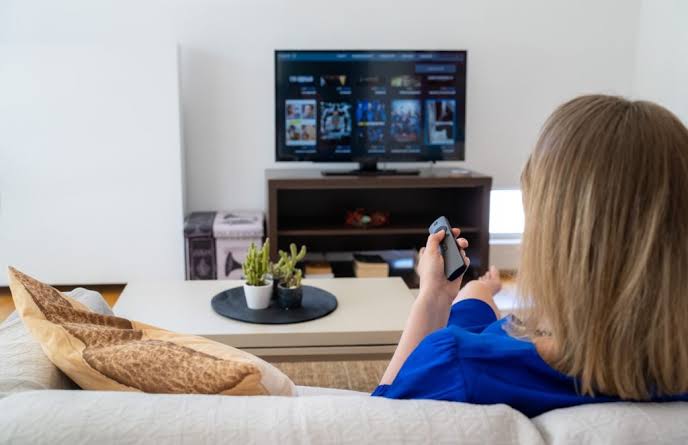
Introduction to Smart TVs
The evolution of television technology has reached a pivotal point with the advent of smart TVs, a term that signifies a new class of televisions that integrate advanced computing capabilities with traditional viewing experiences. A smart TV is essentially a television set that connects to the internet, providing users access to streaming services, social media, and interactive applications, thereby transforming the way audiences consume content.
Unlike conventional televisions that primarily functioned as devices for viewing broadcasted channels, smart TVs are equipped with built-in operating systems that allow for the installation of various applications. This feature enables users to stream content from popular platforms such as Netflix, Hulu, and YouTube, among others. Furthermore, the integration of internet connectivity means that users no longer need separate devices, like gaming consoles or media players, to access digital content, creating a more streamlined entertainment experience.
Aside from streaming capabilities, smart TVs often incorporate features such as voice control, personalized content recommendations, and even the ability to connect with other smart home devices. This interconnectedness promotes a unified ecosystem where users can control various aspects of home entertainment through a single device. As a result, smart TVs deliver not only traditional television programming but also an extensive range of multimedia entertainment options that cater to diverse viewing preferences.
In summary, smart TVs represent a significant advancement in home entertainment technology, merging traditional television services with internet-based capabilities. Their ability to offer a comprehensive viewing experience positions smart TVs as central to the modern entertainment landscape, appealing to tech-savvy consumers who seek both functionality and versatility in their media consumption habits.
Evolution from Traditional TVs to Smart TVs
The journey of television technology has been nothing short of transformative, reflecting broader trends in technology and consumption. Traditional televisions, characterized by bulky cathode ray tube (CRT) designs, began to take root in the mid-20th century. These models, while revolutionary at the time, were largely limited by their size and display capabilities. The introduction of color television in the 1960s marked a significant milestone, enriching visual experiences but still relying heavily on analog broadcasting.
As demand for an improved viewing experience grew, the 1990s ushered in the flat screen era. Technologies such as Liquid Crystal Display (LCD) and Light Emitting Diode (LED) made televisions lighter and more visually captivating. This transition from rounded to flat screens not only enhanced aesthetics but also allowed for larger display sizes that integrated better into home environments. It was during this time that high-definition (HD) quality started to gain prominence, pushing manufacturers to enhance resolution and screen fidelity.
The real game-changer, however, came in the late 2000s with the advent of smart TVs. These devices seamlessly integrated internet connectivity with traditional TV functionalities, paving the way for new forms of entertainment consumption. Smart TVs enabled viewers to stream content from platforms like Netflix and YouTube, access apps, and engage in interactive experiences. Moreover, advancements in voice control and smart home integration quickly positioned smart TVs as central hubs of modern digital ecosystems.
In summary, the evolution from traditional televisions to smart TVs showcases a remarkable progression driven by technological innovation. Each phase in this timeline contributed to shaping the home entertainment landscape, ultimately leading to the highly interactive and versatile viewing experiences enjoyed today.
Enhanced Viewing Experience
The evolution of smart TVs has brought significant enhancements to the home entertainment sector, ultimately transforming the traditional viewing experience into an immersive journey. Crucial to this transformation are the high-definition displays that smart TVs offer. With resolutions reaching up to 4K and even 8K, viewers can enjoy increased clarity, vibrant colors, and rich detail, which are pivotal in creating a captivating visual experience.
Moreover, the incorporation of advanced technologies such as HDR (High Dynamic Range) allows for more authentic color representation and contrast, making scenes appear more lifelike. This shift from standard definition to high-definition viewing has not only pleased consumers, but it has significantly raised their expectations regarding picture quality. A study by industry analysts shows that the demand for high-resolution content has surged, leading popular streaming services to prioritize 4K content in their offerings.
In addition to visual enhancements, smart TVs have integrated improved sound systems, adding another layer to the immersive viewing experience. With features such as Dolby Atmos and built-in soundbars, modern smart TVs provide a surround-sound experience that effectively encapsulates the audience, allowing them to engage more fully with the content being watched. This auditory upgrade has contributed to higher consumer satisfaction, as viewers no longer need to invest heavily in external audio setups to achieve an engaging sound experience.
Another remarkable aspect of smart TVs is their user-friendly interfaces, designed to streamline navigation and enhance accessibility. Intuitive menu layouts, quick access to streaming applications, and voice control capabilities are just a few examples of how smart TVs have made it easier for consumers to enjoy their favorite content. As a result, the overall entertainment immersion has significantly improved, giving rise to a new standard in home viewing.
Streaming Services and Smart TVs
The emergence of streaming services has significantly reshaped the home entertainment landscape, fundamentally altering the way viewers access content. Platforms like Netflix, Hulu, and Amazon Prime Video have become central to the functionality of smart TVs, allowing users to stream their favorite shows and movies directly from their television sets. This shift toward digital consumption has played a crucial role in the increasing popularity of smart TVs, making the traditional cable subscription model appear less appealing.
As consumers gravitate towards on-demand entertainment, streaming services provide unparalleled flexibility and variety. Unlike traditional cable services that often require lengthy contracts, streaming platforms offer monthly subscriptions that can be canceled at any time. This flexibility caters to modern viewing habits, where viewers prefer to watch what they want when they want it, without being tethered to a fixed schedule. Consequently, many households have opted to cut the cord, leading to a decline in traditional cable subscriptions.
Moreover, the integration of streaming services into smart TVs has made accessing these platforms more seamless. Users can easily navigate through multiple applications on their television without needing additional devices, enhancing the overall user experience. The availability of exclusive content on streaming platforms—such as original series and documentaries—has further fueled this trend, as audiences seek unique programming unavailable through conventional channels. As a result, smart TVs have not only become a gateway to a diverse array of content but also a symbol of a broader cultural shift towards online streaming.
In summary, streaming services have played a pivotal role in promoting the adoption of smart TVs. With the increasing weight of digital platforms in viewing habits and the decline of traditional cable, it is clear that the future of home entertainment is steadily aligned with the capabilities that smart TVs offer.
Smart Home Integration
Smart TVs have fundamentally transformed the landscape of home entertainment by establishing seamless integration with various smart home devices. This capability not only enhances the user experience but also creates an interconnected ecosystem that promotes convenience and ease of use.
One of the most notable features of smart TVs is their ability to synchronize with other smart devices in the home, such as smart speakers, security cameras, and lighting systems. This connectivity allows users to control multiple devices through a single interface, streamlining daily activities. For instance, with a few simple voice commands, users can turn on their smart TV, adjust their home lighting, or access their favorite streaming services, all without needing to navigate through multiple remotes or applications.
Furthermore, the integration of voice control technologies into smart TVs makes the viewing experience particularly user-friendly. Many smart TVs are equipped with virtual assistants, enabling users to change channels, search for content, or even browse the internet by simply speaking. This hands-free interaction is especially advantageous during multitasking or when one is occupied with other activities.
Remote access is another significant benefit brought about by smart TVs’ integration capabilities. Users can control their television and other connected devices from anywhere within their home or even when they are away. This is particularly useful for adjusting settings, switching on the TV before arriving home, or monitoring security feeds while watching a favorite show. Overall, the combination of voice control, device synchronization, and remote access significantly enriches the home entertainment experience, making smart TVs an essential component of modern smart homes.
Content Accessibility and Customization
The advent of smart TVs has revolutionized the landscape of home entertainment by significantly enhancing content accessibility and customization options. Today’s smart TVs allow users to instantly stream a vast array of content from multiple platforms, making it easier than ever to enjoy movies, shows, and live events. This shift from traditional cable television to internet-based options has provided viewers with a diverse library of content that can be tailored to their individual tastes.
One key feature of smart TVs is the capability for personalized recommendations. Leveraging data analytics and algorithms, these devices analyze viewing habits and preferences to suggest content that resonates with the viewer. Users no longer have to sift through countless options; instead, the smart TV presents curated lists based on their previous choices, improving the overall viewing experience. This feature not only saves time but also encourages exploration of new genres and formats that users may not have considered otherwise.
Additionally, user profiles have emerged as a valuable tool for customization on smart TVs. By allowing multiple family members to create individual profiles, each user can receive personalized recommendations, manage their watchlists, and maintain distinct viewing histories. This level of customization ensures that all household members can enjoy their preferred content without interference from others’ selections. Furthermore, users can download a variety of apps specific to their interests, whether they prefer streaming services, gaming platforms, or social media. Each app adds to the richness of the content ecosystem accessible via a single device.
Overall, smart TVs have transformed the home entertainment experience, offering unprecedented access to diverse content while providing customization features that align with individual preferences. The integration of personalized recommendations, user profiles, and app downloads has created a more engaging and user-friendly environment for viewers, showcasing how technology continues to enhance entertainment options at home.
Impact on Social Interactions
The advent of smart TVs has revolutionized not only media consumption but also the ways individuals engage with each other. Traditionally, watching television or movies was a solitary or family-centered activity; however, the emergence of smart TVs equipped with internet connectivity and various interactive features has transformed this dynamic into a more socially engaging experience.
One significant enhancement is the integration of social media sharing functionalities. Users can now share their viewing experiences in real-time through platforms like Facebook or Twitter, creating a shared narrative around content. This capability fosters deeper connections as individuals discuss their favorite shows, share reactions, and even recommend specific episodes, resulting in enhanced interactions between friends and family members, irrespective of geographical distances.
Furthermore, smart TVs offer multiplayer gaming options that allow multiple users to engage in gaming experiences from their respective homes. These features not only encourage competition but also promote teamwork and collaboration among players, thus building stronger bonds. Gamers can interact through voice calls or video chats as they play, further enriching their communication and connection with one another.
Additionally, the rise of virtual watch parties has become a prominent fixture of modern home entertainment. Several streaming platforms have introduced features that allow friends and family to watch the same content simultaneously while sharing live reactions and comments through chat functions. This practice mimics the communal aspects of traditional movie watching but in a more dynamic and flexible environment, thus redefining social gatherings.
In conclusion, smart TVs have significantly impacted social interactions by enabling a multi-faceted approach to engagement with both media and individuals. This evolution signifies a shift toward more integrated and communal viewing experiences, fostering relationships amid the digital age.
Future Trends in Smart TVs
The landscape of smart TVs continues to evolve, driven by rapid technological advancements and changing consumer preferences. One of the most significant trends anticipated in the coming years is the integration of artificial intelligence (AI) within smart TV systems. AI is poised to enhance user experience through personalized content recommendations, voice recognition capabilities, and advanced user interfaces that adapt to individual viewing habits. As smart TVs become more intelligent, users will benefit from increasingly tailored content delivery, making their entertainment experience more engaging and user-friendly.
Another exciting frontier lies in the development of augmented reality (AR) features. Imagine watching a sports event where real-time statistics and player information overlay the live game, providing audiences with an interactive experience like never before. As AR technology matures, smart TVs will likely incorporate these features, transforming passive viewing into an immersive and interactive activity. This integration could create new formats of storytelling, where viewers actively participate in the content, effectively blurring the lines between traditional television and video gaming.
Furthermore, advancements in display technology are set to redefine how content is consumed. Innovations like OLED and MicroLED are paving the way for brighter displays with superior color accuracy and deeper contrast ratios. These technologies not only enhance visual quality but also reduce energy consumption, appealing to environmentally conscious consumers. As resolution capabilities increase, from 8K and beyond, the demand for richer and more detailed visuals will continue to rise, pushing manufacturers to innovate further.
In conclusion, the future of smart TVs is indicative of a more integrated, personalized, and visually stunning home entertainment experience. With the rise of AI, AR, and enhanced display technologies, consumers can expect significant shifts in how they interact with television content. The continual evolution of smart TVs promises to change home entertainment dynamics, making viewing experiences richer and more engaging than ever before.
Conclusion
As technology continues to evolve, the introduction of smart TVs has undeniably transformed home entertainment. This evolution has redefined how consumers engage with their media, offering an unprecedented level of convenience and access. Smart TVs integrate internet connectivity, allowing users to stream content directly from various platforms, such as Netflix, Hulu, and others, without the need for additional devices. This capability has significantly altered viewing habits, promoting a shift from traditional broadcast television to on-demand content consumption.
Moreover, the interaction with smart televisions has become more intuitive, with features like voice control and personalized recommendations making it easier for users to discover and enjoy content that resonates with their preferences. The emphasis on user experience has not only enhanced the enjoyment of entertainment but has also led to an increase in screen time and a diversification of the types of content consumed.
These advancements are changing consumer behavior, as more viewers prioritize flexibility and variety in their entertainment choices. Families are spending more time together in front of their smart TVs, engaging in activities that range from binge-watching popular series to playing interactive games. In addition, the rise of social media integration has allowed users to share their viewing experiences in real-time, fostering a sense of community around shared interests.
In conclusion, smart TVs have significantly impacted how entertainment is consumed at home. The ongoing changes in consumer behavior indicate a clear trend towards more interactive, personalized viewing experiences, reflecting the broader transformation of media consumption in the digital age. As smart technology continues to advance, it is likely that the home entertainment landscape will continue to evolve, bringing forth new and exciting developments that enhance the way we engage with media.