

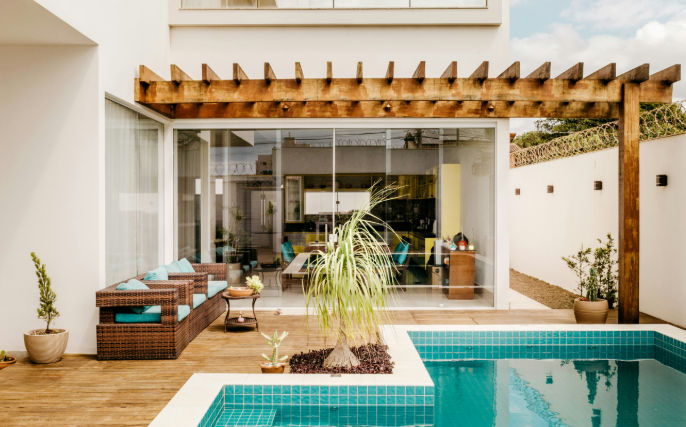
Introduction to Summer Outdoor Design
As the warm months approach, the significance of outdoor spaces becomes increasingly apparent. Summer invites individuals and families to embrace nature, unwind, and revel in the joys of outdoor living. A well-designed outdoor area can significantly enhance not only comfort and aesthetics but also functionality, allowing homeowners to make the most of their surroundings.
The design of outdoor spaces during summer plays a crucial role in maximizing enjoyment. It goes beyond mere decoration and includes thoughtful considerations on how these areas can serve varied purposes—from hosting social gatherings to providing private retreats for relaxation. It is essential to create inviting environments that facilitate outdoor activities while reflecting personal style.
When planning an outdoor space, several factors come into play, including layout, furniture selection, and the integration of elements such as lighting and landscaping. Choosing the right materials and color schemes can elevate the overall atmosphere, making it welcoming and visually pleasing. Additionally, incorporating shade structures, such as pergolas or umbrellas, is vital for comfort during hot summer days, promoting longer usage of these spaces.
Moreover, outdoor design can enhance the functionality of a space by introducing amenities that cater to various needs. Features like outdoor kitchens, fire pits, and seating arrangements encourage gatherings, while gardens or green spaces contribute to relaxation and enjoyment of nature. Implementing design strategies that prioritize comfort, aesthetics, and utility will help individuals and families create spaces that not only meet their requirements but also allow them to fully appreciate the beauty of summer.
Creating a Cozy Outdoor Living Area
Designing a cozy outdoor living area can significantly enhance the enjoyment of your home during the summer months. The focal point of any outdoor space should be comfortable furniture that promotes relaxation and social interactions. Consider incorporating lounge chairs, a sectional sofa, or even a hammock to create a welcoming atmosphere. Upholstered furniture with weather-resistant fabrics ensures durability while allowing you to relax comfortably beneath the summer sun.
In addition to seating, incorporating shade options is essential for maintaining a pleasant environment. Pergolas, awnings, or large umbrellas can provide shelter from direct sunlight, allowing you to enjoy your outdoor living room throughout the day. Plants and greenery can also serve as natural shade while adding aesthetic appeal. Climbing plants and tall shrubs can be strategically placed to create a sense of privacy and enclosure, turning your outdoor area into a secluded retreat.
Thoughtful layouts are crucial when designing an outdoor living space. Arrange your furniture in a manner that encourages conversation and interaction, while maintaining easy access to any amenities, like a grill or a fire pit. Use area rugs to delineate different sections of the space, enhancing comfort and style. Lighting plays a key role too; incorporating string lights or lanterns can create a warm ambiance during evening gatherings. Outdoor living areas should serve as an extension of your home—spaces intended not only for relaxation but for memorable social gatherings with family and friends. The combination of comfortable furniture, effective shading, and a well-planned layout will help you achieve a cozy outdoor living area that can be enjoyed all summer long.
Incorporating Shade Solutions
As summer approaches, the need for comfortable outdoor spaces becomes paramount. To create a pleasant environment, incorporating shade solutions into your home design is essential. These features not only enhance aesthetics but also provide relief from the harsh sun, making outdoor areas enjoyable during the hottest months.
One popular option is the pergola, an outdoor structure that supports climbing plants and provides a partially shaded area. Personalizing a pergola with vines or drapes can create a serene retreat, allowing fresh air to flow while filtering sunlight. Additionally, pergolas can serve as a stylish focal point in your garden or patio, blending functionality with design.
Awnings are another effective solution for shade. These retractable coverings can be installed over windows, patios, or decks, providing instant protection from the sun. They offer the added benefit of reducing indoor temperatures and minimizing glare, making your living space more comfortable. Various fabrics and colors are available, allowing homeowners to choose an option that complements their overall design aesthetic.
For flexibility, umbrellas are an excellent choice for shading outdoor dining areas or lounging spaces. They come in various sizes and styles, making them versatile options that can be easily relocated to suit changing needs. A market umbrella with a sturdy base is ideal for dining tables, while a cantilever umbrella can provide shade for larger outdoor sitting areas without obstructing views or space.
Incorporating these shade solutions not only enhances outdoor comfort but also encourages homeowners to make the most of their outdoor spaces throughout the summer months. By providing protection from harmful UV rays, these features contribute to a more enjoyable experience outdoors, ensuring that your summer gatherings are as pleasant as possible.
Creating Inviting Outdoor Dining Spaces
Designing an appealing outdoor dining area requires careful consideration of various elements. A primary focus should be the choice of dining table and chairs, as these will set the tone for the space. Opt for furniture that is both durable and aesthetically pleasing, as outdoor conditions can be harsh. Materials such as teak, eucalyptus, or powder-coated aluminum are excellent choices due to their weather resistance. Size is another crucial factor; ensure that the table is proportionate to the available space and allows for comfortable movement around it.
Another key aspect of outdoor dining design is lighting. Effective lighting can transform your dining area into a cozy retreat during evening gatherings. Consider a combination of overhead fixtures like string lights or lanterns, along with soft ground lighting to create an inviting atmosphere. For larger areas, installing a pendant light or chandelier above the dining table not only provides essential illumination but also serves as a striking focal point.
Additionally, the proximity of the outdoor dining space to the kitchen should not be overlooked. Establishing a seamless connection between the two areas enhances convenience, allowing for stress-free serving and clearing of dishes. If possible, design the layout so that the outdoor dining area is just steps away from the kitchen entrance. This arrangement will facilitate the flow of meals and drinks, ultimately enriching the outdoor dining experience.
Furthermore, incorporating elements like shade or windbreaks can significantly increase comfort levels in your dining area. Options such as pergolas, awnings, or large umbrellas allow you to enjoy meals even during the hotter parts of the day. By paying attention to these details, you can create a delightful outdoor dining area that makes the most of the summer season.
Landscaping and Plant Selection
Creating an inviting outdoor space requires thoughtful landscaping and careful plant selection. Effective landscaping integrates beautifully with outdoor living areas, ensuring that design elements work cohesively to enhance the overall ambiance. One of the primary goals of landscaping is to create a seamless transition between the interior and exterior spaces, providing a natural flow that allows for relaxation and leisure.
When considering suitable plants for summer aesthetics, it is beneficial to focus on those that thrive in warmer climates while adding visual interest. Perennials such as coneflowers, black-eyed Susans, and daylilies are excellent choices, as they provide vibrant blooms throughout the summer months. Incorporating a mix of ornamental grasses can also add texture and movement, contributing to a dynamic landscape. Additionally, utilizing flowering shrubs such as hydrangeas and butterflies bush will further enhance the visual appeal, offering a colorful backdrop for outdoor gatherings.
Maintenance considerations are crucial when selecting plants for your landscape. Choose drought-resistant varieties to minimize water usage during the hot summer months. Native plants are often the most suitable choice, as they are already adapted to the local climate and require less maintenance compared to exotic species. Moreover, mulch can be effectively employed to retain soil moisture and suppress weeds, reducing the time spent on garden upkeep. Regular deadheading of flowers and strategic pruning will ensure that plants remain healthy and visually appealing throughout the season.
Ultimately, well-executed landscaping and thoughtful plant selection contribute significantly to creating an inviting atmosphere for outdoor living spaces. By considering aesthetics, maintenance, and plant suitability, homeowners can design beautiful landscapes that enhance their summer experience while fostering a harmonious relationship with nature.
Water Features for Serenity
Incorporating water features into outdoor design not only enhances the aesthetic appeal of a property but also profoundly impacts the ambiance and usability of the space. Fountains, ponds, and swimming pools serve as inviting elements that promote relaxation and offer a cooling effect during the warm summer months. The soothing sounds of flowing water can create tranquil environments, providing an escape from the hustle and bustle of daily life.
A well-designed water feature can significantly enhance your outdoor space, making it an ideal spot for unwinding after a long day. The gentle splashes and ripples of water foster a serene atmosphere, encouraging peaceful contemplation and connection with nature. Furthermore, these features can become focal points in landscaping, drawing the eye and serving as conversation starters during social gatherings.
From a practical perspective, water features can also attract wildlife, including birds and butterflies, enriching the ecosystem of your garden. These elements create habitats that not only support local wildlife but also provide opportunities for observation and enjoyment. By introducing native plants around ponds or using fountains that mimic natural spring water, homeowners can attract a diverse array of species.
Moreover, water features can contribute to more than just the aesthetic and ecological benefits; they can also have a cooling effect on the surrounding area. The process of evaporation from pools or ponds can lower temperatures, making outdoor spaces more comfortable and enjoyable during the hottest days of summer.
Ultimately, integrating water features into your outdoor home design is not just about visual appeal. It is an opportunity to transform your yard into a serene sanctuary that enhances relaxation, attracts wildlife, and provides much-needed respite from the summer heat.
Outdoor Lighting Techniques
Outdoor lighting is a crucial component in enhancing the functionality and aesthetics of outdoor spaces, particularly during the summer months. Properly designed lighting can create an inviting atmosphere that encourages extended enjoyment of patios, gardens, and backyards well into the evening hours. With the right techniques, homeowners can transform their outdoor areas into charming retreats for entertaining or relaxation.
One popular outdoor lighting option is string lights. These versatile lights can be draped across patios, wrapped around trees, or positioned along walkways to create a whimsical ambiance. String lights are available in various styles, from classic incandescent bulbs to energy-efficient LED options, allowing homeowners to choose lighting that complements their design style while being environmentally friendly. Their soft illumination can evoke a cozy, inviting mood, perfect for summer gatherings or quiet evenings outdoors.
Another excellent choice for outdoor lighting involves lanterns. Portable lanterns can add both functionality and charm, providing light where necessary while also serving as decorative elements. They can be placed on tables, hung from hooks, or strategically positioned around the space for a more dynamic lighting effect. Battery-operated or solar-powered lanterns offer convenience and ease of use, eliminating the need for wiring, which can complicate outdoor design.
Built-in installations, such as wall sconces or in-ground lights, present another sophisticated approach to outdoor lighting. These fixtures can be strategically mounted to highlight architectural features or illuminate pathways, ensuring safety while enhancing the outdoor aesthetic. Additionally, recessed lighting can draw attention to outdoor living spaces like decks or patios, creating a seamless outdoor experience. By integrating various lighting techniques and fixtures, homeowners can establish an enchanting atmosphere that extends their enjoyment of outdoor spaces throughout the warm summer nights.
Sustainable Outdoor Design Tips
Embracing sustainable outdoor design not only enriches your home environment but also contributes positively to the ecosystem. By utilizing eco-friendly materials and making conscious choices in landscaping, homeowners can create stunning outdoor spaces that align with green principles. One effective approach to sustainable outdoor design is the selection of materials that are renewable or recycled. For instance, opting for bamboo decking or reclaimed wood can significantly reduce the carbon footprint associated with construction. Additionally, paving stones made from recycled concrete are durable and environmentally friendly, making them an excellent choice for patios or walkways.
Plant selection is another crucial aspect of sustainable outdoor design. Native plants are ideal for landscaping as they require less water and maintenance while promoting local biodiversity. Incorporating drought-resistant plants can also significantly enhance water conservation efforts. Furthermore, designing a garden that relies on native species minimizes the need for fertilizers and pesticides, leading to a healthier environment. In combination, these plant selections can create lush outdoor spaces that thrive with minimal intervention.
Energy-efficient solutions, such as solar lighting and rainwater collection systems, further enhance the sustainability of your outdoor space. Solar-powered lights not only illuminate pathways and gardens without drawing from the grid but also reduce energy costs in the long run. On the other hand, implementing rainwater harvesting systems can provide a sustainable water source for irrigation, thereby preserving local water resources. By integrating these energy-efficient solutions into outdoor designs, homeowners can enjoy their spaces while actively promoting eco-friendly practices.
Final Thoughts and Inspiration
As summer approaches, transforming your outdoor spaces into an oasis of tranquility and enjoyment can significantly enhance your home life. The outdoor home design ideas discussed throughout this blog post offer diverse ways to elevate the aesthetic and functionality of your exterior spaces. From creating shaded lounging areas with stylish canopies to incorporating vibrant garden beds that burst into bloom, each idea can bring a unique charm to your home. Additionally, enhancing your patio with elegant furniture that suits your lifestyle can turn your outdoor area into an inviting gathering spot for family and friends.
Personalization is key in outdoor home design. Consider adapting the suggestions provided to match your taste, functionality needs, and the surrounding environment. Customization not only fosters creativity but also adds a personal touch that resonates with your lifestyle. Incorporating elements like water features, outdoor kitchens, or fire pits can further elevate your outdoor experience, making it both relaxing and entertaining.
It is imperative to consider maintenance when you implement these design ideas. Regular upkeep will ensure that your outdoor sanctuary remains vibrant and enjoyable throughout the summer season. Incorporating durable materials and low-maintenance plants can reduce the time spent on maintenance while still allowing you to enjoy a beautiful outdoor environment.
In conclusion, this summer, take the initiative to delve into outdoor design and create spaces that reflect your personality and cater to your enjoyment. As you implement these ideas, let them inspire you to cultivate a unique, alluring environment. With thoughtful design and regular maintenance, your outdoor spaces can become a cherished aspect of your home for many summers to come.