

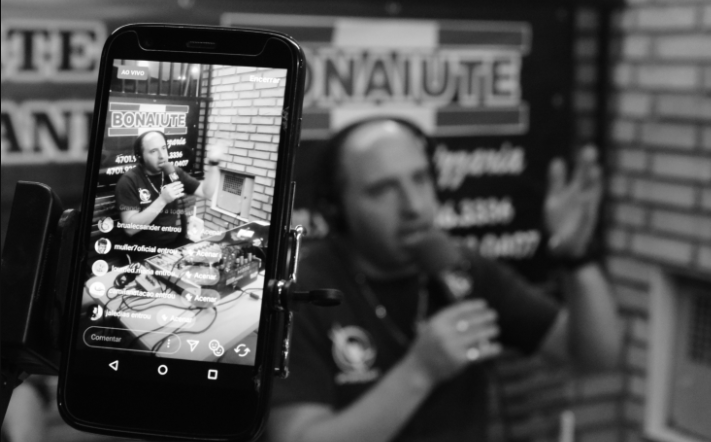
Defining Your Niche
When embarking on the journey of starting a sports podcast, one of the most crucial steps is to define your niche within the expansive world of sports. The podcast landscape is vast, and a well-defined niche can empower you to target specific listeners, carve out a unique space, and establish your authority in a particular area of interest.
Choosing a niche involves understanding what resonates with your target audience. Consider the various sports topics that are The Importance of Chemistry in Daily Lifecurrently trending, the sports cultures in your community, or even underserved segments of the market. For example, you might decide to focus on a particular sport, such as basketball or soccer, or you could concentrate on local sports teams that attract passionate fan bases. By honing in on a specific sport or local team, you can build a loyal audience eager for content tailored to their interests.
Moreover, niche topics like sports analytics, athlete interviews, or sports history can also provide fresh perspectives that differentiate your podcast from others. Many listeners appreciate in-depth discussions on analytical aspects of the game or historical context surrounding significant sports events; these topics can engage a dedicated listener base seeking deeper insights. Identifying the intersection between your passions and your audience’s interests will ultimately guide you in crafting compelling content.
In this regard, researching potential competitors can provide valuable insights. Analyze existing podcasts that align with your interests and examine the types of content they produce. This analysis can reveal gaps in the market, equipping you to tailor your show in a way that fills those voids while catering to your audience’s unique needs.
Creating a Content Plan
Developing a structured content plan is pivotal for any sports podcast aspiring for success. This plan serves as a roadmap, guiding the host through episode topics and ensuring a coherent flow throughout the series. Start by brainstorming episode ideas that resonate with your target audience. Consider trending topics in the sports world, notable events, and emerging athletes to stimulate discussions that engage listeners.
Incorporating interviews can elevate your podcast. When planning these segments, identify potential guests such as sports analysts, local coaches, or even athletes. Prepare a list of questions that not only delve into their experiences but also provoke thoughtful discussions, thereby enriching the content. This approach also provides listeners with varied perspectives, enhancing their overall experience.
Consistency is fundamental in podcasting. Establishing a posting schedule can help in maintaining listener interest and creating anticipation for new episodes. Depending on your capacity, you might aim for a weekly release, ensuring that the content remains fresh without overwhelming yourself. It is crucial to stick to this schedule as much as possible; however, be open to adjusting based on listener feedback and emerging topics in the sports landscape.
Variety is another essential element in keeping your content engaging. Explore different formats such as roundtable discussions, solo commentary, or fan Q&A sessions. By varying your approach, you will cater to diverse listener preferences, thus expanding your audience. Ultimately, a well-thought-out content plan, designed with clarity and creativity, will help in cultivating a loyal listener base, enabling your sports podcast to thrive in a competitive landscape.
Choosing the Right Equipment and Software
When embarking on the journey of creating a sports podcast, selecting the appropriate equipment and software is crucial for delivering high-quality audio content that captures your audience’s attention. The main components you will need include microphones, headphones, audio interfaces, and recording/editing software.
Starting with the microphone, it is important to choose one that suits your recording environment. Dynamic microphones, such as the Shure SM58 or the Audio-Technica ATR2100x, are often recommended for beginners due to their affordability and ability to minimize background noise. Conversely, condenser microphones, like the Rode NT1 or the Blue Yeti, are better suited for studio settings where sound quality is paramount. Consider your budget and recording conditions when making your selection.
Headphones are another essential piece of equipment. A good pair will not only help you monitor your audio while recording but also ensure that editing is precise. Look for closed-back headphones, such as the Audio-Technica ATH-M50x or the Sony MDR-7506, which offer excellent sound isolation and clarity. Investing in quality headphones can dramatically improve your overall podcasting experience.
An audio interface is a necessary component if you opt for an XLR microphone. Interfaces, like the Focusrite Scarlett 2i2 or PreSonus AudioBox USB, allow you to connect microphones and instruments to your computer, enhancing the audio quality further. If you prefer a simpler setup, USB microphones can bypass the need for an audio interface entirely.
For recording and editing your podcast, consider software options that cater to your needs and skill level. Budget-friendly choices include Audacity and GarageBand, which offer user-friendly interfaces and essential editing tools. As you progress and seek more advanced features, DAWs such as Adobe Audition or Logic Pro X may become appealing.
Ultimately, the right combination of equipment and software will help you create professional-sounding episodes that engage your listeners and elevate your sports podcast to new heights.
Preparing for Recording
Preparing for the recording of a sports podcast is a pivotal step in ensuring that the final product resonates with the audience. A well-structured and organized preparation phase can significantly improve the quality of the content delivered. One of the first tasks is to write scripts or outlines. These documents serve as a framework for each episode, helping the host to stay focused on the topic at hand while also ensuring that all vital points are covered. This strategy increases the flow of conversation and provides clarity to listeners.
Rehearsing key points is another essential aspect of preparation. By practicing delivery, hosts can fine-tune their verbal performance, making it more engaging. This rehearsal may include speaking aloud or even recording practice segments to identify areas that require improvement. Articulating thoughts in a clear and concise manner is critical in maintaining audience interest, especially in a medium where listeners often multitask.
Moreover, conducting pre-interviews with guests or co-hosts is invaluable. This preparatory step helps in building rapport and allows the host to gather insights that can enrich the discussion. Thoughtful and well-planned pre-interviews can lead to a more dynamic and knowledgeable exchange during the actual recording. Understanding the guest’s perspective enables the host to pose pertinent questions that will captivate the audience.
Finally, setting up a suitable recording environment should not be overlooked. A quiet space with minimal distractions is crucial for producing high-quality audio. Proper equipment, such as microphones and headphones, should be tested in advance to ensure optimal sound quality. Attention to these details not only enhances the overall listening experience but also reflects professionalism.
Recording and Editing Your Episodes
To successfully record a sports podcast, beginning with the right equipment is essential. Investing in a quality microphone ensures clear audio, which is crucial for maintaining listener engagement. Additionally, using headphones while recording will help monitor your audio input and eliminate unwanted noise during the process. It is also advisable to select a quiet space for recording to minimize background noise, enhancing the overall audio quality.
Once you have set up your recording environment, familiarize yourself with your recording software. Popular programs such as Audacity or Adobe Audition can facilitate a smooth recording experience. Be sure to conduct a test run before your actual recording to check levels, background noise, and the overall clarity of your audio. Adjusting settings such as gain and volume during this test will help you achieve optimal sound quality.
After recording, the editing phase will play a crucial role in finalizing your podcast episode. Begin by listening to the entire audio file and note sections that may require cutting or splicing. Editing software allows you to remove long pauses, interruptions, or mistakes that could detract from the listener’s experience. You may also choose to enrich your podcast with sound effects or background music, which can create a more immersive experience. Ensure sound effects complement the discussion without overpowering the dialogue.
Another aspect to consider during editing is the incorporation of interviews or guest segments. If you’ve conducted interviews separately, software allows you to splice these recordings into your main episode seamlessly. Remember to check volume levels and audio consistency when integrating additional audio tracks to maintain a professional sound throughout your podcast.
Publishing Your Podcast
Publishing your podcast effectively is a critical step in reaching your desired audience and ensuring your content is discoverable. The first important decision is selecting a reliable podcast host. A good hosting service will not only store your audio files but will provide you with the necessary tools to distribute your podcasts efficiently across various platforms like Apple Podcasts, Spotify, and Google Podcasts. Features to consider include storage limits, bandwidth, analytics, and customer support.
Once you have chosen a host, the next essential element is creating show notes. Show notes serve as a summary of each episode, providing listeners with an overview of what to expect. They should include the title of the episode, a brief synopsis, and relevant links, such as social media handles or web pages mentioned in the podcast. Additionally, highlight key quotes or insights from the discussion. Not only do show notes enhance the listener’s experience, but they also improve SEO and help search engines index your podcast properly.
Setting up an RSS feed is another crucial step for publishing your podcast. This feed allows podcast directories to access your episodes automatically. Most podcast hosting platforms will provide you with an RSS feed as part of their service. Ensure that your feed is correctly formatted and includes relevant metadata, such as episode titles, descriptions, and the category of your podcast. Proper metadata significantly boosts your podcast’s discoverability by allowing potential listeners to find your content based on their interests. Moreover, including keywords related to your podcast’s theme can enhance your visibility in podcast directories.
Marketing Your Sports Podcast
When it comes to promoting your sports podcast, effective marketing strategies are crucial to expanding your listener base and ensuring the podcast’s longevity. Engaging with various platforms and communities can significantly boost your visibility and reach.
Utilizing social media platforms should be among your primary strategies. Create dedicated accounts on popular networks such as Twitter, Facebook, Instagram, and TikTok to interact with your audience. Share engaging posts that highlight key moments from your episodes, previews of upcoming content, and behind-the-scenes snapshots that bring your listeners closer to your podcast. Utilizing targeted hashtags relevant to sports and podcasting can also enhance the discoverability of your posts.
Collaborating with other podcasters in the sports niche can be an effective way to tap into established audiences. Consider guest appearances on their shows or inviting them to yours. This not only allows you to share insights and experiences but also encourages cross-promotion, helping both parties gain visibility. Leveraging the existing relationships of fellow podcasters can be mutually beneficial, as listeners are often inclined to explore more content from hosts they already enjoy.
Engaging with sports communities, both online and offline, plays a vital role in building a listener base. Participate in forums, attend local sports events, and connect with sports enthusiasts on platforms like Reddit or Discord. By consistently joining discussions, sharing your expertise, and showcasing your podcast, you can develop a community that eagerly anticipates your episodes.
Additionally, leveraging email marketing can be an instrumental tool for podcast promotion. Building an email list through your podcast’s website allows you to send newsletters, episode updates, and tailored content directly to engaged listeners. This personalized communication fosters a loyal audience that is more likely to engage with your podcast regularly.
Engaging with Your Audience
Creating a successful sports podcast extends beyond recording and publishing episodes; it requires actively engaging with your audience to foster a sense of community. One effective method to achieve this is through social media platforms. By establishing a presence on Twitter, Instagram, and Facebook, you can share updates, behind-the-scenes content, and engaging polls that invite listeners to participate in discussions. Such interactions not only keep your podcast at the forefront of your audience’s mind but also encourage them to share their opinions and experiences related to your podcast topics.
In addition to social media engagement, encouraging listener feedback is pivotal in building a loyal audience. Consider creating an email address specifically for listener comments or incorporating voicemail capabilities, allowing fans to submit questions or share their take on recent episodes. Including listener contributions in your show, such as answering questions or acknowledging comments, creates a collaborative atmosphere and makes your audience feel valued.
Hosting live events can significantly enhance audience engagement as well. Whether through live podcast recordings, Q&A sessions, or sports-related meet-ups, these events offer listeners an opportunity to interact with you in real time. This not only humanizes the podcasting experience but also strengthens the bond between you and your audience. During these events, you can solicit feedback on future topics or merchandise, ensuring your content remains relevant and appealing to your listeners.
Incorporating regular interactive segments into your podcast, such as games or listener contests, serves as another effective tactic. This not only entertains but also motivates listeners to engage actively with your content. By fostering such diverse avenues for engagement, you will enhance the listener experience and cultivate a dedicated community around your sports podcast.
Evaluating and Improving Your Podcast
To ensure the ongoing success of a sports podcast, it is vital to regularly evaluate its performance. Key metrics can provide a clear picture of how well the podcast is performing and where improvements can be made. Metrics to consider include listener growth, engagement rates, and audience retention. Monitoring these statistics can help identify trends in listener behavior as well as the overall health of the podcast.
Listener growth can be measured through subscriber counts and downloads per episode. Rapid growth in these areas often signals that the podcast is resonating with its audience. Engagement rates, on the other hand, can be gauged through social media interactions, comments, and reviews. High levels of audience interaction not only indicate interest but also provide insightful feedback regarding the content being produced.
Gathering listener feedback is another essential strategy for continuous improvement. Surveys or direct engagement on social media platforms can assist in understanding what listeners appreciate most about the podcast and what they would like to see changed. This kind of feedback is invaluable in shaping future episodes and content direction, ultimately enhancing listener satisfaction.
Additionally, staying informed about industry trends plays a crucial role in the podcast’s evolution. Engaging with other podcasters, attending industry events, and consuming relevant content can introduce new ideas and approaches, ensuring that the podcast remains competitive and appealing. By integrating elements that resonate with current industry standards and audience preferences, podcasters can keep their content fresh and engaging.
In conclusion, evaluating podcast performance through various metrics and actively seeking improvement through listener feedback and awareness of industry trends are key components of a successful sports podcast. By adopting a proactive approach to assessment and enhancement, podcasters can foster an engaged audience and sustain long-term success.