

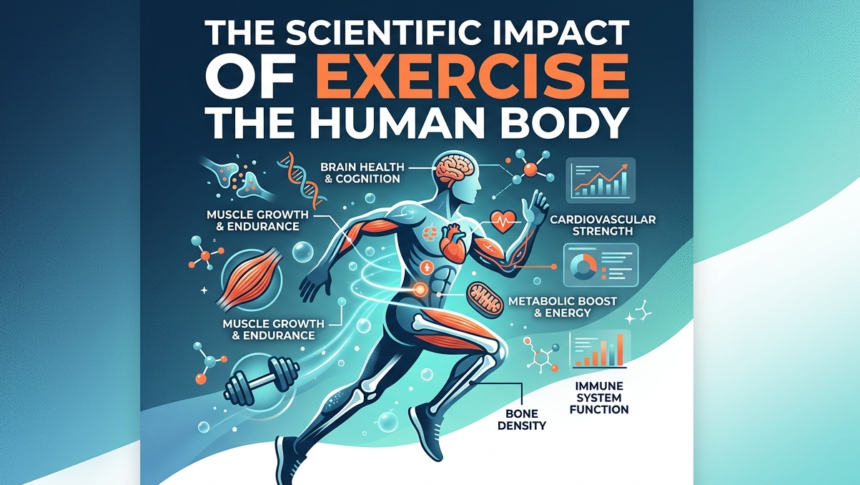
Introduction to Exercise and Its Importance
Exercise can be broadly defined as any bodily activity that enhances or maintains physical fitness and overall health. It includes a wide array of activities, ranging from structured workouts such as weightlifting or aerobic classes to unstructured movements like walking or playing sports. This flexible definition allows exercise to encompass diverse practices, making it accessible to individuals regardless of age, fitness level, or lifestyle.
The significance of exercise extends far beyond mere physical appearance or weight management; it plays a critical role in fostering well-being and longevity. Engaging in regular physical activity is a key component of a healthy lifestyle, effectively preventing a myriad of diseases, including heart disease, diabetes, and certain types of cancer. Furthermore, it contributes to improved mental health by reducing symptoms of anxiety and depression while enhancing mood and cognitive function.
Beyond its physiological benefits, exercise also serves as a means to improve one’s overall quality of life. It promotes better sleep, increases energy levels, and fosters social connections by providing opportunities for interaction in group classes or recreational activities. As society acknowledges the pressing need for holistic health approaches, the importance of exercise has gained significant attention, leading experts to advocate for its integration into daily routines.
In conclusion, exercise is an indispensable element of a healthy lifestyle, playing a vital role in maintaining overall health, preventing diseases, and enhancing one’s quality of life. Its far-reaching advantages make it essential for individuals seeking to improve their physical, mental, and emotional well-being.
Physiological Changes Induced by Exercise
Exercise brings about significant physiological changes in the human body, both immediately and over the long term. When physical activity begins, one of the first reactions is an increase in heart rate. This adjustment ensures that more oxygenated blood is delivered to the muscles in demand. Alongside an elevated heart rate, the efficiency of blood circulation improves, which is crucial for transporting vital nutrients across various organs and tissues.
As activity progresses, various hormonal responses are triggered. For example, the release of endorphins enhances overall mood and can create feelings of euphoria often referred to as a “runner’s high.” Other hormones, such as adrenaline, are released to provide the body with additional energy and strength to handle increased physical demands. These hormonal changes play a vital role in improving mental health and stress resilience.
Notably, the benefits of exercise extend to several bodily systems. The cardiovascular system becomes more resilient and adaptable due to repeated exposure to physical stress, leading to lower resting heart rates and improved heart efficiency over time. The respiratory system also adapts, exhibiting increased lung capacity and enhanced oxygen uptake, which lends support to sustained physical activity.
Furthermore, regular exercise positively influences the musculoskeletal system, promoting stronger muscles and improved bone density. Over the long haul, individuals who engage in consistent physical activity may notice a decreased risk of chronic conditions, such as heart disease and osteoporosis. In combination, these physiological changes underscore the profound impact of exercise on overall fitness, functioning as a catalyst for both health and wellbeing.
Effects of Exercise on Musculoskeletal System
The musculoskeletal system, composed of muscles, bones, tendons, and ligaments, serves as the framework of the human body, enabling movement and providing support. Engaging in regular exercise plays a critical role in strengthening and conditioning these components, directly impacting overall health and mobility.
One fundamental aspect of how exercise affects muscles is the process known as muscle hypertrophy. This physiological process occurs when muscles are subjected to resistance training, leading to microscopic tears in muscle fibers. As the body repairs these fibers, it increases the size and strength of the muscles. Resistance training, which includes weight lifting and bodyweight workouts, is proven to be particularly effective for this purpose. This type of training not only enhances muscular strength but also improves endurance and functional mobility, making daily activities easier and more manageable.
In addition to muscle conditioning, exercise has significant implications for bone health. Weight-bearing activities, such as walking, running, or resistance exercises, stimulate bone formation and help to maintain or increase bone density. The mechanical load applied during these activities prompts bone remodeling, a process essential for counteracting the natural loss of bone mass that occurs with age. Engaging in regular weight-bearing exercises is crucial for preventing osteoporosis, a condition characterized by weakened bones and an increased risk of fractures.
The importance of sustaining muscle and bone health through exercise cannot be overstated. The positive adaptations in the musculoskeletal system not only improve physical performance but also contribute to a higher quality of life, reducing the likelihood of injury and chronic conditions associated with aging. Incorporating both resistance and weight-bearing exercises into one’s routine is essential for optimizing musculoskeletal health and longevity.
Cardiovascular Benefits of Regular Physical Activity
Engaging in regular physical activity plays a crucial role in promoting cardiovascular health. Exercise strengthens the heart muscle, allowing it to pump blood more efficiently throughout the body. This improved efficiency significantly reduces the risk of developing heart disease, which remains one of the leading causes of mortality worldwide. By engaging in aerobic exercises, individuals can experience notable benefits, including lowered cholesterol levels and reduction in arterial plaque buildup.
One of the primary cardiovascular benefits of regular physical activity is the impact on blood pressure. Exercise helps in regulating blood pressure, often resulting in lower readings for those who participate in consistent aerobic activities. High blood pressure, or hypertension, poses a significant risk factor for cardiovascular complications. Consequently, through regular engagement in activities such as walking, running, or swimming, individuals can manage their blood pressure levels more effectively, contributing to long-term heart health.
Improved circulation is another hallmark of active lifestyles. As one exercises, the heart pumps more robustly, enhancing the flow of oxygen-rich blood to various organs and muscles. This increased circulation not only supports optimal functioning of the cardiovascular system but also aids in lowering the risk of peripheral artery disease. Furthermore, aerobic exercises are shown to improve lung capacity and efficiency, as they require increased oxygen intake and utilization. This not only benefits the lungs but also aids in overall stamina and endurance.
To summarize, incorporating regular physical activity into daily routines can yield substantial cardiovascular benefits. It is imperative to recognize that even moderate exercise contributes positively to heart health, effectively reducing the risk of heart disease, enhancing blood pressure management, and improving overall circulation and lung function.
Impact of Exercise on Mental Health
Engaging in regular physical activity is widely recognized as a vital contributor to overall mental well-being. Exercise has been shown to have various psychological benefits, helping individuals cope with stress and anxiety, thereby improving their quality of life. One of the primary mechanisms through which exercise exerts these effects is the release of endorphins, often referred to as the body’s natural mood elevators. These neurochemicals are known to reduce the perception of pain and promote a sense of euphoria, which can lead to enhanced mood and reduced feelings of depression.
Research indicates that moderate-intensity aerobic exercises, such as cycling, jogging, or swimming, particularly benefit mental health. These activities stimulate the production of endorphins and other neurotransmitters, fostering a positive emotional state. Furthermore, physical activity increases blood flow to the brain, which can enhance cognitive functions such as memory, attention, and problem-solving skills. This improvement in cognitive performance can have profound implications for individuals facing mental health challenges.
Moreover, regular exercise is instrumental in combatting feelings of anxiety and depression. Studies demonstrate that individuals who maintain an active lifestyle often report lower levels of anxiety, alongside an improved ability to manage stress. The meditative qualities of certain forms of exercise, such as yoga and tai chi, contribute to this aspect by promoting mindfulness and relaxation, which are critical components in reducing anxiety symptoms.
In essence, the integration of exercise into one’s daily routine is not merely beneficial for physical health but offers powerful psychological advantages as well. Fostering a habit of engaging in regular physical activity can serve as a proactive approach to enhancing mental health and emotional resilience, enabling individuals to lead more balanced and fulfilling lives.
The Role of Exercise in Weight Management
Exercise plays a critical role in maintaining a healthy weight and managing body composition. One of the most significant ways in which exercise contributes to weight management is through calorie expenditure. When engaging in physical activities, the body utilizes energy, which is measured in calories. Higher levels of physical activity lead to increased caloric burn, contributing to a caloric deficit necessary for weight loss. This process is essential because weight management is fundamentally about balancing energy intake and energy expenditure.
Moreover, regular exercise helps to increase the basal metabolic rate (BMR), which is the number of calories the body burns at rest. A well-structured exercise regimen, particularly one that includes resistance training, can lead to an increase in muscle mass. Muscles require more energy to maintain than fat does, meaning that individuals with higher muscle mass typically have higher BMRs. As a result, they burn more calories throughout the day, even when they are not exercising.
Furthermore, it is important to note the relationship between exercise and dietary habits. Engaging in regular physical activity can bolster motivation to maintain healthier eating patterns, thereby supporting overall weight management. For instance, individuals who exercise regularly may be more inclined to choose nutrient-dense foods instead of calorically dense options, aiding in body composition improvement. This synergy between exercise and proper dietary habits highlights the significance of an integrated approach towards achieving weight management goals.
In conclusion, the role of exercise in weight management is multifaceted, encompassing calorie burning, metabolic enhancement, and muscle retention. By integrating regular physical activity with a balanced diet, individuals can effectively manage their weight and improve their overall health.
Exercise as a Preventative Measure Against Chronic Disease
In recent years, the role of regular exercise in preventing chronic diseases has received increasing attention from health professionals and researchers alike. Chronic diseases, including conditions such as diabetes, obesity, hypertension, and various types of cancer, have become significant contributors to morbidity and mortality worldwide. Engaging in regular physical activity serves as a potent preventative measure against these health issues, promoting overall well-being and longevity.
One of the primary benefits of exercise is its ability to manage body weight effectively. Regular physical activity burns calories, which helps in the maintenance of a healthy body weight. Obesity is a leading risk factor for several chronic conditions, particularly type 2 diabetes and cardiovascular diseases. Hence, incorporating moderate to vigorous exercise into one’s daily routine can drastically reduce the likelihood of these conditions developing.
Moreover, exercise improves insulin sensitivity, which plays a crucial role in glucose metabolism. For individuals at risk of developing diabetes, engaging in aerobic and resistance training can significantly lower their blood sugar levels. Similarly, exercise has been shown to help regulate blood pressure, thereby reducing the risk of hypertension and its associated complications.
Additionally, numerous studies have established a correlation between regular physical activity and decreased cancer risk. Engaging in moderate-intensity exercise may help lower the risk of developing certain types of cancer, including breast and colon cancer. This effect is believed to be mediated by several factors, including hormonal regulation and inflammation reduction brought about by consistent physical activity.
In conclusion, making regular exercise an essential part of one’s lifestyle can provide substantial protective benefits against chronic diseases. By adopting a proactive approach towards physical activity, individuals can significantly bolster their health and mitigate the risks associated with chronic conditions.
Guidelines for Safe and Effective Exercise
Engaging in regular exercise is essential for maintaining optimal health and well-being. However, to maximize the benefits of exercise while minimizing the risk of injury, it is crucial to adhere to specific guidelines. One fundamental aspect of safe exercise is the implementation of proper warm-up and cool-down routines. Warm-ups should ideally last between 5 to 10 minutes and include dynamic stretches that increase blood flow to the muscles. This prepares the body for more intense physical activity. Conversely, cool-downs are imperative for gradually reducing heart rate and promoting recovery, involving static stretches that aim to enhance flexibility and prevent soreness.
Another important consideration is the significance of rest and recovery within any exercise regimen. Overtraining can lead to fatigue and a greater risk of injury. When planning an exercise routine, it is recommended to incorporate sufficient rest days, particularly after intense workouts. This allows the muscles to repair and adapt, ultimately leading to improved performance. Additionally, the frequency and intensity of exercise should align with one’s fitness level. Beginners may find it beneficial to start with low-impact activities, gradually increasing both the duration and intensity as their fitness improves.
Personalization is key to developing an effective exercise plan. Each individual has unique fitness levels, goals, and physical capabilities. Thus, consulting with a fitness professional to create a tailored exercise program can provide structure and accountability. This personalized approach not only fosters adherence to the routine but also empowers individuals to make informed choices about their health journey. By combining these principles—warm-up and cool-down routines, adequate rest, and personalized planning—individuals can engage in safe and effective exercise that promotes long-term health benefits.
Conclusion and Encouragement to Embrace an Active Lifestyle
In concluding this exploration of the scientific impact of exercise on the human body, it is essential to highlight the myriad benefits that regular physical activity offers. Engaging in routine exercise not only enhances physical health—such as improving cardiovascular function and strengthening muscles—but also significantly contributes to mental well-being. Numerous studies have documented the positive effects of exercise on mood and cognitive function, linking physical activity to reductions in anxiety, depression, and stress levels.
Furthermore, establishing an active lifestyle fosters resilience, supporting individuals in navigating the challenges of daily life with greater ease. Whether it is through moderate forms of exercise like walking or more vigorous activities such as running or strength training, the key is consistency and enjoyment in the chosen activities. Setting manageable goals and gradually increasing activity levels can lead to substantial improvements in health over time.
It is important to acknowledge that incorporating exercise into daily routines does not necessitate extreme measures. Simple adjustments, such as taking the stairs instead of the elevator or participating in recreational sports, can significantly contribute to overall fitness. Embracing an active lifestyle also facilitates social interactions and community building, further enhancing the quality of life.
As we reflect on the essential role of exercise, it becomes clear that each individual possesses the ability to make choices that positively align with their health goals. By prioritizing physical activity, individuals can pave the way to a longer, healthier life. Thus, the encouragement to embrace an active lifestyle should resonate with everyone, as the journey toward improved health and longevity is accessible to all.