

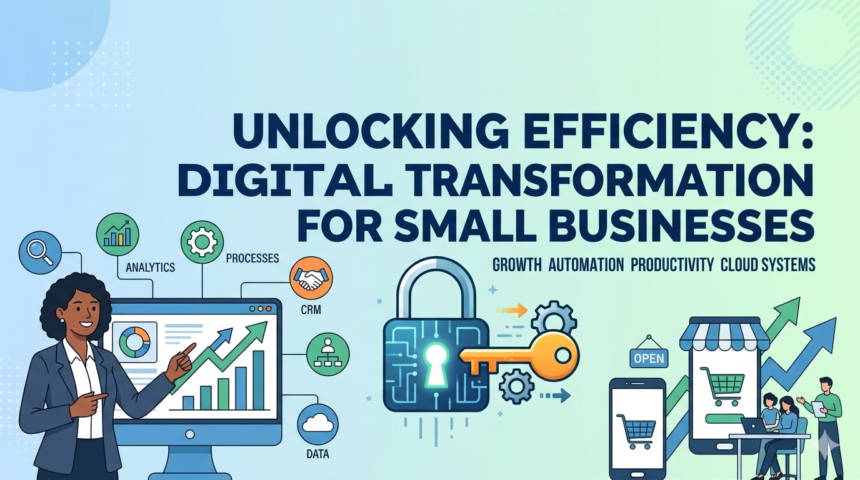
Understanding Digital Transformation
Digital transformation is a comprehensive process through which organizations evolve their operations, models, and customer interactions by leveraging digital technologies. It is not merely about adopting new tools but involves a fundamental shift in how businesses operate and deliver value to their customers. For small businesses, embracing digital transformation is particularly crucial as it can drive growth, enhance efficiencies, and offer a competitive edge in an ever-evolving market.
The significance of digital transformation for small businesses lies in its ability to facilitate a more agile and responsive approach to changing market demands. As consumer behaviors shift towards increased reliance on digital interfaces, small enterprises must adapt to meet these expectations. This adaptation may encompass the implementation of e-commerce platforms, the use of customer relationship management (CRM) software, or the automation of routine tasks, all aimed at improving the overall customer experience.
Moreover, digital transformation transcends the mere integration of technology. It requires rethinking existing business practices and strategies, fostering a culture that embraces innovation and continuous improvement. Small businesses, with their unique challenges and limited resources, may find that digital tools can enable smarter decision-making, optimize workflows, and break down silos within their operations.
Furthermore, successful digital transformation involves engaging with customers in meaningful ways. By leveraging data analytics, small businesses can gain insights into consumer preferences, enabling them to tailor offerings to meet specific needs. In doing so, they can enhance customer loyalty and attract new clientele, facilitating growth even in competitive environments.
In summary, digital transformation is essential for small businesses seeking to thrive in today’s digital age. It encompasses much more than simply implementing new technologies; it is a strategic overhaul of business processes and customer engagement strategies that drive value creation and competitive advantage.
Benefits of Digital Transformation for Small Businesses
Digital transformation represents a crucial strategy for small businesses looking to enhance their operational efficiency and overall performance. By integrating digital technologies into their processes, companies can streamline operations, thereby reducing costs and increasing productivity. Automation of repetitive tasks allows employees to focus on higher-value activities, which in turn leads to a more efficient workflow.
Enhancing the customer experience is another significant benefit of digital transformation. Small businesses can leverage online platforms and tools to provide personalized services that cater to individual customer preferences. This not only boosts customer satisfaction but also fosters loyalty, as clients appreciate tailored interactions that make them feel valued. Additionally, utilizing data analytics enables businesses to gain insights into customer behavior, allowing for informed decision-making and improved service delivery.
Digital transformation also drives innovation within small businesses. By adopting new technologies, such as cloud computing, social media, and mobile applications, companies can explore new business models and revenue streams. This adaptability helps businesses stay relevant in a rapidly changing marketplace and encourages a culture of continuous improvement. Moreover, innovation often leads to the development of new products and services that can better meet the demands of customers, ultimately enhancing competitive advantage.
Furthermore, investing in digital strategies allows small businesses to compete more effectively against larger organizations. With the right digital tools, small enterprises can operate more agilely, responding swiftly to market changes and customer feedback. The ability to quickly adapt to trends and utilize technology for enhanced marketing efforts amplifies visibility and reach, leveling the playing field between small and large businesses.
Assessing Your Business Readiness
Before embarking on a digital transformation journey, it is crucial for small business owners to thoroughly evaluate their current technological landscape and operational processes. Assessing your readiness for digital transformation involves examining several key factors, including existing infrastructure, employee skills, and the organizational culture.
First, assess your existing technology infrastructure. This includes hardware, software, and network capabilities. Evaluate whether your current systems can support new digital initiatives or whether updates and integrations are necessary. Small businesses often operate on limited budgets, so understanding the scalability of your current setup is vital. Failure to identify gaps in the existing infrastructure may lead to costly delays in the transformation process.
Next, consider the skills and expertise of your workforce. Employee readiness is a critical component of successful digital transformation. Are your employees comfortable with new technologies? Do they possess the necessary digital skills to adopt and utilize new tools effectively? Conducting skills assessments and providing appropriate training can enhance your staff’s proficiency and confidence in utilizing digital solutions.
Additionally, reflect on your organizational culture. Is there an openness to change, innovation, and the adoption of new technologies? A culture resistant to change may hinder the implementation of digital initiatives. Encouraging a positive attitude towards digital transformation can facilitate smoother transitions and greater employee buy-in. Consider fostering environments where feedback regarding the transformation process is welcomed to improve overall morale.
In summary, a comprehensive assessment of your current resources, skills, and culture is essential for understanding your small business’s readiness for digital transformation. By proactively addressing these factors, you can lay a solid foundation for implementing effective digital strategies that align with your business goals.
Common Challenges in Digital Transformation
As small businesses embark on their digital transformation journey, they often encounter various challenges that can impede progress. A primary obstacle is resistance to change, which frequently stems from a workforce accustomed to traditional practices. Employees may feel apprehensive about new technologies, fearing that they will be unable to adapt or that their roles may become obsolete. Overcoming this resistance necessitates effective communication, the involvement of team members in the transformation process, and adequate training programs tailored to ease the transition.
Another significant challenge is budget constraints. Small businesses often operate with limited financial resources, making it difficult to invest in the latest technology or hire expertise that could facilitate a smoother digital transformation. Allocating a budget for digital transformation initiatives can be daunting; however, it is imperative for small business owners to recognize that these investments can yield long-term savings and efficiencies. Exploring cost-effective solutions, such as cloud services or subscription-based software, can help mitigate financial impacts.
Lack of expertise is another barrier that can hinder the effectiveness of digital transformation efforts. Many small businesses do not have access to IT specialists or digital strategy experts, which can limit their ability to implement advanced technologies and processes. To address this, small businesses may consider partnering with external consultants or enrolling in training programs that will enhance their skill set. Furthermore, fostering a culture of continuous learning within the organization can empower employees to embrace new technologies confidently.
Lastly, integrating new systems into existing processes presents a complex challenge. When adopting digital tools, it’s vital to ensure compatibility with current operations. Without proper integration, businesses risk encountering silos and inefficiencies that can negate the benefits of digital transformation. Therefore, a strategic approach that involves thorough planning, assessment of current systems, and phased implementation can prove beneficial.
Key Strategies for Effective Digital Transformation
Small businesses looking to harness the benefits of digital transformation must adopt a strategic approach to ensure success. The following strategies provide a roadmap for effective implementation.
First and foremost, setting clear goals is crucial. By defining specific, measurable, achievable, relevant, and time-bound (SMART) goals, small businesses can establish a focused direction for their digital initiatives. This clarity helps in aligning resources and efforts towards achieving targeted digital outcomes, allowing businesses to track progress and adjust strategies as necessary.
Prioritizing customer experience is another vital aspect. In the digital landscape, customers have higher expectations for seamless and personalized experiences. Small businesses should utilize digital tools to better understand customer needs and preferences, tailoring their services to enhance satisfaction and loyalty. Engaging with customers through digital channels not only boosts their experience but also provides invaluable feedback for continual improvement.
Leveraging data analytics is essential for informed decision-making. Small businesses should invest in data analytics tools to gather insights into customer behavior, market trends, and operational efficiencies. By analyzing this data, organizations can make proactive decisions that drive growth and competitiveness in their industry. Understanding key performance indicators (KPIs) will enable businesses to evaluate the effectiveness of their digital strategies and make necessary adjustments more swiftly.
Finally, investing in the right technology solutions is imperative. Small businesses need to choose technology that aligns with their operational needs and future growth. This includes cloud computing, customer relationship management (CRM) systems, and automation tools that enhance productivity. A thoughtful approach to technology integration will provide the foundation for sustainable digital transformation.
By implementing these strategies, small businesses can navigate the complexities of digital transformation, positioning themselves for long-term success in an increasingly digital world.
Choosing the Right Tools and Technologies
In the journey of digital transformation, selecting the appropriate tools and technologies is paramount for small businesses. Factors such as budget constraints, the specific needs of the business, and scalability should be thoroughly assessed before making any decisions. Leveraging technology effectively can lead to increased efficiency, enhanced customer experiences, and improved business processes.
First and foremost, small businesses should conduct a needs assessment to identify gaps in their current systems. This could include outdated software solutions, inefficient manual processes, or a lack of data integration. By pinpointing these areas, businesses can better understand what tools are necessary for their digital transformation. For example, if the business lacks an efficient customer interaction system, implementing a Customer Relationship Management (CRM) software could be a beneficial step.
When considering specific tools, it’s crucial to explore various software options that cater to the unique requirements of the business. Several cloud-based platforms offer a cost-effective way to harness sophisticated technologies without the need for considerable upfront investment. Automation tools, such as workflow management systems or automated marketing solutions, can help streamline routine tasks, freeing up valuable time for employees to focus on more strategic initiatives.
Moreover, evaluating software compatibility is vital. Ensuring that new tools integrate seamlessly with existing systems can avoid disruptions and foster a more holistic approach to digital transformation. Many software providers offer trial versions or demos, which allow businesses to assess functionality and user experience before making a financial commitment.
Additionally, seeking recommendations and reviews from other small businesses can provide valuable insights into the efficacy of various tools. Engaging in online communities or forums dedicated to small business technology can yield beneficial information, guiding businesses toward informed choices in their digital transformation journey.
Building a Digital Culture in Your Business
Fostering a digital culture within small businesses is critical for reaping the benefits of digital transformation. A strong digital culture promotes agility, collaboration, and innovation, enabling companies to respond effectively to market demands. Cultivating a digital mindset begins with encouraging digital literacy among employees. Small business owners should provide training sessions and resources to enhance their team’s understanding of digital tools, platforms, and best practices. By establishing a baseline of digital proficiency, businesses empower their workforce to leverage technology in meaningful ways.
Moreover, promoting a culture of innovation is vital for small businesses aiming to thrive in a digital landscape. This can be achieved by creating an environment that encourages experimentation with new digital strategies and tools. Employees should feel confident in proposing novel ideas and solutions, fostering an atmosphere where creativity and innovation can flourish. Encouraging teams to collaborate on digital projects can also stimulate exchange of ideas and knowledge, reinforcing a shared commitment to digital advancement.
Ongoing training and development should be embedded within the organizational structure to ensure that employees remain engaged with the latest technological trends. Regular workshops, webinars, and skill-building sessions can ensure continuous learning opportunities, keeping employees abreast of evolving digital practices. Furthermore, utilizing online learning platforms allows for personalized training pathways tailored to individual employee needs, making education more accessible.
In conclusion, integrating a digital culture into small businesses necessitates a combination of enhancing digital literacy, promoting innovative thinking, and committing to ongoing development initiatives. By prioritizing these elements, businesses are better positioned to succeed in today’s ever-evolving digital environment.
Measuring Success in Digital Transformation
For small businesses embarking on the journey of digital transformation, quantifying success can be paramount. This process not only clarifies the effectiveness of initiatives but also identifies areas for further improvement. By employing key performance indicators (KPIs), analyzing customer feedback, and reviewing financial metrics, organizations can effectively track their progress and gauge their success in digital transformation.
Firstly, selecting the right KPIs is a critical step. KPIs can vary extensively across different objectives; thus, they should align with the specific goals set forth at the commencement of the digital transformation. For instance, if the intent is to enhance operational efficiency, metrics such as turnaround time, cost savings, and productivity rates could provide useful insights. Alternatively, for a focus on customer engagement, businesses might track metrics like customer retention rates, net promoter scores (NPS), and website traffic analytics.
In addition to these quantitative measures, customer feedback plays an instrumental role in assessing the qualitative impact of digital initiatives. This feedback can be gathered through surveys, social media interactions, and direct customer communications. By analyzing customer sentiments and experiences, businesses can determine whether their digital strategies effectively meet client needs and expectations, thereby fostering a customer-centric approach.
Finally, reviewing financial metrics allows small businesses to assess the tangible economic benefits derived from their digital transformation efforts. Metrics such as revenue growth, profit margins, and return on investment (ROI) provide insights into the financial viability of the initiatives undertaken. By maintaining a holistic view comprising both qualitative feedback and quantitative outcomes, small businesses can accurately measure their success and refine their strategies in the ongoing digital landscape.
Future Trends in Digital Transformation
As we look ahead, several key trends in digital transformation are poised to significantly impact small businesses. The rapid advancements in artificial intelligence (AI) stand out as one of the most transformative forces. AI technologies are becoming increasingly accessible and affordable for small enterprises, allowing them to automate routine tasks, analyze data for better decision-making, and enhance customer interactions through personalized experiences. By harnessing AI, small businesses can improve efficiency and drive growth in a competitive market.
Another area of focus is the evolution of remote work technology. The pandemic has accelerated the shift towards flexible work environments, encouraging small businesses to embrace digital tools that facilitate collaboration and communication. Cloud-based platforms, virtual collaboration tools, and robust cybersecurity measures will continue to evolve, enabling teams to work effectively regardless of their physical location. Investing in these technologies can improve employee satisfaction and productivity while reducing overhead costs.
E-commerce growth is also a trend that small businesses should not overlook. With a significant increase in online shopping, traditional brick-and-mortar stores are expanding their digital presence. This shift requires a strong online marketing strategy, optimization of websites for user experience, and efficient inventory management. Embracing e-commerce not only broadens market reach but also caters to changing consumer behaviors, as more customers prefer shopping from the comfort of their homes.
Finally, understanding consumer behavior changes is crucial for small businesses navigating digital transformation. Consumers are increasingly seeking brands that align with their values, emphasizing sustainability and social responsibility. Small businesses that adapt their digital strategies to reflect these interests can cultivate stronger customer relationships and enhance brand loyalty.