

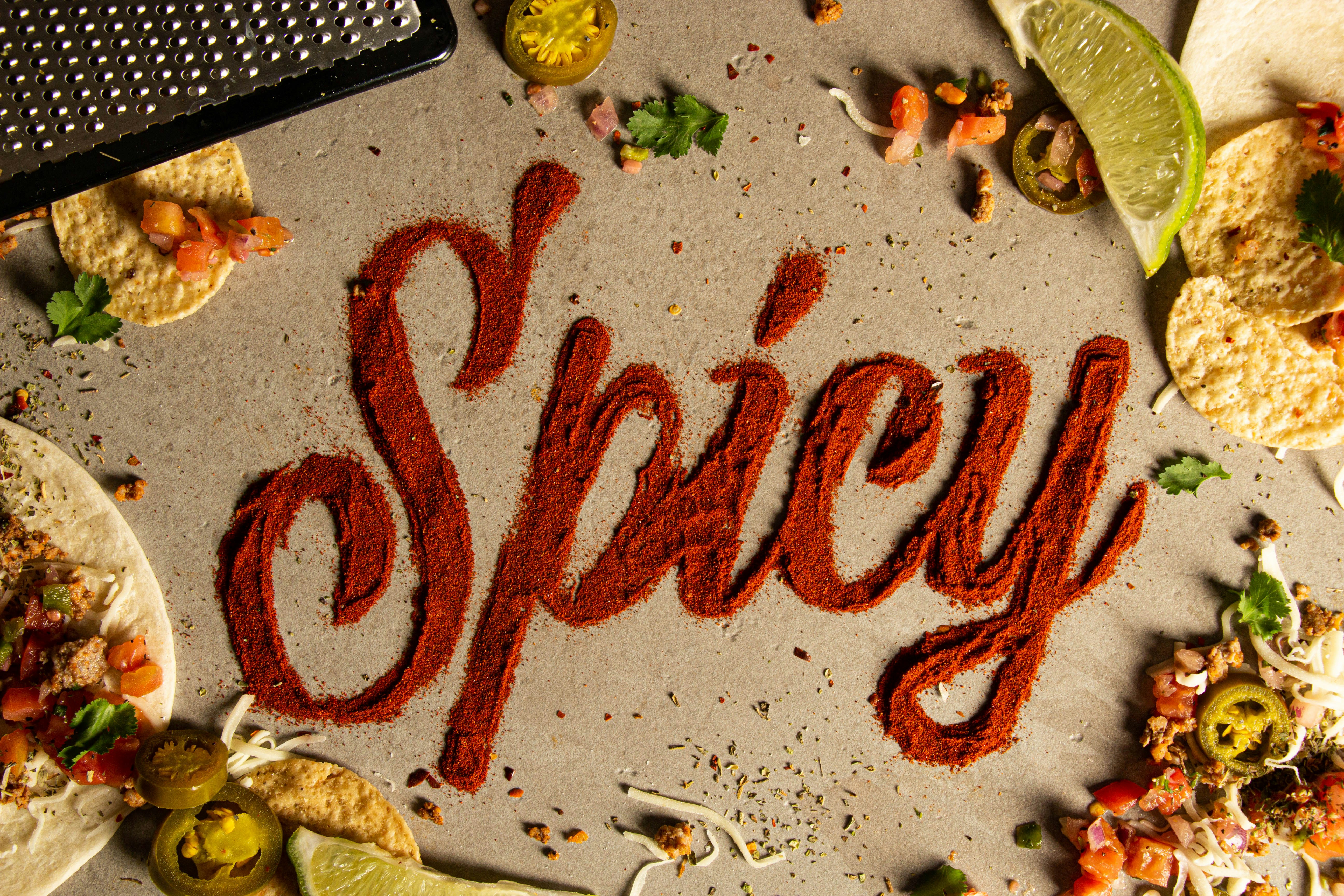
Introduction to Spicy Foods
Spicy foods have captivated the palates of people across the globe, serving as essential components in various culinary traditions. The distinct heat produced by these foods comes primarily from specific compounds, most notably capsaicin, which is found in chili peppers. Spicy cuisines are celebrated in regions such as Southeast Asia, Latin America, and the Indian subcontinent, where the incorporation of spices is not only a matter of flavor but also of cultural identity and heritage.
Culturally, the use of spices reflects a rich history of agricultural practices, trade, and gastronomic innovations that have evolved over centuries. Many societies view spicy foods as integral to their national dishes, creating a sense of pride and connection to their roots. For instance, Indian cuisine often highlights bold flavors with the use of diverse spices like cumin and coriander, while Mexican cuisine showcases the vibrant heat of jalapeños and habaneros. These culinary practices underline the significance of spices not merely as enhancers of taste but also as symbols of heritage.
The perception of spiciness can vary greatly among individuals and cultures. While spices can evoke pleasurable sensations and memories for some, others may find them overwhelming. This variance in tolerance levels is influenced not only by personal preference but also by cultural exposure and even biological factors. As many explore the therapeutic benefits of spicy foods—ranging from enhancing metabolism to providing anti-inflammatory properties—the scientific community has turned its attention to understanding the mechanisms behind these sensations and their effects on the human body.
In exploring the science behind spicy foods, we encounter a fascinating intersection of biology, chemistry, and culture. This foundational knowledge sets the stage for a deeper exploration of what makes foods spicy and how this aspect of cuisine can profoundly impact our experience of eating.
What Makes Food Spicy?
Spicy foods are celebrated for their unique ability to evoke strong sensations, largely due to the presence of a compound known as capsaicin. This colorless, odorless substance is primarily found in chili peppers and is responsible for the characteristic heat that many people find appealing. Capsaicin interacts with the human body’s sensory receptors, specifically the TRPV1 receptor, which is responsible for sensing temperature and physical abrasion. When capsaicin binds to these receptors, it triggers a sensation of heat or burning, effectively fooling the brain into interpreting this chemical reaction as pain.
The spiciness of peppers can vary significantly between different varieties. The heat level is often measured in Scoville Heat Units (SHU), which quantifies the concentration of capsaicin in a particular pepper. For instance, jalapeño peppers rank around 2,500 to 8,000 SHU, while habaneros can reach upwards of 100,000 SHU. This substantial range illustrates how various types of spicy peppers can elicit different heat levels, enhancing culinary diversity across cultures.
Moreover, spiciness is not confined to chili peppers alone. Other spicy ingredients, such as black pepper, ginger, and mustard, contribute varying degrees of heat due to their unique compounds. Piperine in black pepper and allyl isothiocyanate in mustard are examples of such agents that activate similar sensory pathways as capsaicin, albeit in different manners. Understanding these differences in spicy ingredients can enrich culinary experiences and broaden the appreciation for the complexity of flavors.
The Science of Pain and Heat Sensation
The sensation of heat induced by spicy foods is primarily attributed to a compound known as capsaicin, which is predominantly found in chili peppers. Upon consumption, capsaicin interacts with the sensory neurons in our mouth, specifically binding to the transient receptor potential vanilloid 1 (TRPV1) receptors. These receptors typically respond to actual temperature changes and physical abrasion, leading to the perception of pain and heat. This mechanism elucidates why consuming spicy foods can provoke a strong sensory experience.
When capsaicin engages with TRPV1 receptors, it triggers a process that sends signals through the nervous system to the brain, interpreting the sensation as burning or heat. This leads to the activation of various neurotransmitters, such as substance P and calcitonin gene-related peptide (CGRP), which are pivotal in the transmission of pain signals. Consequently, this activation explains the immediate burn one feels after ingesting spicy foods.
Moreover, the body responds to the perceived pain and heat through a series of physiological reactions. One of the most notable responses is the release of endorphins, which are the body’s natural pain relievers. The increase in endorphin levels can lead to feelings of euphoria, often described as a ‘spicy high,’ which can explain why many individuals seek out the sensation of heat from spicy foods despite the initial discomfort.
Additionally, increased perspiration occurs due to capsaicin’s influence on the body’s thermoregulatory system. As the brain interprets the heat sensation, it activates sweat glands to cool down the body, further enforcing the intricate connection between spiciness and our physiological responses. In summary, the biological processes behind the sensation of spiciness involve a complex interplay between capsaicin, pain receptors, and the brain’s reactions, elucidating why spicy food can elicit strong sensory and physiological experiences.
Health Benefits of Spicy Foods
Spicy foods have captured the interest of researchers and health enthusiasts alike, largely due to their numerous potential health benefits. One of the most well-known components in spicy foods is capsaicin, a compound found in chili peppers that is responsible for their heat and many of their health-promoting properties. Studies suggest that capsaicin can boost metabolism, aiding in weight loss by increasing the rate at which your body burns calories. This effect can be particularly beneficial for those engaged in weight management efforts.
Moreover, research indicates that spicy foods may enhance heart health. The consumption of chili peppers has been associated with a reduction in risk factors related to heart disease, including high blood pressure and cholesterol levels. Capsaicin is believed to improve circulation and promote cardiovascular health by reducing blood vessel inflammation.
In addition to metabolic and cardiovascular benefits, spicy foods may also play a role in pain relief. Capsaicin has been utilized in topical pain relief creams, as it can diminish the sensation of pain by desensitizing nerve endings. The compound may also trigger the release of endorphins, which can elevate mood and provide feelings of happiness.
However, while the health benefits of spicy foods are noteworthy, it is essential to acknowledge that they might not be suitable for everyone. Individuals with gastrointestinal issues, such as ulcers or irritable bowel syndrome, may experience discomfort or exacerbation of symptoms after consuming spicy foods. Therefore, moderation should be emphasized, and individuals should be aware of their personal tolerance levels.
In summary, the consumption of spicy foods can offer several promising health benefits, including improved metabolism, enhanced heart health, and potential pain relief. Nevertheless, it is crucial for individuals to listen to their bodies and consider their health conditions when incorporating spicy foods into their diet.
Cultural Impact of Spicy Foods
Spicy foods have long played a significant role in various cultural practices and culinary traditions around the world. The inclusion of spices in cuisine is not merely a matter of flavor but is deeply intertwined with the history, trade, and migration of peoples. Throughout history, spices were highly sought after, leading to trade routes that connected distant lands. For instance, the renowned Silk Road facilitated the exchange of spices such as pepper, chili, and ginger, which were transported from their native regions to European markets.
The excitement surrounding spices also shaped colonial dynamics, where European powers sought to dominate spice-producing regions in Asia and the Americas. Consequently, this led to the introduction of new spicy ingredients into local diets, forever altering culinary practices. In regions like South Asia, Central America, and Southeast Asia, spices became integral to traditional dishes, influencing cultural identity and communal practices.
In contemporary society, the fascination with spicy foods has surged, driven by globalization and increased cultural exchange. Restaurants specializing in spicy cuisines have emerged as popular dining options in urban centers worldwide, where diners eagerly explore dishes that are pungent and flavorful. Social media plays a pivotal role in promoting spicy foods, with viral challenges highlighting the extreme heat levels of certain dishes, thus enhancing their appeal among food enthusiasts.
Furthermore, the cultural impact of spicy foods extends beyond culinary practices; it reflects the history, resilience, and adaptability of cultures. Each region’s use of spices can tell stories of migration, trade, and cultural exchanges, revealing how intertwined our eating habits are with our histories. For example, the incorporation of spicier ingredients into traditional dishes by immigrant communities showcases the blending of culinary traditions while maintaining cultural identities.
Tolerance to Spicy Foods
Tolerance to spicy foods is a fascinating aspect of human physiology and psychology that develops over time. Individuals often demonstrate varying levels of spice tolerance, which can be influenced by a multitude of factors, including genetics, habitual exposure, and psychological conditioning. One of the primary drivers of this tolerance is the repeated consumption of spicy foods. When an individual frequently eats spicy dishes, their body can adapt to the capsaicin, the active component in chili peppers responsible for the heat sensation. As a result, the sensory receptors in the mouth, specifically the TRPV1 receptors, may become desensitized to the pungency of spices.
Genetics also plays a crucial role in determining an individual’s spice tolerance. Some people inherently possess a higher density of pain receptors, leading to a heightened perception of spiciness. Various genetic factors influence the way these receptors react, resulting in significant differences in spice tolerance among individuals. For instance, populations that historically consumed higher amounts of spicy foods, such as those in Southeast Asia or Mexico, often exhibit a collective adaptation to these flavors over generations, suggesting a genetic predisposition for higher spice tolerance.
Psychological factors are equally significant in the overall experience with spicy foods. Cultural background can shape attitudes towards spiciness; for example, those raised in environments where spicy cuisine is the norm may develop a preference for intense flavors. Additionally, individuals may develop positive associations with spicy foods, such as the enjoyment of the endorphin rush that can accompany the experience of consuming heat, which can further bolster their tolerance. Conversely, people who are not accustomed to spicy dishes may find them overwhelmingly intense and be less inclined to make the effort to acclimatize to higher spice levels.
Culinary Uses of Spices Around the World
Spices have been an integral component of cuisines worldwide, serving dual purposes of flavor enhancement and preservation. Various cultures have leveraged the unique properties of spices, particularly those with heat, to elevate their culinary experiences beyond mere sustenance.
In Southeast Asia, for example, chili peppers are prominent in dishes such as Thai green curry and Indonesian sambal. These spicy ingredients are not only cherished for their heat but also for the depth they bring to the intricate flavor profiles. The heat from these spices can significantly alter the experience of a dish, creating a balance of flavors that defines many regional cuisines.
Moving westward, the use of spices like paprika and cayenne pepper in Spanish and Mexican dishes illustrates their culinary importance. Dishes such as paella and enchiladas showcase how spices create rich layers of taste while providing a notable kick. Additionally, the vibrant colors these spices impart make the final presentation of the food especially appealing, inviting diners to indulge.
In India, spice blends such as garam masala or curry powder highlight the extensive use of fragrant spices. These blends serve not only to infuse heat but also to add aroma and health benefits to the dishes, often featuring ingredients like turmeric, which offer anti-inflammatory properties.
In the Middle East, spices play a vital role in traditional recipes such as harissa, a chili paste that accompanies various dishes, enhancing the overall flavor experience. Similarly, the inclusion of spices in preservation techniques, such as pickling vegetables or curing meats, extends the shelf life of ingredients while offering a complex flavor profile.
Thus, spices are revered not just for the heat they bring but also for their essential role in culinary traditions, shaping identities and fostering cultural heritage around the globe.
The Growing Trend of Spicy Foods in Modern Diets
The consumption of spicy foods has seen a remarkable surge in modern diets, reflecting an intriguing shift in culinary preferences. This trend is not only confined to certain regions; it has transcended geographical boundaries. Spicy foods, characterized by a variety of hot spices and chili peppers, are increasingly being embraced by diverse cultures around the globe. The growing acceptance can be attributed to several factors, including cultural integration, health benefits, and social media influence.
One notable aspect contributing to the rise in spicy food popularity is the advent of various food challenges that encourage individuals to test their limits. Competitions featuring extremely hot sauces or peppers have gained attention on platforms such as YouTube and TikTok, attracting viewers and daring participants alike. This phenomenon not only promotes the thrill associated with consuming spicy foods but also generates online trends that influence dietary choices among followers. These challenges showcase a playful approach to food that resonates with a younger demographic eager to share experiences.
In addition, traditional dishes are evolving as chefs experiment by incorporating spicy elements into classic recipes. The fusion of international flavors in everyday meals has opened new avenues for food enthusiasts to explore spiciness. The blending of different cuisines often leads to innovative dishes that highlight the heat of spices, appealing to consumers seeking bold culinary adventures.
Furthermore, the role of social media and food shows cannot be understated. Platforms like Instagram and cooking shows featuring spicy recipes have significantly impacted public interest in hot foods. The visual appeal of vibrant, spicy dishes showcased online encourages home cooks and restaurant diners alike to seek out and experiment with spices. As a result, spicy foods have transitioned from niche selections to mainstream dietary staples, attracting attention from various food enthusiasts and casual diners alike.
Conclusion: The Future of Spicy Foods
Spicy foods remain an integral part of many cultures and cuisines around the world, contributing not only to flavor but also to the social and psychological aspects of dining. This blog has explored the multifaceted nature of spicy foods, emphasizing their impact on health, culinary practices, and cultural identity. While the culinary world continues to evolve, spicy flavors hold enduring appeal, transcending simple taste and becoming a medium for innovation.
As more individuals seek out bold cuisines, the demand for spicy ingredients shows no signs of waning. Culinary innovators are likely to experiment with various spice profiles and integrate them into unexpected dishes, broadening the landscape of spicy cuisine. This creativity is evident in the rise of fusion foods, where traditional recipes are melded with regional spice preferences, giving birth to new flavors that appeal to adventurous palates.
Moreover, the potential health benefits of capsaicin—a compound found in many spicy foods—have been increasingly studied, highlighting its possible roles in pain relief, metabolism enhancement, and cardiovascular health. As awareness of these potential benefits grows, so might the popularity of spicy foods as a healthy added component of diets.
Nevertheless, health debates surrounding spicy foods are ongoing. Some individuals experience digestive discomfort or adverse reactions to high spice consumption, necessitating careful consideration in dietary recommendations. Therefore, the future of spicy foods may involve a tailored approach that considers individual tolerance alongside culinary creativity.
Ultimately, spicy foods are poised to remain a significant aspect of our diets, both for their complex sensory experience and their potential health effects. The exploration of new spices and the adoption of cultural practices surrounding them could lead to a dynamic evolution in how we view and consume spicy foods in the years to come.