

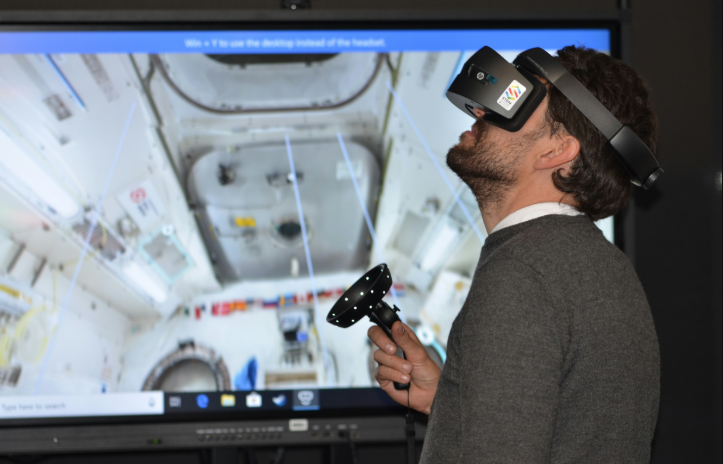
Introduction to Virtual Reality in Gaming
Virtual reality (VR) technology has had a profound impact on the gaming industry, transforming the way players engage with digital environments. Unlike traditional gaming methods that typically involve a screen and input devices, VR immerses users in a fully realized three-dimensional world, offering them a unique and interactive gaming experience. This level of immersion is achieved through advanced hardware and software designed to simulate a realistic setting, often making players feel as if they are truly part of the game.
At the heart of this immersive experience are VR headsets, which utilize high-resolution displays to present lifelike visuals while tracking the player’s movements and actions. These headsets transfer the player into a virtual world, where they can look around, explore, and interact with the environment in a way that conventional gaming cannot replicate. Additionally, motion tracking technologies, through devices such as controllers or gloves, allow players to engage physically with the game, enhancing the sense of presence and involvement in the gameplay.
The integration of VR into gaming also promotes new gameplay mechanics and storytelling approaches. Game developers can create intricate narratives and worlds that react to players’ choices and movements, making each session a unique experience. With the continuous advancement in VR technology, there is a growing potential for richer and more complex gaming experiences. As VR becomes more accessible, the possibilities for innovative gameplay and immersive storytelling will undoubtedly expand, paving the way for a new era in the gaming landscape.
The Evolution of Gaming Technology
The landscape of gaming technology has experienced significant transformation over the past few decades. Beginning in the late 1970s and early 1980s, the advent of 2D graphics revolutionized gaming, providing players with a visual depth that was previously unattainable. Titles such as Atari’s “Pong” and later, “Space Invaders,” served as early examples of this innovative shift, capturing the attention of a growing audience.
As technology advanced, the transition to 3D gaming marked a pivotal moment in the evolution of gaming experiences. In the early 1990s, games like “Doom” and “Wolfenstein 3D” introduced players to immersive environments that allowed for greater interaction and engagement. This era pioneered the development of graphics engines that would form the backbone of many future gaming titles, effectively enhancing player experience through realism and visual fidelity.
With the introduction of powerful gaming consoles and high-performance personal computers in the 2000s, the gaming industry witnessed the rise of hyper-realistic graphics and intricate game designs. Titles such as “Halo” and “Grand Theft Auto: Vice City” offered expansive worlds and complex narratives, captivating players worldwide. This era also marked the beginning of online gaming, which enabled social interaction and collaboration, further transforming how people experienced games.
As advancements in gaming technology continued, the concept of virtual reality (VR) began to take shape in the early 2010s. Early VR platforms inspired a new direction in gaming, allowing players to immerse themselves fully in virtual environments. The introduction of devices such as the Oculus Rift and HTC Vive demonstrated the potential for VR to redefine gaming experiences by offering unprecedented interactivity and immersion.
Overall, the evolution of gaming technology from simple 2D interfaces to multifaceted 3D environments has laid the groundwork for the emergence of virtual reality. As VR continues to develop, it is clear that technology will remain a core driver in shaping the future of gaming experiences.
Immersive Gameplay Mechanics
Virtual Reality (VR) technology has fundamentally transformed gaming by introducing immersive gameplay mechanics that significantly enhance player engagement. Traditional gaming experiences often limit players to interaction via consoles and controllers, which can create a barrier between the player and the game world. However, VR eliminates this barrier, allowing players to step directly into the game environment. One of the most notable features of VR is the use of first-person perspectives, which provide players with an all-encompassing view of the game world. This perspective mimics real-life vision, making every action feel immediate and impactful.
Hand tracking technology is another groundbreaking advancement in VR gaming. It allows players to use their hands to interact with the environment in a more natural and intuitive manner. Instead of pushing buttons, players can physically reach out, touch, and manipulate objects within the game. This interaction creates a more immersive experience, as players become active participants rather than passive observers.
Moreover, interactive environments play a significant role in enhancing gameplay. Game worlds in VR are designed to respond dynamically to player actions. Whether it’s opening a door, picking up an item, or even engaging in combat, the environment reacts in real-time, making the experience feel unique and personalized. This level of interactivity can lead to greater emotional investment in the game, as choices and actions have immediate consequences. By incorporating these immersive mechanics, VR is not only redefining how players engage with games but also how narratives are constructed and experienced. The move towards a more interactive gaming landscape underscores a significant shift in the industry, where the goal is to create experiences that resonate profoundly with players.
Social Interaction in Virtual Worlds
Virtual reality (VR) is radically transforming how gamers interact within the digital landscape, creating immersive social environments that allow for profound connections among players. Unlike traditional online gaming platforms, where interactions may often be limited to text or voice communications, VR transcends these limitations by placing players in a shared virtual space. This immersive experience significantly enhances the sense of presence, enabling gamers to communicate and collaborate more effectively, fostering a deeper sense of community.
In multiplayer VR games, players can engage in activities that closely mimic real-life interactions, including gestures, facial expressions, and even body language, which are often lost in standard gaming formats. For instance, players can see each other’s avatars navigate the game world in real-time, creating an engaging social dynamic where teamwork and communication become crucial elements. This shift towards a more interactive experience allows for scenarios that require synchronization and cooperation, whether in strategizing for challenges or simply exploring a virtual realm together.
Moreover, social spaces within VR environments, such as virtual lounges or meeting rooms, create opportunities for gamers to convene outside the traditional parameters of gameplay. Here, they can socialize, share experiences, and even host events. These platforms serve as hubs for community building, facilitating interactions that enhance retention rates and encourage a culture of collaboration. Gamers can forge friendships that span across geographical boundaries, thus redefining the notion of community in the gaming industry. By integrating social interaction into the virtual reality gaming experience, developers are unlocking unprecedented avenues for connection, making gaming a communal and shared adventure rather than a solitary pursuit.
The Psychological Impact of VR Gaming
The advent of Virtual Reality (VR) gaming has brought about profound changes in the way players interact with digital environments. One of the most significant outcomes of this technology is the heightened emotional experience it offers. Unlike traditional gaming, VR creates an immersive atmosphere where players can experience a sense of presence that resembles real-life interactions. This immersive engagement often amplifies emotions, leading to more intense reactions to gameplay scenarios. Players may feel genuine fear during a horror game or exhilaration during high-energy action sequences, fundamentally altering their gaming experience.
Moreover, VR gaming has shown potential for fostering empathy among players. By placing individuals in the shoes of different characters—especially those from diverse backgrounds—VR encourages players to engage with narratives on a deeper emotional level. This capability can promote understanding and compassion, as players navigate challenges that others face in various contexts. However, while these psychological benefits are noteworthy, they come with certain drawbacks.
One of the primary concerns surrounding VR gaming is the risk of escapism, where individuals may prefer virtual experiences over real-world interactions. This avoidance behavior can lead to social isolation, as players may become engrossed in virtual worlds, neglecting their relationships and responsibilities. The immersive nature of VR can also lead to addiction, where individuals compulsively seek out gaming experiences to escape life’s stressors. Balancing these benefits and risks is crucial for players, developers, and mental health professionals alike.
In conclusion, the psychological impact of VR gaming is profound and multifaceted. While it encourages emotional engagement and empathy, it also raises concerns regarding escapism and potential addiction. As VR technology continues to evolve, understanding these psychological effects will be essential in fostering healthier gaming habits and experiences.
VR Gaming vs. Traditional Gaming: A Comparison
The landscape of gaming has undergone significant transformation with the introduction of Virtual Reality (VR), presenting a striking contrast to conventional gaming formats. In traditional gaming, which typically encompasses console and PC platforms, users engage with the game through a screen, utilizing controllers or keyboards to navigate the virtual environments. This method provides a more passive experience, where players view the game from a fixed perspective.
Conversely, VR gaming immerses players in a three-dimensional environment, enabling them to physically navigate the space and interact with the game world using specialized headsets and motion controllers. This immersive technology heightens user experience by stimulating the senses in ways traditional gaming cannot match. Users are not merely observing; they become an integral part of the virtual ecosystem, leading to a heightened sense of presence and engagement.
Graphics play a crucial role in defining the overall experience of both mediums. Traditional gaming has reached impressive visual fidelity, showcasing expansive worlds and intricate details. However, VR gaming leverages advanced graphical capabilities to create lifelike simulations that envelop the player. While traditional graphics can be striking, the immersive nature of VR often eclipses them as players can look around and interact with their surroundings seamlessly.
Physical engagement is another differentiating factor. Traditional gaming generally requires minimal physical activity, as players remain seated while manipulating controls. In contrast, VR gaming often necessitates physical movement, which can lead to a more dynamic and beneficial experience for players, complementing their physical engagement with elements of fitness.
Ultimately, both VR gaming and traditional gaming offer unique strengths and weaknesses. While traditional formats excel in storytelling and multiplayer experiences, VR immerses players in a captivating world that encourages active participation and exploration.
The Future of Virtual Reality in Gaming
As we look toward the future of gaming, Virtual Reality (VR) is poised to play a transformative role in reshaping the experience for players globally. The ongoing advancements in technology promise to not only enhance the realism of virtual environments but also to create more immersive and interactive scenarios that engage players on a deeper level. One of the most notable trends is the development of more compact and user-friendly VR headsets, which are designed to provide high-quality graphics without the need for cumbersome equipment. This evolution is likely to make VR gaming more accessible to a broader audience.
Additionally, the integration of artificial intelligence into VR gaming stands to revolutionize gameplay. This innovation could lead to smarter non-playable characters (NPCs) that adapt to player decisions, creating a more dynamic and personalized experience. These advancements may facilitate adaptive storytelling, where the narrative of a game evolves based on the player’s interactions—ensuring that no two gaming experiences are ever the same.
Furthermore, we may witness VR technology extending its reach beyond traditional gaming platforms. Trends such as location-based entertainment centers, where players can engage in shared VR experiences, are becoming increasingly popular. These spaces provide players with an opportunity to connect in a physical environment while participating in immersive digital adventures. As more developers recognize the potential of VR, collaborative gaming, community-building, and social interactions within virtual spaces are expected to flourish.
The future of virtual reality in gaming is also likely to see a rise in cross-platform capabilities, where players on different devices can interact in a unified VR space. This shift will encourage a diverse player base and foster stronger community connections. Overall, the ongoing advancements in VR technology and its potential innovations point towards a future filled with limitless possibilities that could redefine how we experience gaming.
Challenges and Limitations of VR Gaming
Virtual reality (VR) has emerged as a transformative technology in the gaming industry, providing immersive experiences that were previously unimaginable. Despite its potential, several challenges and limitations hinder the widespread adoption of VR gaming. One significant barrier is the cost associated with VR technology. High-quality VR headsets, such as the Oculus Rift, HTC Vive, and PlayStation VR, often come with a hefty price tag, making them less accessible for average consumers. Additionally, the need for powerful gaming hardware to run VR applications effectively can further escalate costs, discouraging potential users.
Another major obstacle is accessibility. While the market has seen an influx of various VR platforms, the disparity in tech literacy and resource availability plays a crucial role in limiting access. Many gamers may find the setup process complex and may not have the necessary knowledge to troubleshoot any issues. Moreover, those with physical disabilities might experience significant challenges when engaging in VR gaming, as many applications are designed with standard user mobility in mind.
Physical space requirements pose another limitation to the enjoyment of VR gaming. Many VR experiences require substantial room for users to move around freely without encountering obstacles. This spatial requirement can be a significant limitation for individuals living in smaller homes or apartments, as well as for those in shared living environments where space is at a premium. As developers strive to create more inclusive content, there remains a pressing need for innovative solutions that can accommodate varying spatial conditions.
In conclusion, while VR gaming offers exciting possibilities, the associated costs, accessibility issues, and physical space requirements present significant challenges. Addressing these limitations will be essential for the future growth and widespread acceptance of virtual reality within the gaming community.
Conclusion: Embracing the Virtual Evolution
As we explore the transformative impact of virtual reality on gaming experiences, it becomes evident that this technology transcends mere entertainment. Virtual reality is reshaping the landscape of how games are developed and played, allowing players to engage in immersive and interactive environments that were previously unimaginable. The potential for enhanced storytelling and player agency creates a unique experience that fosters emotional connections and deeper involvement within the game worlds.
The rise of virtual reality has provided not only opportunities for innovation within the gaming industry but also a shift in how audiences interact with games. By simulating real-world scenarios and enabling players to experience new perspectives, VR gaming cultivates an intricate blend of visual, auditory, and kinesthetic feedback. This multi-sensory engagement encourages increased retention and empathy in character-driven narratives, thereby expanding the boundaries of traditional gaming.
However, as we embrace these advances, it is essential to consider the implications for gamers and the gaming industry as a whole. The integration of virtual reality introduces challenges, including accessibility, affordability, and the potential for negative health effects associated with prolonged use. Additionally, the need for developers to adapt their game design philosophies to optimize VR experiences presents another layer of complexity.
Ultimately, embracing the virtual evolution requires a balanced understanding of the benefits and challenges this technology brings. While the future of gaming may be on the cutting edge of virtual reality, both developers and players must remain informed and adaptable. By doing so, the gaming community can harness the full potential of virtual reality while fostering a safe and enriching environment for all participants in this expansive digital frontier.