

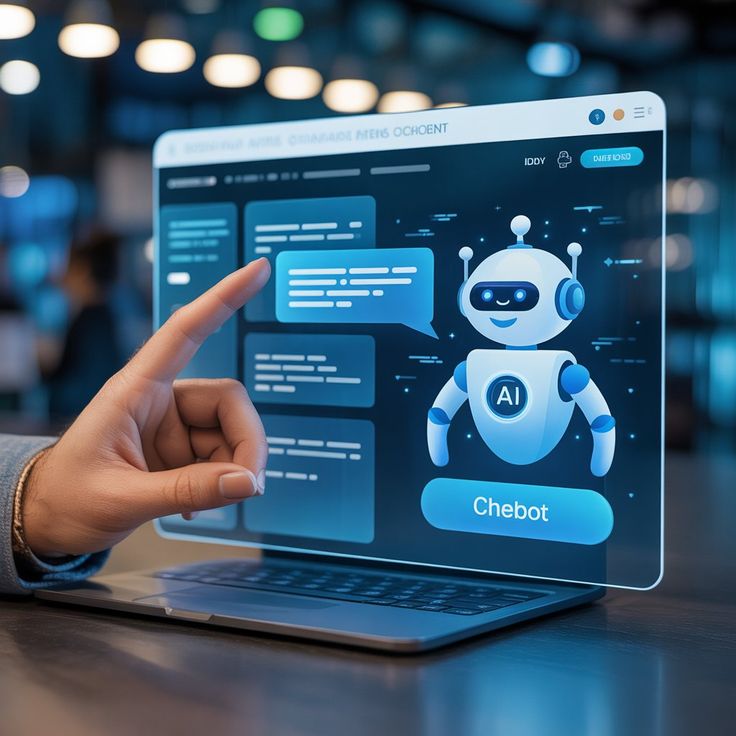
Introduction to Chatbots and GPT API
Chatbots have become an essential tool in the digital landscape, transforming how businesses interact with customers. A chatbot is a software application designed to simulate human conversation, either through text or voice. These intelligent agents can assist users with a variety of tasks, ranging from customer support to personalized recommendations. By utilizing natural language processing (NLP), chatbots can understand and generate human-like responses, leading to more engaging user experiences.
In recent years, advancements in artificial intelligence have propelled the development of sophisticated chatbots capable of understanding context and providing relevant information. Among the various technologies available for chatbot development, the GPT API, powered by OpenAI’s Generative Pre-trained Transformer model, stands out as a popular choice among developers. The GPT API enables creators to harness the capabilities of a state-of-the-art language model, generating coherent and contextually aware text responses that enhance user interaction.
AD
The primary advantage of using the GPT API lies in its ability to generate creative and contextually rich replies, surpassing traditional rule-based chatbots. Developers are drawn to the GPT API due to its flexible architecture, which allows for customization and fine-tuning based on specific application requirements. Additionally, the API’s extensive training on diverse text datasets empowers it to maintain coherent conversations over various topics, making it a valuable asset for chatbot development.
In summary, chatbots represent a significant advancement in automated communication, and with the help of the GPT API, developers can create intelligent conversational agents that enhance user experiences across multiple domains. As interest in AI-driven solutions continues to evolve, understanding the capabilities of chatbots and the underlying technologies, like the GPT API, is vital for those looking to leverage these tools in their projects.
Understanding the Components of a Chatbot
A chatbot is typically composed of multiple essential components, each playing a pivotal role in delivering effective interactions. At the core of these components are intents and entities. Intents represent the purpose behind a user’s input, indicating what the user aims to achieve, such as asking about a product, seeking information, or requesting support. Properly defining intents is crucial for the chatbot to understand and appropriately respond to user inquiries.
Entities, on the other hand, provide specific data that further clarifies the user’s intent. They are variable elements that can refer to names, dates, locations, or any relevant specifics that help in contextualizing the conversation. For instance, if a user asks, “What’s the weather like in New York today?” the intent is to gather weather information, while “New York” and “today” serve as entities that enhance the query’s context.
Another important aspect of chatbot design is the processing of user interactions. This entails analyzing user inputs, matching them to predefined intents and extracting entities accurately. An effective natural language processing (NLP) system is instrumental in ensuring that the chatbot can interpret human language nuances, making dialogues feel more natural and intuitive.
Designing user-friendly dialogues is also vital for a successful chatbot. Conversations should flow logically and be structured in a way that encourage user engagement. Clear prompts, concise responses, and the ability to handle uncertainty or vague inputs enhance user experience significantly. A well-designed dialogue system should allow users to navigate seamlessly through different topics or inquiries, thus fostering a more interactive and satisfying conversation.
In summary, understanding the components of a chatbot—intents, entities, user interaction processing, and dialogue design—forms the foundation necessary for building an efficient and user-centric chatbot through the GPT API.
Setting Up Your Development Environment
Creating a custom chatbot using the GPT API requires a well-structured development environment. Begin by selecting an appropriate programming language that suits your expertise and project requirements. Popular choices include Python and JavaScript, both offering extensive resources and libraries that facilitate chatbot development. Python, for instance, is renowned for its simplicity and readable syntax, making it ideal for rapid development. JavaScript, on the other hand, seamlessly integrates with web applications, providing interactive user experiences.
Once you have settled on a programming language, the next step is to install the necessary libraries that enable communication with the GPT API. For Python, you can utilize libraries such as Requests to handle HTTP requests and interact effectively with the API. In JavaScript, using libraries such as axios can simplify data handling and responses during API interactions.
A crucial aspect of setting up your development environment is acquiring the appropriate API keys for accessing the GPT features. Visit the official website of OpenAI or the platform providing the GPT API to register for your keys. This process typically involves creating an account and agreeing to their terms of service. Once you receive your API keys, securely store them in your environment. This practice will prevent unauthorized access to your chatbot and help maintain the integrity of your deployment.
It is also advisable to use version control systems, such as Git, to manage your codebase efficiently. By implementing Git, you can track changes, collaborate with other developers, and roll back to previous versions if necessary. Establishing a robust development environment lays the foundation for building a scalable and efficient chatbot that leverages the capabilities of the GPT API.
Creating Your First Chatbot using GPT API
Building a custom chatbot using the GPT API begins with understanding the fundamental components required to make API calls and manage the conversation flow. The first step involves setting up an appropriate environment, typically a code editor and a programming language supports HTTP requests, such as Python or JavaScript. In this section, we will focus on creating a simple chatbot using Python.
Before we start coding, ensure you have access to the GPT API by signing up on the provider’s platform and obtaining your unique API key. This key is crucial for authenticating your requests. Once you have your API key, you can use libraries such as ‘requests’ in Python to handle the interactions with the API.
Here is a basic example of how to create a simple chatbot:
import requestsAPI_KEY = 'your_api_key'API_URL = 'https://api.example.com/v1/chat'def get_chatbot_response(user_input): headers = {'Authorization': f'Bearer {API_KEY}', 'Content-Type': 'application/json'} payload = {'prompt': user_input, 'max_tokens': 150} response = requests.post(API_URL, headers=headers, json=payload) if response.status_code == 200: return response.json()['choices'][0]['text'] else: return 'Sorry, I could not respond to that.'user_input = input('You: ')while True: print('Bot:', get_chatbot_response(user_input)) user_input = input('You: ')This code defines a function `get_chatbot_response` that takes user input and makes a POST request to the GPT API. The specified parameters include the user’s prompt and the maximum number of tokens for the response. Upon receiving a successful response, the function extracts and returns the chatbot’s reply. The while loop enables continuous interaction between the user and the chatbot, creating a conversational interface.
As you implement this basic structure, you can enhance your chatbot’s capabilities by refining the conversation logic, adding context management, or integrating with other services. Such modifications will make your chatbot more dynamic and user-friendly. By following this foundation, you are equipped to explore more complex functionalities of the GPT API.
Training and Fine-Tuning the Chatbot
To achieve optimal performance from a custom chatbot built using the GPT API, proper training and fine-tuning are imperative. The process begins by collecting relevant training data that reflects the type of interactions expected from end-users. This dataset should include various conversational scenarios, addressing a broad range of potential inquiries and responses. By doing so, the chatbot is equipped to handle real-world queries more effectively.
Furthermore, the quality of the training data significantly impacts the chatbot’s ability to provide accurate and contextually appropriate responses. Therefore, it is crucial to ensure that the data is clean, representative, and well-formatted. Implementing various data augmentation techniques such as paraphrasing can also enrich the dataset, which promotes versatility in the chatbot’s responses.
In addition to initial training, fine-tuning plays a critical role in the development of the chatbot. Fine-tuning involves adjusting the model using a smaller, specialized dataset that is more closely aligned with the desired outcomes of the interaction. This targeted training helps the chatbot to grasp nuances and specific terminologies relevant to the subject matter it will be addressing. Utilizing user feedback to identify areas of confusion or inadequacy serves as a valuable tool for ongoing refinements.
Moreover, continuous learning is fundamental in the lifecycle of a chatbot. Implementing strategies such as monitoring usage data and user interactions can provide insights into common pitfalls or misunderstandings. With this information, developers can iteratively improve the model, ensuring that the chatbot adapts over time to meet user expectations efficiently. Thus, both training and fine-tuning are critical components in creating a high-performing chatbot capable of meaningful engagement.
Implementing Custom Features
To enhance the functionality of a chatbot built with the GPT API, developers can implement a variety of custom features that improve user interaction and provide a tailored experience. One effective approach is to integrate external APIs, which can allow your chatbot to access real-time data and perform specific tasks based on user requests. For instance, if your chatbot is intended for e-commerce, integrating a payment gateway API can enable users to make transactions directly through the chat interface.
Additionally, advanced natural language processing (NLP) techniques can significantly elevate the interaction quality. By employing sentiment analysis, for instance, the chatbot can adjust its responses based on the user’s emotional state. This provides a more empathetic interaction, as the chatbot could detect frustration and offer assistance more proactively. Implementing entity recognition can also help the chatbot identify specific user intents and context, allowing it to deliver more relevant replies.
Creating unique functionalities tailored to user needs can distinguish your chatbot from others in the market. Consider enabling personalized responses based on user profiles by employing user authentication and storing preferences. This personalization can make interactions feel more engaging and relevant, ultimately improving user satisfaction. Features such as user feedback loops can also foster continuous improvement; a chatbot that learns from user interactions and adapts its responses based on feedback can significantly enhance the user experience.
Incorporating these custom features not only enriches the chatbot’s capabilities but also fosters a deeper connection with users, leading to higher retention and usability rates. Each feature should align with the primary objective of improving user interaction, ensuring the chatbot effectively meets the diverse needs of its audience.
Testing Your Chatbot
Testing is a crucial phase in the development of a custom chatbot using the GPT API. The primary objective of testing is to ensure that the chatbot functions as intended and meets user expectations. There are several strategies that can be employed to thoroughly test a chatbot.
Firstly, unit tests are essential as they focus on individual components of the chatbot to ensure each part operates correctly. These tests allow developers to isolate specific functionalities and validate them independently. By systematically covering different aspects of the chatbot’s functionality, developers can identify and rectify bugs early in the development process.
Secondly, user acceptance testing (UAT) is crucial for gathering feedback from real users to assess whether the chatbot meets their needs and expectations. In this phase, a select group of users interacts with the chatbot and provides valuable input on its performance, usability, and overall effectiveness. This feedback is instrumental in refining the chatbot’s responses and enhancing user satisfaction.
Additionally, load testing plays a significant role in ensuring that the chatbot can handle a large number of simultaneous users without performance degradation. This type of testing simulates high traffic and assesses how the chatbot performs under various conditions. It is vital to identify the system’s limitations and optimize it for a seamless user experience.
Finally, continuous feedback collection is essential post-launch. Monitoring user interactions and soliciting feedback can provide insights into areas needing improvement. By analyzing conversation logs and user behavior, developers can pinpoint shortcomings and apply iterative updates, ensuring the chatbot evolves to meet changing user expectations effectively.
Deployment Options for Your Chatbot
Once your chatbot is developed using the GPT API, the next critical step is selecting the right deployment option to ensure it meets the needs of your target audience. There are several platforms to consider, including websites, messaging applications, and mobile apps. Each platform offers unique advantages and challenges in terms of accessibility and user interaction.
Deploying your chatbot on a website is one of the most common choices. This approach allows for easy integration within your existing web infrastructure, giving users the added benefit of having real-time support. A web-based chatbot can also be customized to align with your website’s design, enhancing the overall user experience. However, it’s essential to ensure that your server can handle traffic loads, particularly during peak times, as high demand can impact performance.
Messaging applications such as Facebook Messenger, WhatsApp, and Slack provide a different avenue for chatbot deployment. These platforms are widely used and can offer a more personalized experience to users. The deployment process typically involves creating a bot account on the desired messaging platform and utilizing its API for seamless integration. Moreover, chatbots on these apps are inherently easier to scale, facilitating broader outreach and engagement with users across diverse demographics.
Mobile applications are yet another deployment option, allowing for full integration of your chatbot as a feature within your existing app. This can provide users with consistent support at their fingertips, enhancing engagement and improving satisfaction. However, this option may require more resources in terms of development and maintenance, as updates to your app may also necessitate changes to the chatbot.
Ultimately, the choice of deployment strategy should be influenced by your specific objectives, resource availability, and user preferences. Each option offers different levels of scalability, accessibility, and interaction quality, so careful consideration of these factors is imperative to successfully launch your chatbot.
Future Trends in Chatbot Development
The landscape of chatbot development is rapidly evolving, driven by advances in artificial intelligence (AI) and the growing demand for seamless user interactions. One significant trend is the integration of machine learning algorithms that enable chatbots to improve their responses through continuous learning from user interactions. These AI-enhanced chatbots become more sophisticated over time, offering personalized experiences that adapt to the preferences and behaviors of individual users.
User experience design is also becoming a crucial focus in chatbot development. Designers are increasingly prioritizing the creation of intuitive interfaces that enhance user satisfaction. This involves employing conversational design principles that make interactions feel natural and engaging. The use of rich media content, including images, videos, and interactive elements, aims to enrich the conversational experience. As more businesses recognize the importance of user-centric design, the integration of these aspects into chatbot interfaces will likely become a standard practice.
Ethical considerations are emerging as a critical aspect of chatbot development. As technology progresses, so do the concerns regarding privacy, data protection, and responsible AI use. Developers are encouraged to implement transparency measures that inform users about how their data is utilized and ensure that bots operate within ethical guidelines. Addressing these ethical concerns will not only promote trust among users but also pave the way for broader adoption of chatbot technology.
As the field of chatbot development continues to grow, staying informed about these emerging technologies and trends is essential for developers and businesses. By adapting to advancements in AI and prioritizing user experience and ethical standards, organizations can create more effective and engaging chatbot solutions. Keeping abreast of these changes will ultimately contribute to the successful implementation and sustainability of chatbot projects in the future.