

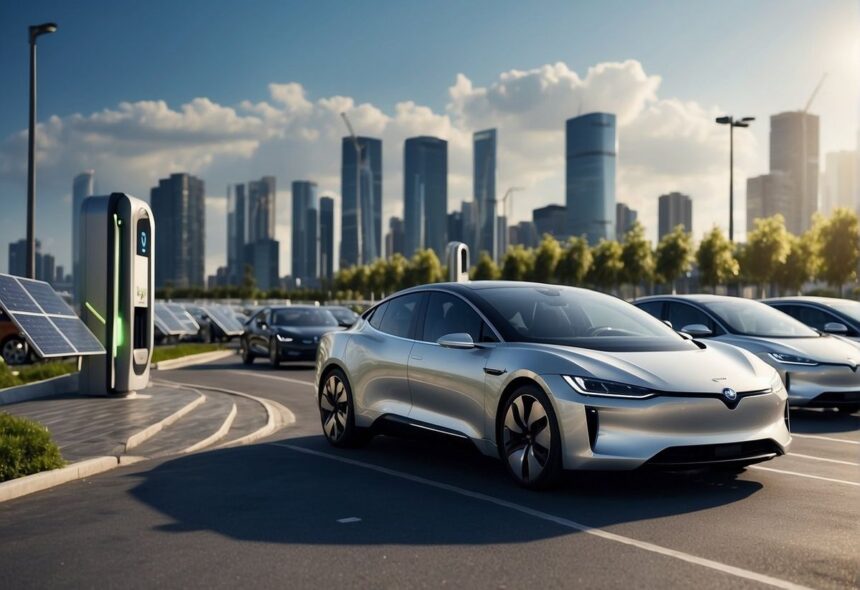
Introduction to Electric Vehicles
Electric vehicles (EVs) have gained significant traction in the automotive industry over the past decade, marking a pivotal shift towards greener and more sustainable modes of transportation. These vehicles, powered by electric motors and batteries instead of traditional internal combustion engines, offer a promising alternative that aligns with evolving environmental priorities and technological advancements. As concerns about climate change and fossil fuel dependency grow, the relevance of electric vehicles becomes increasingly paramount.
The global trend toward electric mobility is underscored by government regulations favoring low-emission vehicles and consumer preferences shifting toward sustainable choices. Automakers are actively investing in the development of electric models, with numerous manufacturers introducing fully electric and hybrid options to their lineups. This surge in production signifies not only a response to consumer demand but also a collective acknowledgment of the automotive industry’s responsibility to contribute to a more sustainable future.
AD
Furthermore, the infrastructure for supporting electric vehicles is rapidly expanding. Charging stations are becoming more widely accessible in urban and rural areas alike, facilitating the transition for potential EV owners. Concurrently, technological improvements in battery efficiency and range are addressing prior limitations, making electric driving more feasible and attractive. This evolving landscape highlights the importance of electric vehicles in shaping a cleaner, more sustainable transportation ecosystem.
As we delve deeper into the future developments in electric vehicle technology, it is essential to recognize their current significance and transformative potential. The momentum behind EV adoption is not just a trend but rather a fundamental shift that may redefine mobility within the automotive sector. The interplay of technological innovation, policy support, and social responsibility will continue to steer the direction of electric vehicles in the coming years.
Advancements in Battery Technology
Advancements in battery technology play a pivotal role in enhancing the performance and efficiency of electric vehicles (EVs). Among the most promising developments is the emergence of solid-state batteries. These batteries utilize a solid electrolyte rather than the liquid or gel electrolytes found in traditional lithium-ion batteries. This shift is significant as solid-state batteries can offer higher energy density, leading to longer driving ranges for EVs. Moreover, they generally have improved safety profiles, reducing the risks of leakage or combustion, which are concerns associated with conventional battery designs.
Additionally, ongoing research focuses on enhancing the manufacturing processes and materials used for solid-state batteries, which could lower production costs and further accelerate the adoption of electric vehicle technology. The integration of such batteries into EVs could potentially allow a single charge to power vehicles for over 500 miles, addressing one of the major limitations currently faced by consumers.
Another vital aspect of battery technology is the development of battery recycling processes. As the number of EVs on the road increases, the importance of sustainable practices in battery production and disposal cannot be overstated. Innovative recycling methods are being implemented to recover valuable materials from used batteries, such as lithium, nickel, and cobalt. This not only minimizes environmental impact but also reduces the need for new resource extraction, which can be environmentally damaging. By adopting effective recycling practices, the electric vehicle industry can promote a circular economy, ensuring that materials can be reused and repurposed.
In summary, ongoing advancements in battery technology, particularly solid-state batteries and recycling processes, are crucial for the future of electric vehicles. These innovations promise to enhance the functionality of EVs by providing longer ranges, shorter charging times, and more sustainable practices, fostering a greener future for transportation.
Government Policies and Incentives
The adoption of electric vehicles (EVs) has been significantly influenced by government policies and incentives designed to promote a transition towards cleaner transportation methods. Various governments around the world have enacted legislation that aims to reduce greenhouse gas emissions and encourage the use of renewable energy sources. In this context, policies such as stricter emissions regulations and timeline targets for phasing out fossil fuel-powered vehicles are pivotal.
In many countries, financial incentives are provided to prospective EV buyers. These incentives can come in the form of direct subsidies, sales tax exemptions, or rebates that reduce the overall purchase price of electric vehicles. For instance, the U.S. federal government offers tax credits up to $7,500 for eligible EV purchases, effectively lowering the financial burden on consumers and making electric vehicles more accessible to a broader audience. This financial support not only incentivizes individual consumers but also helps manufacturers increase production capacity and invest in EV technology.
Additionally, local governments often contribute by offering further incentives like reduced registration fees, access to carpool lanes, and free charging stations in urban areas. Such initiatives are aimed at addressing common barriers to EV adoption, such as range anxiety and upfront costs. With a growing list of states and municipalities implementing their own targeted programs, the landscape for EV adoption continues to evolve.
Looking ahead, it is likely that governmental policies will increasingly reflect the urgency of climate change initiatives. There is a continuous push for expanded funding for charging infrastructure, along with further tax incentives to encourage electric vehicle production and sales. As these policies advance, they are expected to create a more favorable environment for electric vehicles, thereby accelerating their adoption and contributing to a more sustainable future.
The EV Charging Infrastructure Landscape
The expansion and development of electric vehicle (EV) charging infrastructure is crucial for the broader adoption of electric vehicles. As the number of electric vehicles on our roads continues to rise, the availability of accessible charging stations becomes increasingly important. This need has prompted various stakeholders, including governmental agencies, automotive manufacturers, and private companies, to invest heavily in the establishment of a robust charging network.
In recent years, trends have emerged indicating a shift towards the need for widespread deployment of charging stations. Urban areas often confront challenges regarding space and access, while rural regions may struggle with a lack of charging facilities. Solutions such as utilizing existing infrastructure, including parking lots and service stations as charging points, could help mitigate these issues. Additionally, innovative approaches like mobile charging units and partnerships with retail locations are gaining traction, making it easier for EV owners to charge their vehicles.
Furthermore, advancements in fast-charging technology are changing the landscape of EV charging. The introduction of ultra-fast chargers reduces charging time significantly—facilitating a more convenient experience for drivers. This not only bolsters the practicality of owning an electric vehicle but also alleviates range anxiety, a common concern among potential EV users. As the technology progresses, we expect to see more types of chargers capable of delivering higher power levels, providing a future where charging stations can rival the efficiency of conventional refueling times.
Overall, a multifaceted approach to enhancing EV charging infrastructure, emphasizing both development and innovation, is vital. The integration of diverse solutions to address urban and rural needs will ultimately play a pivotal role in encouraging the adoption of electric vehicles and shaping the future of sustainable transportation.
Environmental Impact and Sustainability
The transition from traditional combustion engines to electric vehicles (EVs) represents a significant shift towards more sustainable transportation solutions. One of the central environmental benefits of electric vehicles lies in their lifecycle emissions, which are markedly lower compared to those of gasoline or diesel cars. While the production of electric vehicles can result in higher initial emissions due to battery manufacturing, studies indicate that over the lifespan of the vehicle, these emissions are offset by the significantly reduced operational emissions during usage. In this context, EVs contribute to a decreased carbon footprint, thereby enhancing air quality and public health.
Moreover, the environmental advantages of electric vehicles are further amplified by the potential for integrating renewable energy sources into their charging infrastructure. As the energy grid increasingly incorporates solar, wind, and other sustainable energy resources, the overall emissions associated with operating electric vehicles are further minimized. For instance, when charged using renewable energy, the carbon footprint of electric vehicles can approach zero, making them an invaluable asset in global efforts to combat climate change.
The widespread adoption of electric vehicles can lead to a reduction in gaseous emissions that are harmful to both human health and the environment. By reducing dependence on fossil fuels, electric vehicles promote sustainability and resource efficiency. Furthermore, as advancements in battery technology continue to evolve, the lifecycle impact of EVs will likely improve, resulting in enhanced sustainability metrics over time. Ultimately, the integration of electric vehicles into our transport systems signals a vital step toward fostering an environmentally sustainable future, paving the way for a cleaner, greener planet.
Market Trends and Consumer Adoption
The electric vehicle (EV) market is currently witnessing a transformative shift, characterized by significant trends in both consumer adoption and overall market dynamics. As individuals become increasingly aware of environmental issues and seek sustainable alternatives to traditional gasoline-powered vehicles, attitudes towards electric vehicles are evolving. Key factors driving this change include technological advancements, government incentives, and a growing focus on reducing carbon footprints.
Recent studies indicate that consumers exhibit a clear preference for electric vehicles, particularly among younger generations who are more environmentally conscious. Millennials and Generation Z are increasingly prioritizing sustainability, making these demographics crucial for the future of EV adoption. Additionally, urban dwellers are more inclined to consider electric vehicles due to the availability of charging infrastructure and limited parking spaces associated with traditional cars.
Regional differences also play a significant role in shaping consumer attitudes towards electric vehicles. In countries like Norway and the Netherlands, where government mandates and incentives favor EV adoption, the market penetration is substantially higher compared to regions with less supportive policies. This indicates that governmental support is pivotal in facilitating the transition to electric mobility.
Furthermore, the proliferation of various EV models is bolstering consumer interest, as manufacturers expand their offerings to cater to diverse needs and preferences. The entry of new players alongside traditional automakers is driving innovation, resulting in more affordable and efficient electric options. As public perceptions continue to evolve, projections suggest an accelerating shift towards electric vehicles, with significant growth anticipated in the coming years.
In conclusion, the interplay of market trends, consumer sensibilities, and regulatory support is crucial in shaping the future landscape of electric vehicles. As these factors converge, the trajectory for EV adoption looks promising, paving the way for a more sustainable automotive industry.
Challenges Facing the Electric Vehicle Industry
The electric vehicle (EV) industry is poised for significant growth, yet it faces numerous challenges that could hinder its advancement. One major issue is supply chain difficulties, particularly in sourcing the raw materials necessary for battery production. Many electric vehicles rely on lithium-ion batteries, which require metals like lithium, cobalt, and nickel. The extraction and processing of these materials often involve complex geopolitical considerations, environmental concerns, and fluctuating prices, making it crucial for EV manufacturers to secure sustainable and efficient supply chains.
Another substantial hurdle is range anxiety among consumers. Although advancements in battery technology have increased the range of electric vehicles, many potential buyers remain hesitant due to concerns over adequate charging infrastructure and the potential of being stranded with a low battery. This psychological barrier significantly impacts consumer confidence in adopting EV technology. To address this issue, automakers and governments are investing heavily in expanding charging networks and increasing the number of fast-charging stations available to the public, fostering a more supportive environment for electric vehicle users.
Moreover, the electric vehicle industry faces formidable competition from traditional automotive giants, who are also venturing into the EV market. Established companies like Ford, General Motors, and Volkswagen are rapidly expanding their electric vehicle offerings, leveraging their extensive experience, resources, and market presence. This competition can drive innovation and investment but may also intensify challenges for emerging EV startups striving to differentiate themselves and secure market share. In response, these new entrants often emphasize technological advancements, sustainability, and unique service offerings to attract environmentally conscious consumers.
The Role of Autonomous Driving in Electric Vehicles
The integration of autonomous driving technology within electric vehicles (EVs) is a promising development in the realm of transportation. This synergy has the potential to redefine personal and public mobility, leading to enhanced safety, efficiency, and sustainability. Self-driving EVs utilize advanced sensors, machine learning, and data analytics to navigate their environment, making real-time decisions that minimize human error, a leading cause of road accidents.
Safety is one of the most significant benefits of autonomous electric vehicles. With their enhanced perception systems, self-driving EVs can detect obstacles, predict potential hazards, and respond more rapidly than human drivers. This technology promises to notably reduce collision rates, thereby fostering safer urban environments. Furthermore, autonomous EVs can contribute to increased road efficiency through improved traffic flow management by coordinating with other vehicles and traffic infrastructure.
Efficiency improvements are not limited to safety; they extend into urban planning as well. Autonomous EVs have the potential to optimize route planning and reduce congestion, which leads to lower emissions and improved air quality in cities. As these vehicles operate continuously, they can function as part of a shared mobility system, reducing the need for personal vehicle ownership and thus lessening urban sprawl. By allowing smarter land use, cities can allocate more space for green areas and pedestrian pathways, enhancing the overall quality of life.
Moreover, the integration of autonomous driving technology in EVs underscores a shift towards sustainable transportation systems. As these vehicles become more prevalent, the demand for clean energy sources intensifies, driving advancements in renewable energy and battery technologies. In this way, autonomous driving and electric vehicles can synergistically contribute to a cleaner, more efficient transportation future, aligning with global sustainability goals.
Looking Ahead: The Future of Electric Vehicles
The future of electric vehicles (EVs) appears increasingly promising as we witness significant shifts in consumer preferences, technological advancements, and policy initiatives aimed at reducing carbon emissions. Current trends indicate a growing adoption of EVs globally, driven by the need for more sustainable and efficient transportation solutions. Major automotive manufacturers are investing heavily in research and development to enhance battery technology, improve vehicle range, and increase charging efficiency, making electric options more appealing to consumers.
Furthermore, as governments around the world implement stricter emissions regulations and offer incentives for EV adoption, the landscape for electric vehicles continues to evolve. The transition to electric mobility is not merely a trend but is emerging as a vital component of broader strategies to combat climate change. This shift aligns with an increase in renewable energy sources used to charge EVs, which further supports the reduction of greenhouse gas emissions.
Looking ahead, it is anticipated that the integration of smart technologies into the transportation ecosystem will redefine the role of electric vehicles. Autonomous driving technology, connected infrastructure, and advanced data analytics will facilitate more efficient routing, reduce energy consumption, and improve overall user experience. The synergy between EVs and smart grid technology indicates that electric vehicles will not only serve as a means of transport but may also become integral players in energy management systems—setting the stage for vehicle-to-grid (V2G) applications.
As urban planning evolves and the demand for cleaner transportation options increases, electric vehicles are likely to lead the way toward a more sustainable future. With continuous innovation and the global commitment to reducing our carbon footprint, electric vehicles are poised to become a cornerstone of modern transportation, ensuring a cleaner, greener planet for future generations.