

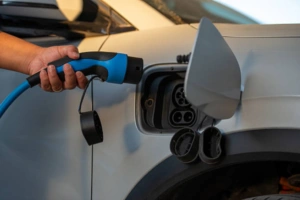
As electric vehicles (EVs) become more common across Ireland, the need for reliable and efficient charging solutions is growing rapidly. Depending only on public charging stations can often be inconvenient and time-consuming for everyday use.
This is where ev charger installation becomes essential. Installing a dedicated charger at home or work improves convenience and efficiency, and this guide covers everything you need to know—from charger types and installation steps to costs and long-term benefits.
The Growing Importance of EV Charger Installation
The shift toward electric mobility is accelerating due to environmental concerns, government incentives, and rising fuel prices. As more drivers switch to EVs, the need for accessible and efficient charging solutions becomes essential.
While Ireland’s public charging network is expanding, it may not always meet daily needs. Waiting for an available charging point or traveling out of your way can quickly become frustrating. Installing a private EV charger eliminates these challenges and gives you full control over your charging schedule.
Additionally, home charging allows you to take advantage of lower electricity rates during off-peak hours, helping reduce overall energy costs.
Understanding Different Types of EV Chargers
Before beginning your ev charger installation, it’s important to choose the right type of charger for your needs. Chargers vary in speed, power, and application.
Slow Chargers (3kW)
These chargers use a standard household socket and are the most basic option. While they require minimal setup, they are extremely slow and can take over 24 hours to fully charge a vehicle. They are generally not recommended for regular use.
Fast Chargers (7kW)
This is the most popular option for residential properties in Ireland. A 7kW charger can fully charge most EVs overnight, making it ideal for daily use. It offers a balance between performance and affordability.
Rapid and Ultra-Rapid Chargers (22kW+)
These chargers are typically used in commercial or public settings. They provide significantly faster charging but require a higher-capacity electrical system. Installation costs are also higher, making them less common for home use.
Selecting the right charger depends on your vehicle, driving habits, and available electrical capacity.
Step-by-Step EV Charger Installation Process
A professional ev charger installation involves several key steps to ensure safety and efficiency.
Initial Assessment
A qualified electrician will assess your property’s electrical system. This includes checking your fuse board, wiring, and overall capacity to determine if upgrades are needed.
Choosing the Right Charger
You’ll select a charger based on your requirements, such as charging speed, smart features, and budget. Many modern chargers include Wi-Fi connectivity and mobile app control.
Electrical Preparation
If your existing system cannot support the charger, upgrades may be required. This could involve installing a dedicated circuit or enhancing your consumer unit.
Installation
The charger is securely mounted on a wall or a standalone unit. Electrical connections are made following strict safety standards.
Testing and Certification
Once installed, the system is thoroughly tested to ensure it operates safely and efficiently. Certification is provided to confirm compliance with Irish regulations.
The entire process is usually completed within a few hours, depending on the complexity of the installation.
Cost of EV Charger Installation in Ireland
The cost of ev charger installation varies depending on several factors. These include the type of charger, installation complexity, and any additional electrical work required.
Typical Price Range
- Standard installation: €800 to €1,200
- More complex setups: €1,200 to €2,000 or more
Homes that require electrical upgrades may incur higher costs. However, these upgrades are often necessary to ensure safe and efficient operation.
Government Grants
The Sustainable Energy Authority of Ireland (SEAI) offers a Home Charger Grant of up to €600. This significantly reduces the upfront cost for homeowners and encourages wider EV adoption.
Applying for the grant is straightforward, but it must be done before installation begins.
Key Benefits of Installing an EV Charger
Convenience and Accessibility
Having a charger at home means you can charge your vehicle whenever it suits you. There’s no need to wait in line or search for available public chargers.
Cost Efficiency
Charging at home is generally more affordable than using public charging stations. By charging during off-peak hours, you can further reduce electricity costs.
Increased Property Value
As EV adoption grows, properties with installed charging points become more attractive to buyers and tenants. It’s a future-ready feature that adds real value.
Environmental Impact
EV chargers support cleaner transportation by reducing reliance on fossil fuels. When combined with renewable energy sources, they can significantly lower your carbon footprint.
Smart Technology Integration
Modern EV chargers come with smart features such as scheduling, usage tracking, and remote control via mobile apps. These features help optimize energy usage and improve efficiency.
Home vs Commercial EV Charger Installation
Residential Installation
Home installations typically involve a single 7kW charger. They are designed for overnight charging and are relatively simple to install.
Commercial Installation
Commercial setups can include multiple chargers with higher power output. These are ideal for workplaces, retail spaces, and public areas. They often require advanced electrical infrastructure and planning.
Businesses that invest in EV charging can attract environmentally conscious customers and support employees who drive electric vehicles.
Important Considerations Before Installation
Before proceeding with ev charger installation, there are several factors to keep in mind:
Electrical Capacity
Ensure your home’s electrical system can handle the additional load. An overloaded system can lead to safety risks and inefficiency.
Location of the Charger
Choose a location that is close to your parking area and protected from extreme weather. This ensures ease of use and longevity.
Cable Management
Proper cable routing prevents hazards and keeps the installation neat and organized.
Future Expansion
If you plan to own multiple EVs in the future, consider installing a system that can accommodate additional chargers.
Safety Standards and Compliance
Safety is a critical aspect of EV charger installation. In Ireland, installations must comply with national electrical regulations. Hiring a certified electrician ensures:
- Proper installation and grounding
- Protection against electrical faults
- Compliance with safety standards
Attempting a DIY installation is not recommended, as it can lead to serious risks and may void warranties.
Maintenance and Long-Term Care
EV chargers are designed to be durable and require minimal maintenance. However, regular checks can help maintain performance:
- Inspect cables and connectors for damage
- Keep the unit clean and free from debris
- Update firmware for smart chargers
Routine maintenance ensures your charger remains safe and efficient for years to come.
Choosing a Reliable Installer
Selecting the right installer is essential for a smooth and hassle-free experience. Look for professionals who are certified, experienced, and knowledgeable about local regulations and grant applications.
A trusted provider like FES Ltd can deliver high-quality installation services while ensuring full compliance with safety standards.
The Future of EV Charging in Ireland
Ireland is making significant progress in expanding its EV infrastructure. Government policies and incentives are encouraging more people to switch to electric vehicles. As a result, the demand for ev charger installation is expected to rise steadily.
Future advancements such as solar-powered charging, smart grids, and faster charging technologies will further improve efficiency and accessibility. Investing in an EV charger today ensures you are prepared for these developments.
Conclusion
EV charger installation is an essential step for anyone transitioning to electric vehicles in Ireland. It provides unmatched convenience, reduces charging costs, and supports a more sustainable lifestyle.
By understanding the installation process, available options, and associated costs, you can make an informed decision that meets your needs. Whether for residential or commercial use, installing an EV charger is a practical investment that offers long-term benefits and prepares you for the future of transportation.