

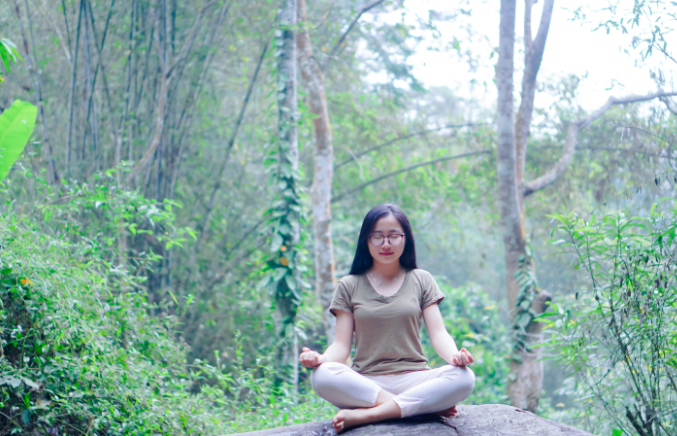
Understanding Anxiety
Anxiety is a complex emotional response characterized by feelings of unease, worry, and apprehension, often accompanied by physical symptoms. It is a natural reaction to stress and can be beneficial in certain situations, prompting necessary responses to perceived threats. However, when anxiety becomes persistent, it can significantly impair daily functioning and overall quality of life.
The symptoms of anxiety can be broadly categorized into two groups: physical and psychological. Physical symptoms may include palpitations, shortness of breath, sweating, and muscle tension. On the other hand, psychological symptoms often encompass feelings of dread, irritability, and difficulties in concentrating. It is important to note that the manifestation of anxiety can vary significantly from one individual to another, influenced by various factors including personality, environment, and life experiences.
In modern society, anxiety is increasingly prevalent, with statistics indicating a rising number of individuals experiencing anxiety-related disorders. This increase is correlated with a variety of contemporary stressors such as job pressures, social expectations, and the fast-paced nature of modern life. Additionally, lifestyle choices, such as poor diet, lack of physical activity, and insufficient sleep, can exacerbate feelings of anxiety and contribute to its persistence.
The impact of anxiety extends beyond the individual, affecting personal relationships and social interactions. Individuals grappling with anxiety may find it challenging to engage in social situations or manage conflicts, leading to feelings of isolation and frustration. Moreover, the continuous presence of anxiety can compromise physical health, potentially leading to conditions such as cardiovascular disease and gastrointestinal issues. Thus, understanding anxiety in its multifaceted nature is crucial for addressing its effects and finding effective management strategies.
What is Meditation?
Meditation is a mental exercise that has been practiced for centuries, serving as a means for individuals to cultivate a sense of inner peace and enhance overall emotional well-being. Its origins can be traced back to ancient civilizations, including Hindu and Buddhist traditions, where it was utilized as a spiritual practice. Over the years, meditation has evolved, encompassing a variety of techniques and approaches designed to promote relaxation, self-awareness, and mindfulness.
Among the most popular forms of meditation is mindfulness meditation. This technique involves paying close attention to the present moment, observing thoughts and feelings without judgment or attachment. It encourages practitioners to cultivate a sense of awareness that can help reduce stress and anxiety. Another widely practiced form is Transcendental Meditation (TM), which is characterized by the use of specific mantras. Practitioners of TM engage in a personalized practice that aims to reach a deep state of relaxation, thereby fostering a sense of tranquility and clarity.
Guided visualization is yet another method, wherein an instructor leads participants through a series of visual imagery designed to evoke positive feelings and reduce negativity. This form of meditation is particularly helpful for individuals who may find it challenging to meditate independently, as guidance facilitates the process. Regardless of the technique employed, common goals of meditation include achieving mental clarity, emotional stability, and improved focus. Many practitioners report enhanced concentration and a greater ability to manage stress as a result of their commitment to meditative practices.
The Science Behind Meditation and Anxiety Reduction
Numerous scientific studies have established a clear link between meditation practices and anxiety reduction. Research indicates that various forms of meditation, particularly mindfulness meditation, have profound effects on brain function, promoting well-being and emotional stability. Neuroscientific findings reveal that regular meditation can enhance neuroplasticity, the brain’s ability to adapt and reorganize itself, which plays a key role in emotional regulation and coping with stress.
For example, a study published in the journal Psychiatry Research: Neuroimaging noted significant changes in brain structures associated with emotional regulation after participants engaged in mindfulness meditation consistently for eight weeks. The participants exhibited a decrease in gray matter density in the amygdala, a brain region responsible for processing emotions, particularly fear, which is often heightened in individuals experiencing anxiety disorders. This suggests that meditation may help recalibrate the neural pathways involved in anxiety responses.
Moreover, meditation activates the body’s relaxation response, a physiological state opposing the stress response. During this relaxation state, heart rate and blood pressure decrease, leading to a reduction in overall anxiety levels. The practice encourages individuals to observe their thoughts and feelings non-judgmentally, promoting an improved perspective towards stressors. This shift in cognitive appraisal is crucial, as it lessens the intensity of emotional reactions and fosters resilience.
Furthermore, incorporating mindfulness meditation into one’s daily routine enhances emotional awareness. Research has shown that practitioners are more attuned to their feelings, enabling better responses to anxious thoughts. In summary, scientific evidence supports the view that meditation alters brain function, enhances neuroplasticity, and restructures emotional responses, establishing it as a viable option for reducing anxiety naturally.
How Meditation Affects the Body and Mind
Meditation is a practice that has been utilized for centuries, providing individuals with a means to achieve both relaxation and heightened awareness. Through various techniques such as focused attention, mindfulness, and guided imagery, meditation can engender significant physiological and psychological benefits. One of the primary ways in which meditation affects the body is by reducing levels of stress hormones, particularly cortisol. Elevated cortisol levels are commonly associated with anxiety and stress, and through regular meditation, individuals can experience a notable decrease in these hormones, leading to a more balanced emotional state.
Furthermore, meditation activates the parasympathetic nervous system, which is responsible for the body’s rest-and-digest functions. This activation promotes relaxation, lowers heart rate, and facilitates deeper breathing, all of which counteract the symptoms of anxiety. The physiological changes brought about by meditation create a conducive environment for emotional well-being, allowing individuals to transition from a state of stress to one of calm and clarity.
On a psychological level, consistent meditation practice contributes to long-term changes in brain structure. Neuroimaging studies have shown that individuals who regularly engage in meditation can experience increased gray matter density in areas of the brain associated with emotional regulation and anxiety management. These structural changes may lead to enhanced resilience against anxiety, improving one’s overall mental health. The cumulative effects of meditation not only alleviate immediate feelings of anxiety but may also foster a mindset that is less reactive to stressors over time.
In summary, the impacts of meditation extend well beyond the session, influencing both the body and mind in profound ways. By diminishing stress hormones, activating calming physiological responses, and enhancing emotional intelligence, meditation serves as a powerful natural tool for anxiety management.
Different Types of Meditation Techniques to Combat Anxiety
Meditation encompasses a variety of techniques that can effectively reduce anxiety. Understanding the different approaches can help individuals find the one that best suits their preferences and needs. Below are some popular meditation techniques known for their anxiety-relieving benefits.
Mindfulness Meditation is one of the most widely practiced forms of meditation. It involves focusing on the present moment while observing thoughts, feelings, and bodily sensations without judgment. To practice mindfulness meditation, find a quiet space, sit comfortably, and close your eyes. Breathe deeply and direct your attention to your breath, allowing distractions to come and go without engaging with them. Start with a few minutes each day and gradually increase the duration.
Loving-Kindness Meditation, or Metta, is another effective technique aimed at cultivating compassion and reducing negative emotions. To engage in loving-kindness meditation, sit in a quiet place and bring to mind someone you care about. Silently repeat phrases wishing them happiness, health, and peace. As you become comfortable, expand your focus to include yourself and others, allowing feelings of love and compassion to spread outward.
Body Scan meditation targets physical sensations to promote relaxation and mindfulness. Begin by lying down in a comfortable position. Starting at your toes, focus your attention on each body part, observing any discomfort or tension. Gradually move your awareness up to your head, encouraging relaxation in each area. This practice effectively helps highlight areas of tension and promotes a sense of overall calm.
Breath Awareness meditation involves concentrating solely on the breath, creating a sense of grounding. To practice this, sit or lie down, close your eyes, and pay attention to your inhales and exhales. Count each breath if it helps maintain focus and gently return your attention when your mind wanders. This technique is excellent for beginners and can be done any time of day.
Choosing the right meditation technique hinges on personal preferences and needs. Experimenting with different methods can reveal what resonates best for you and provides the most relief from anxiety.
Creating a Consistent Meditation Routine
Establishing a consistent meditation routine is essential for harnessing the full benefits of this practice in reducing anxiety naturally. To begin, it is crucial to identify a suitable time of day that aligns with your schedule. Some individuals find meditation more effective in the morning, while others prefer to unwind with it in the evening. The key is to choose a time when you are least likely to be interrupted, allowing you to fully immerse yourself in the experience.
The next step involves selecting a comfortable and distraction-free location. This sacred space should be designated specifically for meditation, helping to signal your mind that it is time to engage in this practice. Whether it’s a corner of your bedroom, a garden, or a dedicated meditation room, ensuring an environment conducive to relaxation is vital.
Setting achievable goals is another important aspect of creating a meditation routine. Starting with short sessions, perhaps five to ten minutes, can ease beginners into the practice without the pressure of extended durations. Gradually increasing the time as your comfort and familiarity grow can enhance your experience. Using guided meditation apps or resources can also provide structure and support, offering various techniques tailored to different needs.
Despite the best intentions, obstacles such as distractions and lack of motivation can hinder your practice. To combat this, consider establishing a reminder system, such as setting alarms or calendar notifications. Joining a meditation group, whether online or in person, can provide encouragement and accountability, making it easier to stay committed. Additionally, addressing the root causes of distractions—like technology—by turning off notifications or creating a ritual before starting your practice can help you focus better.
Integrating Meditation with Other Anxiety Management Strategies
Meditation serves as a powerful tool for reducing anxiety; however, its effectiveness can be significantly enhanced when combined with other anxiety management strategies. A holistic approach that incorporates meditation along with therapy, medication, exercise, and proper nutrition can lead to more comprehensive mental health benefits.
Therapeutic initiatives, such as cognitive behavioral therapy (CBT), can be complemented by meditation practices. CBT focuses on changing negative thought patterns, while meditation promotes a mindful awareness that encourages individuals to observe their thoughts without judgment. Together, they create a synergy that can help clients develop healthier coping mechanisms and reinforce the skills learned during therapy sessions.
In addition, medication prescribed for anxiety can be more effective when paired with meditation. While medications can manage symptoms chemically, meditation empowers individuals by providing them with tools to manage their emotional responses. This combination can reduce reliance on medications over time and help individuals feel more in control of their anxiety.
Moreover, incorporating physical exercise into a routine alongside meditation further augments its benefits. Exercise releases endorphins, which naturally alleviate stress and anxiety levels. When integrated with regular meditation sessions, individuals can experience a more balanced emotional state, enhancing both physical and mental health.
Nutritional choices also play a critical role in managing anxiety. A balanced diet rich in omega-3 fatty acids, antioxidants, and whole foods can support overall mental health. By incorporating mindfulness meditation, individuals can cultivate a more adaptive relationship with food, promoting healthier eating habits and reducing impulsive behaviors related to anxiety.
In conclusion, integrating meditation with other anxiety management strategies fosters a multi-faceted approach that can significantly improve overall mental health and wellness. By recognizing the individual effects of therapy, medication, exercise, and nutrition while utilizing meditation, one can create a comprehensive framework for managing anxiety effectively.
Testimonials and Success Stories
An increasing number of individuals have turned to meditation as a viable strategy to manage anxiety, leading to numerous success stories that highlight its effectiveness. Many users report significant relief from anxiety symptoms through dedicated meditation practices. For instance, one individual, Sarah, shared her journey of battling anxiety for over a decade. After incorporating daily mindfulness meditation into her routine, she noticed a distinct decline in anxious thoughts, allowing her to engage more fully in daily activities. Sarah’s experience suggests that regular meditation can serve as a powerful tool for self-regulation, enabling individuals to respond to stressors with greater calmness.
Another compelling account comes from Mark, who struggled with anxiety during high-pressure situations at work. He began practicing guided meditations that focused on breathing techniques and visualization. Mark was astonished to discover that within a few weeks, these exercises not only reduced his anxiety levels but also improved his overall focus and productivity. His story illustrates how meditation can enhance not only emotional well-being but also functional capabilities in everyday life.
Many practitioners also emphasize the community aspect of meditation. For example, Laura participated in group meditation sessions where she felt supported by others with similar challenges. These gatherings fostered a sense of belonging and validation, which complemented her personal practice and motivated her to continue overcoming anxious tendencies. Her testimonial highlights the unique benefits gained from a communal approach to meditation, enhancing the personal experience of stress reduction.
These narratives reinforce the idea that meditation, as an accessible tool for mental well-being, resonates with diverse individuals. By sharing these experiences, it becomes clear that implementing a consistent meditation routine can lead to notable improvements in managing anxiety. Readers are encouraged to explore similar practices tailored to their needs, potentially transforming their approach to anxiety management.
Conclusion: Embracing Meditation for a Calmer Mind
In the journey towards mental well-being, meditation emerges as a significant practice, offering a myriad of benefits for individuals grappling with anxiety. Through the various techniques outlined, such as mindfulness and breathing exercises, one can foster a state of calmness amidst the chaos of daily life. The ability of meditation to enhance self-awareness effectively reduces recurring anxious thoughts, thus promoting a more peaceful mental landscape.
The scientific backing reinforcing meditation’s impact on anxiety cannot be overstated. Numerous studies highlight how regular meditation not only lowers stress levels but also increases one’s resilience to anxiety triggers. By engaging in consistent practice, individuals can cultivate a heightened ability to manage their emotional responses, leading to more balanced reactions in stressful situations.
Furthermore, meditation serves as a practical tool that requires little more than a commitment to self-care. Whether it involves guided sessions, silent reflection, or more active forms like walking or movement-based meditation, there exists a style suitable for everyone. This adaptability makes meditation an accessible means for most people aiming to achieve tranquility.
As we reflect on the compelling reasons to incorporate meditation into daily routines, it becomes evident that this practice offers profound advantages. Implementing even short, regular sessions can significantly improve mental clarity and emotional stability. Therefore, by embracing meditation as a daily ritual, individuals position themselves to combat anxiety effectively, fostering a healthier, calmer mind. Taking the first step towards meditation can ultimately lead one to a more serene and fulfilling life.