Introduction to Bakery-Style Cakes
Bakery-style cakes have a distinct appeal, setting them apart from the average homemade cakes. The characteristics that define these confections encompass superior texture, enhanced flavor, and striking visual presentation. Understanding these features is essential for anyone aspiring to replicate the delightful quality of bakery-style cakes at home.
One of the most defining aspects of bakery-style cakes is their texture. Unlike traditional homemade cakes, which can sometimes be dense or dry, bakery cakes are renowned for their light, airy crumb. This quality is achieved through precise mixing techniques and the right ratios of ingredients, resulting in a cake that is not only pleasing to the palate but also visually inviting. The inclusion of buttermilk or sour cream is a common technique employed to achieve that tender texture, elevating the cake from simple to extraordinary.
Flavor is another hallmark of bakery-style cakes. Professional bakers often use a variety of extracts, fresh fruits, and even layers of different flavored fillings to create a depth of flavor that is hard to replicate without careful attention to detail. This complexity makes each bite a delightful experience, distinguishing bakery cakes from typical homemade versions that may lack such nuance.
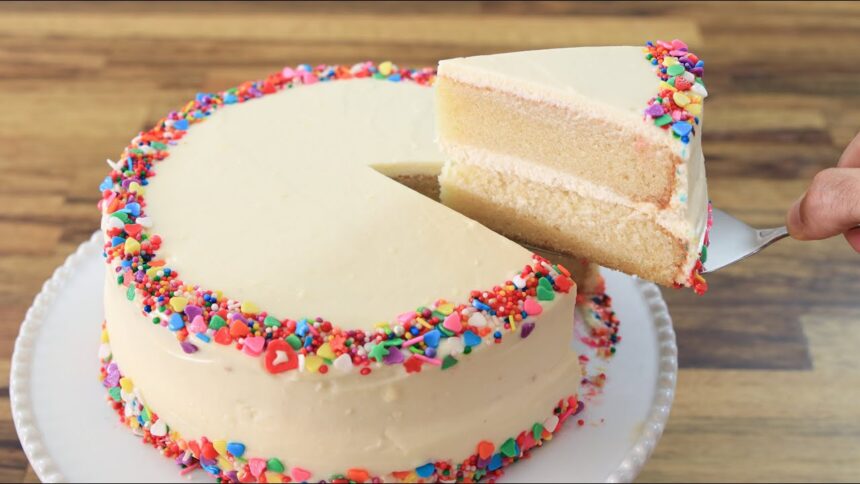
Lastly, the visual appeal of bakery-style cakes cannot be overlooked. Their professional appearance comes from smooth frosting, intricate decorations, and even the use of fondant or marzipan. The artful presentation not only invites indulgence but also adds an element of festivity to any occasion.
In the following sections, we will explore the methods and techniques that can help you recreate bakery-style cakes in your own kitchen. By understanding the principles behind texture, flavor, and presentation, you will be well-equipped to impress family and friends with your baking endeavors.
Essential Ingredients for Bakery-Style Cakes
To create authentic bakery-style cakes at home, understanding the role of essential ingredients is key. Each component uniquely contributes to the cake’s structure, flavor, and texture, making it vital to use high-quality products for optimal results.
Perhaps the most critical ingredient is flour. All-purpose flour is commonly used in most cake recipes due to its balanced protein content, which provides adequate structure while ensuring the cake remains tender. However, for a softer finish, pastry flour can be a better choice, offering a delicate crumb. Additionally, cake flour, which is more finely milled and lower in protein, is ideal for light and airy cakes.
Sugars are equally integral to the baking process. Granulated sugar adds sweetness and contributes to the cake’s volume during creaming. Brown sugar, with its molasses content, brings moisture and depth of flavor, while powdered sugar is often used for frostings due to its ease of incorporation. Each type of sugar plays a distinctive role in ensuring a well-balanced bake.
The fat component, typically in the form of butter or oils, greatly influences the mouthfeel and moisture of the cake. Unsalted butter is preferable for its purity of flavor and ability to create a rich taste. On the other hand, oils can produce a more moist cake. It’s also worth noting that incorporating a blend of fats can result in varied textures which define bakery-style cakes.
Leavening agents such as baking powder and baking soda serve to elevate the cake, creating a light and fluffy texture. These agents work by producing carbon dioxide when reacted with moisture and heat, which causes the batter to rise. The choice between the two often depends on the other ingredients present in the recipe. Cakes that contain acidic ingredients, such as yogurt or buttermilk, may benefit from baking soda, while baking powder is ideal for neutral batters.
In addition to these core ingredients, other elements like eggs, milk, and flavorings like vanilla extract cannot be overlooked. Eggs provide structure and stability, while milk adds moisture and enhances flavor. For a bakery-quality result, selecting high-quality ingredients and utilizing them effectively can make a significant difference in your cake’s outcome.
The Importance of Tools and Equipment
Baking bakery-style cakes at home requires a specific set of tools and equipment that not only make the process smoother but also ensure that the quality of the cake meets expectations. At the heart of any good baking endeavor are essential items such as mixing bowls, measuring cups, and baking pans, each playing a crucial role in achieving the perfect bake.
Starting with mixing bowls, these come in various sizes and materials. Stainless steel or glass bowls are often recommended because they can withstand temperature changes and are easy to clean. Measuring cups and spoons, particularly those designed for dry and liquid ingredients, are indispensable as accurate measurements are key to successful baking. Using the right measuring tools prevents common mistakes that can alter the texture and flavor of your cake.
Baking pans are another critical component in your cake-making arsenal. Different shapes and sizes, such as round, square, and rectangular pans, directly influence the baking time and presentation of the cake. Non-stick pans are highly recommended for ease of cake release, whereas those made of metal provide even heat distribution. For those looking to experiment, silicone pans can be an excellent choice due to their flexibility and ease of use.
A stand mixer can be a game changer in the baking process, offering efficiency and consistent mixing that hand mixing may not achieve. For novice bakers, a hand mixer serves as a suitable alternative that also gets the job done without the investment of a stand mixer. Various baking utensils like spatulas, whisks, and pastry brushes also prove helpful in achieving the desired results.
In choosing the right tools, one should prioritize quality over quantity. Investing in essential, high-quality equipment will serve you well in the long run and enhance your baking experience. By ensuring that you have the appropriate tools at your disposal, you set the stage for creating delicious, bakery-style cakes right in your kitchen.
Basic Batter Recipes for Bakery Cakes
When it comes to baking cakes that mimic those from a professional bakery, having a solid foundation in batter recipes is essential. Here, we will examine three primary cake batters that can be used as the basis for numerous delicious creations: vanilla, chocolate, and red velvet.
Vanilla Cake Batter: This versatile recipe is a staple in many bakeries. To make a classic vanilla cake, start by creaming together 1 cup (225 grams) of unsalted butter with 2 cups (400 grams) of granulated sugar until light and fluffy. Incorporate 4 large eggs, one at a time, followed by 2 teaspoons of vanilla extract. In a separate bowl, whisk together 3 cups (360 grams) of all-purpose flour, 1 tablespoon of baking powder, and 1/2 teaspoon of salt. Gradually add the dry ingredients to the butter mixture, alternating with 1 cup (240 milliliters) of milk, and mix until just combined. This batter yields a light and fluffy cake that can be enjoyed plain or with a variety of frostings.
Chocolate Cake Batter: For those who crave a rich chocolate treat, this recipe is ideal. Begin by creaming 1 cup (225 grams) of butter and 2 cups (400 grams) of sugar. Add 4 large eggs and 2 teaspoons of vanilla extract. In another bowl, blend 1 ¾ cups (220 grams) of all-purpose flour, ¾ cup (65 grams) of unsweetened cocoa powder, 2 teaspoons of baking soda, and 1/2 teaspoon of salt. Combine the dry ingredients with the wet mixture while alternating with 1 cup (240 milliliters) of buttermilk. This chocolate batter is perfect for multi-layer cakes and pairs beautifully with ganache or buttercream frosting.
Red Velvet Cake Batter: Known for its striking red color, the red velvet cake is made by combining 1 cup (225 grams) of unsalted butter with 2 cups (400 grams) of sugar until fluffy. Incorporate 2 large eggs, 2 tablespoons of cocoa powder, and 2 teaspoons of vanilla extract. In a separate bowl, mix 2 ½ cups (300 grams) of all-purpose flour, 1 teaspoon of baking soda, and 1/2 teaspoon of salt. Combine these dry ingredients with 1 cup (240 milliliters) of buttermilk and 1 tablespoon of red food coloring. Ensure the mixture is smooth and well-blended. This unique batter results in a moist and tangy cake, traditionally topped with cream cheese frosting.
To customize these batters, consider adding fruits, nuts, or flavor extracts that complement the base recipe. With these foundational batter recipes, you can effortlessly create bakery-style cakes at home that will impress both family and friends.
Baking Techniques for Perfect Cakes
Creating a bakery-style cake at home begins with mastering essential baking techniques. One of the most crucial steps is to preheat the oven adequately before placing your cake inside. Preheating allows the cake to rise consistently and bake evenly. It is advisable to refer to your recipe for the specified temperature and allow the oven at least 15 to 20 minutes to reach this temperature.
Another fundamental aspect of successful cake baking is ensuring that all your ingredients are at room temperature. Ingredients such as eggs, butter, and milk emulsify better, consequently producing a batter that traps the air needed for leavening. This will yield a lighter and fluffier cake. Plan ahead to take these ingredients out of the refrigerator at least an hour before starting your baking.
Mixing the batter properly is also vital. Begin by creaming the butter and sugar until light and fluffy, as this incorporates air into the batter. Follow the mixing process by adding dry ingredients gradually, mixing just until combined. Over-mixing can lead to dense cakes due to gluten formation. Incorporating alternate dry and liquid ingredients can help achieve the desired texture while preventing over-mixing.
When it comes to baking times, it is important to pay attention to your cake’s doneness. A standard test involves inserting a toothpick into the center of the cake; if it comes out clean, your cake is ready. Timing can vary based on the type of oven and the size of the cake, so monitoring closely is essential.
Avoiding common mistakes is also key to successful cake baking. For instance, opening the oven door too frequently can cause the cake to sink. Ensure to check for doneness only in the final minutes of baking. By adhering to these baking techniques, you set yourself on the path to producing delightful, bakery-style cakes at home.
How to Cool and Frost Your Cake
Cooling and frosting a cake properly is integral to achieving that bakery-style look at home. After baking, it is crucial to allow your cakes to cool completely before attempting to frost them. Place the cakes in their pans on a wire rack for about 10-15 minutes. This prevents sogginess caused by steam trapped in the pan. Once they have cooled sufficiently, gently remove the cakes from the pans and transfer them to the wire racks to cool entirely, typically for at least one hour. This additional cooling helps ensure that the layers remain firm enough for frosting.
Once the cakes are completely cool, it is time to frost them. Begin by choosing your frosting type. Common bakery-style frostings include buttercream, cream cheese frosting, and ganache, each offering a distinctive flavor and texture. To make a classic buttercream, beat softened butter with powdered sugar, adding vanilla extract and a splash of milk or cream until you achieve the desired consistency. For a richer option, consider a chocolate ganache made with heavy cream and high-quality chocolate, creating a smooth and glossy finish.
To achieve a professional look, layering is essential. If the cakes have domed tops, use a serrated knife to level them. Place the first layer on a cake stand, adding a generous amount of frosting on top, and smooth it with a spatula. Stack the next layer and repeat the process. For a smooth finish, apply a crumb coat, a thin layer of frosting that locks in crumbs, before chilling the cake for about 30 minutes. Follow this with a thicker layer of your chosen frosting, smoothing it with a bench scraper or offset spatula for an even finish. Lastly, feel free to add decorations, like fresh fruits or sprinkles, to give your cake that appealing bakery-style touch.
Creative Decorations and Toppings
When it comes to elevating bakery-style cakes at home, the decorations and toppings can transform a simple dessert into a stunning centerpiece. The first step is to consider the theme or occasion for your cake. Seasonal fruits are an excellent option; summer cakes can be adorned with vibrant berries, slices of peaches, or figs, while winter cakes might benefit from pomegranates or citrus slices. The use of fresh fruits not only adds a pop of color but also enhances the cake’s flavor profile.
Another way to bring some creativity to your cake is through the incorporation of edible flowers. These can lend an elegant touch to any cake, whether you are celebrating a wedding, a birthday, or simply enjoying an evening treat. Flowers such as violets, marigolds, or nasturtiums can be used sparingly for a delicate appearance. Yet, it is essential to ensure that the flowers you use are safe for consumption and ideally grown without pesticides.
Chocolate shavings and sprinkles provide an easy method to add texture and depth to your cake. For a chocolate-lover’s paradise, a sprinkle of dark or white chocolate shavings can create a rich flavor contrast. Alternatively, colorful sprinkles or a drizzle of chocolate ganache can accentuate a festive atmosphere, perfect for celebrations such as birthdays or holidays.
Going beyond just aesthetics, you can also decorate based on specific occasions. For instance, during Halloween, consider using fondant to craft spooky figures or seasonal colors. Meanwhile, for Christmas, you can create a wreath effect using green icing and cranberries to evoke a holiday spirit. As you explore creative decorations, remember that the goal is to reflect your personality and the occasion, making the cake truly your own.
Storing and Sharing Your Cakes
Once your bakery-style cakes are baked and decorated, proper storage is vital to maintain their freshness and quality. If you plan to enjoy your cake within a few days, storing it at room temperature is generally acceptable, provided it is covered appropriately. A cake dome or an airtight container is recommended to shield it from air and contaminants. Moreover, if your cake includes perishable fillings or frostings, refrigeration is necessary to prevent spoilage.
For longer storage, freezing is an excellent option. To freeze a cake, it is essential to allow it to cool completely. Once cooled, wrap the cake tightly in plastic wrap, followed by a layer of aluminum foil. This method prevents freezer burn and preserves the cake’s flavor and texture. When you are ready to enjoy the cake, transfer it to the refrigerator to thaw slowly, which helps maintain moisture levels. Additionally, be cautious with frosting when freezing; It is often better to freeze the cake layers separately and frost it once thawed.
When it comes to sharing your bakery-style creations, presentation is key. Utilizing decorative boxes or cake carriers not only protects the cake during transport but also enhances its visual appeal. Ensuring the cake remains stable is crucial, especially for tiered designs. You might choose to include a note that provides serving suggestions or recipes for accompanying toppings. For gifting, consider including a small card detailing any special ingredients or notes on storing and serving, which adds a personal touch.
In conclusion, proper storage techniques and thoughtful sharing methods can significantly enhance the enjoyment of your homemade bakery-style cakes. By following these tips, you can ensure that your cakes remain fresh and delightful, whether they are for personal consumption or shared with loved ones.
Conclusion and Final Tips
Making bakery-style cakes at home can be a rewarding and fulfilling experience. Throughout this blog post, we have explored various aspects of cake baking, from selecting high-quality ingredients to mastering techniques that contribute to a perfect cake. Each step in the process is crucial in achieving that delectable flavor and delightful texture that one would expect from a professional bakery.
As you embark on your baking journey, remember that experimenting with flavors and styles is part of the fun. Whether you prefer classic vanilla or a bold chocolate, do not hesitate to add your unique twists. Incorporating seasonal fruits, different flavor extracts, or unique frosting styles can elevate your cakes and make them truly your own. Moreover, consider the presentation; a beautifully decorated cake not only tastes good but also looks appetizing and is perfect for any occasion.
One of the most important aspects of baking is practice. Each cake you create, even if it does not turn out as planned, teaches you valuable lessons. Continuously honing your skills will boost your confidence and uncover new techniques you may not have encountered before. Don’t shy away from trying new recipes or experimenting with different baking methods. With each attempt, your understanding of the baking process deepens, leading to even more delicious results.
In conclusion, baking bakery-style cakes at home is a delightful endeavor that can fill your kitchen with wonderful aromas and put smiles on the faces of loved ones. With patience, creativity, and a willingness to learn, the cakes you produce can rival those from the finest bakeries. So gather your ingredients, preheat your oven, and let your imagination run wild as you create magnificent cakes that reflect your personal taste and style.