

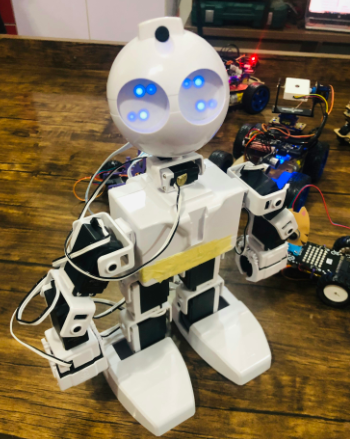
Introduction to Robotics and Future Technology
Robotics is an interdisciplinary field that encompasses the design, construction, operation, and application of robots. These machines are capable of performing tasks autonomously or semi-autonomously, often with a degree of precision and efficiency that surpasses human capabilities. The emergence of robotics has had a profound impact on various sectors, driving significant advancements in future technology.
One of the most notable integrations of robotics can be observed in the manufacturing sector. Robotics has revolutionized production lines, leading to increased productivity and reduced labor costs. Automated robots are employed for repetitive tasks, allowing human workers to focus on more complex and creative aspects of production. This shift not only enhances operational efficiency but also mitigates the risk of workplace injuries associated with manual labor.
In the realm of healthcare, robotics is paving the way for groundbreaking innovations. Surgical robots, for example, enable surgeons to perform minimally invasive procedures with greater accuracy and control. Similarly, rehabilitation robots assist patients in regaining mobility and independence. These advancements in robot-assisted healthcare illustrate the significant role robotics plays in enhancing patient outcomes and streamlining medical processes.
Furthermore, robotics is becoming increasingly integrated into daily life. From household robots that assist with chores to autonomous vehicles facilitating transportation, robotics technology is reshaping how individuals interact with their environment. The rise of smart home devices and personal assistants showcases how robots are becoming essential components of modern living, enhancing convenience and efficiency.
The significance of robotics in the future of technology cannot be overstated. As innovations continue to emerge, the potential for robotics to transform sectors and improve everyday life becomes more evident, setting the stage for a future where humans and robots work collaboratively to achieve unprecedented levels of efficiency and effectiveness.
Historical Context of Robotics
The field of robotics has seen transformative developments over the decades, tracing back to its initial conceptions in ancient history. The notion of automated machines can be traced to mechanisms created by ancient Greek engineers, such as the mythological Talos, who was said to protect the island of Crete. However, it wasn’t until the 20th century that significant strides were made in robotics with the advent of electrical and mechanical engineering.
The first major milestone in the field came in the 1950s with the invention of programmable robotic arms. George Devol and Joseph Engelberger built the first industrial robot, Unimate, which was introduced to the manufacturing sector in 1961. This groundbreaking invention marked the beginning of industrial automation, allowing manufacturers to enhance production efficiency and accuracy.
Following this, the 1970s heralded a new wave of robotic development with the introduction of more sophisticated and versatile robots capable of performing complex tasks. These advancements were notable in industries such as automotive manufacturing, where machines began to undertake tasks ranging from welding to assembly, drastically reducing manual labor costs.
As technology progressed into the late 20th and early 21st centuries, we witnessed an evolution from industrial robots to a new generation of robots characterized by artificial intelligence and machine learning. Modern robotics not only encompasses manufacturing but also extends to fields like healthcare, logistics, and even service industries. Robots are now capable of complex interactions and autonomous operations, signifying a notable transition from simple mechanical devices to sophisticated autonomous systems. Thus, the evolution of robotics is marked by continuous innovations that have fundamentally changed how we engage with machines.
Current Applications of Robotics
Robotics has integrated itself into various sectors, demonstrating a transformative influence on how industries operate. In particular, manufacturing has embraced automation with the use of robots to enhance production efficiency. For instance, automotive companies like Toyota employ robotic arms for precision assembly, significantly reducing the time required to produce vehicles while minimizing human error. The precision and speed of these robotic systems have allowed manufacturers to increase output and improve safety in the workplace.
Healthcare is another area where robotics plays a critical role. Surgical robots, such as the da Vinci Surgical System, enable surgeons to perform minimally invasive procedures with enhanced accuracy. By allowing for smaller incisions, these robotic systems reduce patient recovery time and improve surgical outcomes. Furthermore, robots are employed in rehabilitation, where exoskeletons assist patients in regaining mobility through advanced robotic technologies.
Agriculture is also witnessing significant advancements due to robotics. Autonomous tractors and drones are revolutionizing farming practices by performing tasks such as planting, monitoring crop health, and even harvesting. For instance, companies like John Deere utilize robotics to optimize planting patterns, thereby maximizing yields while minimizing waste. These technologies enhance the efficiency of agricultural operations, leading to a more sustainable food production system.
In addition, the hospitality industry has begun deploying robotic solutions to improve customer service. Hotels increasingly use robots for tasks ranging from room service delivery to providing information at reception. These advancements not only streamline operations but also enhance the guest experience by offering innovative services.
Overall, the current applications of robotics across various industries underscore its significant impact on efficiency, productivity, and innovation. The successful incorporation of robotic technologies across manufacturing, healthcare, agriculture, and hospitality demonstrates their potential to reshape the future landscape of these sectors.
The Role of Artificial Intelligence in Robotics
The intersection of robotics and artificial intelligence (AI) serves as a pivotal foundation for advancing robotic capabilities. AI substantially enhances the functionality of robots through sophisticated algorithms that enable automation and informed decision-making. By incorporating machine learning techniques, robots can analyze vast amounts of data, thereby improving their performance in various tasks. This symbiosis paves the way for the development of ‘smart robots’ that are not only efficient but also capable of learning from their environments.
A key area where AI is transforming robotics is in autonomous navigation. Robots equipped with AI can utilize sensory data to interpret surroundings, identify obstacles, and make real-time decisions about movement. This has significant implications in various fields, including manufacturing, logistics, and even healthcare, where robots are increasingly required to operate independently and safely. The autonomous capabilities granted by AI drastically reduce the need for human intervention, enhancing productivity and efficiency in numerous sectors.
Moreover, AI enhances the adaptability of robots to evolving scenarios. Through continuous learning processes, robots can refine their skills, optimize their functionalities, and adapt to new tasks without explicit programming. This adaptability is crucial for industries where dynamic conditions frequently arise, ensuring that robots remain effective even as their environments change.
Furthermore, the incorporation of AI into robotics supports improved human-robot interaction. AI systems enable robots to understand and respond to human emotions and commands, fostering more intuitive communication. This development is vital in contexts such as elderly care or assistance for individuals with disabilities, where empathetic interaction is essential for user satisfaction.
In essence, the relationship between robotics and artificial intelligence is instrumental in crafting the next generation of robotic systems. By enhancing automation, decision-making, and adaptability through AI, the future of robotics holds promise for superior performance across various sectors.
Challenges Facing Robotics Development
The robotics industry is currently navigating through various challenges that significantly influence its development and adoption. One of the foremost hurdles is the high cost associated with robotics development. This encompasses not only the financial investments necessary for research and engineering but also the expenses related to prototyping and testing. High development costs can limit participation from smaller firms and startups, potentially stalling innovation and delaying the introduction of advanced robotic solutions in the market.
Another pivotal challenge lies in the realm of ethical concerns surrounding robotics. As robots increasingly integrate into society, questions arise regarding their roles and responsibilities. Issues related to privacy, surveillance, and the potential for autonomous systems to cause harm are at the forefront of discussions among technologists and ethicists alike. Establishing ethical standards for robotic applications is essential to building public trust, yet this is an ongoing challenge due to the rapid pace of technological advancement juxtaposed with the slow-moving nature of legislative processes.
Moreover, workforce displacement represents a significant concern as automation technologies become more prevalent. The fear is that robots may replace human jobs, leading to increased unemployment and socioeconomic disparities. While robotics can enhance productivity and efficiency, the transition must be managed carefully to ensure that workers are retrained for new roles that emerge from the automation of monotonous tasks. This challenge calls for collaboration between industry leaders, policymakers, and educational institutions to create pathways for a smooth transition into a robot-enhanced workforce.
Ultimately, addressing these challenges is essential for the balanced growth of robotics in society. Stakeholders must work together to overcome economic, ethical, and social barriers to fully harness the benefits of robotics while ensuring the responsible development of this transformative technology.
Future Trends in Robotics
The field of robotics is experiencing rapid evolution, driven by advancements particularly in artificial intelligence (AI) and machine learning. As these technologies deepen their integration into robotic systems, we can expect to see robots becoming increasingly capable of performing complex tasks autonomously. This trend is not limited to industrial applications but extends to various sectors including healthcare, agriculture, and logistics.
One of the most promising directions is the development of autonomous systems that can operate in unpredictable environments. For instance, robotic drones are being enhanced with advanced AI algorithms that allow them to navigate and make decisions without human intervention. This capability will significantly improve efficiency in sectors like delivery services and emergency response, making robotics a crucial player in the logistics and urban management landscapes of the future.
Another noteworthy trend is the rise of collaborative robots, or cobots, designed to work alongside human beings. These robots are equipped with sophisticated sensors and AI-driven software that enable them to learn from human colleagues and adapt to changing work conditions. In manufacturing, this collaboration can lead to increased productivity and safety, as cobots handle repetitive tasks while human workers focus on more complex operations that require creative problem-solving.
Furthermore, the growing emphasis on AI ethics and responsible robotics is shaping the future direction of technology. As robotics continues to advance, stakeholders will need to consider the ethical implications of deploying such systems. Regulatory frameworks are likely to evolve, ensuring that the integration of robotics into our daily lives prioritizes safety, accountability, and human well-being.
In summary, the anticipated trends in robotics signal a future where machines are not just tools but partners in various fields, transforming how we work and interact with technology. The ongoing advancements in AI integration, autonomous capabilities, and collaboration will undoubtedly redefine the technological landscape.
The Societal Impact of Robotics
The rise of robotics has been a significant catalyst for change in various sectors, and its impact on society is profound. On one hand, robotics enhances the quality of life across multiple dimensions. For instance, robotic systems in healthcare are revolutionizing patient care through precision surgeries, telemedicine, and assistive technologies that facilitate independent living for seniors and individuals with disabilities. Automation in domestic tasks has liberated time for individuals, enabling them to concentrate on personal development and nurturing relationships, thereby enhancing overall well-being.
Moreover, robotics fosters convenience, streamlining processes in industries such as manufacturing, logistics, and even retail. Automated systems increase efficiency, reduce human error, and enable organizations to allocate resources more effectively. As robots perform repetitive and hazardous tasks, human workers can focus on more complex and creative duties, driving innovation and productivity.
However, the advent of robotics also raises certain challenges that society must address. A primary concern is job displacement; automation has the potential to render certain roles obsolete, leading to unemployment in several sectors. The transition towards a robotic workforce necessitates serious consideration of reskilling and upskilling initiatives to prepare the current workforce for new roles that require different skill sets.
Furthermore, ethical considerations surrounding robotics cannot be overlooked. The application of robotics in areas such as surveillance, military, and decision-making processes raises critical questions about privacy, accountability, and moral implications. As robots become increasingly autonomous, society must establish ethical frameworks to ensure their responsible use.
In balancing the benefits and challenges presented by robotics, ongoing discourse will be essential to foster a future where technology enhances human capabilities while addressing the ethical concerns that accompany its implementation.
Preparing for a Robotic Future
The rapid advancement of robotics technology brings both opportunities and challenges for society, necessitating a proactive approach in adapting to this shift. Education plays a pivotal role in preparing individuals for a future increasingly characterized by automation and robotics. It is essential to integrate robotics into science, technology, engineering, and mathematics (STEM) curricula to foster a workforce proficient in emerging technologies. By promoting hands-on learning experiences that incorporate robotics, educational institutions can equip students with the necessary skills to thrive in a landscape dominated by automation.
Governments also have a crucial responsibility in preparing for a robotic future. Policymaking must evolve to address the implications of widespread robotic integration in various sectors. Regulations that support the ethical development and deployment of robotics should be established. This includes guidelines for ensuring employment security as robots become commonplace. Furthermore, governments can encourage research and development through grants and initiatives aimed at fostering innovation in robotics, thereby creating new vocational opportunities.
Investment from both public and private sectors is vital in fueling advancements in robotics. Companies that invest in robotic technologies not only stand to benefit from improved production efficiency but also play a role in shaping future labor markets. Startups dedicated to robotics development can drive innovation, while established firms may require investment to transition to automation without displacing existing workers. By prioritizing investment in technology and infrastructure that supports robotics, industries can better adapt to the inevitable changes on the horizon.
In conclusion, a collaborative effort among educators, policymakers, and industry leaders is essential to successfully prepare society for a future interwoven with robotics. By enhancing education, refining policies, and increasing investment in robotics, we can embrace this transformative era while minimizing potential disruptions to the workforce.
Conclusion: Embracing Robotics for a Better Tomorrow
As we stand on the brink of a new technological wave, the integration of robotics into various sectors is reshaping how we perceive work, innovation, and daily life. The rapid advancements in robotics promise not only to enhance productivity but also to redefine our approach towards problem-solving and efficiency. By automating routine tasks and augmenting human capabilities, robotics is paving the way for unprecedented opportunities across industries, from manufacturing to healthcare.
The future we envision includes smart robots that improve our quality of life and provide solutions to problems we have yet to tackle effectively. However, embracing this technological revolution necessitates an open mind and a willingness to adapt. There will be challenges, including the need for reskilling the workforce, ethical considerations, and ensuring public acceptance of these technologies. It will be essential for organizations, educators, and policymakers to proactively address these concerns to foster a smoother transition into a robotics-enabled landscape.
Moreover, we must recognize that robotics is not merely a replacement for human labor; it is a collaborator in fostering creativity and innovation. By leveraging robots, we can focus on tasks that require higher cognitive functions and emotional intelligence, thus enhancing productivity and overall job satisfaction. Embracing robotics is not just about accepting new machines into our environments but also about shifting our mindset to appreciate the complementary role these technologies play in our lives.
In conclusion, as the impact of robotics continues to expand across various domains, it is imperative that we embrace these changes with a proactive attitude. By doing so, we can ensure a future where robotics and humanity coexist harmoniously, contributing to a better tomorrow for all.