

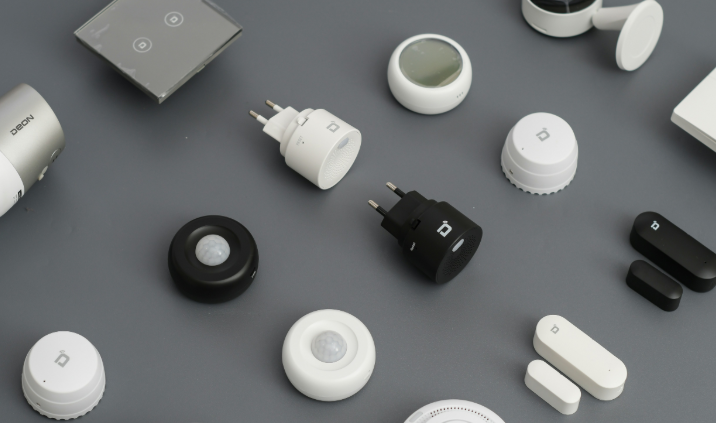
Introduction to Smart Appliances
Smart appliances represent a significant evolution in home technology, integrating advanced features, sensors, and connectivity that enhance functionality and efficiency. Essentially, these are devices equipped with internet connectivity and smart technology, allowing users to control and manage them remotely. The goal of smart appliances is to simplify everyday tasks, promote energy efficiency, and offer convenience in the modern household.
Among the myriad of features commonly associated with smart appliances are remote monitoring, automation, and enhanced control options. For instance, a smart refrigerator can allow homeowners to check its contents directly from a smartphone, receive notifications when supplies are running low, or even suggest recipes based on available ingredients. Dishwashers and washing machines can be programmed to operate during off-peak energy times, promoting cost savings and eco-friendliness.
The rise of smart technology in homes has been accelerated by the increasing penetration of the Internet of Things (IoT). As households become more connected, the adoption of smart appliances is on the rise. According to industry reports, millions of households worldwide have already integrated smart appliances into their living spaces, reflecting a profound shift in how we interact with everyday tools. This trend is further bolstered by advancements in artificial intelligence and machine learning, which enhance the capabilities of these devices, making them more intuitive and responsive to user needs.
As the market evolves, we can expect continued innovation in smart appliances, resulting in more sophisticated offerings that cater to the demands of contemporary living. The convenience provided by these technologies not only modernizes the home environment but also empowers homeowners to optimize their lifestyles through simple, efficient solutions.
Benefits of Smart Appliances
Smart appliances have become increasingly popular in modern households, and for good reason. One of the primary benefits of these devices is the convenience they offer. For instance, smart refrigerators can send notifications when grocery items are running low or when perishables are about to expire. Additionally, smart ovens allow users to preheat remotely or adjust cooking temperatures via smartphone applications. This level of control extends further, providing effortless management of home systems and appliances at the touch of a button.
Another significant advantage is energy efficiency. Smart appliances are designed to optimize energy consumption, providing families with effective ways to reduce electricity bills. For example, smart thermostats learn a household’s routines and can adjust heating and cooling accordingly, ensuring that energy is not wasted. This capability not only leads to financial savings but also contributes to a more environmentally friendly lifestyle, making them a responsible choice for the eco-conscious consumer.
Time-saving capabilities are another compelling benefit of smart appliances. By automating everyday tasks, such as washing dishes or vacuuming, smart devices free up valuable time for individuals and families. For instance, smart robotic vacuum cleaners can be scheduled to operate while the occupants are away, ensuring that homes remain clean without constant manual effort. This allows families to spend more quality time together, enhancing their overall daily life experience.
Moreover, the integration of smart appliances into the home can significantly streamline household management. Families can monitor energy usage, track appliance performance, and receive alerts on maintenance issues directly from their smartphones. With such advancements, smart appliances do not merely serve functional purposes; they enhance overall lifestyle and efficiency, making them indispensable in the contemporary home.
Popular Types of Smart Appliances
Smart appliances have significantly transformed the landscape of home living, integrating advanced technology to enhance efficiency and convenience. Among the most popular types of smart appliances available today, smart refrigerators stand out for their ability to monitor food inventory and expiration dates. These refrigerators can connect to your smartphone, allowing you to keep track of what you have at home and even suggest recipes based on available ingredients. Many models feature touch screens that provide access to calendars, weather updates, and shopping lists.
Next, smart ovens represent a substantial innovation in cooking technology. Equipped with Wi-Fi connectivity, these ovens can be preheated remotely using a smartphone app. Users can also download recipes that automatically adjust cooking times and temperatures. Additionally, features like voice control and integrated cameras help monitor food while it cooks, ensuring perfect results every time.
Smart washing machines are another essential addition to modern households. These machines enable users to operate wash cycles remotely, receive notifications when laundry is complete, and even diagnose issues before they escalate. Many smart washing machines also offer customizable wash settings and energy-efficient modes to save water and electricity, further simplifying the laundry process.
Finally, home assistants have become fundamental smart appliances in contemporary homes. These voice-activated devices can control other smart appliances, answer queries, manage schedules, and even play music. By acting as central hubs for a smart home ecosystem, these assistants significantly enhance everyday life through seamless integration and hands-free operation.
How Smart Appliances Enhance Home Security
In the modern era, the integration of smart appliances into home security systems has revolutionized the way homeowners protect their properties. Smart cameras, door locks, and alarm systems offer a variety of functionalities that address security concerns while providing peace of mind.
Smart cameras play a crucial role in enhancing home security. These devices enable homeowners to monitor their properties in real-time, regardless of their location. Equipped with motion detection and night vision capabilities, smart cameras can send notifications to users’ smartphones whenever unusual activity is detected. This immediate alert system empowers homeowners to respond promptly to potential threats, thereby significantly improving safety.
Equally significant are smart door locks, which offer an advanced alternative to traditional locking mechanisms. These locks can be controlled remotely through mobile applications, allowing homeowners to grant or deny access to visitors, delivery personnel, or service providers. Additionally, smart locks often include features such as temporary access codes and alerts that inform homeowners when someone enters or exits the property. This feature not only enhances convenience but also adds an extra layer of security.
Alarm systems have also evolved with the advent of smart technology. Modern smart alarm systems integrate with other smart home devices, providing comprehensive coverage and control. Homeowners can remotely arm or disarm their security systems and receive notifications if an alarm is triggered. This interconnectedness of devices offers a holistic approach to security management.
Moreover, the ability to monitor and control these smart appliances from a central hub or through a mobile app grants homeowners increased flexibility and control over their security. This seamless integration of smart technology into home security not only simplifies management but also leads to a safer living environment. As smart appliances continue to evolve, their role in enhancing security will undoubtedly become even more prominent.
Integration with Smart Home Systems
Smart appliances have revolutionized the way we manage our homes by providing enhanced connectivity and control through integration with established smart home systems. The prominence of platforms such as Google Home, Amazon Alexa, and Apple HomeKit means that consumers can effortlessly align their smart appliances with their existing home automation setup. This compatibility expands the functionality of such devices, enabling users to control everything from refrigerators to thermostats using voice commands or through dedicated mobile applications.
For instance, a smart oven can be easily connected to Google Home, allowing users to preheat the oven or adjust temperatures remotely via voice commands. Similarly, through Amazon Alexa, one can turn on or off smart lights or even receive reminders about appliance maintenance. The synergy created by these integrations not only enhances convenience but also promotes energy efficiency by allowing homeowners to monitor and optimize their energy consumption.
Apple HomeKit users benefit from a user-friendly interface that seamlessly integrates various smart appliances into a cohesive ecosystem. This platform prioritizes security and privacy, providing users with robust options for automation and remote control. Users can create specific scenarios, or “scenes,” where multiple appliances respond to a single command, such as starting a morning routine that can include brewing coffee, adjusting lighting levels, and setting the thermostat to a comfortable temperature.
The ability of smart appliances to communicate within a smart home ecosystem underscores their value in today’s digital age. By embracing this technology, homeowners not only simplify their routines but also enhance their overall living experience. The seamless control, energy management, and automation capabilities offered through these integrations illustrate how vital smart appliances have become in modern home life.
Energy Management and Cost Savings
Smart appliances play a pivotal role in managing energy consumption effectively, contributing to significant cost savings on utility bills. One of the most notable features of these innovative devices is their ability to monitor energy usage in real time. By providing users with insights into their consumption patterns, smart appliances empower households to identify areas where they can reduce energy expenditure.
For instance, consider smart thermostats that not only adjust heating and cooling automatically but also learn from user habits. These devices can optimize energy usage by adjusting the temperature when no one is home, ensuring that unnecessary heating or cooling is avoided. Similarly, smart washing machines or dishwashers can be programmed to operate during off-peak hours, when energy costs are generally lower.
Another practical feature embedded within many smart appliances is energy scheduling. This allows users to set specific times for their appliances to run, aligning their usage with lower energy rates or when renewable energy sources are more readily available. The integration of apps and home automation systems makes it easier than ever to manage these schedules, offering a centralized approach to energy management. Additionally, appliance manufacturers often provide energy efficiency ratings, which help consumers choose models that are designed to consume less power, thereby yielding further savings.
In conclusion, the benefits of smart appliances extend beyond mere convenience; they present significant opportunities for energy management and cost savings. By utilizing energy monitoring features and scheduling capabilities, households can optimize their energy consumption, leading to reduced utility bills and a more sustainable lifestyle. As technology continues to advance, the impact of smart appliances on energy efficiency will likely become even more pronounced.
User Experience and Accessibility
The user experience of smart appliances is designed to be intuitive and user-friendly, catering to a diverse demographic. Many devices feature simplified interfaces characterized by easy navigation and clear instructions, thereby reducing the learning curve associated with new technologies. For instance, touchscreens and voice-activated controls are prevalent in modern smart appliances, allowing users to operate these devices with minimal effort. This level of accessibility is crucial for households that include elderly members or those with disabilities, as it accommodates different physical capabilities and comfort levels with technology.
Moreover, mobile app connectivity significantly enhances how users interact with their smart appliances. Most appliances can be linked to smartphones or tablets through dedicated apps, providing remote control options and notifications. This connectivity not only improves convenience but also allows users to monitor their appliances from anywhere within the home or even when away, thus fostering a more efficient home management experience. The availability of real-time updates and alerts ensures that users can respond promptly to any issues, further streamlining household operations.
Accessibility is further addressed through adaptable features, such as voice control and customizable settings, which ensure interoperability across various ages and abilities. Regardless of technical expertise, users can easily adjust settings to suit personal preferences. Furthermore, manufacturers are increasingly prioritizing inclusive design, which focuses on ensuring that smart appliances meet the needs of a broad user base. By considering the diverse experiences of their customers, companies can create products that not only enhance convenience but also promote a connected and manageable lifestyle for all users.
Challenges and Considerations
While smart appliances offer the promise of greater convenience and enhanced home management, there are several challenges and considerations that potential users should be aware of before fully embracing this technology. One major concern is the initial cost of these devices. Smart appliances often come with a higher price tag compared to their traditional counterparts, which can discourage some consumers from making the switch. While the long-term savings in energy bills and time efficiency may offset these initial expenses, the perception of high costs remains a barrier to widespread adoption.
Privacy concerns are another significant consideration when integrating smart appliances into a household. Many of these devices collect and transmit data regarding user habits and household environments. This data can be susceptible to breaches or misuse, leading to potential risks in terms of personal privacy. Users must weigh the benefits of convenience against the possibility of exposing sensitive information and consider adopting security measures, such as robust passwords and regular updates.
Dependence on technology is another critical factor to contemplate. As smart appliances become more integrated into daily routines, there is a risk of becoming overly reliant on them. This dependency may lead to challenges in situations where technology fails or becomes inaccessible due to power outages or connectivity issues. Thus, understanding how to operate appliances manually remains an essential skill. Furthermore, the learning curve associated with smart appliances can be steep for some users, particularly those who may not be as technologically savvy. Familiarizing oneself with these devices and their interfaces might require time and patience.
In conclusion, while the advantages of smart appliances are compelling, potential users should carefully consider the challenges associated with cost, privacy, technological dependence, and the necessary learning curve to make informed decisions regarding their home technology investments.
The Future of Smart Appliances in Homes
The landscape of smart appliances is rapidly changing, as advancements in technology continue to emerge at an unprecedented pace. In the near future, we can anticipate the integration of more sophisticated artificial intelligence (AI) and machine learning capabilities into household appliances. These enhancements will not only streamline tasks but also create an interconnected ecosystem that learns from individual user behavior, paving the way for a highly personalized home experience. For example, AI could enable a smart refrigerator to manage grocery lists intelligently, automatically notifying users of low stock items and suggesting recipes based on available ingredients.
Moreover, the potential for smart appliances to communicate with each other will significantly transform home life. Imagine a scenario where your smart washing machine informs your smart dryer when a load is finished, prompting it to start working automatically. This seamless synchronization will allow for a more efficient home, reducing the time and effort required for daily chores, ultimately enhancing convenience for homeowners.
In addition to communication between appliances, the upcoming developments may include enhanced interfaces and smarter integration with mobile devices. Future smart appliances will likely adopt more user-friendly designs, allowing for intuitive control through voice commands and mobile applications. With the internet of things (IoT) expanding, users will be able to manage their home systems remotely, from checking on the oven while at work to adjusting the thermostat while on vacation, bringing unparalleled convenience.
Furthermore, sustainability will undoubtedly play a critical role in the evolution of smart appliances. As energy efficiency becomes a growing concern, future designs will incorporate smart technologies that optimize energy usage, providing eco-friendly solutions that also lower utility costs. In essence, the future of smart appliances appears bright, with advancements in AI, enhanced interconnectivity, easier user interfaces, and a focus on sustainability all contributing to a more efficient, convenient, and sustainable home environment.