

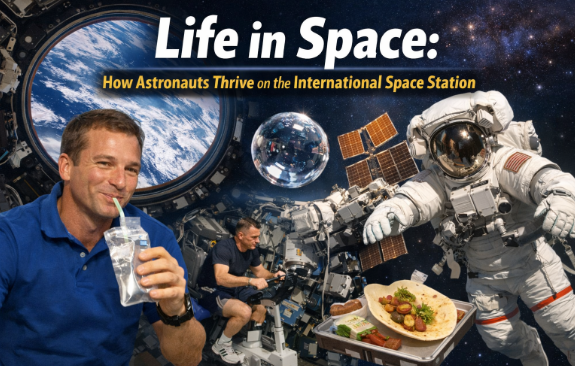
Introduction to the International Space Station
The International Space Station (ISS) represents one of humanity’s most ambitious technological achievements. Launched in 1998, this multi-national collaborative project has been continuously inhabited since November 2000. The ISS serves as both a space laboratory and a unique platform for scientific research, consisting of various modules and components constructed by multiple countries, including the United States, Russia, Europe, Japan, and Canada. This collaboration is a testament to international partnerships in space exploration.
Designed to orbit Earth at an altitude of approximately 400 kilometers (about 248 miles), the ISS orbits our planet approximately every 90 minutes, giving astronauts aboard the opportunity to witness 16 sunrises and sunsets daily. This structure is not only notable for its size, nearly as long as a football field, but also for its complex architecture, which includes solar arrays that provide power, laboratories for research, and living quarters for the crew.
The role of the ISS extends far beyond mere habitation; it is a vital asset in advancing scientific knowledge. Scientists conduct a variety of experiments in microgravity, yielding insights that can lead to improvements in medicine, technology, and materials science. Furthermore, the ISS serves as a testing ground for the technologies and systems needed for future deep space exploration, including missions to Mars. This makes the ISS pivotal in fostering a greater understanding of how to sustain human life in space.
In conclusion, the International Space Station stands as a symbol of collaboration in space exploration, underscoring its significance in furthering our scientific endeavors and preparing for future ventures beyond our planet.
Daily Life on the ISS
The daily routines of astronauts aboard the International Space Station (ISS) are meticulously structured to ensure both productivity and well-being in the unique environment of microgravity. A typical day commences with a wake-up call, often accompanied by a selection of music chosen by family members or friends, fostering a sense of connection to Earth. After rising, astronauts engage in personal hygiene activities, which, due to the absence of running water, involve rinseless wipes and no-rinse soap.
Work hours on the ISS are generally set for approximately 10 to 12 hours per day, during which astronauts conduct scientific experiments, perform maintenance on the station, and participate in communication sessions with mission control. Tasks are varied and crucial for ongoing research and exploration, with scientists focusing on a multitude of subjects including physics, biology, and medicine.
To maintain their physical health, astronauts are required to dedicate about two hours each day to exercise. The microgravity environment can lead to muscle atrophy and bone density loss, making exercise a vital aspect of daily routines. Astronauts utilize specialized equipment such as treadmills, stationary bicycles, and resistance exercise devices to stay fit and mitigate the adverse effects of long-duration spaceflight.
Meal times on the ISS are planned and regulated to ensure a balanced diet, with astronauts eating three main meals a day. Food is packaged in a variety of forms including dehydrated, thermostabilized, and freeze-dried options. This allows for nutrition preservation while maximizing storage space. Additionally, leisure activities are interspersed throughout the day, providing astronauts with opportunities to relax, enjoy movies, read books, or video chat with loved ones, which helps maintain morale during their mission.
Sleeping in Zero Gravity
Sleeping in the weightlessness of space poses a unique set of challenges for astronauts aboard the International Space Station (ISS). Unlike on Earth, where gravity keeps us anchored to our beds, astronauts experience a sensation of floating that requires adjustments in their sleeping arrangements. To maintain comfort and security while sleeping, astronauts utilize specialized sleeping bags that help to keep their bodies from drifting around the module.
These sleeping bags are anchored to the wall of the sleeping quarters, allowing astronauts to securely fasten themselves in one location. This positioning is crucial, as it prevents them from bumping their heads on equipment or floating into other crew members during the night. The bags, designed with soft fabric and insulation, also provide a degree of warmth and help maintain a sense of personal space, which can be challenging in the close quarters of the ISS.
The environment in space can interfere with sleep cycles, primarily due to the constant exposure to artificial light and the absence of natural day-night cycles. Earth’s rotation typically regulates our biological clock, but in space, astronauts encounter 16 sunrises and sunsets each day. To combat this, crew members create a dark environment around their sleeping areas, often utilizing eye masks and earplugs to block out noise and light.
Additionally, astronauts are encouraged to follow a strict schedule that promotes regular sleep patterns. They often have set sleep and work hours, minimizing disruptions during designated rest times. Despite the extraordinary conditions of living in space, these adaptations help astronauts achieve a requisite amount of sleep, ultimately contributing to their well-being and performance during their missions in zero gravity.
Eating and Drinking in Space
Life on the International Space Station (ISS) presents a unique set of challenges when it comes to eating and drinking. The absence of gravity significantly alters the way astronauts must approach their meals. Food consumed in this environment needs to be specially prepared, packaged, and executed to ensure safety and nutrition. Astronauts have access to a diverse range of food choices, all designed to cater to the rigors of life in microgravity.
To maintain a balanced diet during their missions, astronauts often choose from a hearty menu consisting of freeze-dried, thermostabilized, and fresh food items. Meals can include everything from rehydratable soups to meats, fruits, and even desserts. Each food item undergoes rigorous testing to ensure it remains safe and stable in space. Special packaging is utilized to prevent crumbs and spills, which can create problems in microgravity.
Meal preparation aboard the ISS involves warming food in an oven or rehydrating dehydrated selections with hot water, which is then dispensed from an onboard container. Astronauts eat with specially designed utensils that catch food and prevent it from floating away. Additionally, they use a tray to hold their food items, stabilizing the meal against the unpredictable forces of microgravity.
Drinking is equally meticulous. Astronauts consume liquids from pouches equipped with straws that possess one-way valves, preventing any liquid from escaping. This system ensures that crew members can hydrate comfortably while minimizing mess. Hence, whether it’s reconstituted fruit juices or a simple cup of coffee, all drinking activities are adapted to the microgravity environment.
Through a blend of careful preparation and innovative packaging, astronauts thrive nutritionally while living aboard the ISS, demonstrating human adaptability in even the most extreme conditions.
Hygiene and Personal Care Practices
Living on the International Space Station (ISS) presents unique challenges for astronauts, particularly regarding personal hygiene and grooming. In the absence of conventional shower facilities, astronauts must adapt their hygiene routines to the constraints of a microgravity environment. This requires innovative solutions to maintain cleanliness and comfort during their missions, which can last several months.
To wash their bodies, astronauts use rinseless body wipes and no-rinse shampoo. These wipes, akin to moist towelettes, are specially designed to help astronauts clean their skin without the need for water, which is particularly scarce in space. The no-rinse shampoo is used in a similar fashion; astronauts apply it to their hair and then towel off to remove any residue. This method is both effective and crucial for preventing the buildup of oils and pathogens that can compromise health in the confines of the ISS.
Dental hygiene is another important aspect of personal care aboard the ISS. Astronauts maintain their oral health using specially designed toothpaste that does not require rinsing. They apply a small amount of toothpaste to their toothbrushes and brush their teeth as they would on Earth, spitting the excess into a small towel or simply allowing it to disperse in the cabin air. This method ensures that oral hygiene is upheld despite the absence of traditional facilities.
Moreover, managing personal grooming extends to regular haircuts, which are conducted using electric clippers. The hair clippings float away due to microgravity and are collected using a vacuum attachment to maintain a clean environment. Overall, astronauts take these hygiene measures seriously, ensuring that personal care routines are upheld effectively, contributing to their overall well-being during extended missions in space.
Health and Medical Care in Space
Health and medical care aboard the International Space Station (ISS) is a critical aspect of ensuring astronauts’ well-being during their missions. The unique environment of microgravity presents challenges that require robust protocols for routine health monitoring and emergency medical care.
Regular health check-ups are an integral part of an astronaut’s life on the ISS. Crew members undergo extensive pre-flight medical evaluations and continuous health monitoring during their missions. Medical personnel on Earth remain in constant communication with the astronauts, allowing them to provide support and guidance on various health issues. These check-ups often include monitoring vital signs such as heart rate, blood pressure, and oxygen saturation, which can be influenced by the microgravity conditions.
In addition to routine monitoring, the ISS is equipped with a variety of medical supplies and equipment to address potential health issues. This includes first-aid kits, medications, and diagnostic tools that allow astronauts to assess and treat common ailments. Injuries or illnesses can occur in space, and astronauts are trained to manage various medical emergencies, from sprains to more serious conditions, using the resources available on the station.
Moreover, the psychological well-being of astronauts is taken into consideration, given the confined space and isolation they experience. Support systems, such as communications with family and friends, are encouraged to help maintain mental health. Additionally, astronauts receive training to recognize signs of stress and other psychological issues that may arise, ensuring that they can seek help and effectively cope with potential challenges.
The medical protocols established aboard the ISS are crucial for maintaining the health and performance of astronauts. By proactively addressing both physical and psychological health, the ISS serves as a model for future long-duration space missions, where advanced medical care will be essential for success.
Communications with Earth
Effective communication is vital for astronauts living aboard the International Space Station (ISS), both for maintaining their mental well-being and for ensuring successful mission operations. The distance from Earth can create feelings of isolation; thus, astronauts employ various communication methods to stay connected with their loved ones, colleagues, and mission control.
One of the most direct forms of communication is through scheduled video calls. These sessions allow astronauts to see and speak with family and friends, providing a sense of normalcy and emotional support. These connections are critically important as they help astronauts maintain their mental health and encourage them to share experiences and feelings. Video calls also serve as a bridge between life on Earth and the extraordinary world of space living.
In addition to video calls, email communication plays a significant role. Astronauts can send and receive emails, allowing them to share updates from space with their families and provide insights into their daily lives aboard the ISS. This method of communication also allows them to stay informed about world events and personal happenings back on Earth, which can be reassuring during their extended missions.
Social media has also emerged as a popular platform for astronauts to communicate with the public. Through various social media accounts, astronauts can share photographs and experiences from their unique environment, creating an engaging dialogue with followers on Earth. This not only enhances their personal connections but also helps to increase public interest in space exploration and research.
In summary, the combination of video calls, emails, and social media serves to ensure that astronauts can maintain communication with their support network on Earth. These methods are essential for mental well-being and allow astronauts to thrive during their time in space.
Scientific Research Conducted in Space
The International Space Station (ISS) serves as a unique laboratory where astronauts conduct a diverse range of scientific research, advancing our understanding of various fields. Experiments on the ISS cover numerous areas, including biology, human physiology, physics, astronomy, and materials science, enabling scientists to explore the effects of microgravity on different processes.
One significant area of research involves studying biological systems. Experiments focus on how microgravity influences cellular behavior, growth patterns, and gene expression in plants and animals. This type of research is critical for long-term human space missions, as it helps scientists understand how to maintain health and well-being in environments that differ vastly from Earth.
Another vital field of study is fluid dynamics. In microgravity, fluids behave differently than they do on Earth, leading to unique phenomena that researchers can study safely aboard the ISS. Understanding these behaviors can improve technologies across various industries, from pharmaceuticals to engineering.
Notably, the ISS functions as a platform for collaboration between astronauts and scientists on Earth. The research conducted aboard the station is often the result of careful planning and extensive collaboration with researchers from around the globe. This partnership not only enhances the quality and scope of the studies but also fosters a shared commitment to advancing science for humanity.
The outcomes of space research have far-reaching implications. For instance, studies examining the effects of microgravity on the human body inform countermeasures against potential health risks astronauts face during extended missions. Moreover, findings can lead to medical advancements on Earth, notably in understanding conditions such as osteoporosis and muscle atrophy.
In essence, the scientific research conducted aboard the ISS exemplifies the importance of space exploration in broadening our knowledge and tackling challenges that impact life both in space and on Earth. The continuous advancements made through this research highlight the significant role of astronauts in expanding the frontiers of human understanding.
Conclusion: The Future of Living in Space
As we reflect on life in space, it is evident that astronauts aboard the International Space Station (ISS) have adapted remarkably well to their unique environment. The insights gathered from their experiences not only enhance our understanding of human physiology but also shape the future of extraterrestrial living. Looking ahead, several upcoming missions and advancements in technology promise to expand humanity’s reach beyond low Earth orbit, potentially leading to long-term habitation on other celestial bodies.
NASA’s Artemis program, aimed at returning humans to the Moon by the mid-2020s, serves as a crucial stepping stone for future exploration. This initiative aims not just to land astronauts on the lunar surface but to establish a sustainable human presence, preparing for eventual missions to Mars. By testing new technologies and living arrangements on the Moon, we are laying the groundwork for more ambitious journeys further afield.
Moreover, the development of new life support systems and habitat modules will play a pivotal role in supporting human life in the harsh conditions of space. Innovations such as closed-loop life support systems, which recycle air and water, will be vital for sustaining long-term missions. These advancements will be essential when considering human habitation on Mars, where resources are limited and environmental challenges abound. Furthermore, private sector involvement in space exploration is on the rise, with companies like SpaceX and Blue Origin pushing boundaries and driving competition in this new frontier.
In summary, the future of human habitation in space is promising and fraught with challenges. As we continue to learn from the ISS and embark on new missions, we are progressively moving closer to making space our second home. The collective efforts of governments and private entities will pave the way for safe, sustainable living beyond Earth, enabling humanity to explore and thrive in the vast cosmos.